
LAGOS, Nigeria – September 30, 2026: As investment in food preservation, refrigerated logistics, and cold storage infrastructure continues to grow across Nigeria, businesses are increasingly investing in self-generated power to improve operational efficiency, lower energy costs, and enhance competitiveness.
For operators in the cold-chain sector, uninterrupted electricity is mission-critical. Refrigeration systems must run continuously to preserve product quality, maintain food safety standards, and minimise inventory losses. Even brief power interruptions can result in significant financial losses and operational disruptions.
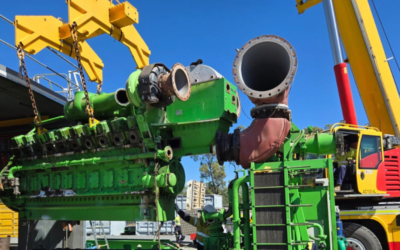
Recognising the importance of reliable energy, a leading cold storage and frozen food distribution company in Lagos recently commissioned a 1MW gas-powered generation plant supplied, installed, and commissioned by Clarke Energy.
The power plant now provides dependable electricity for the company’s refrigeration and cooling infrastructure, including compressors and essential facility loads. The project demonstrates how gas-powered generation can support the continuous operation of large-scale cold storage facilities while offering a cleaner and more efficient alternative to conventional diesel-powered systems.
In refrigeration-intensive industries such as food processing, cold-chain logistics, pharmaceutical storage, and agriculture, electricity typically represents one of the largest operating expenses. Since cooling equipment must operate around the clock to prevent spoilage, any reduction in energy costs can have a direct impact on profitability and business performance.
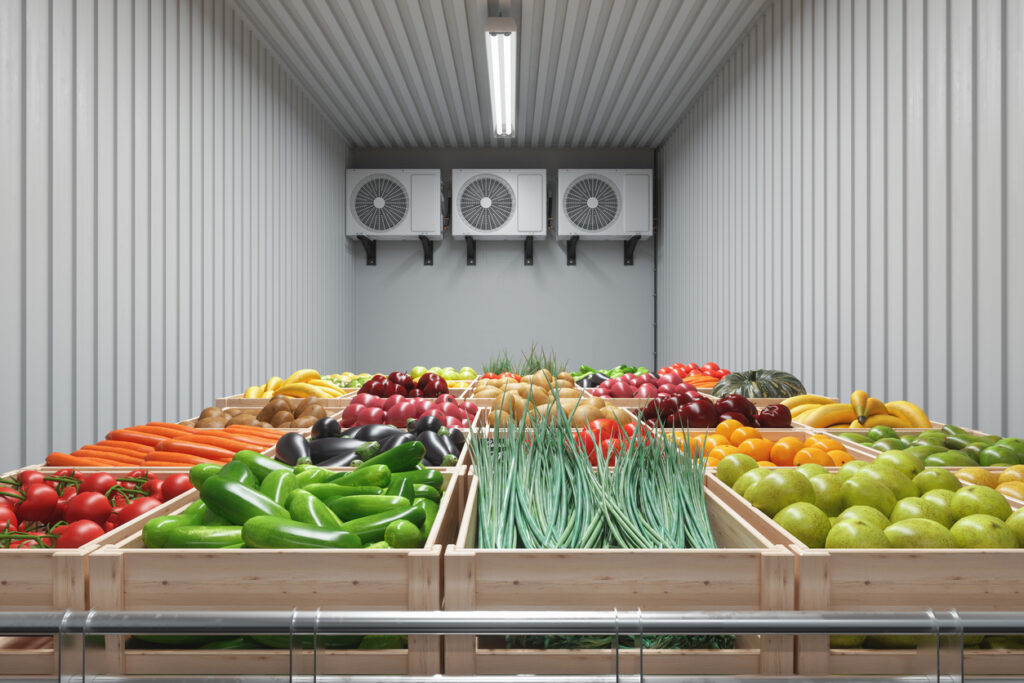
Across many parts of Nigeria, unreliable grid electricity often forces businesses to rely heavily on diesel generators, increasing operating costs and exposing critical operations to power-related risks. For cold storage operators, reliable onsite generation not only safeguards valuable inventory but also contributes to improved energy management and long-term business sustainability.
The investment has strengthened operational reliability, reduced dependence on alternative power sources, and demonstrates how onsite generation can support the operational requirements of modern cold-storage facilities.
The installation also marks an important milestone for Clarke Energy’s entry into Nigeria’s growing cold-chain and frozen food storage sector and highlights the increasing role of gas-powered generation in supporting refrigeration-intensive industries.
Yiannis Tsantilas, Managing Director of Clarke Energy, Sub-Saharan Africa, said dependable energy remains fundamental to the success of cold-chain operations and the broader food value chain.
“The cold-chain industry plays a vital role in food preservation, food security, and the reduction of post-harvest losses. Maintaining uninterrupted refrigeration requires reliable power that businesses can depend on around the clock. This project demonstrates how gas-powered generation can provide large-scale cold storage facilities with cost-effective and dependable electricity, enabling operators to improve efficiency, strengthen resilience, and better manage energy costs.”
Tsantilas noted that as investment in food storage, processing, and distribution infrastructure continues to grow across Nigeria, access to reliable energy will become increasingly important in supporting expansion throughout the sector.
“We see significant opportunities for the adoption of gas-powered generation within the cold-chain industry. As businesses seek to improve productivity while maintaining high standards of product quality and preservation, dependable power will remain a critical enabler of long-term success.”
Industry observers say the development reflects a wider trend among Nigerian commercial and industrial operators seeking greater control over their energy supply through captive generation solutions. As demand for high-quality food preservation and distribution services continues to increase, investment in reliable energy infrastructure is becoming an essential component of business continuity and operational excellence.
For Nigeria’s food supply chain, such investments could contribute significantly to reducing waste, improving product availability, and strengthening the efficiency of distribution networks, ultimately supporting food security and economic growth.

Find out more
Want to learn more about how we’re supporting Nigeria’s growing cold-chain and frozen food storage sector? Contact us here.