

Trigeneration
Delivering integrated electricity, heating, and cooling solutions for maximum energy efficiency.
What is Trigeneration?
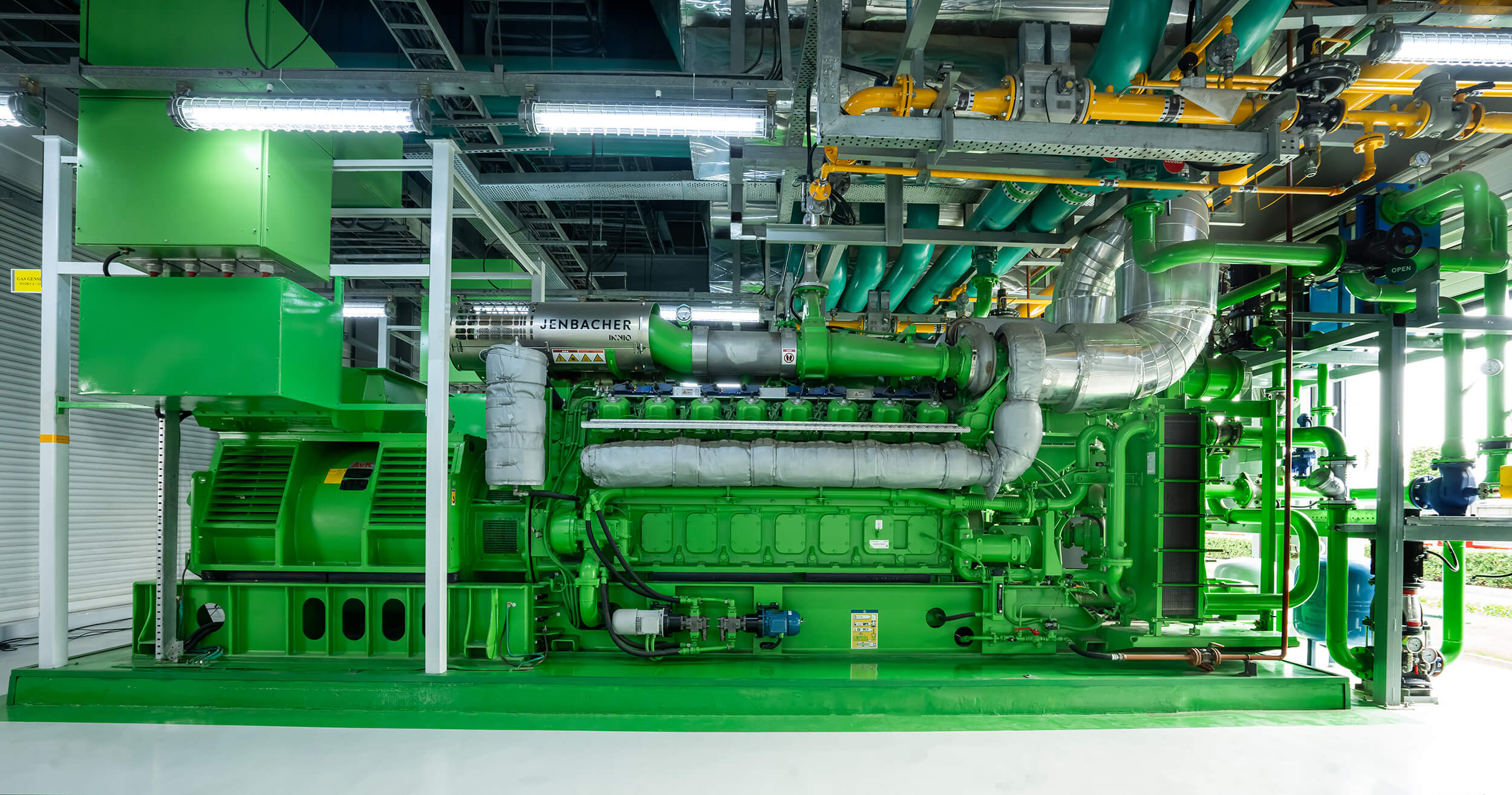
Trigeneration, or combined cooling, heat and power (CCHP), builds on cogeneration systems by using recovered thermal energy to drive absorption chillers that produce chilled water. This allows a single fuel source to simultaneously deliver electricity, heating, and cooling in one integrated system—significantly improving overall energy efficiency and lowering environmental impact.
Fuel is converted to electricity using a high-efficiency gas engine. The engine’s waste heat is recovered for heating applications, while a portion is diverted to the absorption chiller to meet cooling demands such as air conditioning or process refrigeration.
Trigeneration is ideal for facilities with continuous cooling requirements, offering enhanced energy utilisation, reduced reliance on separate HVAC systems, and greater resilience through grid independence. Systems can operate on natural gas, biogas, hydrogen blends, or other renewable fuels, supporting decarbonisation and net-zero goals.
Sustainability Features of Trigeneration
Energy Efficiency
System efficiencies can exceed 80%, reducing primary energy consumption compared to conventional systems.

Renewable Gas
Operable on biogas, biomethane, or hydrogen blends for low-carbon operation.
Carbon Reduction
Lower greenhouse gas emissions by reducing reliance on grid electricity and separate cooling systems.
Why Clarke Energy for Trigeneration Projects?
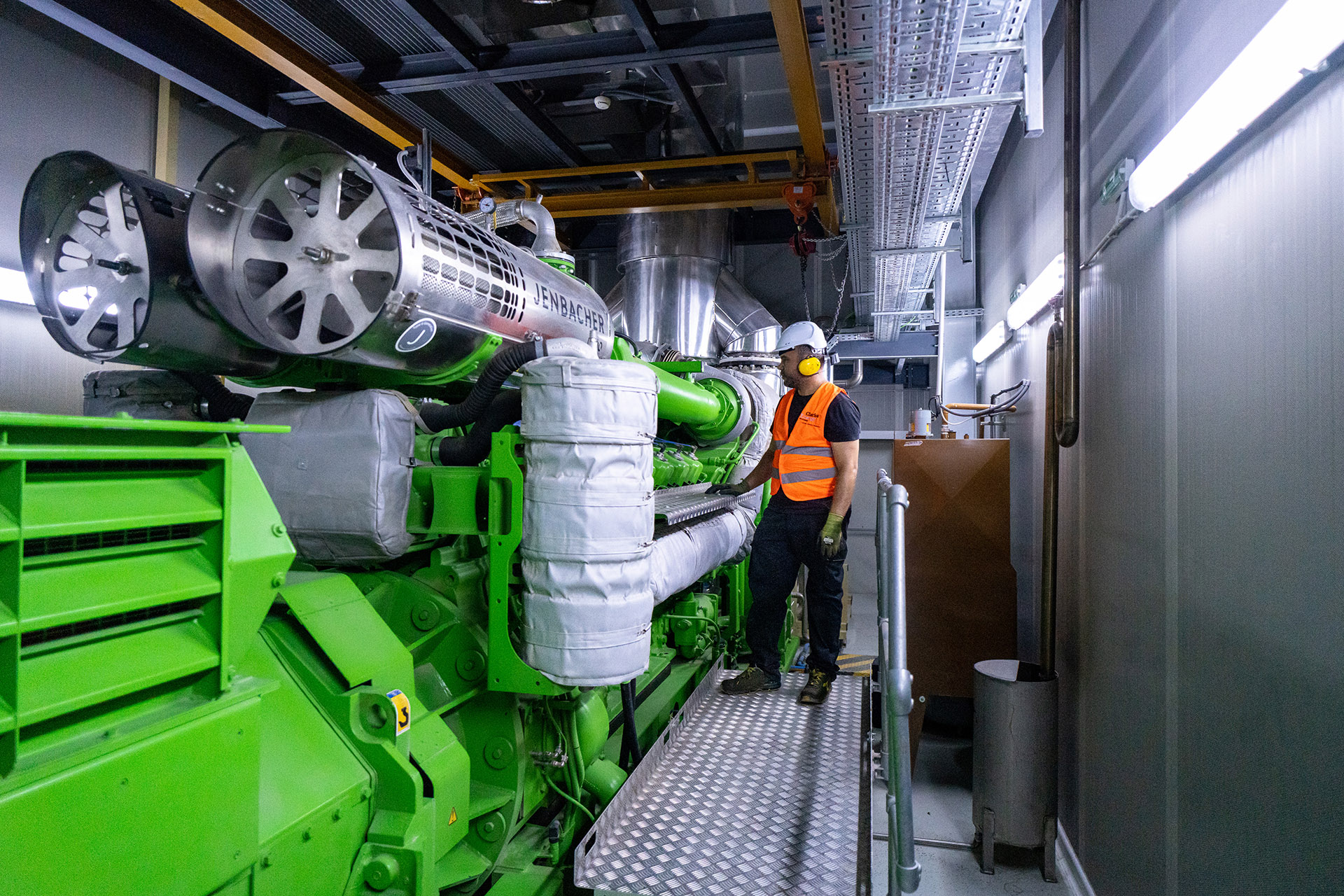
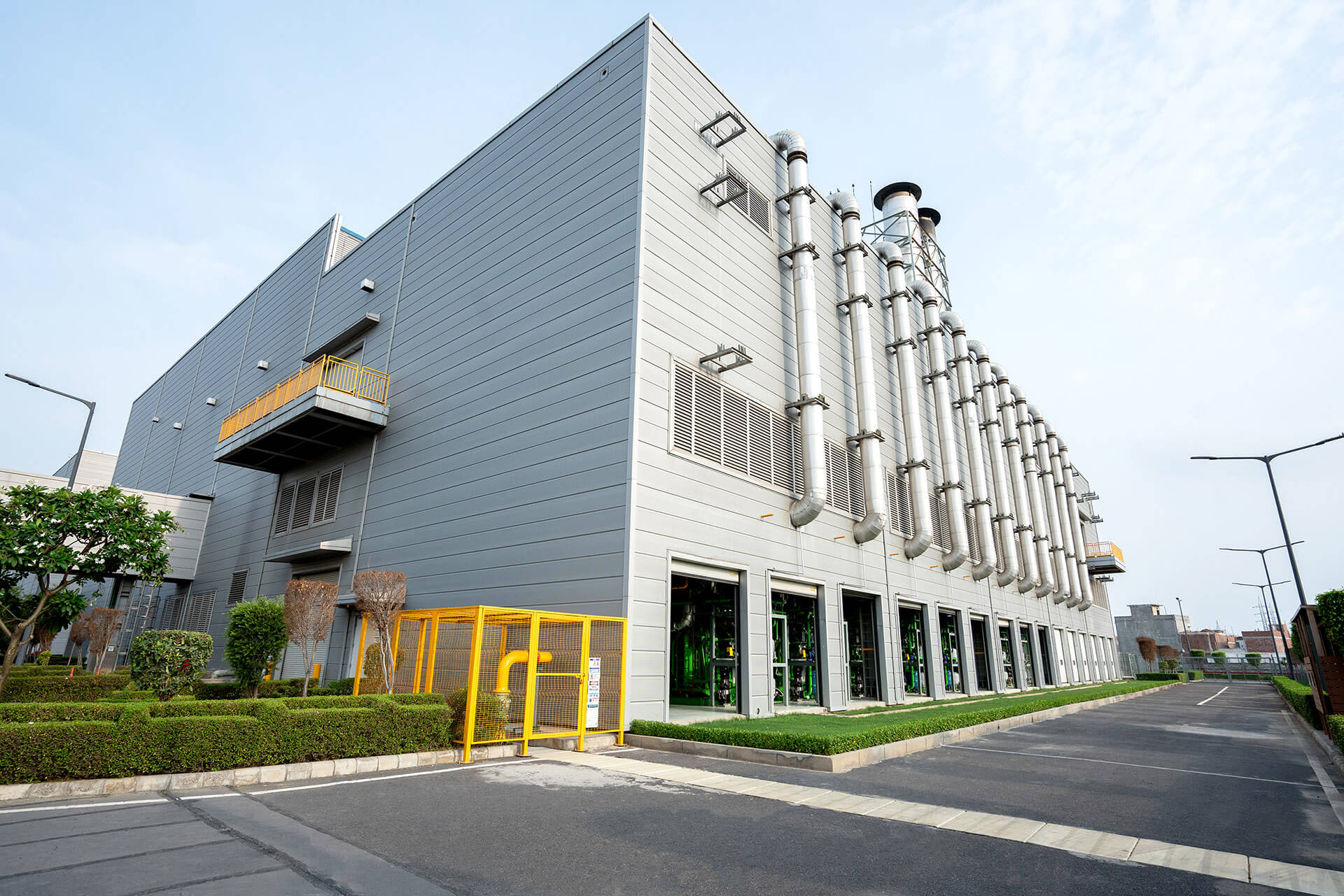
Clarke Energy has over 30 years of experience and more than 10GW of installed gas engine capacity globally. We are the largest distributor and service provider of Jenbacher gas engines worldwide.
Trigeneration systems from Clarke Energy can operate on a wide range of gaseous fuels including natural gas, biogas, biomethane, syngas, and hydrogen blends. This provides decarbonisation pathways aligned with net-zero strategies.
- Our solutions are customised to meet your facility’s specific energy, carbon, and cost goals.
- We offer full project lifecycle support—from feasibility and engineering through to installation and long-term maintenance contracts.
Discover More
Hybrid Energy Integration
Electricity Heat and Chilled Water
Absorption Chillers
Hybrid Energy Integration
Trigeneration systems can be integrated into microgrids alongside solar PV, wind, and battery storage, enhancing energy independence and renewable energy uptake. This helps store electricity and increase renewable energy penetration. Trigeneration systems can be readily integrated with other thermal systems including heat pumps and air conditioning.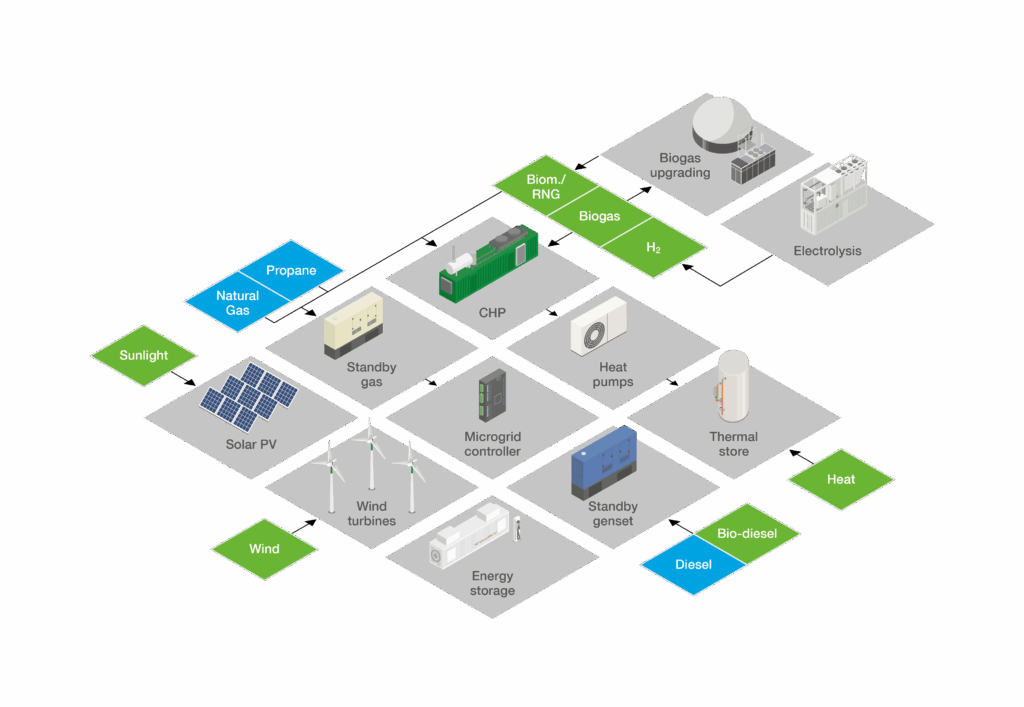
Electricity Heat and Chilled Water
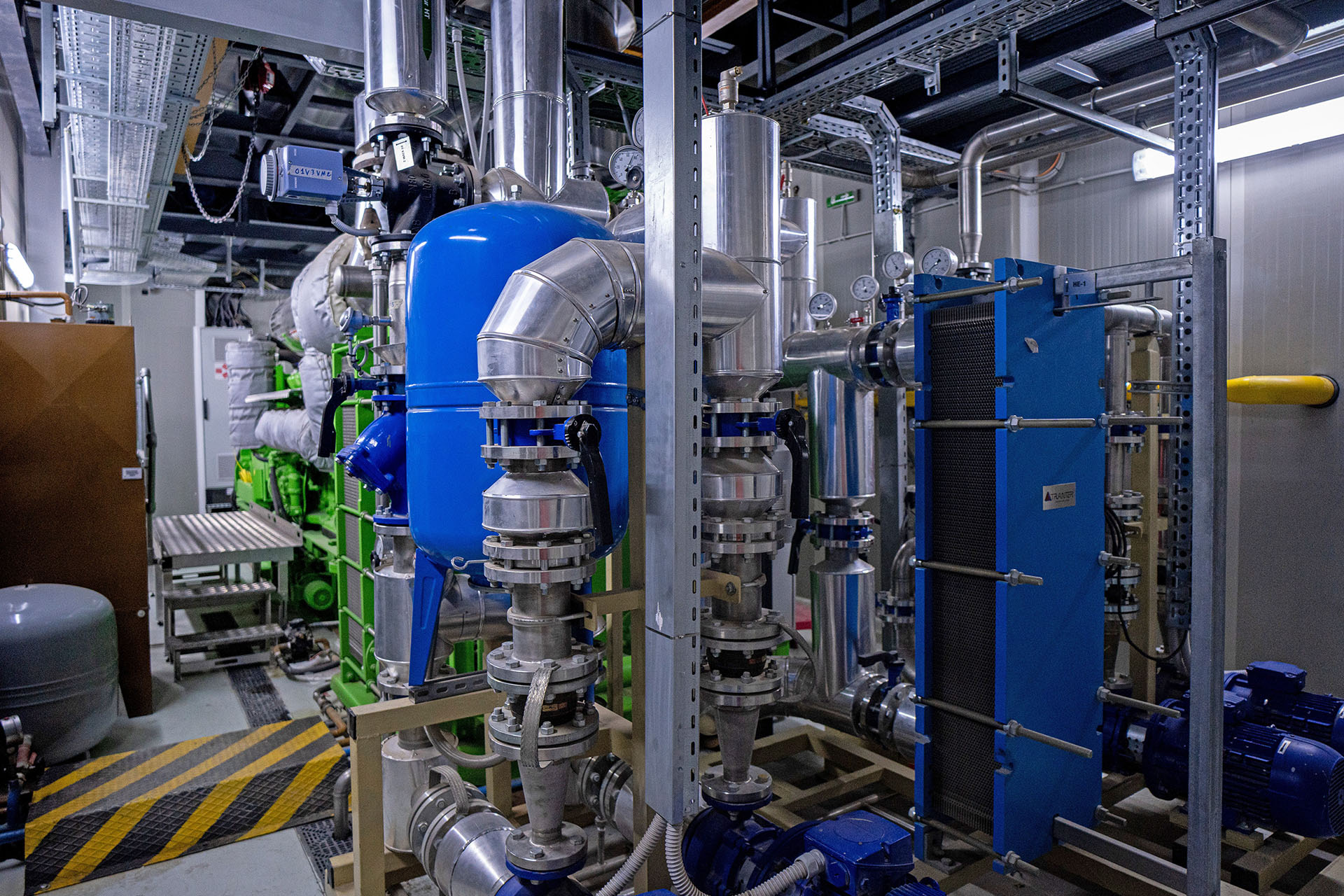
Absorption chillers provide an economical and environmentally friendly alternative to conventional refrigeration. They eliminate harmful refrigerants and make use of waste heat to deliver cooling, thereby maximising fuel efficiency.
Absorption Chillers
• Operation using hot water
• Operation using steam
• Direct heat via combustion
When combined with a CHP plant, absorption chillers allow for seasonal utilisation of excess heat for cooling. Hot water from the engine’s cooling system serves as input to the chiller. Additionally, the exhaust gas can support steam generation for double-effect chillers. Up to 80% of the thermal output of the cogeneration plant can be converted to chilled water, significantly boosting year-round efficiency.
Advantages Versus Conventional Refrigeration
- Operates with waste heat, using low-cost ‘excess energy’
- Simultaneous power generation and useful cooling/heating
- Reduces the need for separate chillers, boilers, or air conditioners
- Absorption chillers have no moving parts—resulting in low wear and maintenance
- Quiet, reliable operation and lower lifecycle costs
- Water used as refrigerant avoids ozone-depleting substances
Key Trigeneration Figures
- Approximately 150-170 kW of cold output is required per 1,000m2of office space
- The term tonnes of refrigeration (TR) is generally used as the unit of cold energy 1 TR (metric) = 3.86 kWh, 1 TR (US) 3.52kWh
- The term coefficient of performance (COP) is used for referring to the efficiency of an absorption chiller. For a hot water chiller, the COP lies between 0.6 – 0.8 and for a double-effect steam chiller between 1.2 – 1.3
- Cold water temperatures down to 4.5°C can be achieved with lithium bromide salt
- Temperatures down to -60°C can be achieved with ammonia
Applications

Data Centres

Hospitals

District Energy

Universities

Commercial Complexes

Food & Drink

Textiles
Pharmaceuticals
Frequently Asked Questions about Trigeneration
Technical and Engineering
What is a trigeneration system and how does it work?
A trigeneration system produces electricity, heating and cooling from a single fuel source by integrating an absorption chiller with a CHP unit.
Can trigeneration systems be used in buildings with constant cooling demand?
Yes – trigeneration is ideal for facilities with steady cooling loads such as data centres, hospitals and commercial buildings.
What cooling outputs can be expected from a trigeneration system?
Cooling capacity is linked to the recovered thermal energy and the efficiency of the absorption chiller. It’s typically measured in refrigeration tonnes (RT).
Is a trigeneration system compatible with renewable gases like biogas or hydrogen?
Yes – Clarke Energy trigeneration solutions can run on a wide variety of gaseous fuels including biogas, biomethane and hydrogen blends.
What temperatures are required for operating an absorption chiller in trigeneration?
Absorption chillers typically require hot water temperatures of 90°C or higher, which can be achieved using engine jacket and exhaust heat.
Financial and Commercial
How does trigeneration save money compared to conventional energy systems?
By producing electricity and utilising recovered heat for both heating and cooling, trigeneration reduces utility costs and improves overall fuel efficiency.
What is the typical ROI for a trigeneration project?
Payback periods vary by project, but savings from electricity, heating and cooling offsets can result in ROI within 4–7 years.
Are there government incentives for installing trigeneration systems?
Yes – many regions offer capital grants, carbon credits or tax relief for energy-efficient and low-carbon systems.
What financing options are available for trigeneration systems?
Clarke Energy can support different commercial models including capital purchase, leasing or energy services agreements (ESAs).
Can trigeneration help protect against future energy price increases?
Yes – by reducing grid dependence and increasing fuel efficiency, trigeneration offers more predictable long-term energy costs.
Environmental and Sustainability
How does trigeneration support carbon reduction and net-zero goals?
Trigeneration systems increase energy efficiency and reduce carbon emissions by capturing and reusing waste heat. When powered by renewable fuels, emissions can be significantly reduced or nearly eliminated.
Is trigeneration eligible for green building certification schemes?
Yes – trigeneration can contribute points toward LEED, BREEAM, and other environmental certification frameworks.
Can trigeneration reduce environmental impact compared to traditional HVAC systems?
Absolutely – by integrating generation and thermal management, trigeneration reduces fossil fuel consumption, transmission losses, and refrigerant emissions associated with conventional cooling.
Does trigeneration support ESG and corporate sustainability reporting?
Yes – trigeneration helps businesses meet energy and carbon reporting obligations while improving their ESG performance and stakeholder credibility.
Operational and Implementation
What is the typical installation timeframe for a trigeneration project?
Project timelines can range from 6 to 12 months depending on system complexity, permitting, and site-specific requirements.
Will a trigeneration system interrupt our existing operations during installation?
Disruption is minimal – Clarke Energy works closely with clients to plan installations around existing operations and minimise downtime.
Who monitors and maintains a trigeneration system once installed?
Systems are supported by Clarke Energy’s remote monitoring tools such as the MyPlant platform, along with preventative and corrective maintenance from local service teams.
Do we need to train our team to operate the trigeneration system?
Operator training is available, but Clarke Energy also offers comprehensive service packages to manage the system on your behalf and reduce operational burden.
What level of aftersales support and warranty cover is available?
Clarke Energy provides robust aftersales support, including service agreements, spare parts supply, remote diagnostics, and performance guarantees tailored to your project.
Interested in Installing a Trigeneration Plant for your Business?
Clarke Energy’s regional experts can provide the insight and support you need to evaluate options and achieve the right energy solution for your business.