

Microgrids
Resilient, decentralised energy systems that deliver reliable, flexible and low-carbon power.
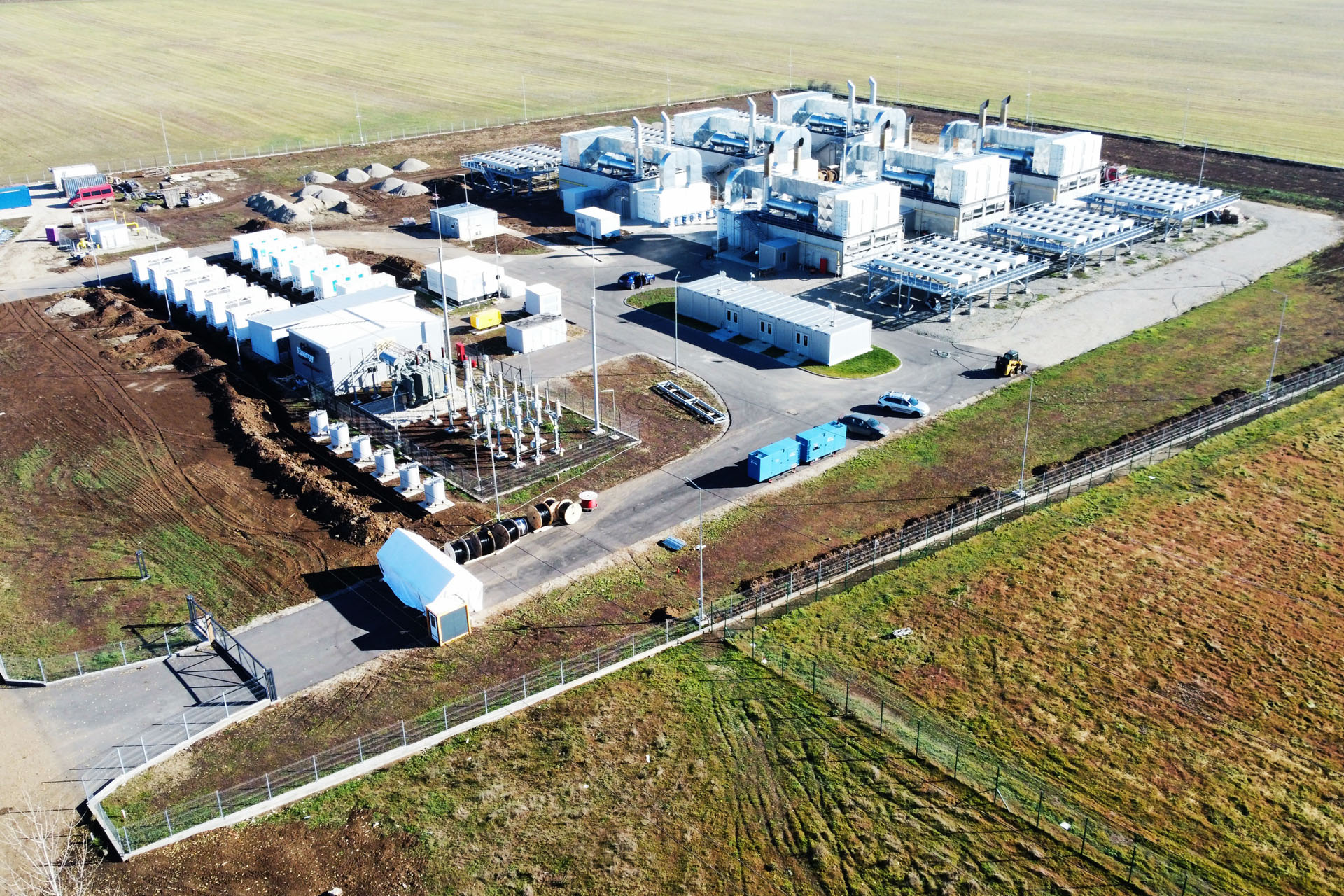
What is a Microgrid?
Microgrids are decentralised energy networks that can integrate multiple sources—such as gas engines, solar photovoltaic (PV) arrays, wind turbines, battery energy storage (BESS), and advanced control systems—to deliver reliable and efficient local power.
They can operate in parallel with the local electricity grid or independently in island mode, making them ideal for both critical infrastructure and remote locations. Microgrids reduce dependency on the grid, improve energy security, and optimise the use of low-carbon and renewable energy sources.
These systems are increasingly adopted in industrial, utility, data centre and commercial settings to support decarbonisation, enhance resilience, and unlock new value streams through smart energy management and grid interaction.
Benefits of Microgrids
-
Improved power reliability and operational resilience
Maintains continuity during grid disturbances by intelligently managing on-site generation and loads. -
Lower and more predictable energy costs
Reduces exposure to peak tariffs and grid volatility through optimised generation and consumption. -
Greater control over energy performance
Provides real-time visibility and control to support informed operational decisions. -
Support for decarbonisation and future energy strategies
Enables low-carbon technology integration while supporting long-term sustainability goals. -
Scalable and adaptable system design
Allows systems to evolve with changing site demands and future expansion.
Sustainability Features of Microgrids

Renewable Enablement
Maximises use of solar, wind, and renewable gas within the microgrid.
Energy Resilience
Provides secure backup or fully autonomous operation in the event of grid failure.
Emissions Avoidance
Optimises generation mix to reduce carbon intensity and prioritise clean energy sources.
Why Clarke Energy for Microgrid Projects?
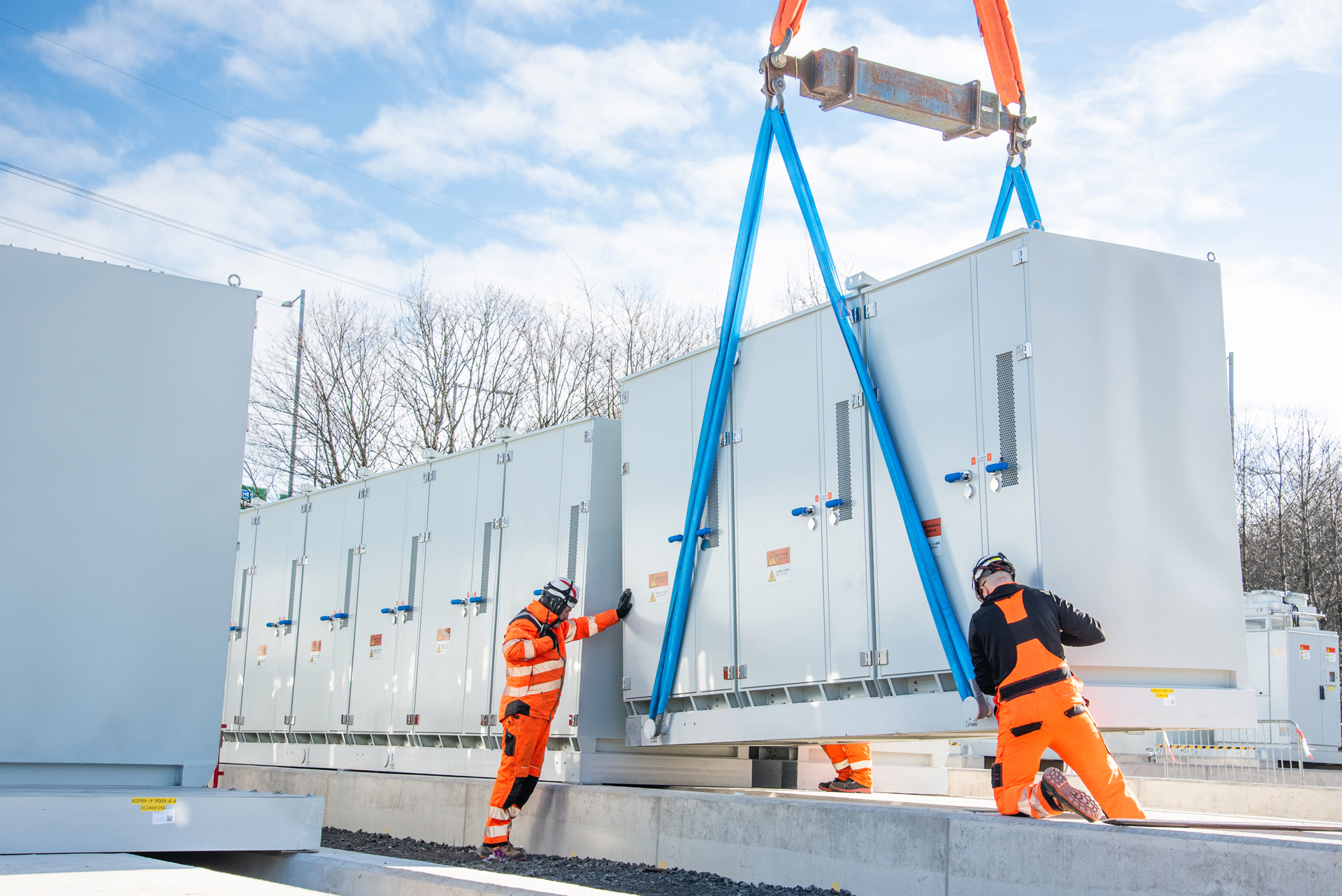
Clarke Energy delivers fully integrated microgrid solutions tailored to your site’s technical and commercial requirements. With deep experience in hybrid energy integration and smart system design, we offer end-to-end delivery of resilient, efficient, and scalable power networks. Our in-house expertise ensures seamless coordination from modelling to maintenance, helping you unlock greater energy independence and operational certainty.
Integrated Energy Solutions, Expertly Delivered
- Single point of contact from modelling to aftersales service with proven turnkey project experience.
- Modelling built around customer needs balancing reliability, cost and sustainability goals.
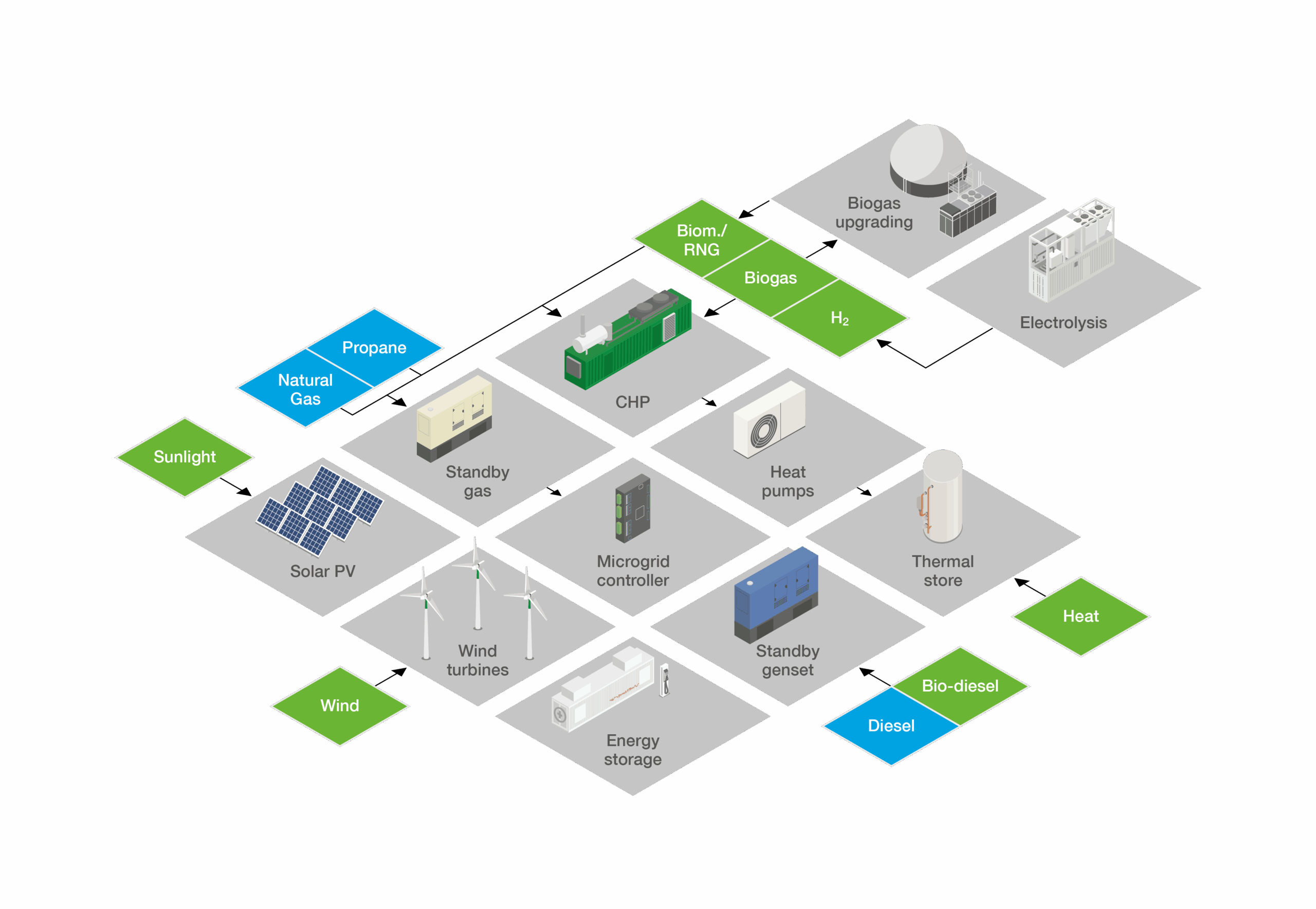
- Flexible, modular systems that integrate combined heat and power (CHP), solar PV, wind, BESS and thermal technologies.
- Advanced controls and adaptive microgrid strategies for resilience and energy optimisation.
- In-house expertise in system design, installation, integration and maintenance across hybrid platforms.
- Intelligent control systems and digital twin modelling optimise system design based on real-world demand and generation patterns.
- Full engineering, procurement and construction (EPC) and maintenance delivery, including engineering, commissioning, remote monitoring, and nationwide aftersales support.
Hybrid Energy Integration
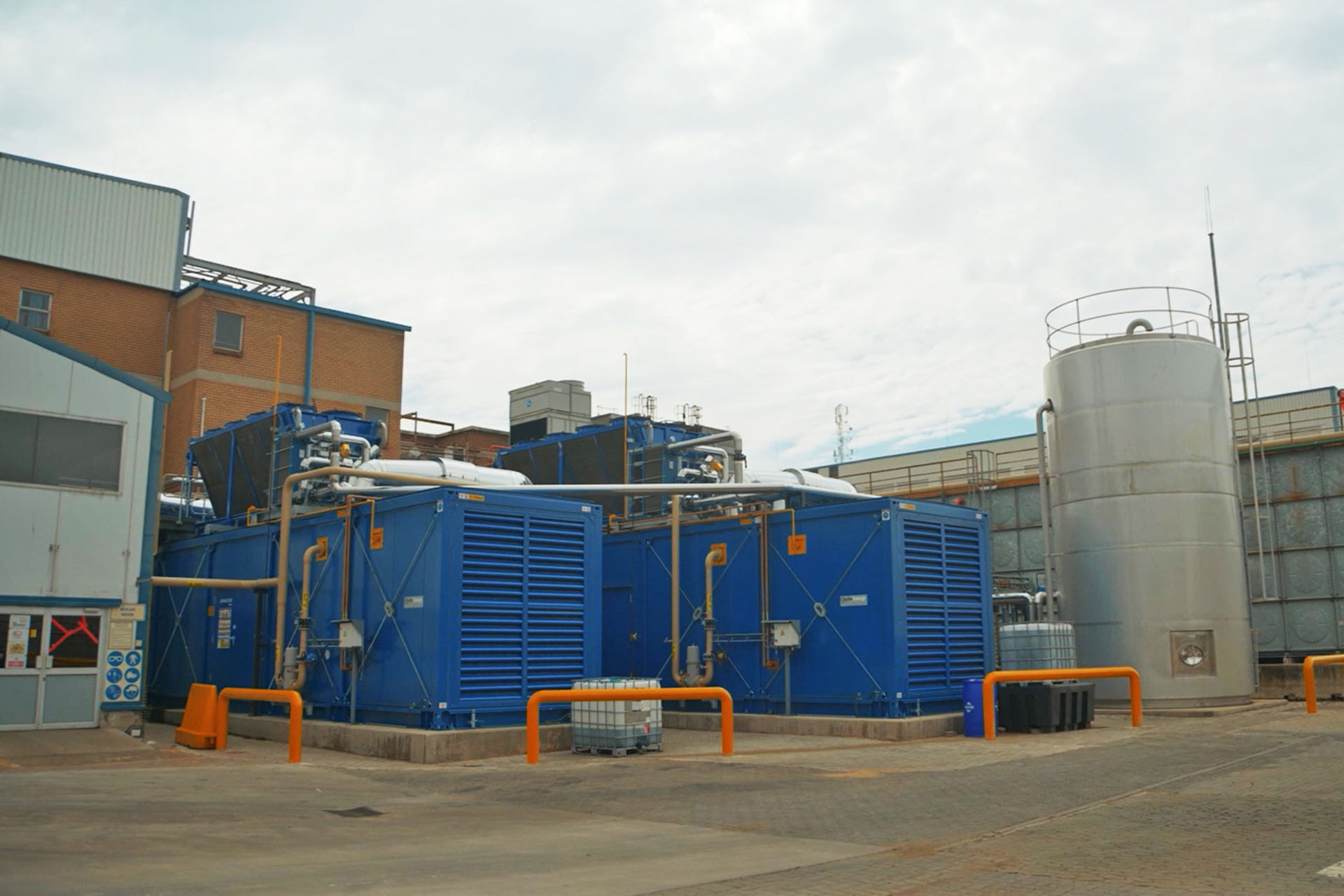
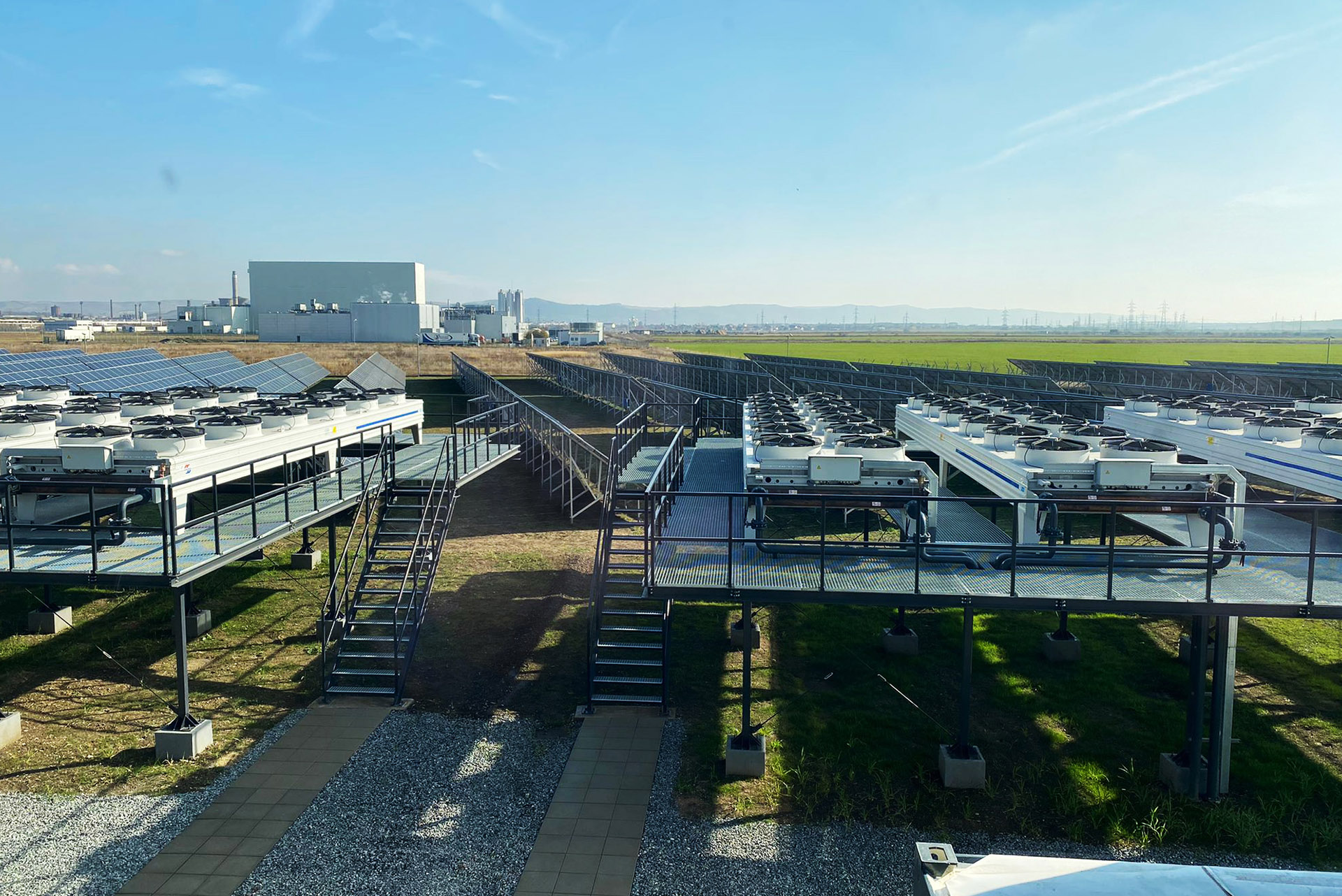
Clarke Energy’s microgrids combine CHP, renewables (solar PV, wind), BESS, and thermal systems. Advanced controllers optimise load sharing, fuel efficiency and renewable contribution.
Microgrid Operating Modes
Microgrids supplied by Clarke Energy can operate in three modes:
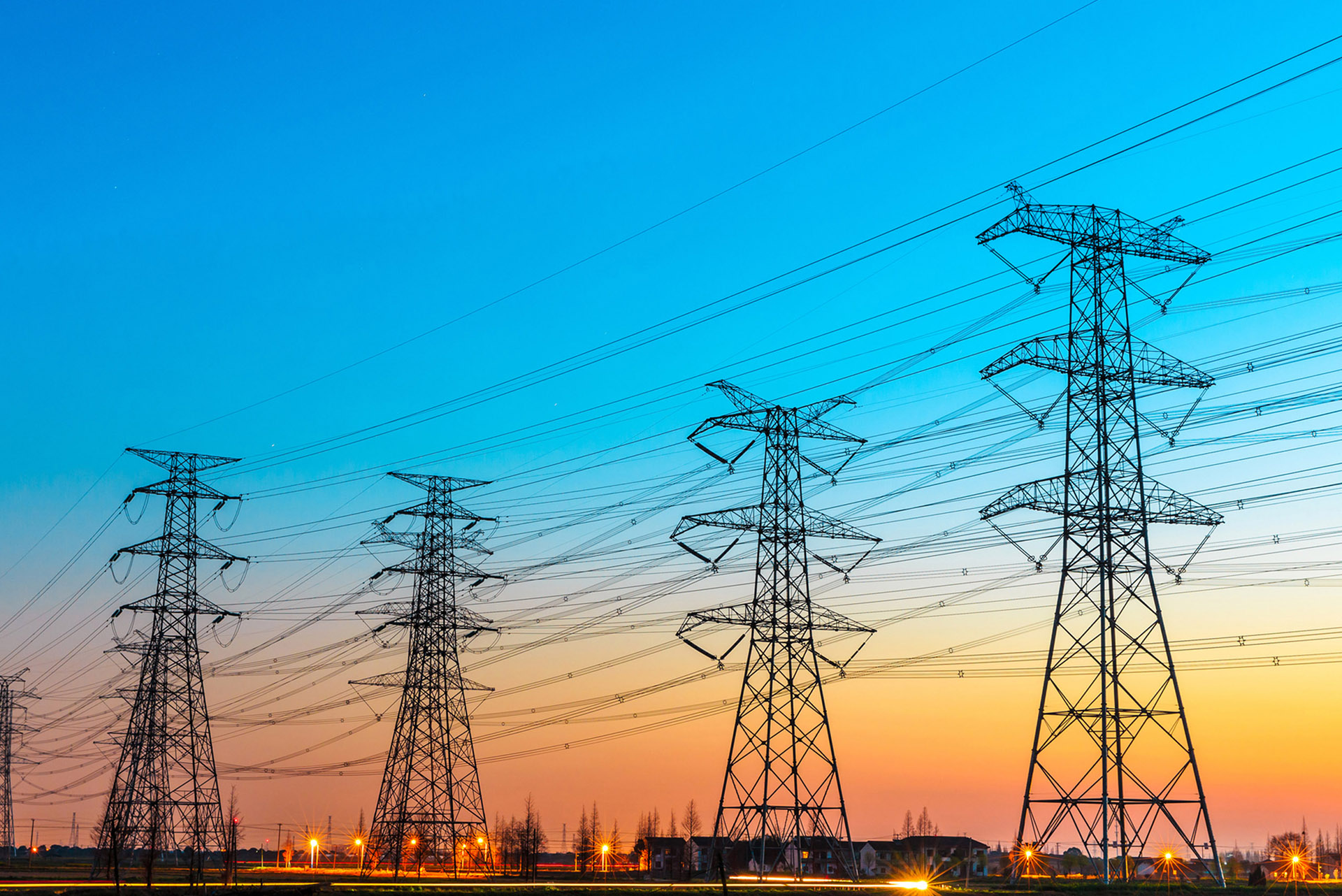
Grid Connected – Operates in synchronisation with the main grid, importing and exporting electricity as required.
Grid Connected with Island Mode – Normally connected to the grid, but can isolate and maintain critical loads during outages.
Island Mode – Operates independently from the grid, suitable for remote areas or critical infrastructure.
Applications

Manufacturing
Utilities

Grid Services

Data Centres

District Energy

Hospitals

Universities
Oil and Gas

Mining
Independent Power Producers
Comprehensive Project Development Support
Project Engineering
Electrical and mechanical engineering along with a dedicated team of computer aided design staff.
Project Management
Comprehensive project management service for the installation of your generation projects.
Project Feasibility
Feasibility studies offered for a range of services to assess the viability of your energy projects.
Engineering, Procurement and Construction
Comprehensive EPC services complimenting the supply and maintenance power generation equipment.
Latest Microgrid News
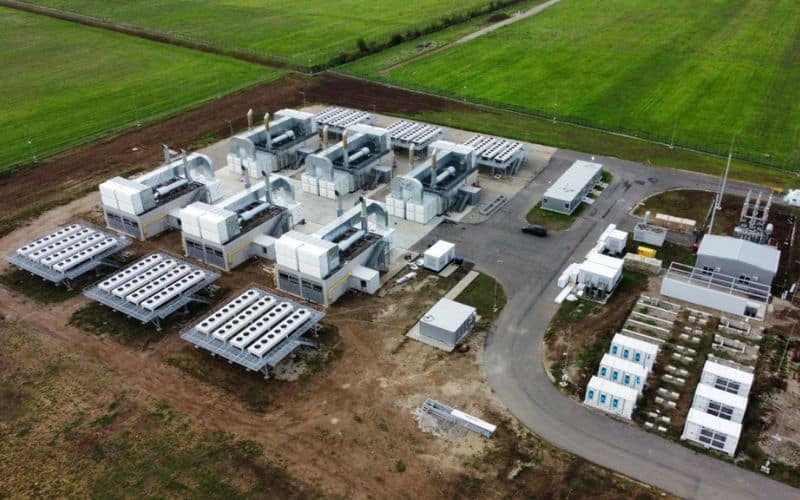
The New Reality of Hybrid Microgrid Controls for Data Centers
Hybrid microgrids are replacing traditional generator‑plus‑UPS models as data centers face AI-driven volatility and grid constraints. This article explains how modern microgrid controls work, why decentralised systems are more resilient, and how Clarke Energy deploys...
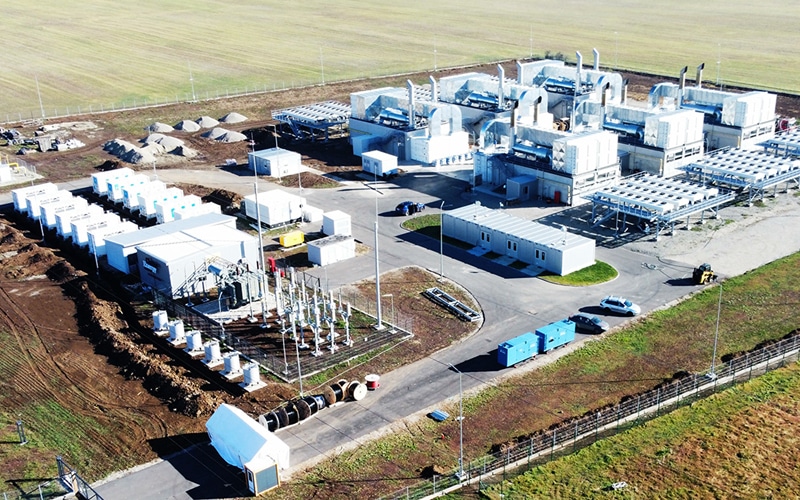
Enhancing Grid Resilience and Flexibility with Expansion of Hybrid Energy System in Romania
Pioneering project as one the first in Romania to hybridise battery energy storage in parallel with high-efficiency gas engines.

Decarbonising Data Centres: Energy Resilience in Critical Power Settings
We are committed to delivering resilience in sustainable energy solutions that ensure uninterrupted operations for data centres.
Frequently Asked Questions about Microgrids
Technical and Engineering
What is a microgrid and how does it function in energy systems?
A microgrid is a decentralised, self-contained energy system that can combine multiple generation sources—such as solar, wind, gas engines, and battery storage—with load management and smart controls. It can operate in parallel with the national grid or independently in “island mode” to provide local energy security.
How does a microgrid enhance energy resilience during outages?
Microgrids are designed to disconnect from the main grid in the event of failures or disturbances. During outages, they continue to supply power to critical loads using local generation and storage, maintaining operations in hospitals, data centres, industrial plants, or remote areas.
How do microgrids manage and optimise renewable energy sources?
Advanced microgrid control systems use real-time data to balance intermittent renewable inputs like solar and wind with dispatchable sources such as gas engines. Energy storage systems smooth fluctuations, allowing the system to maximise renewable penetration while maintaining power quality.
What does “island mode” mean in microgrid operation?
Island mode refers to a microgrid's ability to operate independently from the main grid. This mode is crucial for maintaining critical power supply during grid faults or in isolated areas with limited grid access. Systems must include control and protection features to ensure stable, standalone operation.
Financial and Commercial
How do microgrids reduce energy costs for businesses or communities?
Microgrids help users lower costs by generating power on-site, reducing reliance on grid energy during peak price periods. Intelligent load management, energy arbitrage, and demand forecasting further optimise consumption and improve economic returns.
Are financial incentives or funding available for microgrid projects?
Many governments and energy regulators offer funding schemes, tax credits, or feed-in tariffs to support the adoption of microgrids, especially those integrating renewables or improving grid resilience. Clarke Energy can assist in identifying relevant local incentives during project development.
Can microgrids generate additional revenue through grid services?
Yes, microgrids can participate in demand-side response programmes or provide ancillary services such as frequency regulation, capacity support, and voltage control. These activities help stabilise the grid while offering financial returns to microgrid owners.
Environmental and Sustainability
How do microgrids contribute to decarbonisation and lower emissions?
Microgrids reduce emissions by maximising the use of clean, renewable energy and optimising system efficiency. By generating electricity closer to the point of use, they also avoid transmission losses associated with centralised grids.
Can a microgrid run entirely on renewable energy sources?
Yes, microgrids can operate using 100% renewables if properly designed with sufficient generation capacity and energy storage. Hybrid microgrids often include gas engines for backup or dispatchable power when renewable input is low.
Are microgrids aligned with corporate and national net-zero goals?
Absolutely. Microgrids support the transition to low-carbon energy systems by integrating renewables, improving efficiency, and enhancing energy autonomy. They’re a strategic asset for organisations committed to decarbonisation and energy resilience.
Operational and Implementation
What is the typical timeline for implementing a microgrid project?
Implementation times can vary depending on the system’s complexity, permitting, and site conditions. A standard microgrid project may take between 6 to 18 months from feasibility assessment to commissioning.
What types of operational support are provided for microgrids?
Clarke Energy provides end-to-end support, including system design, installation, commissioning, remote monitoring (e.g. via myPlant®), and full operation and maintenance (O&M) services. This ensures long-term performance and system availability.
Can a microgrid be scaled or upgraded after initial installation?
Yes, microgrids are modular by nature. They can be expanded to incorporate additional generation, storage, or load as energy demand grows or new technologies become viable, allowing future-proof flexibility.
Ready to take the next step with Microgrids?
Clarke Energy’s regional experts can provide the insight and support you need to evaluate options and achieve the right energy solution for your business.