

Carbon Capture
Supporting emissions reduction from decentralised energy systems including pre-combustion carbon capture from biogas upgrading facilities and post combustion carbon capture from gas engines.
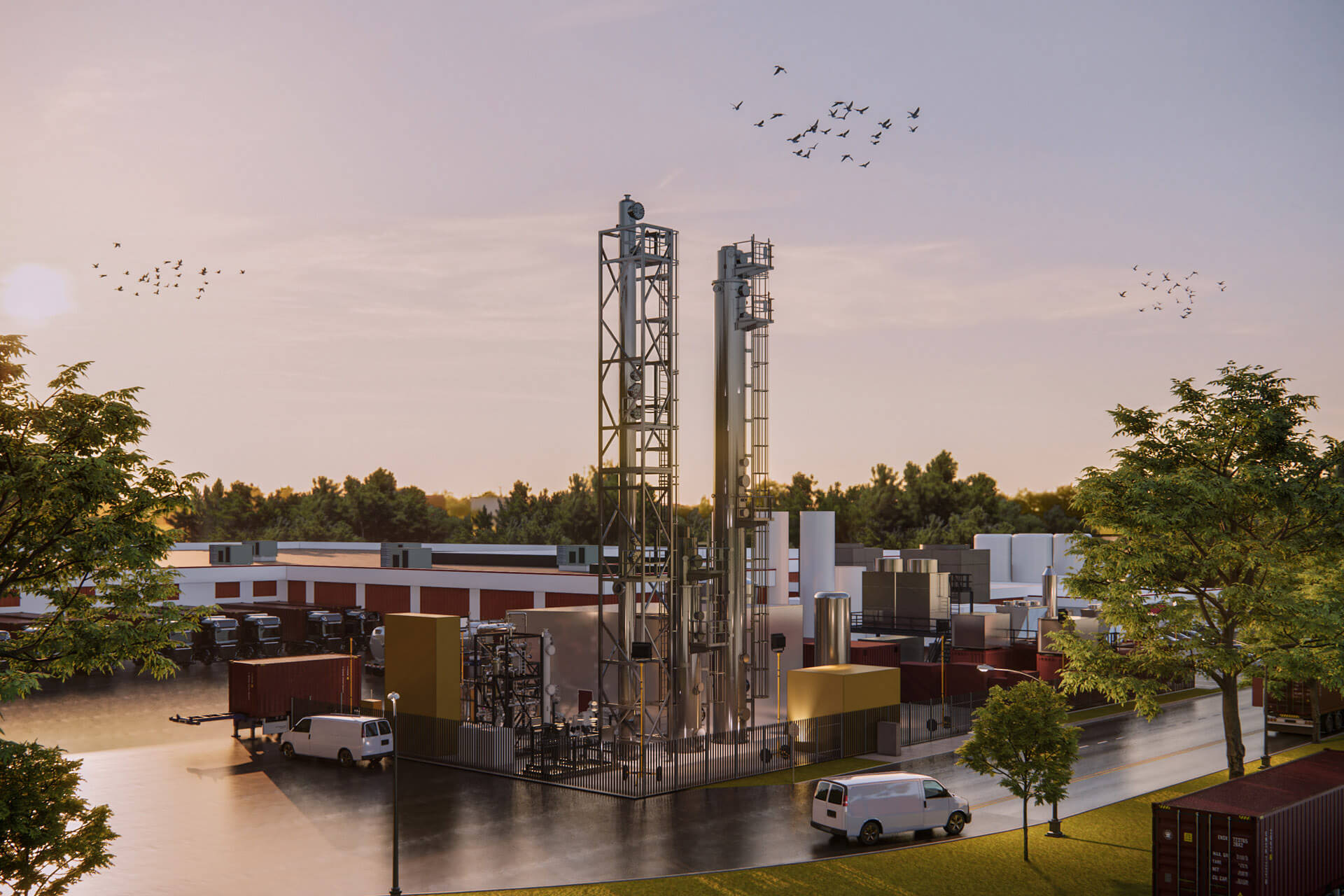
What is Decentralised Carbon Capture?
Sustainability Benefits of CCUS
Carbon Utilisation
Recovered CO₂ can be reused in agriculture, beverages, food manufacture, fuels, or materials.

Supporting Net-Zero
Helps reduce direct (Scope 1) and indirect (Scope 2) emissions in hard-to-decarbonise sectors.

Renewable Gas Integration
Enhances efficiency and lifecycle emissions savings when paired with biogas or hydrogen systems.
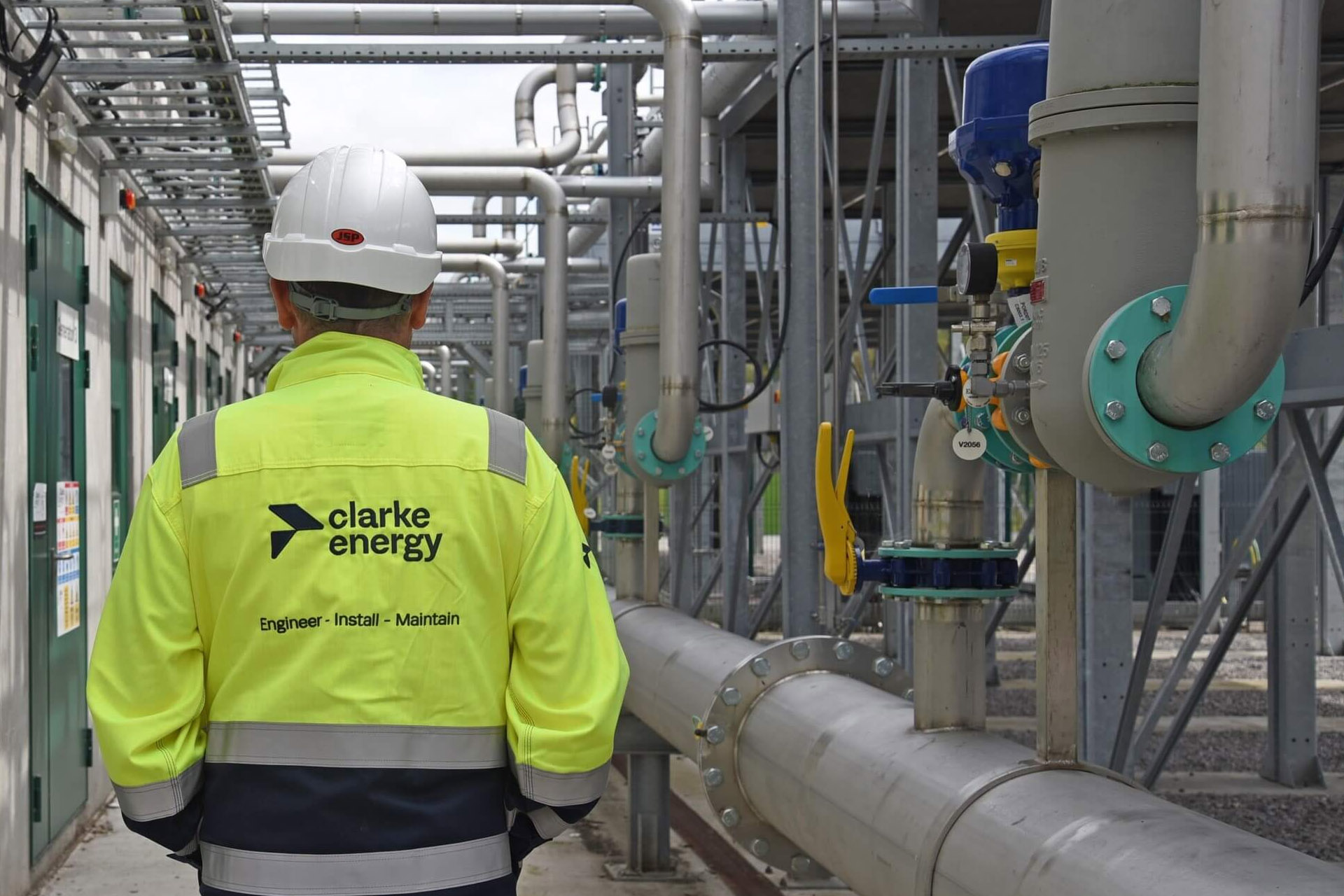
Why Clarke Energy for Decentralised Carbon Capture?
Proven Power Platform
Gas engines offer favourable exhaust conditions for efficient post-combustion CO₂ capture.
Carbon Capture-Ready Configurations
Engineered to support CO₂ capture interfaces, heat recovery, and downstream utilisation.
Circular Carbon Utilisation
Enables use of reclaimed CO₂ in greenhouses, beverage carbonation, food manufacture, fuel synthesis and more.
Biogas Upgrading Integration
Captures CO₂ separated during biomethane production for reuse or sale.
Turnkey Delivery
Design, supply and integration of compressors, pipelines, liquefaction units, and storage solutions.
Net-Zero Alignment
Supports carbon reduction strategies and environmental compliance across power, industry and waste sectors.
Discover More
CO₂ Capture from Gas Engines
CO₂ Recovery from Biogas Upgrading
Compression, Liquefaction and Transport
Applications for Reuse
CO₂ Capture from Gas Engines
Jenbacher engines produce high-temperature, low-particulate exhaust that makes them ideal for post-combustion CO₂ capture using chemical solvents or membranes.
CO₂ Recovery from Biogas Upgrading
During biomethane production, CO₂ is separated from methane. It can be captured and purified for use in food and drink, agriculture, or fuel production.
Compression, Liquefaction and Transport
Clarke Energy provides system integration for CO₂ compression, liquefaction, road transport, and pipeline delivery to storage or industrial sites.
Applications for Reuse
Captured CO₂ can be reused in greenhouses, beverage carbonation, fuel synthesis, or in the production of construction materials like concrete additives.
Applications

Anaerobic Digestion

Wastewater

Agriculture

Manufacturing

Utilities

Greenhouses

Oil and Gas

Hydrogen Production

Independent Power Producers
Comprehensive Project Development Support
Project Engineering
Electrical and mechanical engineering along with a dedicated team of computer aided design staff.
Project Management
Comprehensive project management service for the installation of your generation projects.
Project Feasibility
Feasibility studies offered for a range of services to assess the viability of your energy projects.
Engineering, Procurement and Construction
Comprehensive EPC services complimenting the supply and maintenance power generation equipment.
Latest Carbon Capture News
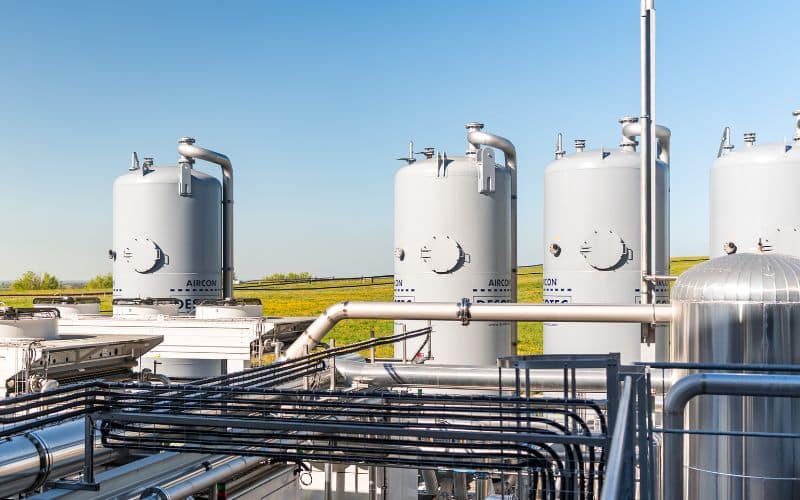
Capturing Carbon: Pre- and Post-Combustion CO₂ Recovery in Distributed Energy
by Alex Marshall, Group Business Development and Marketing Director, Clarke Energy The global energy transition isn’t just about switching fuels – it’s about managing carbon. While renewable power is accelerating, many industries, data centers, and...
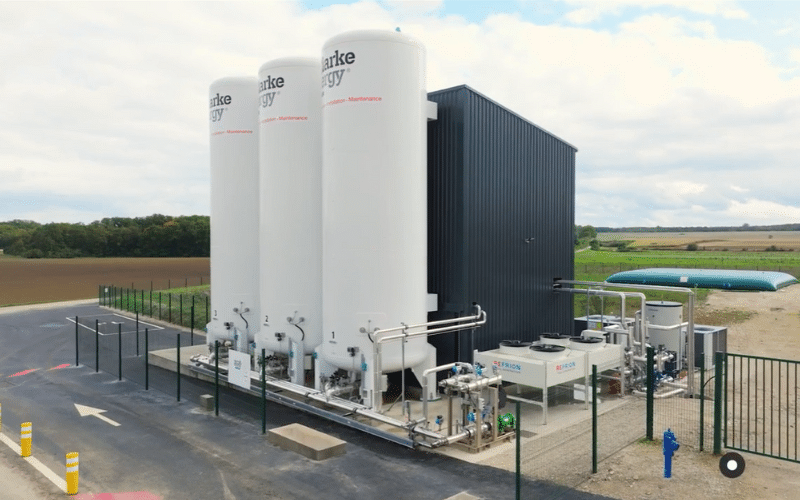
Inauguration of the Biogenic CO2 Recovery Project at Méthatoul, France
On September 26th 2024, the biogenic CO2 recovery and valorisation project of SAS Méthatoul was inaugurated, with nearly 300 people in attendance.
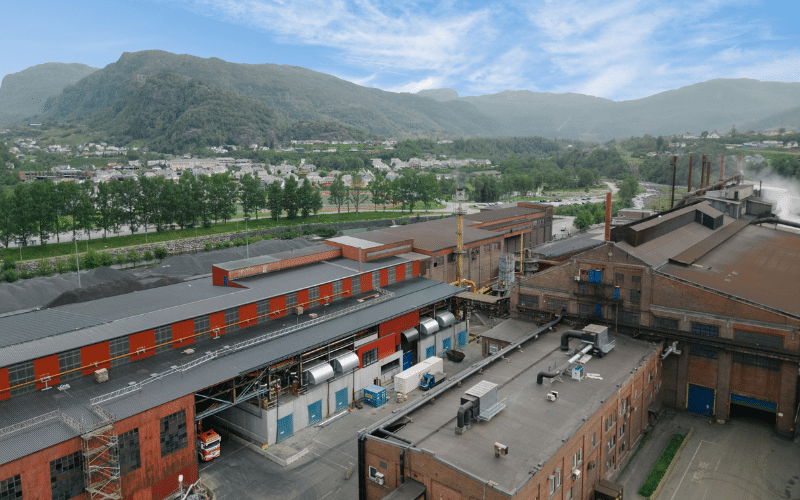
Sustainable Furnace Gas Recovery Near Completion for Eramet Norway
Six INNIO Jenbacher engines at Eramet’s Sauda plant are set for commissioning, concluding the €32M energy recovery project by year’s end.
Frequently Asked Questions about Carbon Capture
Technical and Engineering
What is carbon capture, utilisation and storage (CCUS)?
CCUS is a process that captures carbon dioxide emissions from industrial or energy processes, allowing the CO₂ to be reused or permanently stored to reduce atmospheric emissions.
Can CO₂ be captured directly from gas engine exhaust?
Yes – Clarke Energy’s gas engines produce high-temperature exhaust suitable for post-combustion CO₂ capture using solvent or membrane technologies.
How is CO₂ recovered during biogas upgrading?
In biogas upgrading, CO₂ is separated from methane and can be captured, purified, and compressed for reuse in industrial or agricultural applications.
What carbon capture systems can be used for decentralised energy?
In decentralised energy systems such as gas engines and biogas upgrading facilities, a range of systems can be used to enrich or recover CO2 including catalysts, amine-wash, membranes and advanced mineralisation technologies.
Financial and Commercial
Can captured CO₂ be sold or used to generate revenue?
Yes – reclaimed CO₂ can be sold for use in greenhouses, food and beverage carbonation, or as a feedstock in synthetic fuel or material production.
Is there funding available for carbon capture deployment in the UK, US and Europe?
Yes – Carbon capture may be eligible for various national, US and EU decarbonisation schemes, grants, and carbon credit programmes depending on the sector and project type.
What is the return on investment for carbon capture in industrial facilities?
ROI depends on capture volume, reuse potential, regulatory incentives, and energy integration. Sites with heat or gas recovery benefit from stronger economics.
Environmental and Sustainability
How does carbon capture contribute to achieving net-zero targets?
Depending upon the end use of the carbon dioxide, carbon capture can reduces Scope 1 and Scope 2 emissions by capturing CO₂ from power or industrial processes for reuse or sale to other industries, supporting regulatory compliance and ESG reporting.
Can carbon capture be used alongside renewable fuels like biogas or hydrogen?
Yes – Carbon capture enhances circularity and carbon savings when integrated with renewable gas projects, reducing lifecycle emissions even further, depending upon the end use of the carbon, can net reduce carbon dioxide in the atmosphere.
What sustainability benefits does CO₂ reuse offer over permanent storage?
CO₂ reuse supports circular economy strategies by turning emissions into feedstocks for fuels, fertilisers, carbonation, or building materials.
Operational and Implementation
What industries commonly implement decentralised carbon capture solutions?
Carbon capture is used in power generation, biogas upgrading, cement, food and beverage, chemicals, and agriculture (greenhouses).
What infrastructure is required to store or transport captured CO₂?
Infrastructure may include compressors, pipelines, liquefaction units, and storage tanks depending on scale and reuse destination.
What support does Clarke Energy provide for carbon capture integration?
Clarke Energy delivers full EPC support for decentralised carbon capture projects, including design, permitting support, integration, commissioning and lifecycle maintenance.
Looking for a Reliable, Efficient, and Low-Carbon Energy Solution?
Clarke Energy’s regional experts can provide the insight and support you need to evaluate options and achieve the right energy solution for your business.