

Carbon Capture and Utilisation (CCU)
Capture CO₂ from power generation and biogas upgrading to reduce emissions, meet climate targets, and create new revenue streams.
Overview
As industries face increasing pressure to reduce greenhouse gas emissions, carbon capture and utilisation (CCU) is emerging as a important option for decarbonisation. Clarke Energy delivers modular, scalable CCU solutions that integrate seamlessly with distributed power systems, CHP plants, and biogas upgrading facilities.
By capturing CO₂ from pre-combustion (biogas upgrading) and post-combustion (gas engine exhaust) processes, we help customers:
• Cut carbon intensity and meet net-zero commitments
• Comply with tightening emissions regulations
• Generate new revenue streams through CO₂ reuse
• Enhance sustainability credentials in ESG reporting
Our CCU technologies align with circular economy principles, ensuring that carbon emissions are not just reduced but repurposed into valuable products.
Pre-Combustion Capture: Biogas Upgrading
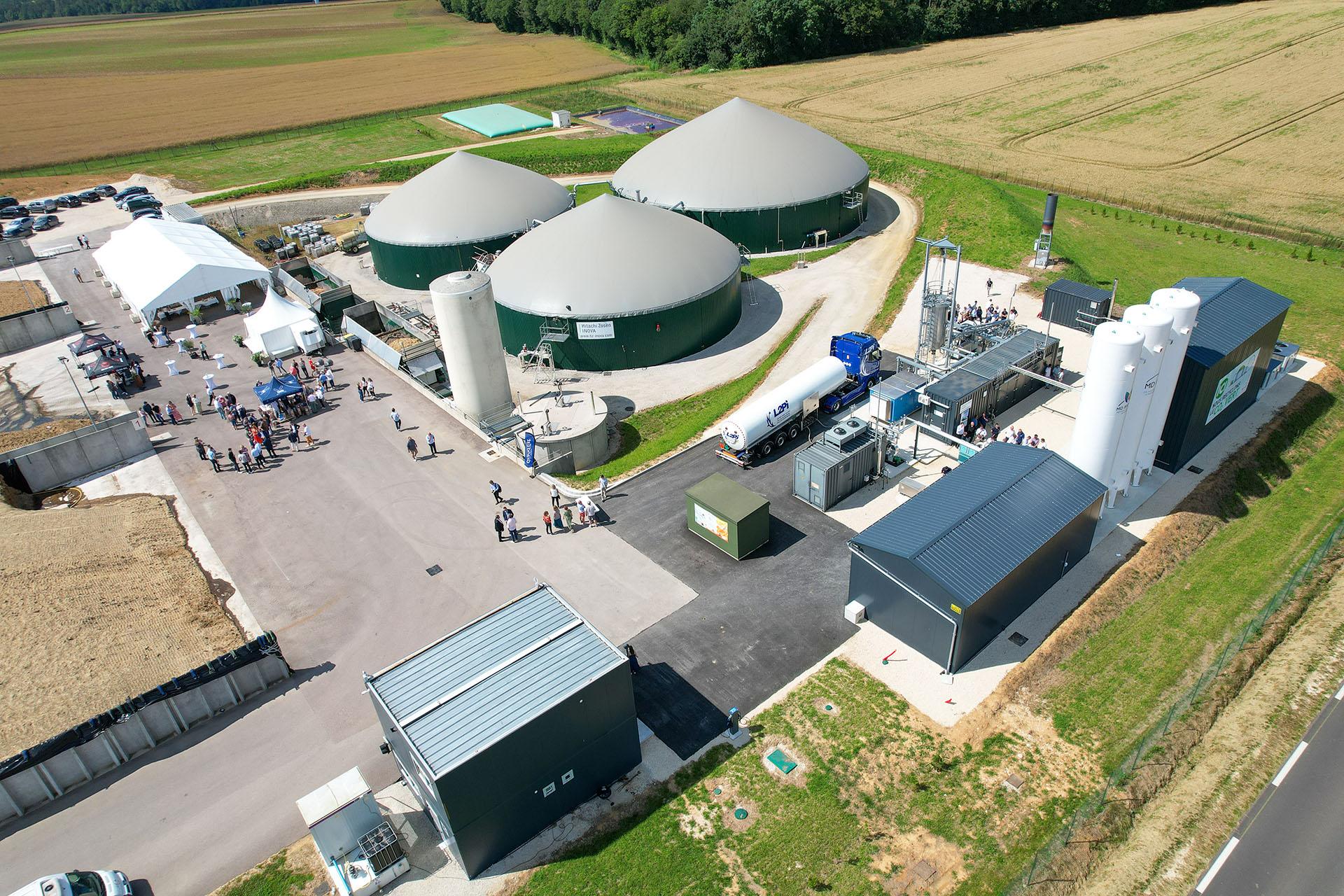
When biogas is upgraded to biomethane, CO₂ is naturally separated from methane. Clarke Energy’s systems capture this CO₂ for reuse in food-grade applications, greenhouse enrichment, or industrial processes.
• Example: At the MD Biogaz facility in France, Clarke Energy supplied technology recovers up to 4,000 tonnes of biogenic CO₂ annually. This is equivalent to removing over 850 cars from the road each year.
• Commercial benefit: Biogenic CO₂ can be sold to beverage companies, horticulture businesses, or for industrial uses, converting a waste stream into a profitable resource.
Post-Combustion Capture: Gas Engines and CHP
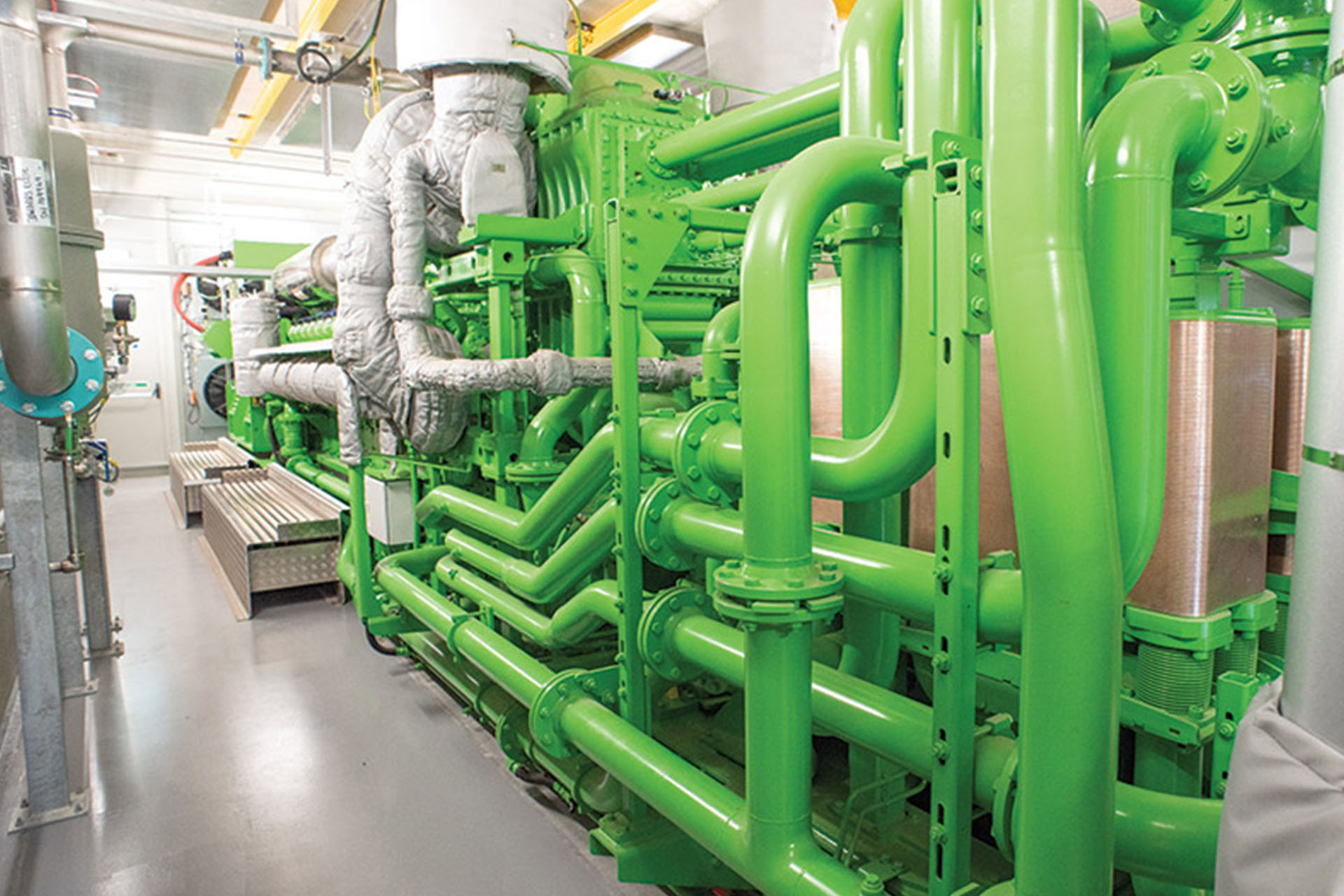
Our post-combustion capture solutions target stationary sources such as gas engines used in CHP and microgrid applications. These systems:
• Operate effectively at low CO₂ concentrations and high exhaust temperatures
• Use amine wash, catalytic absorption, or advanced membrane technologies
• Capture CO₂ for reuse or permanent storage
When paired with renewable gas fuels (biomethane or hydrogen blends), post-combustion capture can enable net-zero or even carbon-negative power generation.
Carbon Reuse Applications
CCU Integrated with Distributed Energy Systems
Carbon Reuse Applications
Captured CO₂ can be used in:
• Food & Beverage – Carbonation for soft drinks and beer
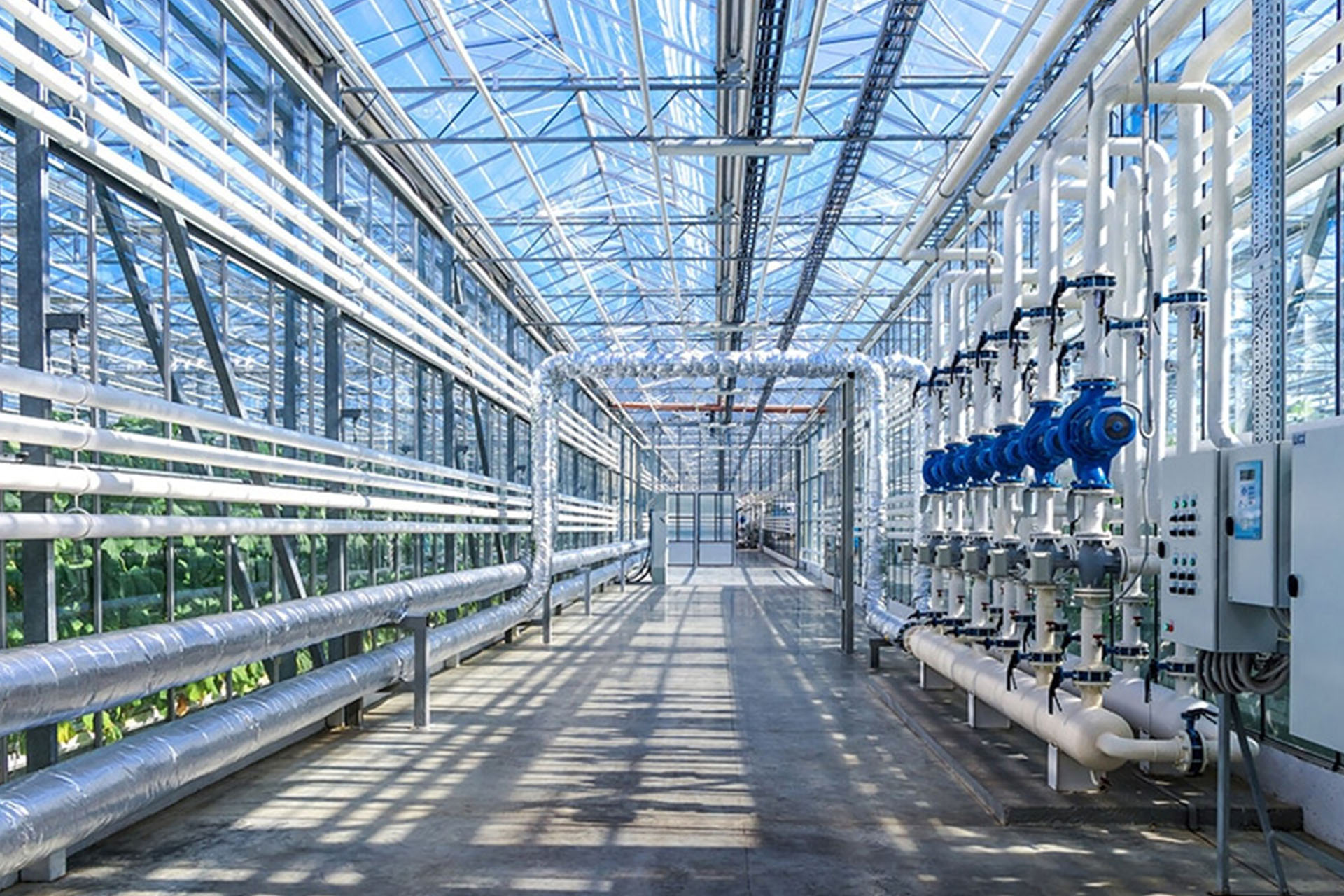
• Agriculture – Greenhouse air enrichment to boost crop yields
• Industrial Products – Conversion to calcium carbonate, polymers, or synthetic fuels
• Dry Ice Production – For cold chain logistics and industrial cleaning
By closing the carbon loop, Clarke Energy supports industrial decarbonisation without compromising energy performance or reliability.
CCU Integrated with Distributed Energy Systems
Unlike centralised carbon capture facilities, Clarke Energy’s approach integrates CCU into decentralised generation assets, such as:
• Island-mode CHP plants for industrial parks or hospitals
• Methane-fuelled (natural gas or RNG) power plants for data centres
• Microgrids with CHP, BESS, and renewables
This integration maximises the value of local energy assets, ensuring both resilience and decarbonisation.
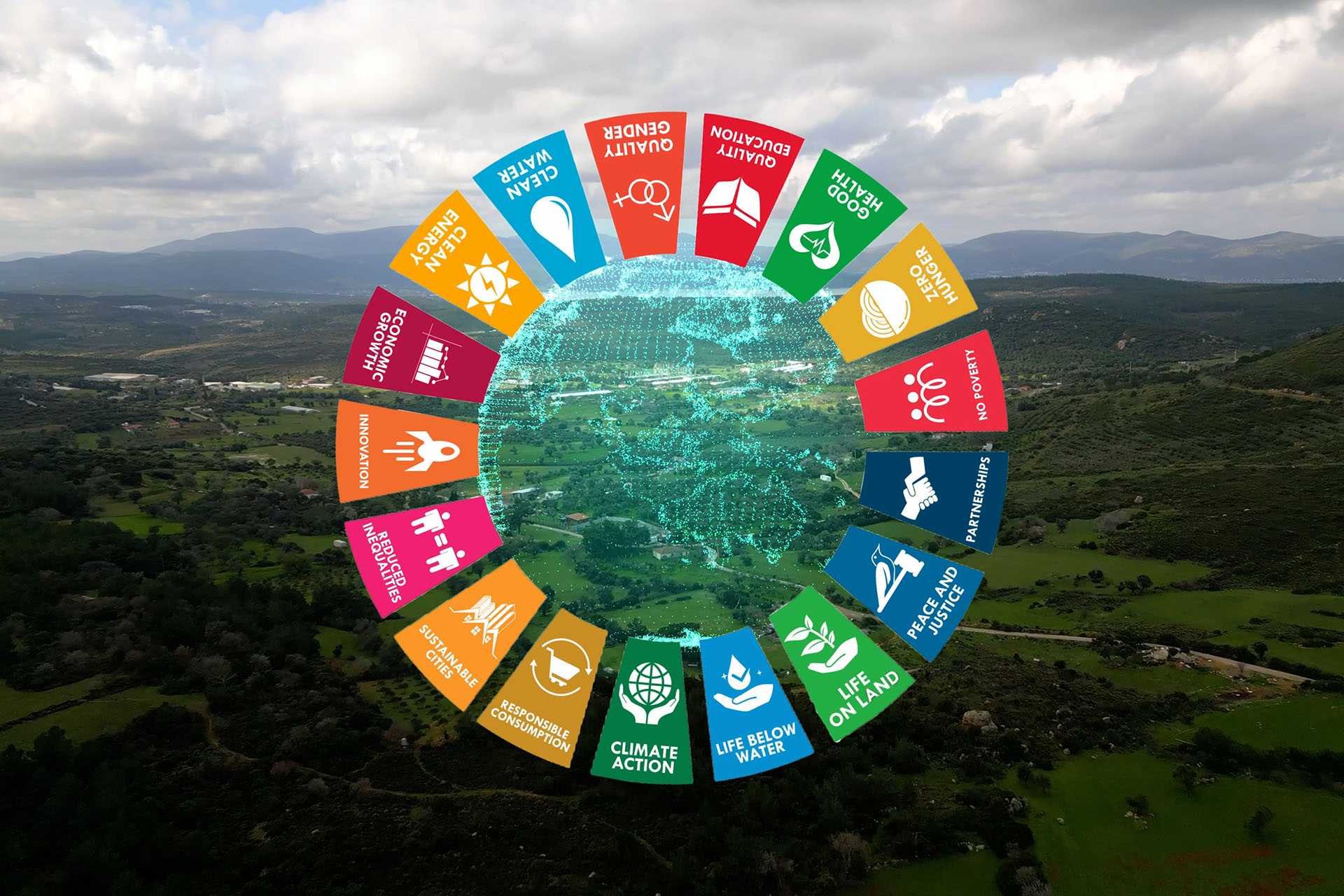
Carbon Capture and the UN Sustainable Development Goals
Clarke Energy’s CCU projects align with global sustainability objectives, contributing to several United Nations Sustainable Development Goals (UN SDGs):
• SDG 7 – Affordable and Clean Energy
Integration of CCU into CHP and hybrid systems makes low-carbon energy more accessible and sustainable.
• SDG 9 – Industry, Innovation and Infrastructure
Deployment of cutting-edge CCU technologies modernises infrastructure while supporting industrial competitiveness.
• SDG 12 – Responsible Consumption and Production
CO₂ reuse supports the circular economy, reducing waste and resource depletion.
• SDG 13 – Climate Action
CCU directly reduces greenhouse gas emissions and enables carbon-negative potential when applied to biogenic sources.
• SDG 17 – Partnerships for the Goals
Clarke Energy works with technology partners, industrial operators, and policymakers to accelerate CCU adoption globally.
Our CCU solutions ensure that investments in energy resilience also deliver measurable climate and sustainability benefits.
Frequently Asked Questions about Carbon Capture and Utilisation
What is carbon capture and utilisation (CCU)?
The process of capturing CO₂ emissions from power generation or industrial processes and reusing them in commercial or industrial applications.
Can Clarke Energy integrate CCU into existing plants?
Yes. Our modular systems can be retrofitted to gas engine plants, CHP facilities, and biogas upgrading units.
What is biogenic CO₂ and why is it important?
Biogenic CO₂ comes from renewable organic sources, such as biogas, and is considered part of the natural carbon cycle—making it a sustainable alternative to fossil CO₂.
How much CO₂ can be captured in a typical project?
Depending on system size, Clarke Energy’s solutions can recover from hundreds to thousands of tonnes of CO₂ annually, turning emissions into a revenue stream.
Can CCU help achieve net-zero goals?
Yes. When combined with renewable fuels and energy efficiency measures, CCU can enable net-zero and even carbon-negative operations.
Where does Clarke Energy capture CO₂?
From biogas upgrading systems and post-combustion processes from gas engines.
How is captured CO₂ reused?
In food and beverage, air enrichment for greenhouses, mineralized, or converted into industrial products.
Power Your Sustainability Journey with Energy Resilience
Our experts can advise on resilient power solutions that enhance operational reliability and ESG assurance.