
By Alex Marshall, Clarke Energy
Data centers across the United States are entering a period of rapid change. AI demand, tightening grid capacity, and pressure for higher resilience are pushing operators toward large onsite power systems. Gas engines, whether used for prime power, bridging power, or part of a wider microgrid, are increasingly becoming part of the design conversation.
One topic, however, receives far less attention than it should: maintenance.
In an environment where uptime underpins both business continuity and compute availability, the way an engine is maintained often matters just as much as the engine itself. A well-maintained plant delivers stability, predictable performance, and long-term asset value. A poorly maintained one exposes operators to unplanned outages, rising fuel use, and higher emissions. Clarke Energy has learned this firsthand through decades of maintaining gas engine fleets around the world, often in places where downtime is simply not an option.
Experience From Around the World: Lessons for U.S. Operators
Many of the operational challenges now appearing in the U.S. data center market have already been solved elsewhere. Those lessons translate directly to American campuses.
Remote and Harsh Conditions: What Australia Teaches Us
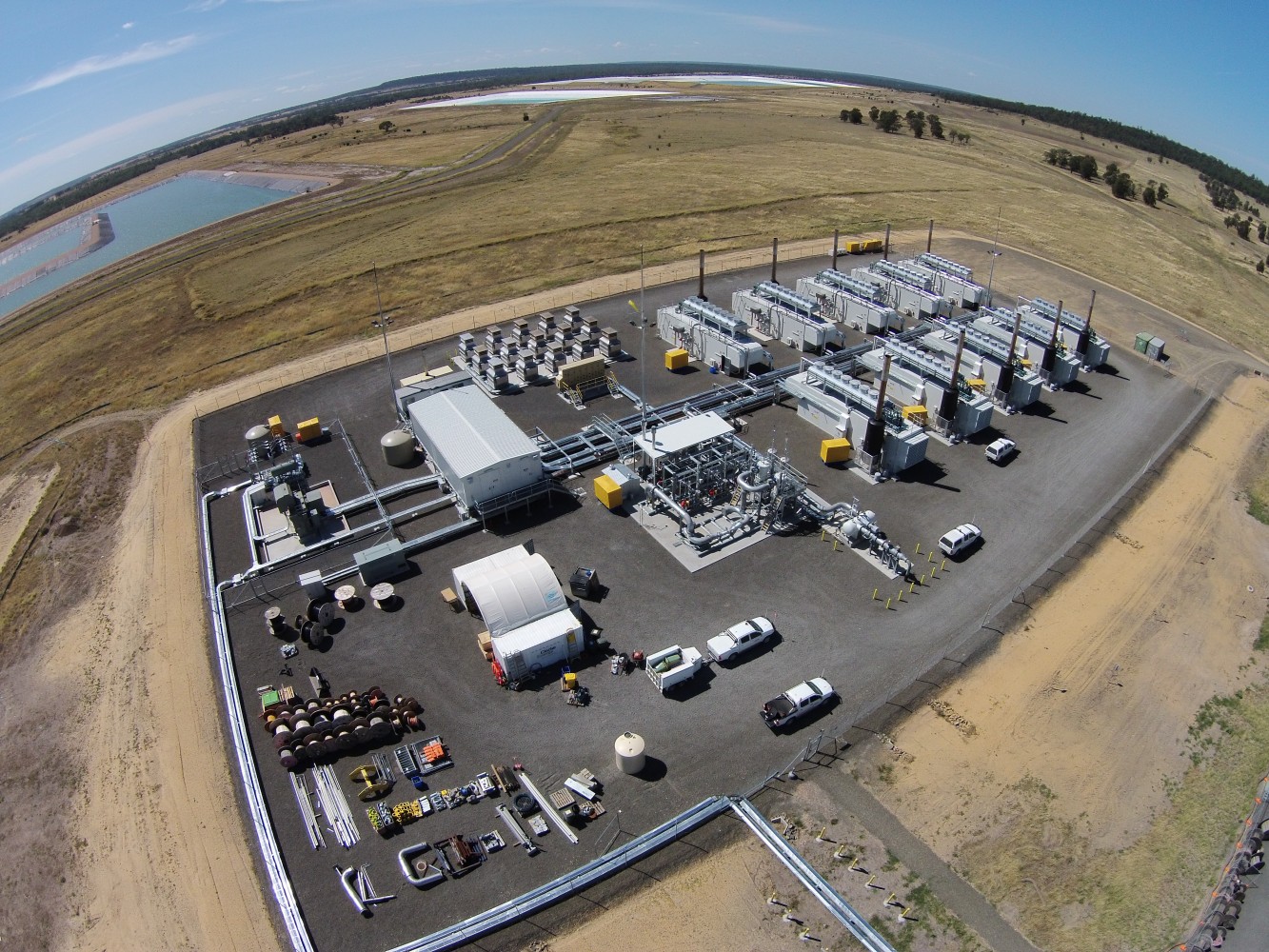
In Australia, Clarke Energy supports remote mining and energy operations where engines run continuously in high heat, dust, and vast distances from major towns. Keeping these sites online requires careful planning: strong logistics, preventative maintenance, access to spare parts, and remote monitoring so issues are caught early. The U.S. has its own remote and fast-growing data center regions, and the same principles apply. Operators in these locations benefit from the methods developed in Australia to deliver reliability far from major infrastructure.
Flexible, High-Cycling Operation: The UK Peaking Market
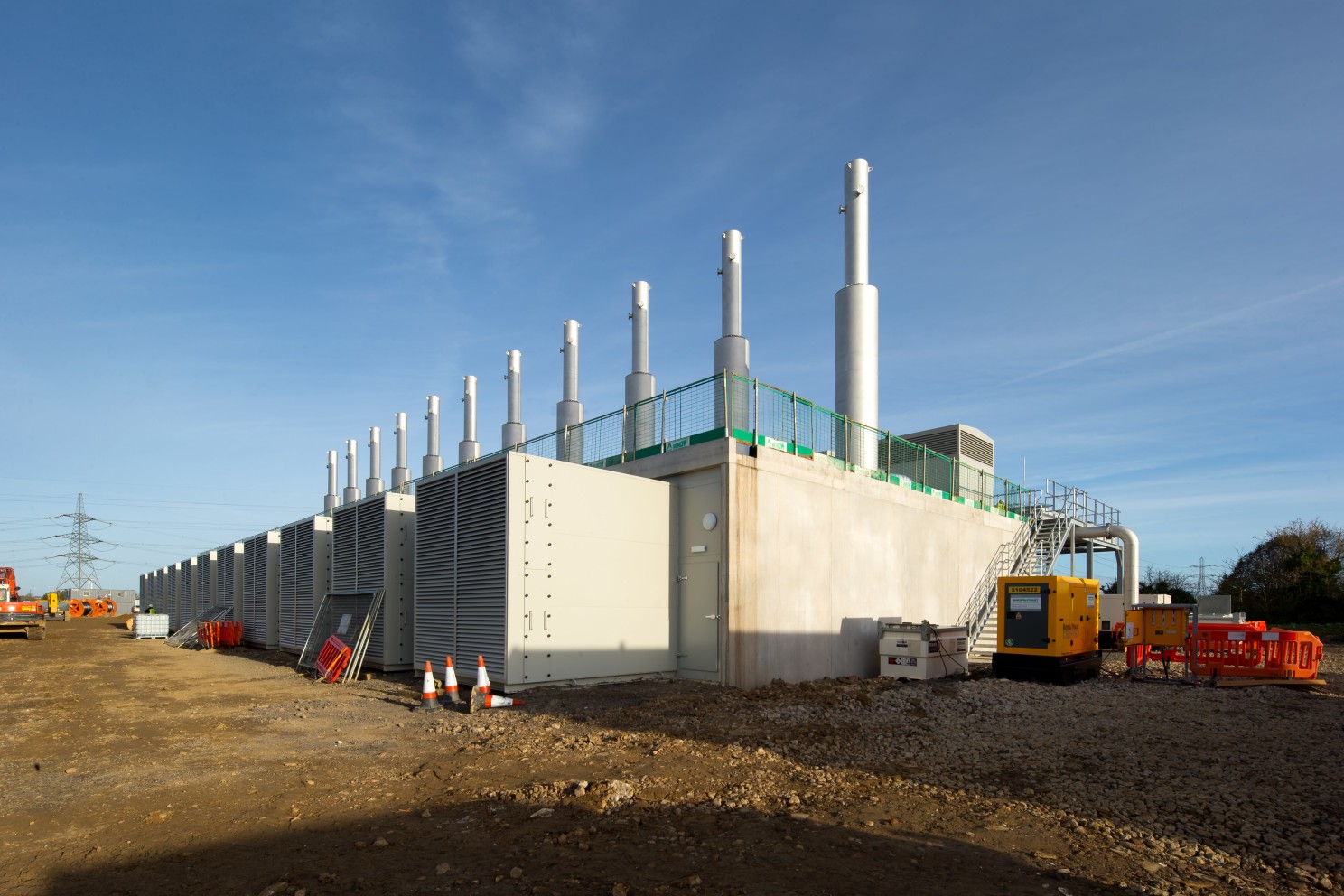
The UK’s gas-peaking sector is another valuable reference point. Engines there start and stop frequently to respond to changes in renewable generation and grid behavior. Clarke Energy maintains over a gigawatt of such capacity and has developed maintenance plans suited to heavy cycling, rapid ramping, and fluctuating thermal loads.
These conditions now resemble what AI-driven data centers are facing. As workloads become more variable and microgrids interact with the wider grid, engine operation is no longer steady or predictable. Maintenance strategies built for cycling and load variation become essential.
A Global Fleet and a Practical Mindset
Across more than 10 GW of installed capacity worldwide, Clarke Energy has worked with almost every operating profile imaginable: continuous cogeneration, biogas plants, flexible peaking facilities, hybrid microgrids, and export-limited sites. This range has shaped a practical, engineering-led approach. The focus is always the same: ensure the engine is available when the customer needs it.
Maintenance as a Resilience Strategy
In the past, maintenance was often viewed as a contractual add-on. That is changing. As more data centers operate engines for long periods, or use them as part of a hybrid system with batteries and renewables, maintenance becomes central to the whole power strategy.
Effective maintenance influences:
- availability and uptime
- fuel efficiency
- emissions compliance
- component life
- overall operating cost
- the ability to support variable computing loads
For data centers, this makes maintenance part of the infrastructure design, not a post-purchase consideration.
How Clarke Energy Supports U.S. Data Center Operators
U.S. operators want predictable performance and a partner who understands how engines behave outside of controlled test conditions. Clarke Energy’s approach is shaped by real-world experience across multiple continents.
Maintenance aligned with flexible, AI-driven loads
Using insight gained from the UK’s cycling plants, Clarke Energy adapts maintenance schedules to match how engines are actually used. This helps manage stress from rapid starts, temperature swings, and fluctuating loads.
A practical playbook for demanding operations
Instead of relying on fixed service intervals, maintenance plans are shaped by the engine’s duty cycle, thermal history, and wear patterns. This reduces avoidable downtime and helps operators plan ahead.
Predictive insight from global telemetry
Years of engine data help technicians spot early signs of performance drift or component wear. This allows problems to be addressed before they affect availability.
Remote monitoring modeled on proven O&M experience
Around-the-clock monitoring helps identify issues early and reduces the risk of unexpected outages. This approach has been refined through years of supporting remote Australian operations.
Support for modern microgrids
As data centers combine gas engines with battery storage and, increasingly, solar, Clarke Energy can help maintain the entire system as a single plant rather than a set of isolated assets.
Built-in resilience through thoughtful maintenance planning
Availability is not only about having extra engines. It includes the ability to schedule work intelligently, keep critical spares on hand, and manage the plant through extreme conditions.
Embedded onsite expertise for large campuses
For major U.S. projects, Clarke Energy can provide embedded technicians who work as part of the site team, giving operators fast response and consistency.
The Three Pillars of Gas Engine Maintenance
Across all these activities, Clarke Energy’s model rests on three essential foundations: skilled labor, high-quality spare parts, and the right lubricating oil strategy.
1. Skilled labor
Technicians trained on real-world, high-demand sites can interpret engine behavior in ways that cannot be learned from manuals alone. Whether dealing with heavy cycling, high temperatures, or variable loads, experienced technicians make the decisions that keep engines running reliably. Their role is to understand what the engine is telling them and act before small issues turn into outages.
2. Spare parts where and when they are needed
Availability depends on having the right components ready. Clarke Energy combines global supply-chain reach with regional stocking and data-driven forecasting. This approach was built for remote and cycling-intensive sites and now directly benefits U.S. campuses. Having the correct parts, at OEM quality, reduces downtime and keeps maintenance predictable.
3. A lubricating oil strategy matched to the operating profile
Lubricating oil directly influences component life and emissions stability. Clarke Energy uses oil strategies based on load pattern, fuel type, and operating conditions. Regular oil analysis helps identify early signs of wear, allowing maintenance to be proactive rather than reactive. For engines supporting AI and variable workloads, this becomes a vital indicator of long-term health.
Bringing It All Together
What makes this approach effective is not any single element, but how the pieces work together. Skilled technicians, access to the right parts, and a thoughtful oil strategy are supported by predictive tools, remote monitoring, and experience from some of the most challenging engine environments in the world.
For U.S. data centers pursuing resilience, this provides more than a service offering. It provides a maintenance philosophy built around real-world experience and shaped by the understanding that availability is earned every day.
A Final Thought
As AI continues to grow, the demands placed on data center power systems will become more complex. The technology deployed will matter, but the discipline behind keeping it running will matter even more. Clarke Energy’s long history of supporting engines in harsh, isolated, and highly flexible operating environments offers a level of practical insight that aligns well with the needs of the next generation of U.S. data centers.
High availability is not a slogan. It is a habit — built through experience, discipline, and the right maintenance strategy.