

Ceramics, Bricks and Tiles
Reliable, efficient, and low-carbon energy for continuous ceramic and clay manufacturing.
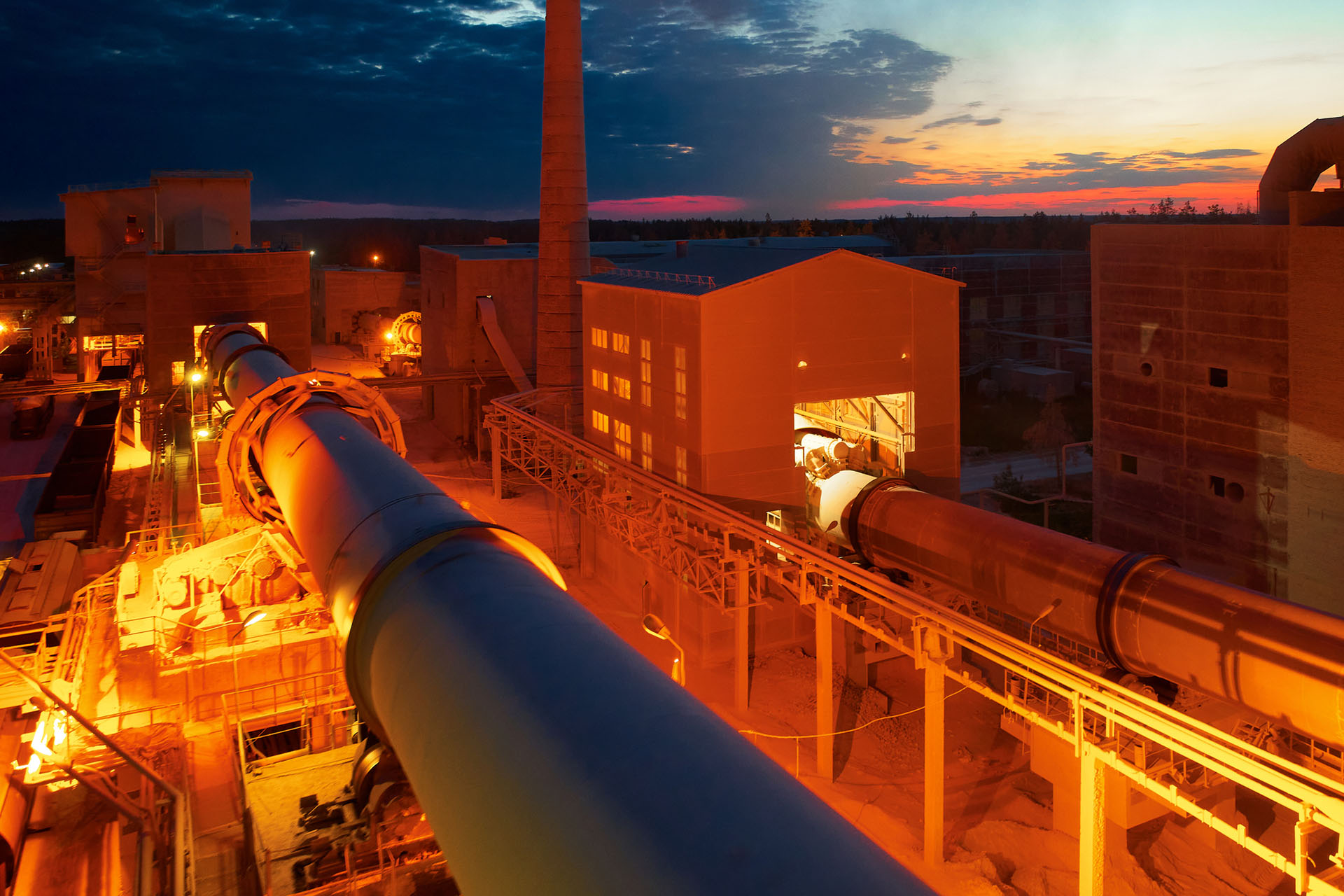
About the Ceramics, Bricks and Tiles Industry
The ceramics, bricks, and tiles industry forms a cornerstone of global construction and materials manufacturing. From structural bricks and roof tiles to sanitaryware and decorative ceramics, these products are essential to modern infrastructure and architectural design. Production is highly energy-intensive, relying on controlled high-temperature processes for firing, glazing, and drying that require constant heat and power throughout the day.
Energy typically accounts for a significant portion of operating costs, with kilns and dryers representing the largest energy consumers. Maintaining stable temperatures and airflow is vital to achieving product strength, colour consistency, and dimensional accuracy. Even minor energy fluctuations can result in product damage such as cracking, warping, or incomplete firing, leading to expensive waste and downtime.
At the same time, manufacturers face increasing pressure to reduce carbon emissions and improve energy efficiency. Combined hat and power (CHP) offers a proven solution by providing reliable onsite generation of both electricity and heat, capturing energy that would otherwise be wasted. When integrated into microgrids, CHP systems allow plants to optimise production schedules, stabilise operations, and support sustainability targets while maintaining the precision and quality that define ceramic manufacturing.
Energy Resilience in Ceramic Production
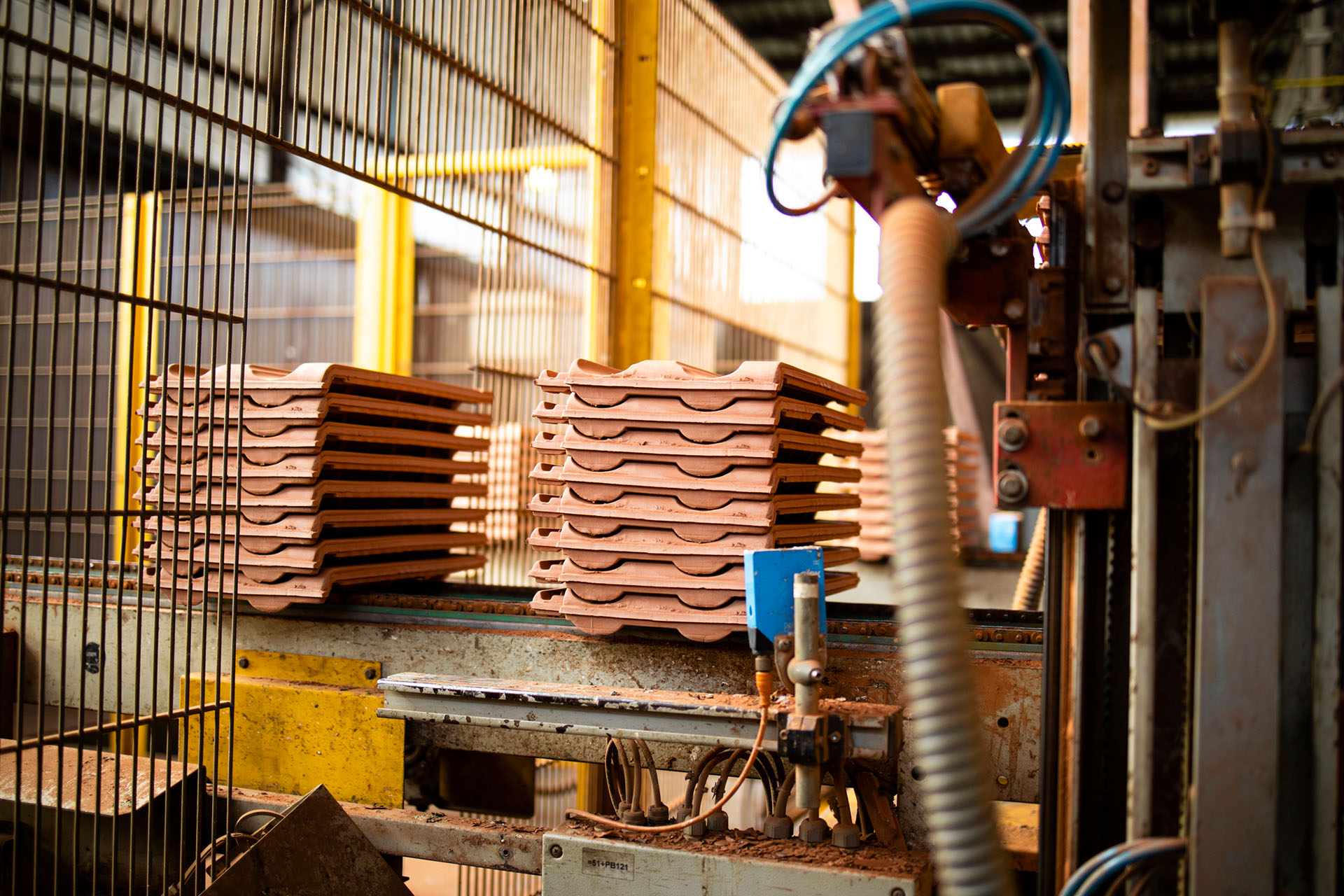
Maintaining continuous operation is critical in ceramics manufacturing, where kilns and dryers must operate with precise heat control. CHP ensures stable onsite power and thermal energy, protecting sensitive processes from voltage dips or power interruptions.
When connected to a microgrid, the system can operate in island mode during outages and optimise output to match kiln cycles or production shifts. This resilience not only safeguards throughput and quality but also improves overall energy efficiency and cost predictability across the manufacturing process.
Discover More
Combined Heat and Power (CHP)
Microgrids and Hybrid Energy Systems
Combined Heat and Power (CHP)
CHP systems simultaneously generate electricity and recover waste heat from the engine’s exhaust and cooling systems. The recovered energy is used to pre-heat combustion air or drying air, provide hot water for space and process heating, and support low-temperature drying stages. Some facilities employ direct drying with exhaust, routing clean exhaust air straight into tunnel or spray dryers for maximum energy recovery. This approach can achieve overall efficiencies above 85%, lowering energy consumption and emissions while maintaining consistent airflow and stable kiln performance.
Microgrids and Hybrid Energy Systems
Microgrids combine CHP with intelligent control systems — and optionally solar PV or battery storage — to balance onsite generation with variable load profiles. These systems provide seamless transition between grid-connected and island operation, maintaining kiln and dryer stability during external grid fluctuations. They also enable demand management, tariff optimisation, and predictive maintenance scheduling. For ceramics manufacturers, microgrid integration ensures continuous, low-carbon operation while supporting long-term energy independence and sustainability targets.
Why Clarke Energy for Ceramics, Bricks and Tiles Onsite Energy Projects?
Clarke Energy delivers robust, high-efficiency power and heat solutions that support the demanding conditions of ceramic and clay product manufacturing. Our CHP and microgrid systems are engineered to provide stable, efficient, and low-emission energy tailored to continuous kiln and drying operations.
Our key advantages include:
• Turnkey project delivery – design, engineering, installation, and long-term maintenance.
• Specialist process integration – deep experience in integrating CHP with drying and process-air systems.
• Resilient operation – microgrid control and flexible generation for uninterrupted production.
• Future-ready technology – INNIO Jenbacher gas engines compatible with renewable gases and hydrogen.
• Comprehensive support – 24/7 remote monitoring, rapid-response service, and performance-based maintenance contracts.
Frequently Asked Questions about Ceramics, Bricks and Tiles Energy Systems
Technical and Engineering
How is CHP heat used in ceramic plants?
Recovered heat is typically used for process-air pre-heating, low-temperature drying, and hot-water generation for space or process heating.
Can CHP support both continuous and batch kiln operations?
Yes. Modular CHP systems can follow variable load demands and integrate with control systems to synchronise with kiln cycles.
Does CHP interfere with kiln firing profiles?
No. Heat recovery systems are designed to operate independently of firing atmospheres, maintaining consistent kiln performance.
Can microgrids improve energy management in ceramics?
Yes. Microgrids coordinate CHP with site loads, renewable sources, and storage to optimise efficiency and supply security.
Financial and Commercial
What cost savings can CHP provide for ceramic manufacturers?
By generating electricity and heat onsite, CHP can reduce total energy costs by 15–30%, depending on plant size and heat utilisation.
Are government incentives available for CHP and efficiency projects?
Many regions offer grants or financing schemes supporting industrial decarbonisation and resilient energy infrastructure.
What is the payback period for CHP installations?
Typical payback periods range from five to eight years, depending on energy demand and tariff structures.
Can CHP improve cost predictability?
Yes. Onsite generation provides control over long-term energy pricing, reducing exposure to grid cost volatility.
Environmental and Sustainability
How does CHP contribute to emissions reduction?
CHP systems use fuel more efficiently, producing electricity and heat simultaneously, which lowers CO₂ emissions compared to separate generation.
Can these systems run on renewable or low-carbon fuels?
Yes. Clarke Energy’s gas engines can operate on renewable gases such as biomethane or hydrogen blends.
Does a microgrid help achieve sustainability goals?
Yes. Microgrids integrate renewables and optimise generation schedules, reducing waste and improving overall carbon performance.
How does direct exhaust drying support sustainability?
By using clean engine exhaust directly for drying, plants capture additional waste heat, improving efficiency and lowering fuel use.
Operational and Implementation
Can CHP systems operate during grid outages?
Yes. CHP plants integrated within a microgrid can operate in island mode, maintaining kiln and dryer operation during grid failure.
What are the space and noise considerations for installation?
CHP systems are supplied as containerised or plant-room units with full acoustic treatment to suit existing site layouts.
What maintenance support is available?
Clarke Energy provides predictive maintenance, remote monitoring, and rapid onsite support to ensure continuous operation.
How long do CHP systems typically last?
With proper servicing, CHP systems can operate reliably for 15–20 years, providing a stable long-term energy solution.
Looking for a Reliable, Efficient, and Low-Carbon Energy Solution?
Our experts can provide the insight and support you need to evaluate options and achieve the right energy solution for your business.