

Breweries
Efficient, reliable, and low-carbon energy solutions for modern brewing operations.
About the Brewing Industry
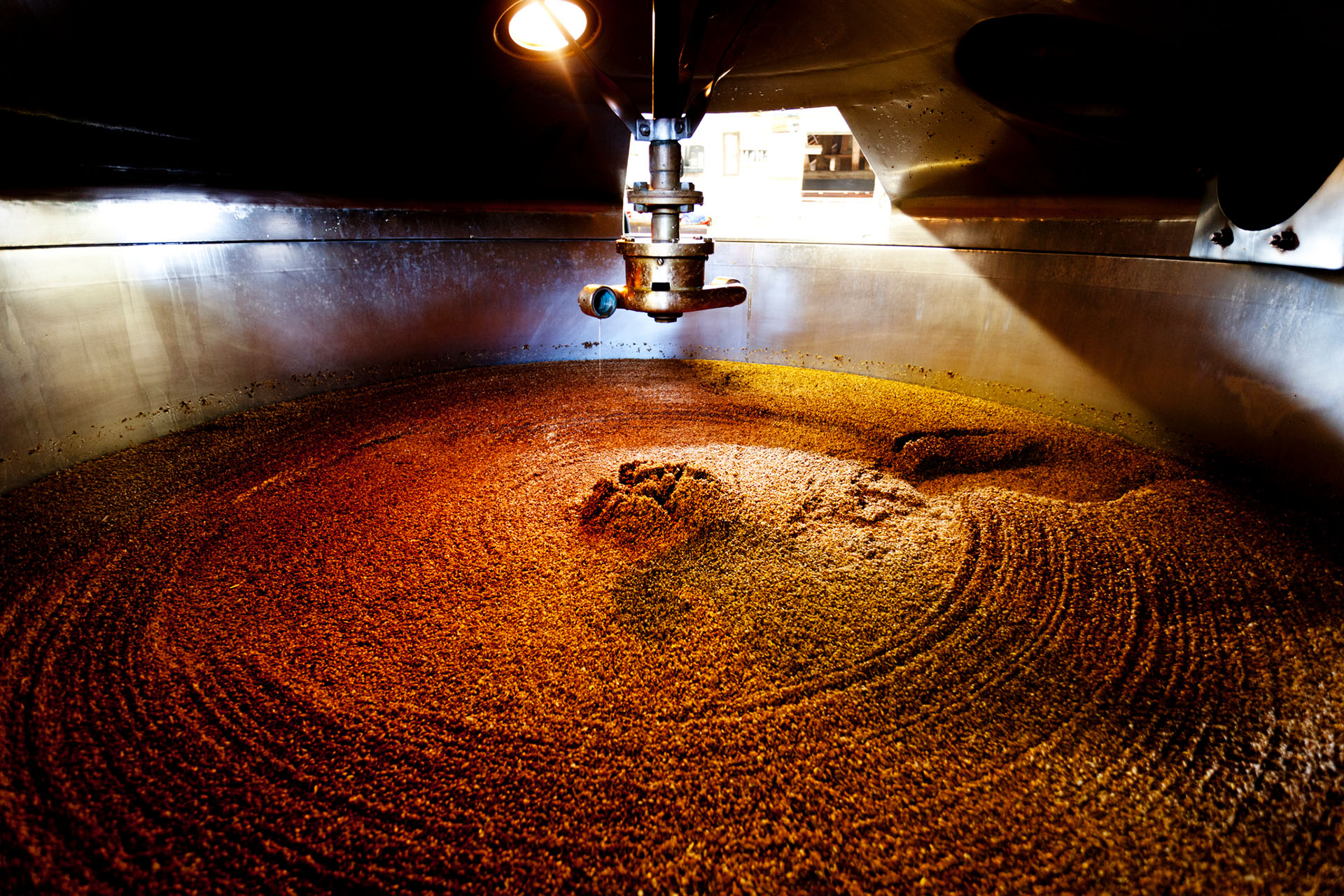
Breweries are highly energy-intensive facilities that require significant amounts of heat, cooling, and electricity across multiple production stages — from mashing, boiling, and fermentation to filtration, pasteurisation, and packaging. These processes depend on continuous, high-quality energy to ensure product consistency and safety.
Rising energy costs, carbon reduction commitments, and growing sustainability expectations are driving breweries to adopt efficient onsite energy generation. Combined heat and power (CHP) and trigeneration (CCHP) systems provide an effective route to achieving these goals, delivering power, heat, and cooling with exceptional efficiency.
Breweries can also benefit from biogas generation and recovery from organic wastes, CO₂ capture from decentralised energy systems, and microgrid integration, which together enhance operational resilience, reduce emissions, and enable circular energy use. These technologies help brewers manage energy costs, lower their carbon footprint, and meet net-zero commitments while maintaining reliable production.
Benefits of Distributed Energy Systems for Breweries
• Provides simultaneous electricity, heating, and cooling for brewing and packaging operations.
• Improves energy efficiency, achieving total system efficiencies above 80%.
• Reduces fuel consumption and operating costs through heat recovery.
• Supports carbon reduction and renewable gas integration.
• Enhances reliability and energy independence with flexible onsite generation.
• Enables CO₂ recovery and reuse, supporting circular sustainability initiatives.
Energy Resilience in Brewing Operations
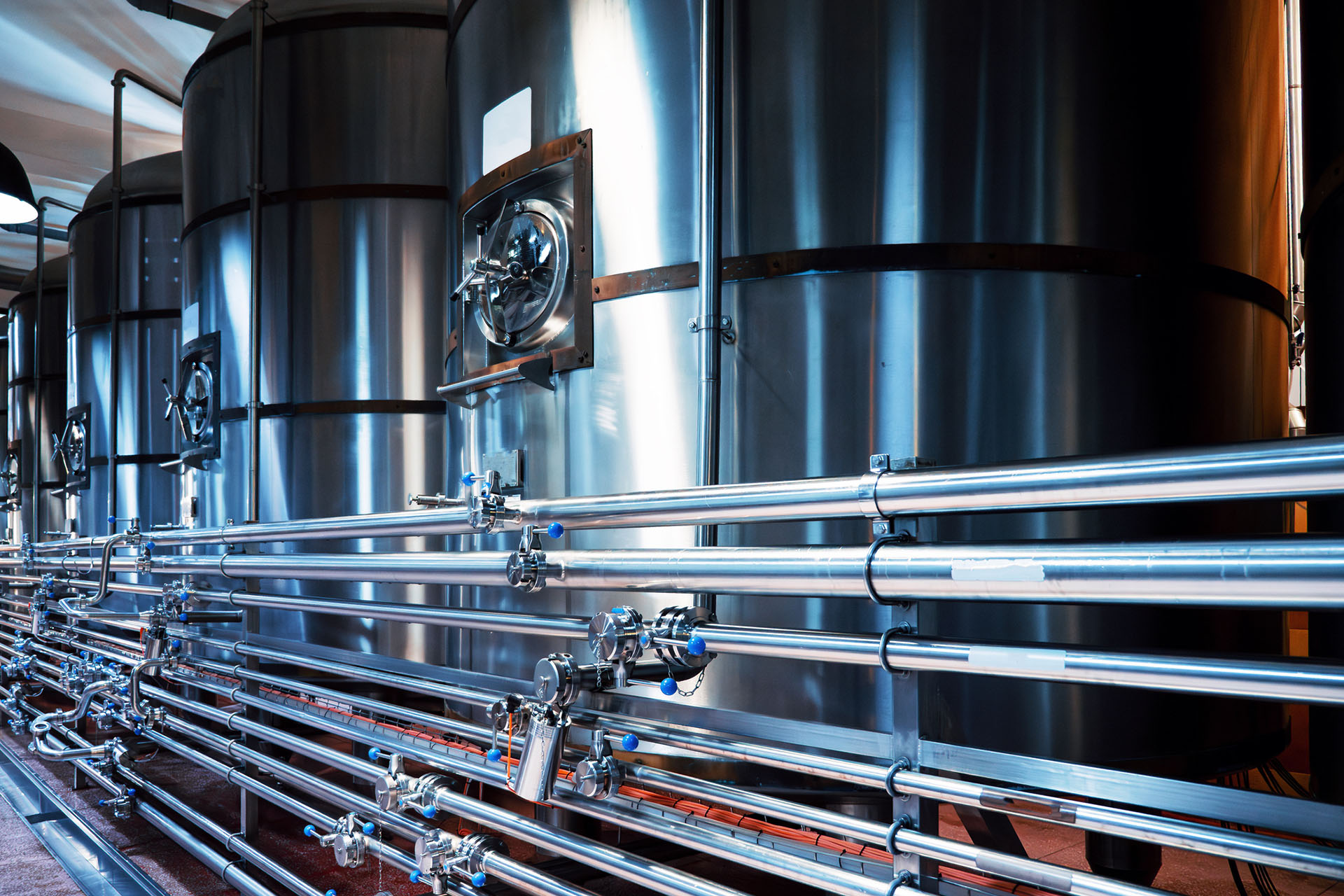
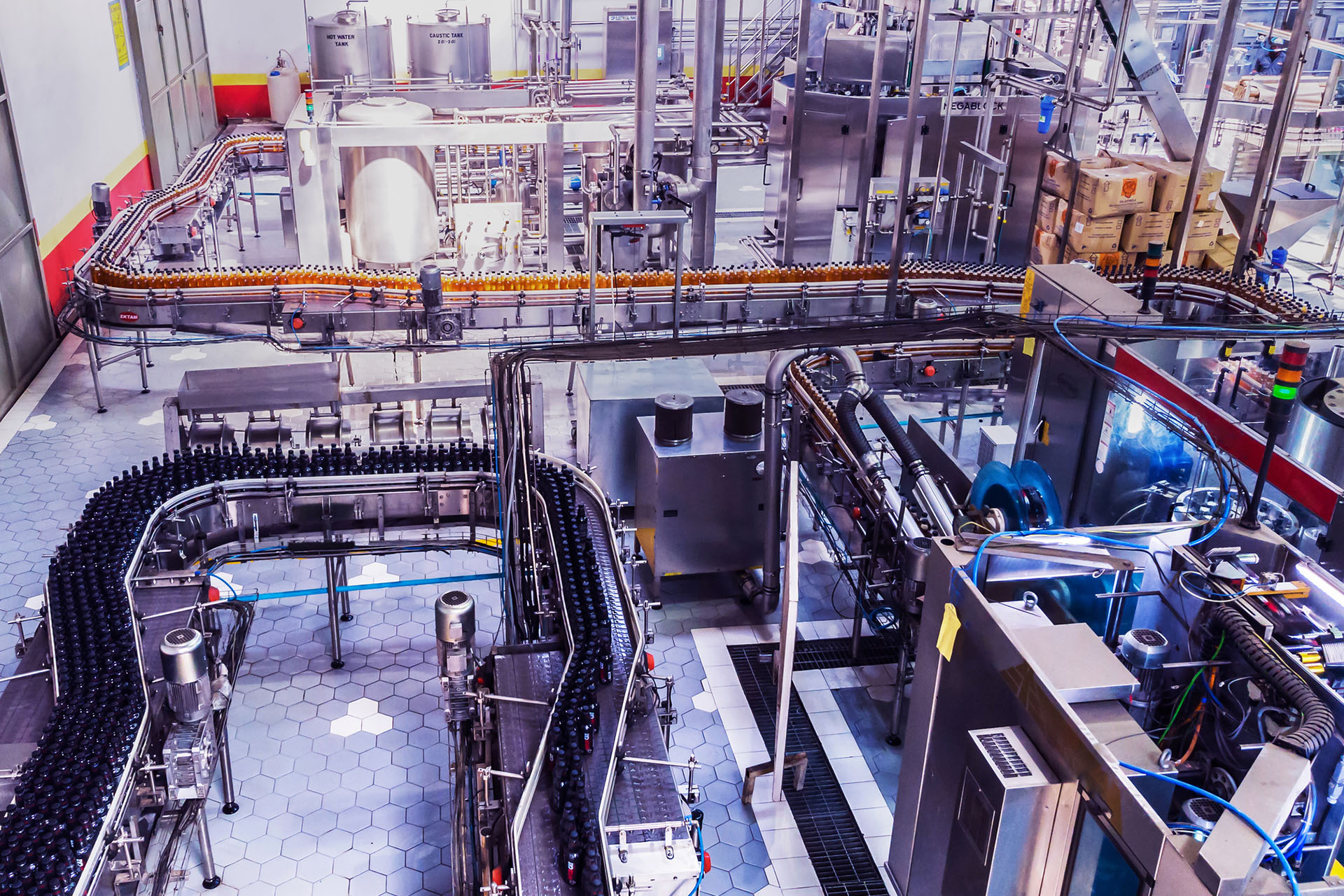
Continuous operation is critical in brewing, where temperature control, fermentation timing, and product quality depend on stable energy supply. Interruptions can disrupt entire production batches, leading to costly losses and downtime.
CHP and CCHP systems provide a dependable onsite energy source, ensuring continuous operation even during grid instability. These systems can be designed for both baseload and peak operation, supporting flexible energy management.
When integrated within a microgrid, breweries can balance onsite generation with renewable inputs such as solar PV and battery storage, optimising energy flows and improving resilience. This approach enables efficient energy use, emissions reduction, and uninterrupted production across all brewing stages.
Discover More
Combined Heat and Power (CHP)
Trigeneration (CCHP)
Biogas Integration
Flexible Generation
Combined Heat and Power (CHP)
CHP systems produce electricity and recover heat from the gas engine exhaust and cooling circuits for use in brewing, pasteurisation, and cleaning processes. By combining heat and power generation, breweries can achieve overall efficiencies exceeding 80%. CHP ensures reliable and efficient energy supply for temperature-sensitive processes such as wort boiling and bottle washing, reducing both fuel costs and emissions.
Trigeneration (CCHP)
Trigeneration builds on CHP by converting recovered heat into chilled water using absorption chillers. This process provides efficient refrigeration and temperature control for fermentation, maturation, and storage. CCHP systems help breweries reduce electricity consumption associated with traditional chillers, improving sustainability and supporting precise process control across seasonal variations.
Biogas Integration
Breweries generate organic residues and wastewater rich in sugars, yeast, and organic matter, which can be treated through anaerobic digestion to produce renewable biogas. This biogas can be used to fuel CHP engines, transforming waste into clean energy and reducing dependence on fossil fuels. Biogas integration supports circular economy principles by capturing energy from by-products while reducing methane emissions from waste treatment.
Flexible Generation
Modern CHP systems provide flexible, fast-response operation to match onsite demand and grid conditions. Breweries can optimise generation during production peaks or adjust output to participate in grid-balancing programmes. This operational flexibility allows for efficient energy use and improved cost management, particularly in facilities with variable production schedules.
CO₂ Capture and Reuse
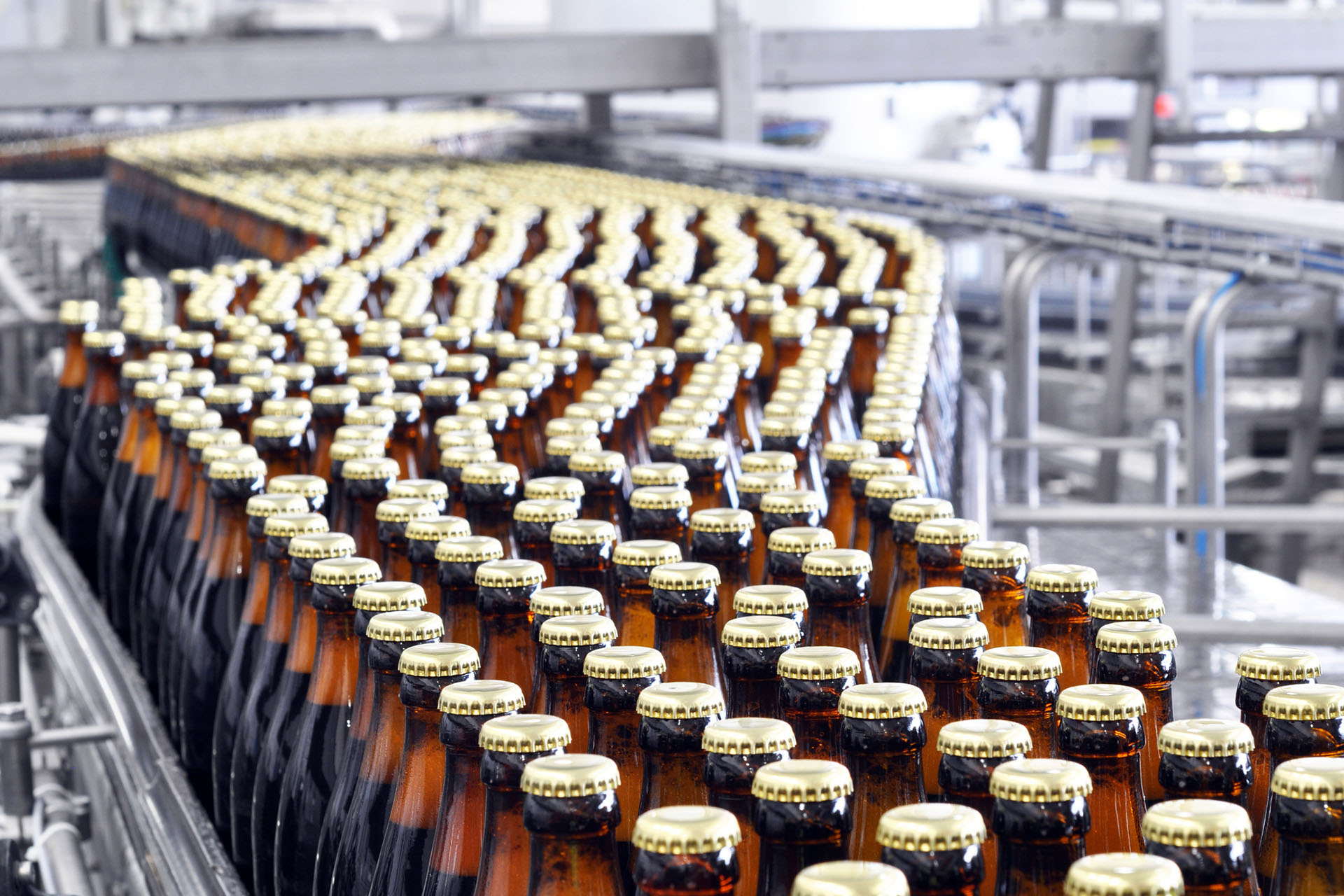
CHP plants can be equipped with CO₂ capture systems that recover and purify carbon dioxide from exhaust gases. The captured CO₂ can be reused within brewing operations — for example, in carbonation or packaging — or supplied to nearby industries. This reduces greenhouse gas emissions, supports carbon circularity, and contributes to the sustainability credentials of the brewery.
Microgrids and Hybrid Systems
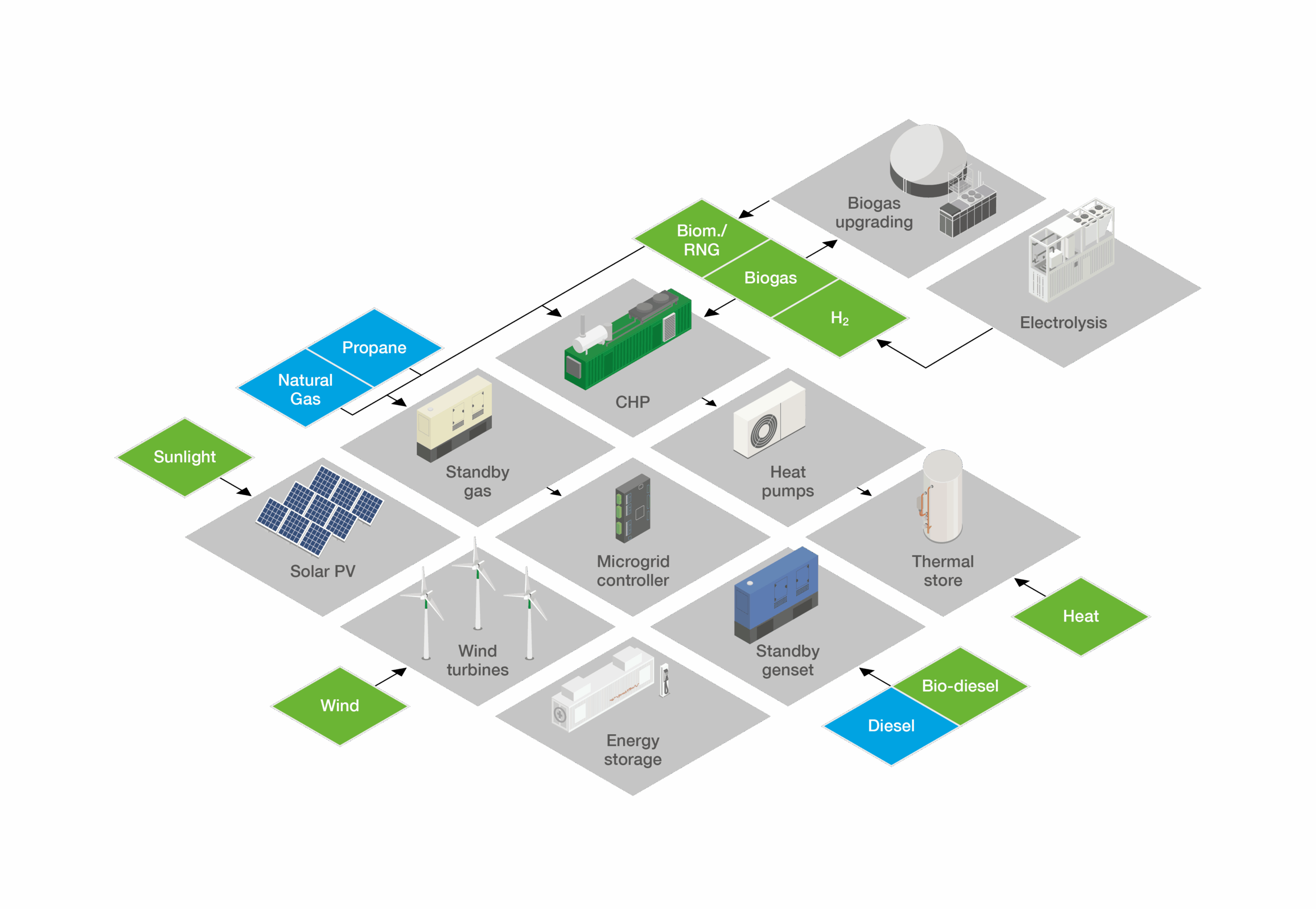
CHP systems can form the core of a microgrid that integrates renewables such as solar PV and battery energy storage. This hybrid setup enables breweries to balance supply and demand intelligently, maintain critical operations during grid disturbances, and maximise the share of renewable power used onsite. The result is a robust, efficient, and low-carbon energy infrastructure tailored for long-term resilience.
Why Clarke Energy for Brewery Energy Projects?
Clarke Energy delivers proven energy solutions that help breweries achieve cost-effective, efficient, and sustainable operation. With deep experience in the food and beverage industry, we offer systems that integrate CHP, CCHP, biogas, and advanced control technologies for maximum performance and reliability.
Our key advantages include:
• Turnkey project delivery – from feasibility and design through to installation and commissioning.
• Industry expertise – extensive experience in energy systems for brewing and beverage production.
• Integrated solutions – combining CHP, CCHP, and renewable energy for efficiency and resilience.
• Future-ready technology – INNIO Jenbacher gas engines compatible with hydrogen and renewable fuels.
• Comprehensive service support – long-term maintenance, remote monitoring, and predictive performance management.
Frequently Asked Questions about Brewery Energy Systems
Technical and Engineering
How does CHP benefit breweries?
CHP systems provide simultaneous onsite electricity and heat generation, improving efficiency for processes such as brewing, boiling, pasteurisation, and cleaning.
What advantages does trigeneration (CCHP) offer for breweries?
CCHP adds cooling production, providing efficient refrigeration and climate control for fermentation, packaging, and storage facilities.
Can CHP systems operate on renewable biogas from brewing waste?
Yes. CHP systems can run on biogas produced from organic by-products such as spent grain, yeast, and wastewater.
Can microgrids be used in brewery operations?
Yes. Microgrids combine CHP with renewables and storage, improving power quality, reliability, and energy independence.
Financial and Commercial
What cost savings can breweries expect from CHP?
CHP can significantly reduce energy costs by replacing grid electricity and boiler fuel use with efficient onsite generation.
Are funding or incentive schemes available for brewery energy projects?
Many regions offer financial incentives, tax relief, or grants supporting CHP, biogas, microgrids and renewable energy adoption.
What is the payback period for CHP or CCHP installations?
Typical payback periods range between two and eight years, depending on production scale, fuel prices, local support mechanisms, tax breaks and utilisation.
Can CHP systems help stabilise long-term energy budgets?
Yes. Onsite generation reduces exposure to fluctuating energy tariffs, enabling better cost control and financial predictability.
Environmental and Sustainability
How do CHP and CCHP systems reduce brewery emissions?
They increase efficiency, recover waste heat, and can operate on renewable fuels — lowering greenhouse gas emissions significantly.
Can CO₂ from brewing be captured and reused?
Yes. CHP systems with CO₂ capture can recover exhaust gas for use in carbonation or other production stages, supporting circular operations.
Can CHP systems integrate with renewable energy sources?
Yes. CHP plants can be integrated with solar PV and battery storage as part of hybrid systems for greater sustainability.
Are CHP systems hydrogen-ready?
Yes. Clarke Energy’s Jenbacher engines can operate on hydrogen blends and can be adapted for full hydrogen operation.
Operational and Implementation
Can CHP be retrofitted into existing breweries?
Yes. Modular CHP and CCHP units can be integrated into existing facilities with minimal disruption.
How does Clarke Energy ensure long-term reliability?
Through predictive maintenance, remote monitoring, and dedicated service teams, Clarke Energy ensures system performance and uptime.
What maintenance is required for gas engine systems?
Regular servicing and engine inspections ensure sustained efficiency and availability throughout the system’s lifecycle.
How long do CHP and CCHP systems typically last?
With proper maintenance, CHP systems can operate efficiently for 15–20 years, offering long-term energy stability.
Looking for a Reliable, Efficient, and Low-Carbon Energy Solution?
Our experts can provide the insight and support you need to evaluate options and achieve the right energy solution for your business.