

Industrial Parks and Special Economic Zones
Reliable, efficient, and flexible energy generation for industrial clusters.
About Industrial Parks and Special Economic Zones
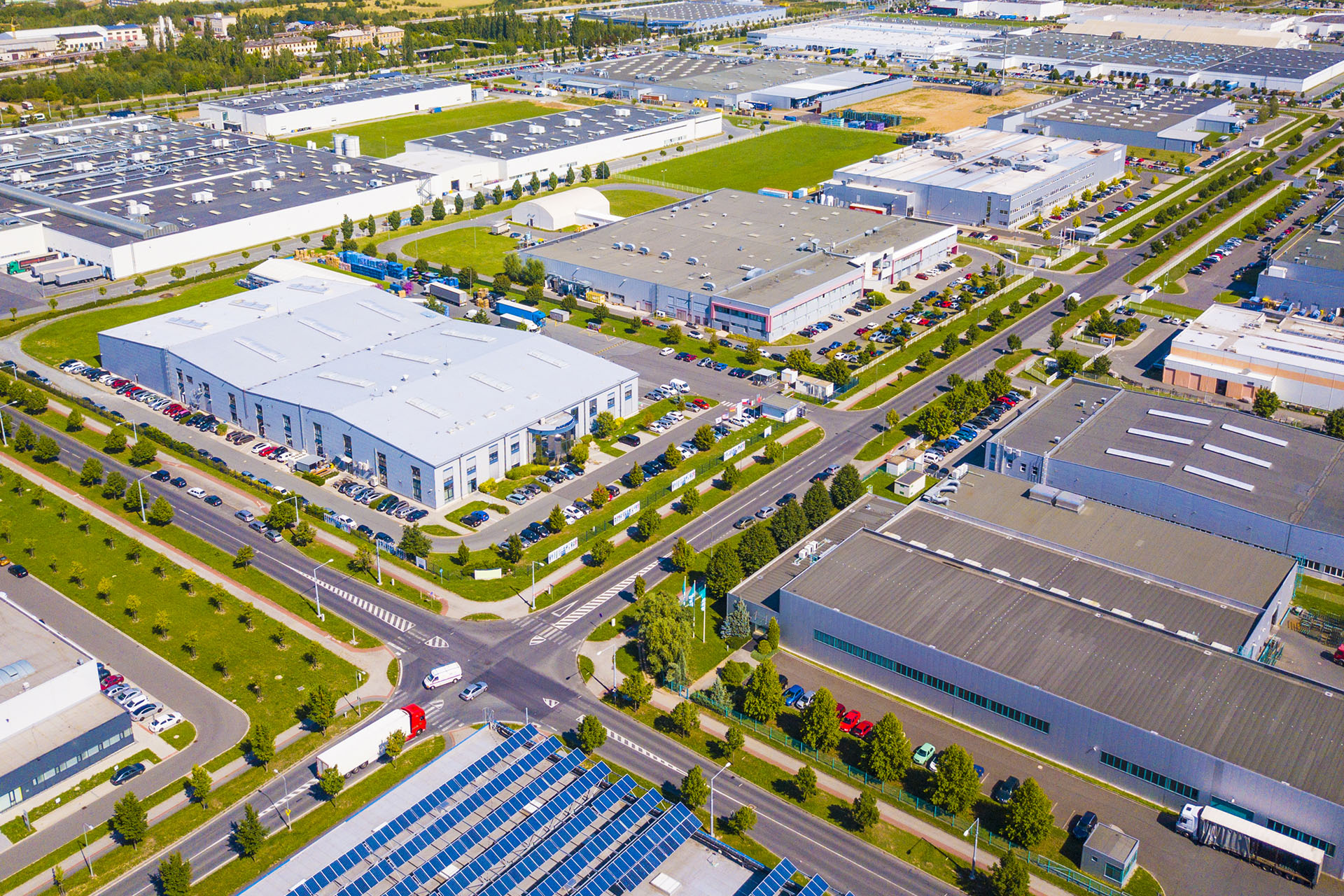
Industrial parks and special economic zones (SEZs) bring together a variety of manufacturers, logistics hubs, and commercial operations within a shared infrastructure. These developments often require large, stable, and continuous energy supply to power diverse industrial activities, ranging from heavy manufacturing to advanced technology production.
Access to reliable and cost-effective electricity and heat is critical for competitiveness. Unstable grid supply or high energy costs can limit productivity and deter future investment. Operators and developers of industrial parks are increasingly adopting onsite generation solutions or district energy schemes to enhance reliability, reduce carbon emissions, and deliver predictable energy pricing to tenants. Typically industrial parks with multiple tenants can be supplied by energy sources separate to the local grid via independent power producers.
Combined heat and power (CHP) systems provide a proven foundation for efficient, decentralised power generation across industrial estates. By producing electricity and heat from a single fuel source, CHP maximises fuel utilisation while lowering emissions and energy costs. Coupled with flexible generation capability, CHP systems can respond rapidly to variations in load demand, helping to stabilise local grids and improve overall park efficiency.
Benefits of Flexible Energy Systems for Industrial Parks
• Provides reliable and efficient onsite power and heat for multiple industrial users.
• Reduces operational costs and improves energy cost predictability.
• Enhances power quality and supply security in grid-constrained areas.
• Enables flexible generation to meet varying industrial loads and balance supply.
• Reduces greenhouse gas emissions through efficient fuel use and low-carbon operation.
Energy Resilience and Operational Efficiency
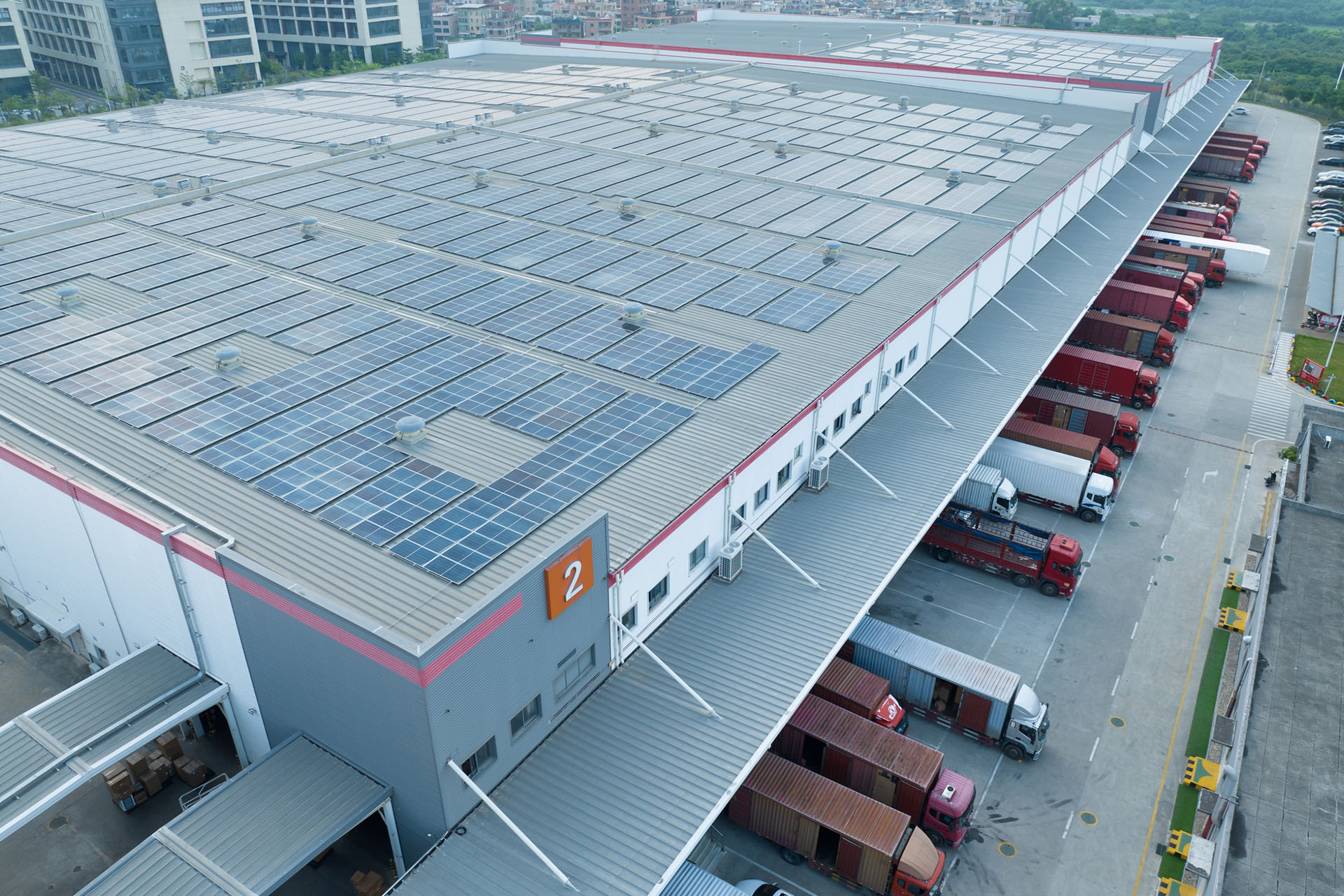
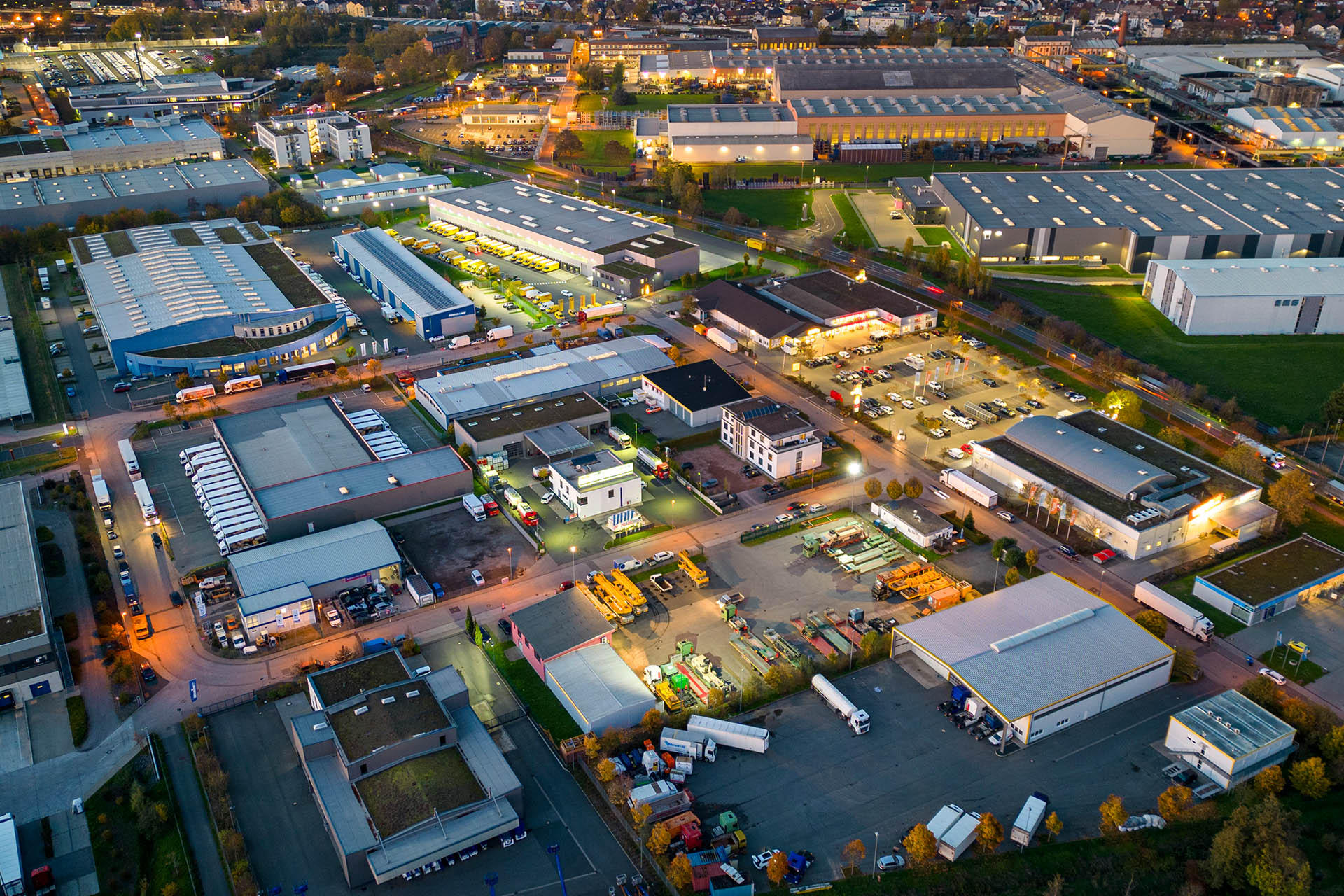
Industrial parks and economic zones rely on stable energy to maintain continuous production and ensure competitiveness. Power disruptions can lead to costly downtime, lost production, and inefficiencies across multiple facilities.
Gas engine-based CHP plants deliver dependable onsite power and heat, ensuring each facility has access to the energy it requires. Their modular design allows phased development, expansion, and integration within existing infrastructure.
Flexible generation systems also allow operators to ramp output up or down in line with demand, providing valuable balancing support for local electricity networks. This flexibility helps maintain supply stability, particularly in regions where grid infrastructure may be limited or intermittently available.
Discover More
Combined Heat and Power (CHP)
Flexible Generation
District Energy
Independent Power Producers
Combined Heat and Power (CHP)
CHP systems generate electricity and recover waste heat from the engine’s exhaust and cooling systems to provide process heat, steam, or hot water for industrial users. By supplying power and heat from a single fuel source, CHP achieves overall efficiencies above 80%, delivering major reductions in fuel use, emissions, and operating costs. In industrial parks, CHP plants can supply multiple tenants through shared energy networks, improving energy performance and supporting low-carbon growth. Reliable and cost-effective, CHP forms the backbone of resilient onsite generation strategies for large-scale industrial developments.
Flexible Generation
Flexible generation plants provide fast, responsive onsite power for industrial zones with variable demand profiles. Gas engine systems can operate as continuous baseload units or ramp up quickly to provide peaking capacity during high-load periods. This flexibility supports grid stability, enhances resilience, and allows operators to balance output efficiently across diverse tenants and energy loads. Flexible generation also enables participation in demand-response and grid-balancing programmes, providing additional revenue opportunities while maintaining a reliable, low-carbon power supply for industrial parks and special economic zones.
District Energy
District energy systems offer industrial parks a centralised approach to heating, cooling, and power generation, improving energy efficiency and reducing emissions across multiple facilities. By using a shared infrastructure — often powered by combined heat and power (CHP), renewable sources, or waste heat recovery — industrial parks can lower operational costs, enhance energy resilience, and simplify compliance with environmental regulations. This model also enables better integration of emerging technologies like hydrogen, thermal storage, and carbon capture, making it a strategic enabler for decarbonizing industrial clusters and attracting sustainability-focused tenants.
Independent Power Producers
Independent power producers (IPPs) play a crucial role in the development and operation of industrial parks by providing reliable, decentralised energy solutions tailored to the specific needs of industrial tenants. Unlike traditional utilities, IPPs can design and operate on-site or near-site power generation systems — such as gas engines, combined heat and power (CHP), or renewable energy with battery storage — that offer cost-effective, resilient, and lower-emission alternatives to grid power. This is especially valuable in regions with unstable grids, high energy costs, or sustainability mandates. By aligning energy supply with industrial demand profiles, IPPs help improve energy efficiency, reduce downtime, and support carbon reduction goals, making industrial parks more attractive to tenants and investors alike.
Why Clarke Energy for Industrial Park and SEZ Projects?
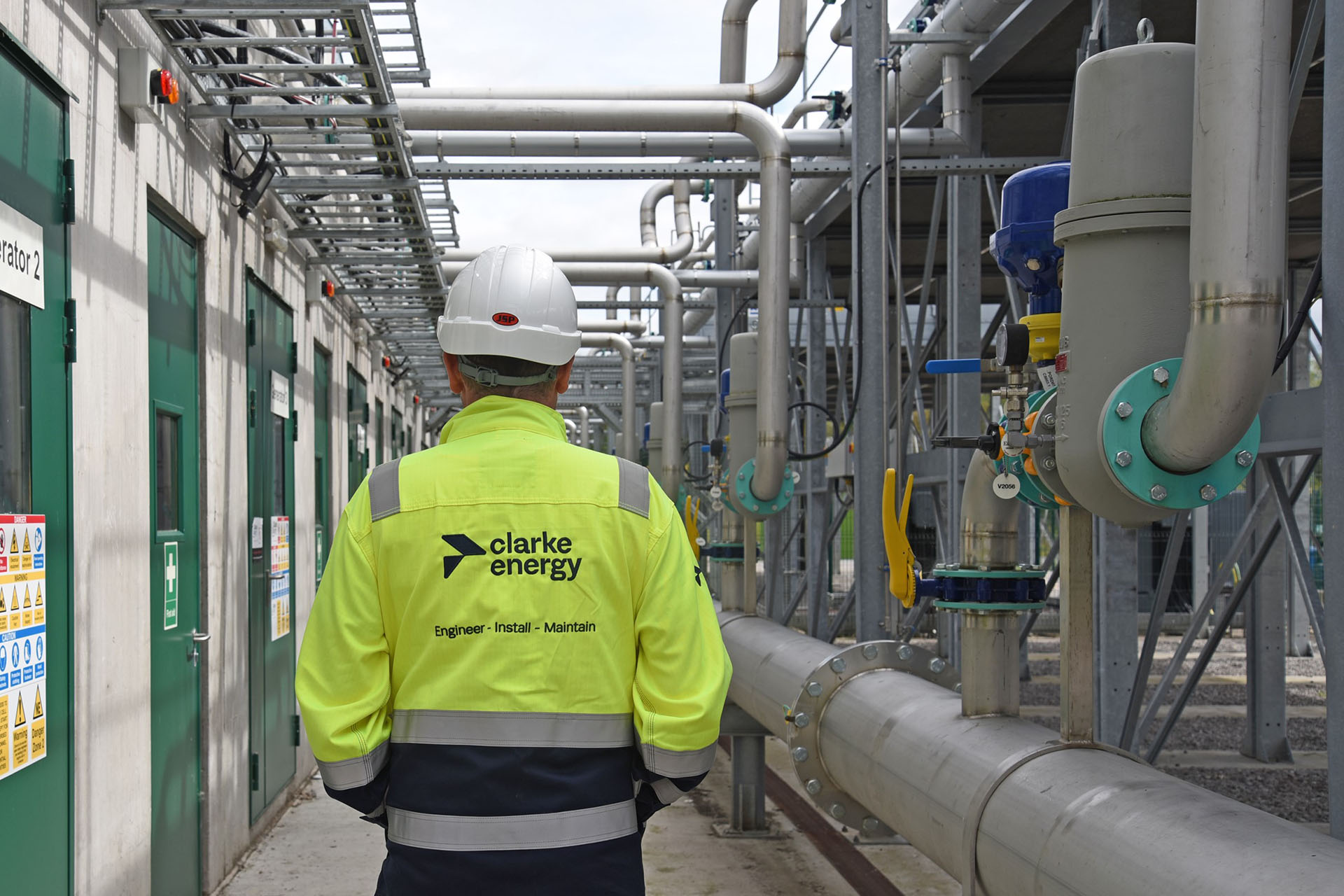
Clarke Energy delivers efficient and flexible power generation systems that support the energy needs of industrial clusters and special economic zones. Our solutions combine technical expertise, proven technology, and full lifecycle support to ensure reliable and sustainable performance.
Our key advantages include:
• Turnkey delivery capability – from concept and design through to installation and commissioning.
• Proven expertise – delivering energy systems for large-scale industrial and commercial developments.
• Flexible operation – CHP and peaking plant solutions adaptable to varying energy demand profiles.
• Future-ready technology – INNIO Jenbacher gas engines compatible with renewable and hydrogen fuels.
• Comprehensive service support – including maintenance, monitoring, and optimisation for long-term reliability.
Frequently Asked Questions about Industrial Park Energy Systems
Technical and Engineering
How does CHP benefit industrial parks and SEZs?
CHP provides onsite electricity and heat for multiple users, improving efficiency, reliability, and cost control across industrial operations.
Can flexible generation systems support grid stability?
Yes. Gas engine plants can quickly ramp up or down to meet changing demand, supporting local grid balancing and energy resilience.
What types of fuel can these systems operate on?
Clarke Energy’s Jenbacher engines can run on natural gas, biogas, or hydrogen blends, offering both flexibility and future decarbonisation potential.
Can CHP systems be scaled as industrial zones expand?
Yes. Modular engine configurations enable phased capacity additions in line with development or tenant growth.
Financial and Commercial
What cost benefits do CHP systems deliver to industrial parks?
By using fuel more efficiently and reducing grid dependency, CHP systems lower energy costs and provide predictable long-term energy pricing.
Can park operators sell power to tenants or the grid?
Yes. Operators can distribute power within the park or export surplus electricity, creating revenue opportunities under local regulations.
Are there funding or incentive schemes available for CHP?
In some regions, government programmes support efficient and low-carbon technologies like CHP through grants or financial incentives.
What is the expected payback period for CHP installations?
Typical payback periods range between five and eight years, depending on load profile, energy costs, and utilisation rates.
Environmental and Sustainability
How does CHP support low-carbon industrial development?
CHP maximises fuel efficiency and reduces carbon emissions by capturing waste heat that would otherwise be lost during power generation.
Can CHP support future hydrogen use?
Yes. Jenbacher engines are hydrogen-ready, enabling transition to cleaner fuels as hydrogen becomes more widely available.
Does flexible generation help integrate renewable energy?
Yes. Flexible gas engine systems complement intermittent renewables by providing reliable backup and grid stability when renewable output varies.
What role does CHP play in circular economy principles?
CHP supports resource efficiency by turning fuel energy into both heat and power, reducing waste and optimising overall energy use.
Operational and Implementation
Can CHP and flexible generation systems be integrated into existing industrial infrastructure?
Yes. These systems can be designed for new developments or retrofitted into existing parks with minimal disruption.
How does Clarke Energy ensure long-term reliability?
Through remote monitoring, predictive maintenance, and expert service support, Clarke Energy ensures consistent system uptime and performance.
What maintenance is required for gas engine systems?
Routine inspections and scheduled servicing ensure high availability and efficiency throughout the plant’s operational life.
How long can a CHP system operate before major overhaul or replacement?
With proper maintenance, gas engine systems can operate efficiently for 15–20 years, depending on usage and load factors.
Looking for a Reliable, Efficient, and Low-Carbon Energy Solution?
Our experts can provide the insight and support you need to evaluate options and achieve the right energy solution for your business.