

Sustainable Waste Management
Waste to Energy & the Circular Economy – Turning organic and industrial waste streams into renewable energy and valuable by-products.
Overview
Waste is not just a disposal problem — it’s a resource. Clarke Energy’s solutions for the sector help transform organic and industrial waste into renewable electricity, heat, and fuels. By capturing energy from waste, we help our customers reduce methane emissions, cut reliance on fossil fuels, and support the principles of the circular economy.
Our technologies integrate biogas production, renewable power generation, biomethane upgrading, and carbon capture to close the loop between waste management and clean energy production.
Sources of Waste-to-Energy
• Agricultural residues – manure, crop waste, and silage
• Food and beverage waste – production offcuts, expired goods
• Municipal solid waste – organic fractions diverted from landfill
• Landfill gas – captured methane from decomposing waste
• Wastewater sludge – energy recovery from municipal or industrial effluent treatment
• Flare gas – methane rich captured from oil and gas wells
• Mines gas – methane rich captured from coal mines
• Furnace gas – hydrogen and carbon monixed captured from certain types of furnace
Technologies We Deliver
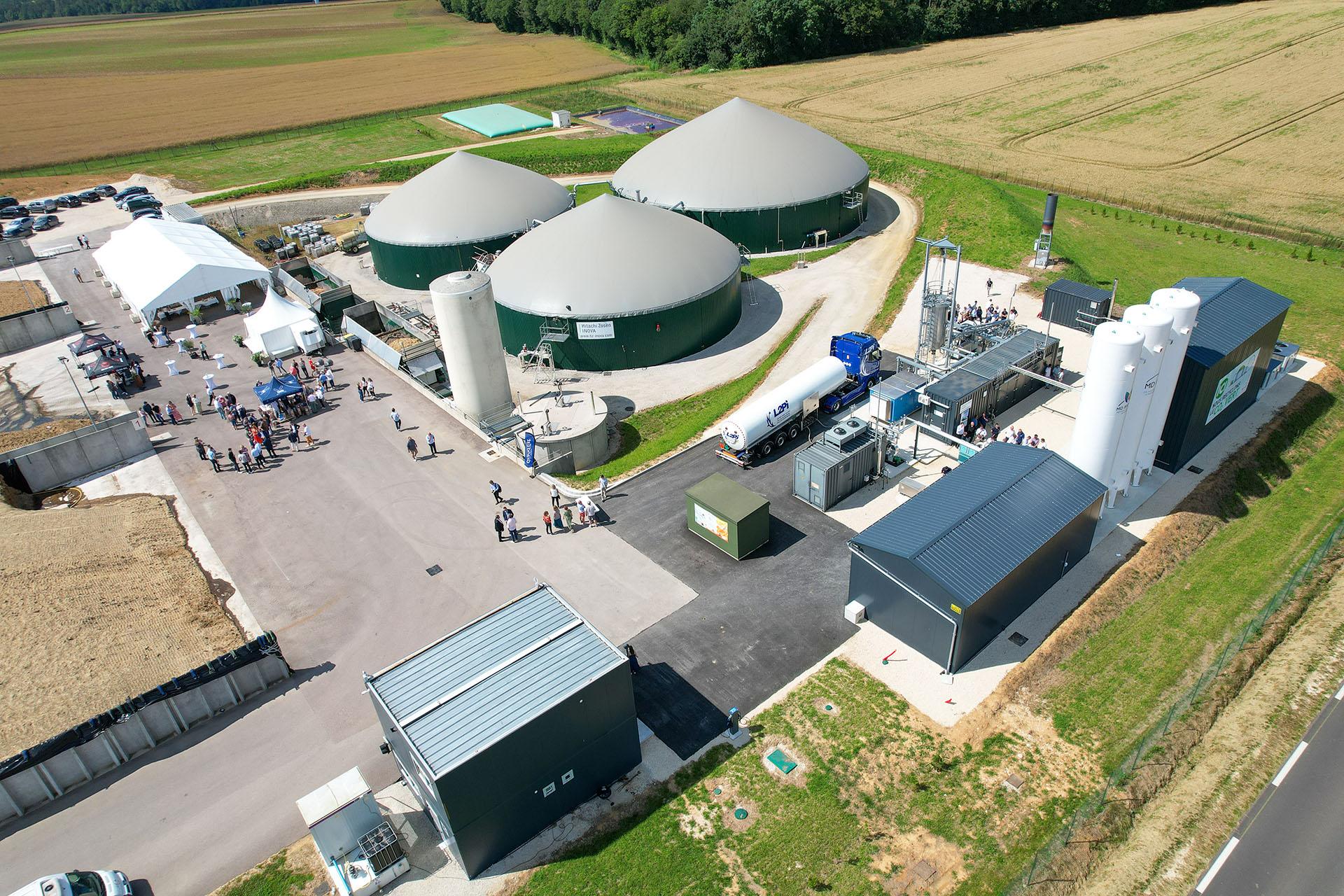
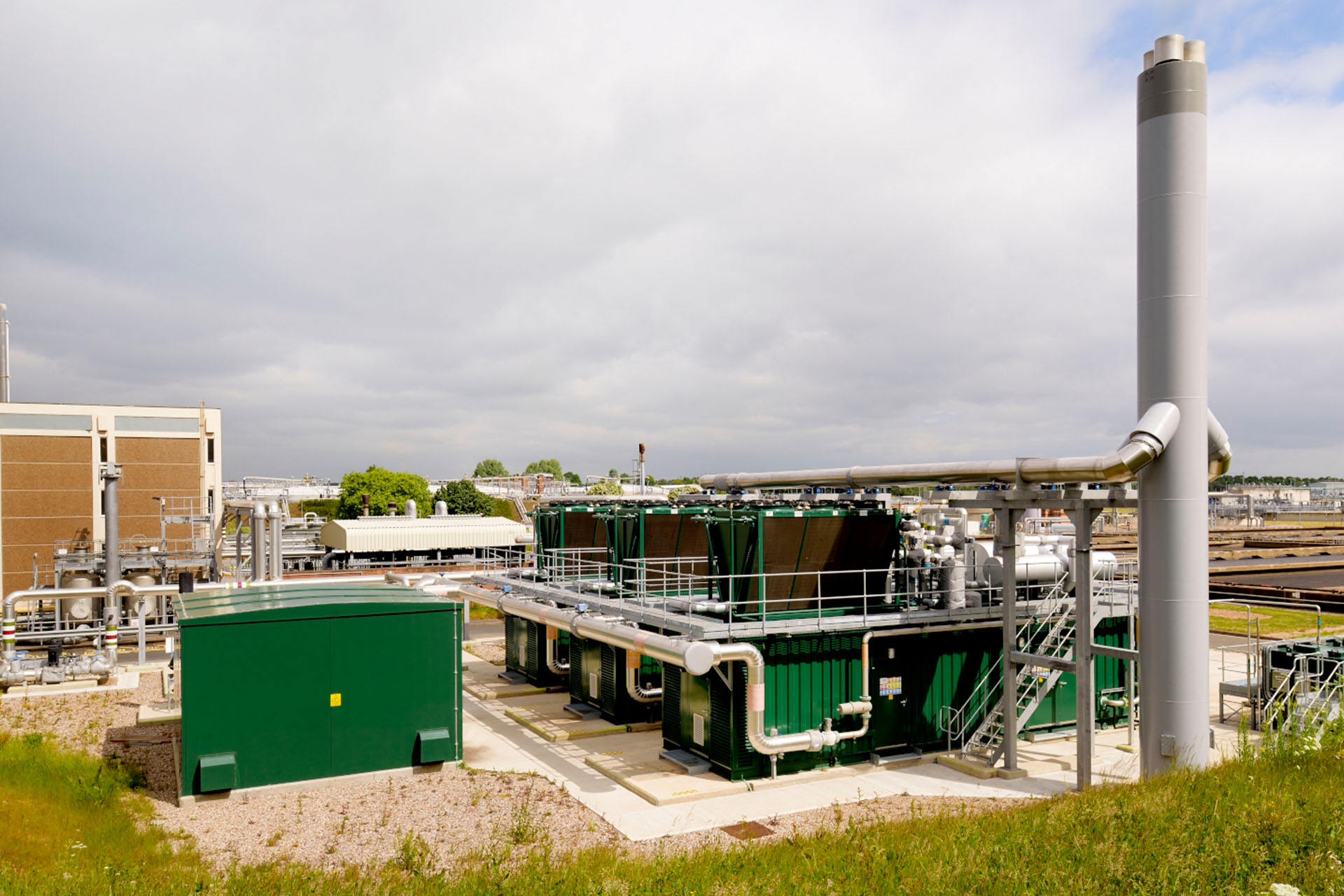
• Biogas Combined Heat and Power (CHP)
Convert waste-derived biogas into on-site electricity and heat for industrial processes, district heating, or export to the grid.
• Biogas Upgrading to Biomethane (RNG)
Refine raw biogas into pipeline-quality biomethane for gas grid injection, vehicle fuel, or hydrogen production feedstock.
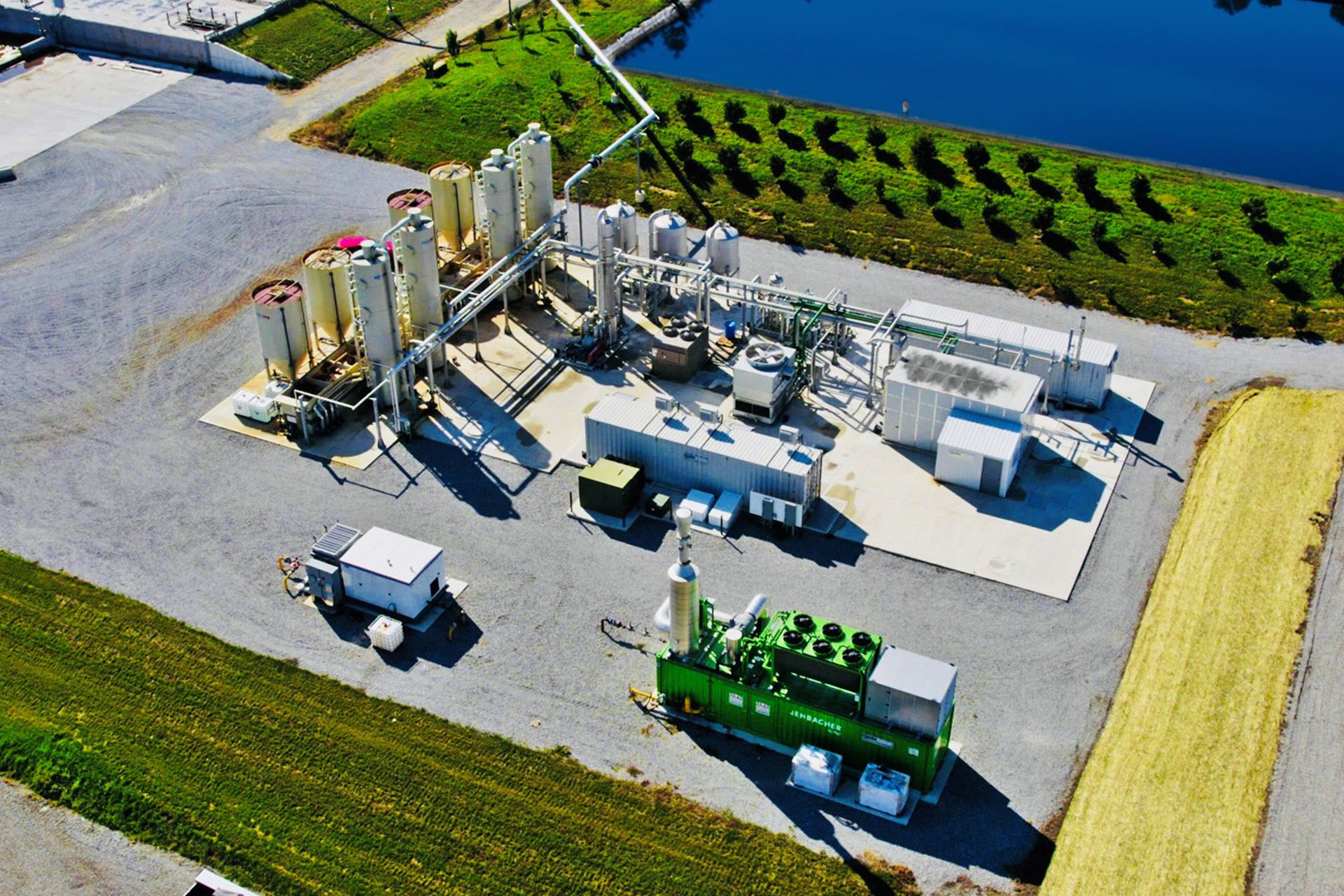
• Flare Gas Capture
Conversion of converted flare gases into useful electricity and thermal energy.
• Carbon Capture and Utilisation (CCU)
Capture CO₂ from biogas upgrading for reuse in greenhouses, food production, or industrial processes, creating additional revenue streams.
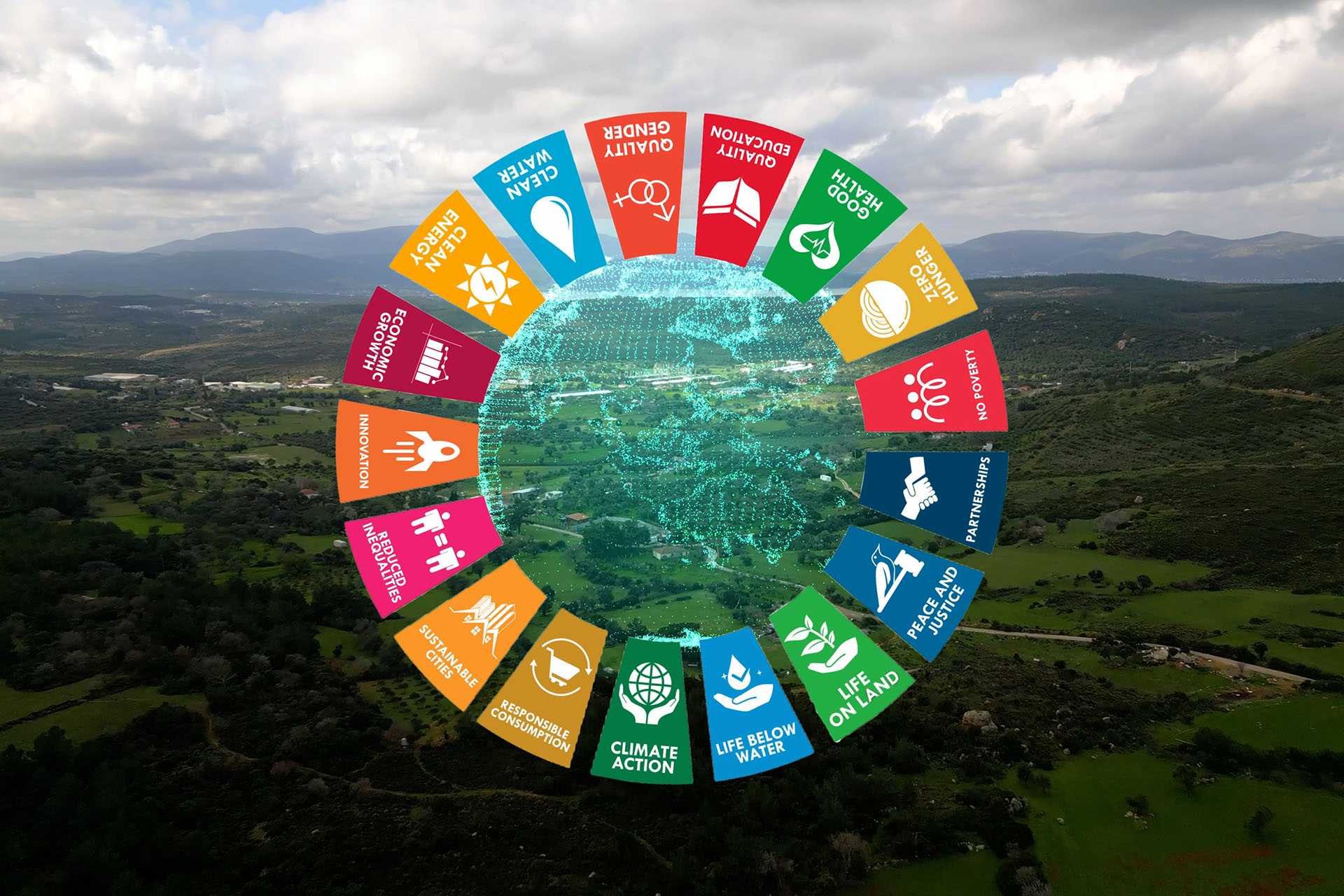
Contribution to the UN Sustainable Development Goals (SDGs)
Clarke Energy’s waste-to-energy projects support:
• SDG 7 – Affordable and Clean Energy: Producing renewable fuels and electricity from waste
• SDG 9 – Industry, Innovation and Infrastructure: Developing sustainable energy infrastructure
• SDG 12 – Responsible Consumption and Production: Reducing waste and reusing resources
• SDG 13 – Climate Action: Avoiding methane emissions and displacing fossil fuels
Frequently Asked Questions about Sustainable Waste Management
What is waste-to-energy?
The process of converting organic and industrial waste into usable energy in the form of electricity, heat, or renewable gas.
What are the benefits of waste-to-energy?
It reduces landfill use, cuts methane emissions, generates renewable power, and supports the circular economy.
Can Clarke Energy systems process different waste types?
Yes. We design solutions for agricultural, municipal, food, industrial, and wastewater wastes.
What is biomethane used for?
Biomethane can be injected into the gas grid, used as vehicle fuel, or as a feedstock for hydrogen production.
How does waste-to-energy support net zero goals?
By displacing fossil fuels with renewable energy and avoiding potent methane emissions from waste.
Lorem ipsum dolor sit amet, consectetur adipiscing elit
Lorem ipsum dolor sit amet, consectetur adipiscing elit