

Wastewater Treatment Plants
Sustainably processing wastewater into renewable energy.
About the Wastewater Treatment Industry
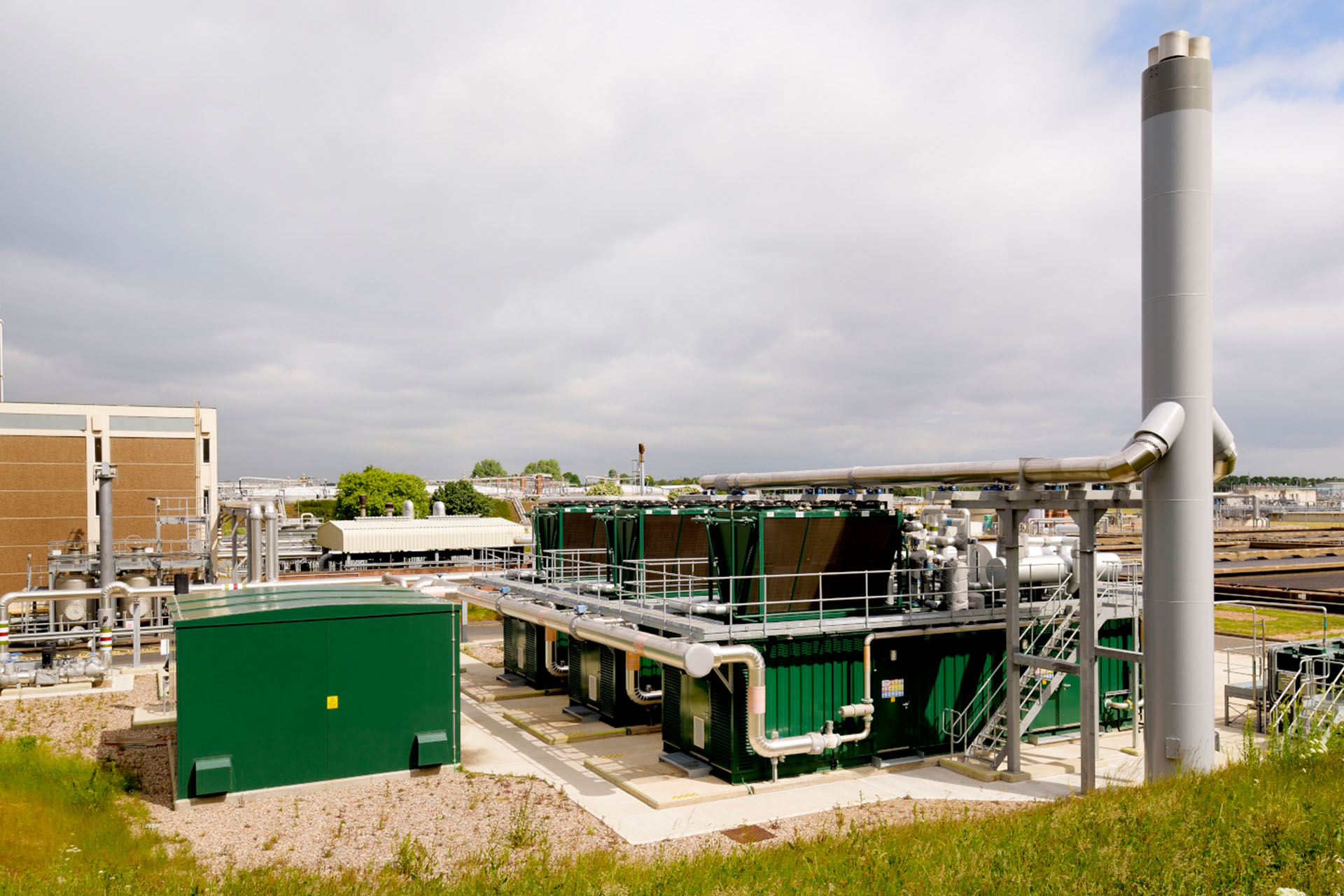
Wastewater treatment plants (WWTPs) are essential for public health and environmental protection, processing sewage and industrial effluent to meet strict discharge standards. These facilities operate continuously, with high energy demands for pumping, aeration, and sludge treatment.
Through anaerobic digestion, WWTPs produce biogas, a renewable fuel composed mainly of methane (CH₄) and carbon dioxide (CO₂). When used in combined heat and power (CHP) systems, biogas generates renewable electricity and heat for use onsite, maintaining digester temperatures and powering treatment processes.
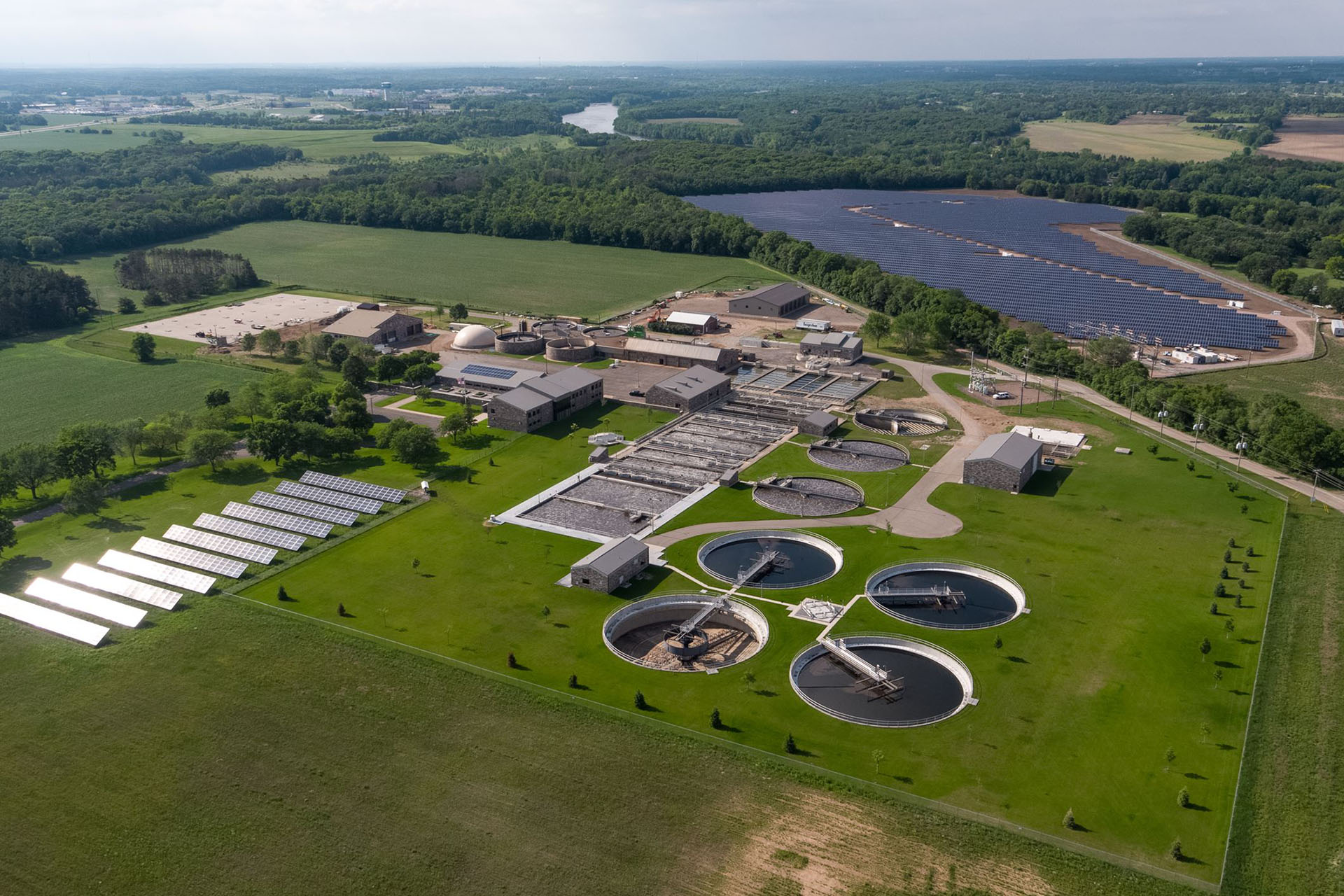
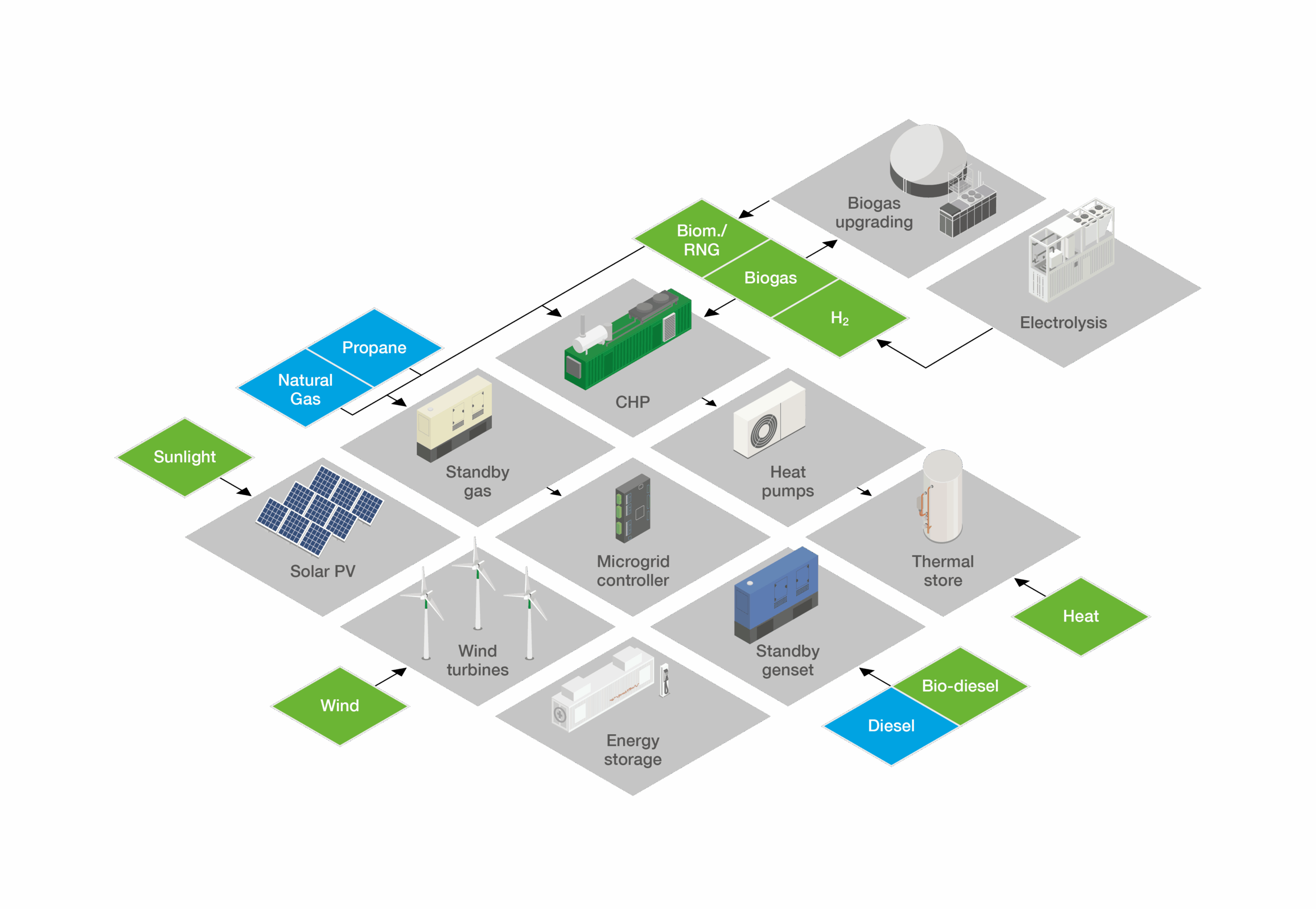
Modern WWTPs are increasingly adopting integrated energy systems and microgrids that can combine biogas-fuelled CHP, biogas upgrading, energy storage, and renewable power sources to create efficient, resilient power networks. These systems can also integrate CO₂ capture for carbon reuse, further enhancing sustainability. This approach reduces emissions, improves energy security, and supports self-sufficient, low-carbon wastewater treatment.
Benefits of CHP and Biogas for Wastewater Treatment Plants
• Renewable Energy from Biogas: Utilises digester gas to generate electricity and heat, reducing grid dependence and energy costs.
• Circular Waste Management: Converts sewage sludge into a valuable renewable resource, supporting circular economy goals.
• Lower Emissions: Prevents methane release and reduces greenhouse gas impact compared to traditional treatment processes.
• Energy Security: Provides dependable onsite power to maintain essential wastewater operations during grid disturbances.
• CO₂ Recovery Opportunities: Enables capture and reuse of carbon from CHP exhaust or biogas upgrading.
• Cost Savings: Improves long-term energy efficiency and reduces operational expenditure for utilities and municipalities.
• Sustainability Leadership: Demonstrates commitment to renewable energy and decarbonisation across public infrastructure.
Discover More
Biogas Generation
Combined Heat and Power (CHP)
Biogas Upgrading
CO₂ Capture and Reuse
Biogas Generation
Biogas is produced through the anaerobic digestion of sewage sludge, where microorganisms break down organic material in oxygen-free conditions. The resulting gas — typically 55–70% methane and 30–45% carbon dioxide — provides a valuable renewable fuel source that can be used for heat and power generation onsite.
Using biogas as a renewable fuel reduces emissions, prevents methane flaring, and supports circular resource recovery. WWTPs that harness biogas effectively can meet a significant portion of their own power and heat demand, transforming waste into clean, renewable energy.
Combined Heat and Power (CHP)
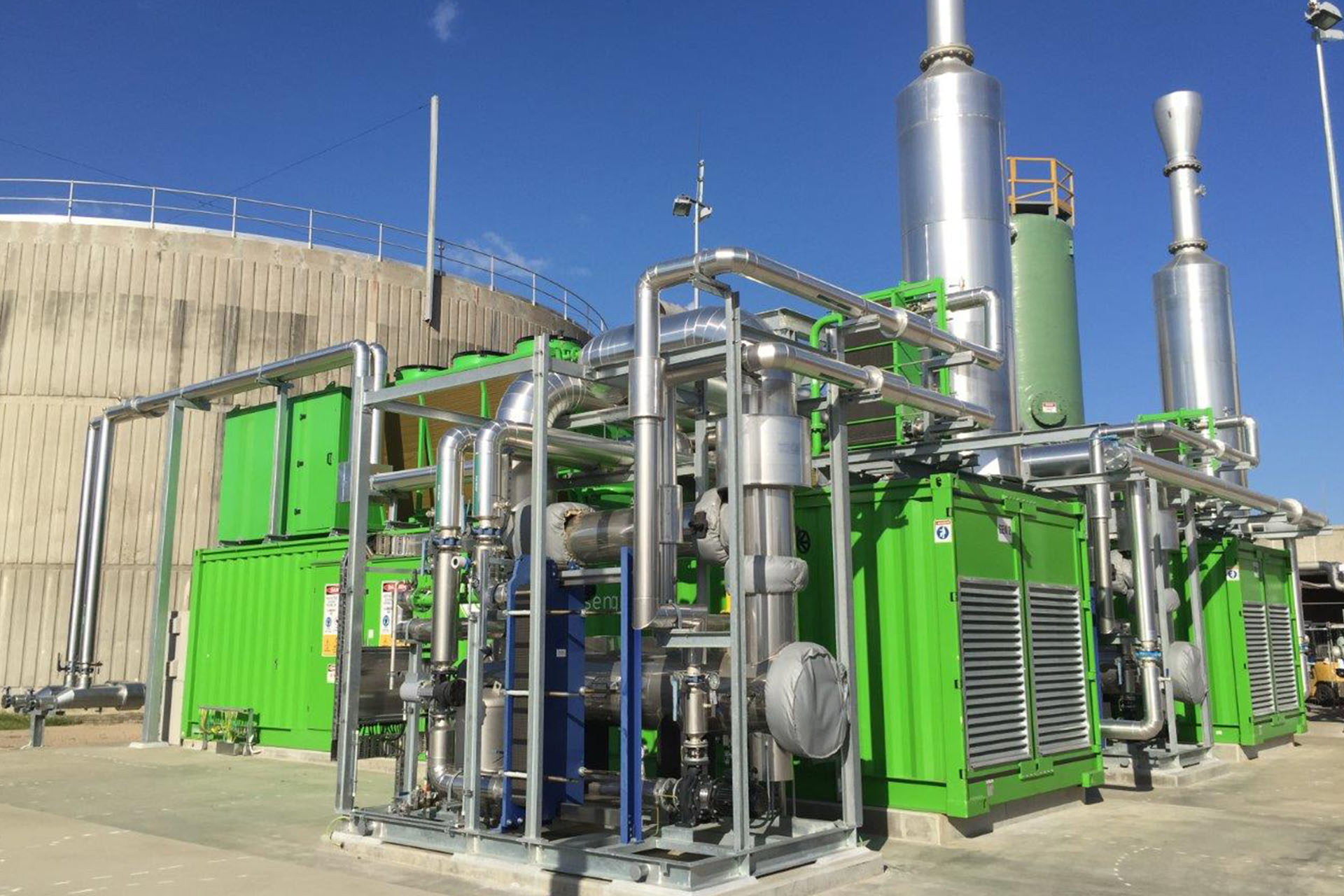
CHP systems convert biogas, natural gas or hydrogen into electricity and recover waste heat for onsite use in wastewater treatment facilities. With total efficiencies exceeding 80%, CHP offers a reliable and efficient means of generating both power and thermal energy. Recovered heat maintains digester temperature, supports sludge drying, or provides space heating for plant operations. By maximising fuel utilisation and reducing reliance on grid electricity, CHP cuts energy costs and emissions while supporting self-sufficient operation of critical infrastructure.
Biogas Upgrading
Biogas upgrading systems purify raw biogas to produce biomethane — a high-quality renewable gas suitable for injection into the natural gas grid or for use as a vehicle fuel. Upgrading technologies such as membrane separation, pressure swing adsorption, or water scrubbing remove CO₂ and impurities, increasing methane concentration to grid standards. Integrating biogas upgrading with CHP enables WWTPs to maximise onsite energy use while exporting renewable gas to external networks, improving both environmental and economic performance.
CO₂ Capture and Reuse
The combustion process in CHP systems produces carbon dioxide that can be captured, cleaned, and reused. Purified CO₂ can be supplied for industrial or agricultural applications, helping offset emissions from generation.
By capturing and reusing this carbon stream, WWTPs reduce their overall environmental impact and move closer to carbon-neutral or even carbon-negative operation. CO₂ recovery complements methane utilisation, ensuring both major components of biogas contribute to a circular, sustainable energy model.
Microgrids and System Integration
Microgrids can combine CHP generation with renewable power sources such as solar PV and energy storage through battery energy storage systems (BESS). For WWTPs, this integration allows flexible energy management, supporting island operation during grid outages and efficient balancing between onsite generation and demand.
Intelligent control systems coordinate all components, ensuring power reliability, optimised fuel use, and cost efficiency. The result is a secure, low-carbon energy ecosystem capable of maintaining treatment performance under all conditions.
Why Clarke Energy for Wastewater Treatment Projects?
Clarke Energy provides integrated, low-carbon energy solutions for wastewater treatment plants worldwide. Our expertise in CHP, biogas upgrading, and advanced control systems enables utilities to achieve reliable, sustainable, and cost-effective energy independence.
Our key advantages include:
• Turnkey project delivery – covering design, engineering, installation, and long-term service.
• Proven WWTP experience – extensive track record delivering biogas, CHP, and biogas upgrading systems for utilities and municipalities.
• Integrated technologies – combining CHP, biogas upgrading, CO₂ capture, energy storage, and renewable power integration.
• Future-ready platforms – INNIO Jenbacher gas engines compatible with biogas, biomethane, and hydrogen blends.
• Comprehensive service support – predictive maintenance, remote monitoring, and local service teams ensuring high reliability.
Frequently Asked Questions about About Wastewater Treatment Energy Systems
Technical and Engineering
How does CHP improve energy efficiency at WWTPs?
CHP converts biogas into power and heat simultaneously, reducing energy waste and improving process reliability.
Can CHP systems handle variable gas quality?
Yes. Clarke Energy’s Jenbacher engines are designed to operate efficiently with fluctuating methane content and gas purity.
How does CO₂ capture complement biogas utilisation?
It allows carbon dioxide from combustion to be purified and reused, reducing emissions and enhancing circularity.
What role does a microgrid play in WWTP energy systems?
Microgrids integrate CHP, renewables, and storage to ensure uninterrupted operation during grid disturbances.
What is biogas upgrading and how does it benefit WWTPs?
Biogas upgrading refines biogas into biomethane suitable for grid injection or transport fuel, creating new revenue streams and maximising renewable energy recovery.
Financial and Commercial
How much can WWTPs save using CHP and biogas upgrading?
Savings of 15–30% in energy costs are common due to improved efficiency, renewable gas export, and reduced grid reliance.
Can WWTPs sell surplus power or biomethane?
Yes. Where regulations permit, excess electricity and upgraded biomethane can be exported to the grid or other municipal facilities.
Are funding options available for CHP and biogas upgrading projects?
Yes. Many regions offer grants, feed-in tariffs, or incentives for renewable energy and biomethane generation at WWTPs.
What is the payback period for CHP and upgrading systems?
Typical payback periods range from five to eight years, depending on plant scale, biogas yield, and utilisation.
Environmental and Sustainability
How does biogas utilisation reduce greenhouse gas emissions?
By capturing and using methane that would otherwise be flared, biogas-to-energy systems significantly cut emissions.
Can these systems support net-zero targets?
Yes. CHP and biogas upgrading enable renewable energy use and maximise carbon reduction in wastewater operations.
What are the sustainability benefits of CO₂ recovery?
It transforms emissions into reusable carbon, supporting circular and carbon-negative wastewater management.
Can microgrids contribute to decarbonisation goals?
Yes. They combine renewable power, CHP, and storage to deliver cleaner, more resilient energy.
Operational and Implementation
Can CHP and upgrading systems be added to existing treatment plants?
Yes. Modular CHP and upgrading systems can be installed alongside existing digesters and energy infrastructure.
How long do CHP and upgrading systems typically last?
With proper maintenance, systems can operate efficiently for 15–20 years.
Can CHP systems operate independently during grid outages?
Yes. In microgrid configurations, CHP can continue operating in island mode to power essential processes.
What maintenance support does Clarke Energy provide?
Clarke Energy offers full lifecycle service, including predictive maintenance and 24/7 monitoring for high uptime.
Ready to Recover Renewable Energy From Wastewater?
Our experts can provide the insight and support you need to evaluate options and achieve the right energy solution for your business.