

Livestock Farms and Manure
Turning agricultural waste into renewable energy and biomethane.
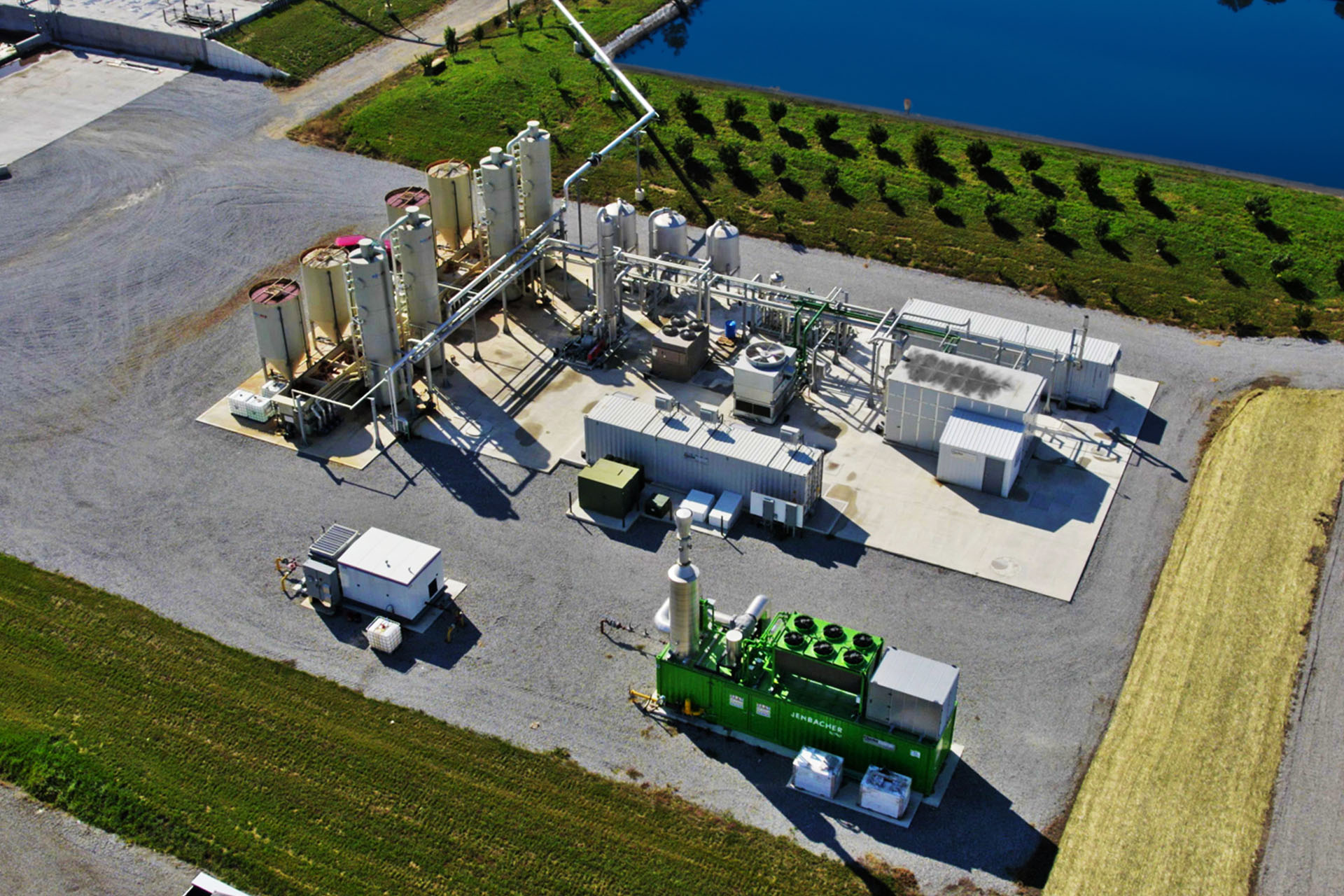
About the Livestock and Manure Sector
Livestock farms generate large volumes of manure, slurry, and other organic residues that, if left untreated, can release methane — a potent greenhouse gas with a global warming potential many times greater than carbon dioxide. Managing these materials effectively is critical for both environmental protection and farm profitability.
By capturing and using these organic wastes through anaerobic digestion, livestock farms can transform a significant emissions challenge into a clean energy opportunity. The process produces biogas, a renewable fuel composed mainly of methane (CH₄) and carbon dioxide (CO₂), which can be used in combined heat and power (CHP) systems to generate renewable electricity and heat directly onsite.
Modern agricultural biogas plants can also integrate biogas upgrading technologies to refine biogas into biomethane — a high-purity renewable gas suitable for injection into the natural gas grid or for use as a sustainable transport fuel. This approach enables farmers to reduce emissions, cut energy costs, and contribute to circular, low-carbon farming by turning manure and waste into valuable renewable energy resources.
Benefits of Biogas and CHP for Livestock Farms
• Renewable Energy from Waste: Converts manure, slurry, and agricultural residues into clean, renewable biogas, turning emissions challenges into energy opportunities.
• Reduced Greenhouse Gas Emissions: Captures methane that would otherwise escape into the atmosphere, significantly lowering the farm’s carbon footprint.
• Energy Cost Savings: Generates onsite electricity and heat, reducing grid dependency and providing long-term cost stability.
• Nutrient Recovery and Circularity: Produces digestate that replaces chemical fertilisers, improving soil health and closing the nutrient cycle.
• Revenue from Renewable Gas: Upgraded biomethane can be injected into the grid or used as vehicle fuel, creating an additional income stream.
• CO₂ Capture and Reuse: Recovered carbon dioxide from upgrading can be sold or used in other applications, supporting carbon-neutral operations.
• Energy Resilience: Onsite generation provides reliable power for farm operations and offers independence from external energy supply interruptions.
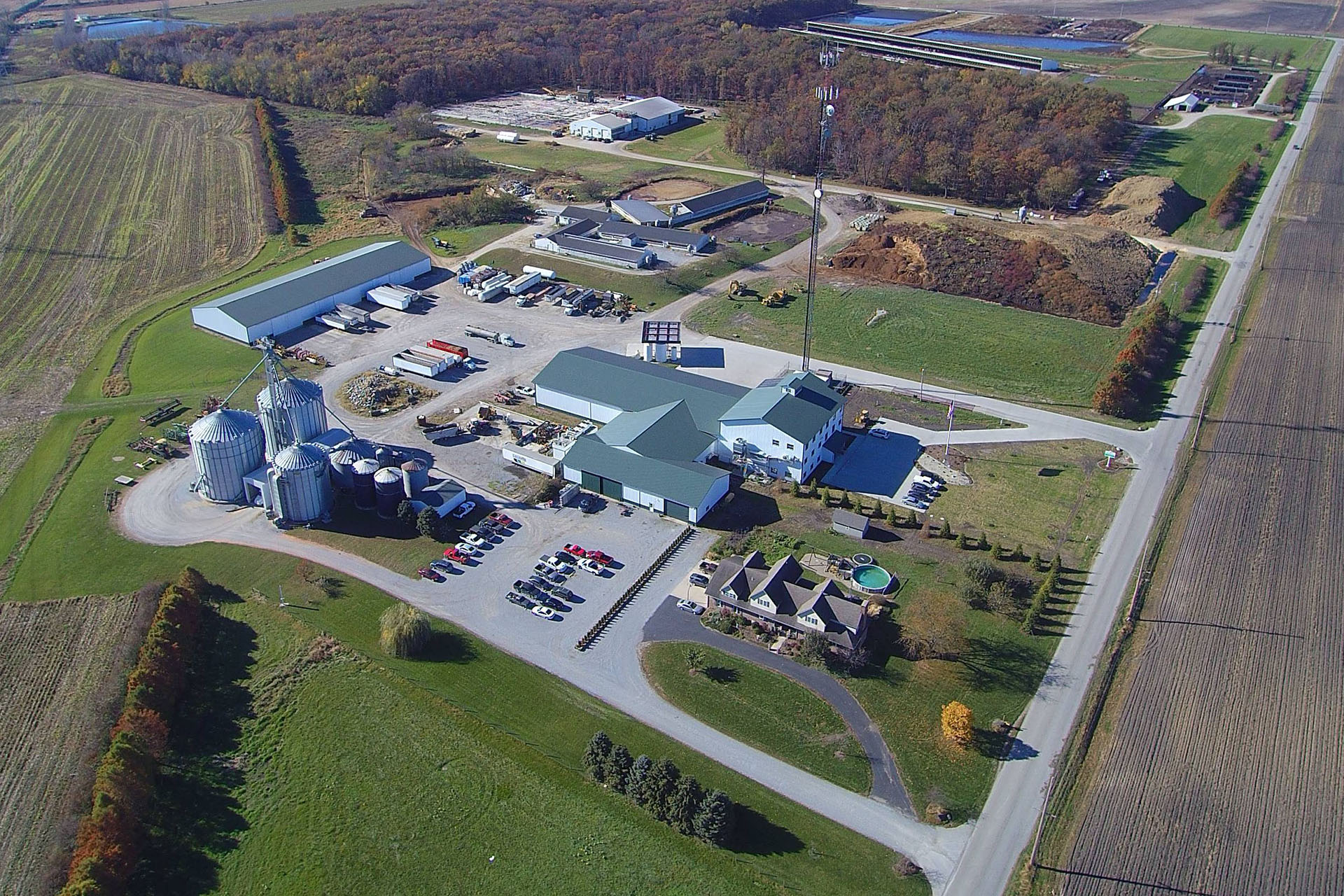
Discover More
Biogas Generation
Combined Heat and Power (CHP)
Biogas Upgrading
CO₂ Recovery and Reuse
Biogas Generation
Anaerobic digestion enables livestock farms to convert manure, slurries, and organic residues into biogas. The digestion process stabilises waste, reduces odours, and prevents methane release into the atmosphere. The biogas produced typically contains 55–70% methane and can be used directly in CHP systems for renewable power and heat generation.
This process not only provides an energy source but also produces digestate — a valuable by-product that can replace synthetic fertilisers, closing the loop between waste management and nutrient recovery.
Combined Heat and Power (CHP)
CHP systems efficiently convert biogas into electricity and useful heat, achieving total efficiencies of more than 80%. The recovered thermal energy can be used for space heating, water heating, or maintaining digester temperatures. By using waste-derived biogas, CHP delivers renewable power directly where it’s produced, cutting costs and emissions while increasing energy resilience.
Biogas Upgrading
Biogas upgrading technology refines raw biogas into biomethane, a renewable substitute for natural gas. Using techniques such as membrane separation or pressure swing adsorption, CO₂ and impurities are removed to achieve grid-quality methane. Biomethane can be injected into local gas networks or used as a transport fuel, offering farmers a new revenue stream while contributing to rural decarbonisation.
When integrated with CHP systems, biogas upgrading allows flexibility — enabling farms to use biogas onsite or upgrade and export it depending on market and operational needs.
CO₂ Recovery and Reuse
The biogas upgrading process releases purified carbon dioxide that can be captured and reused for industrial or agricultural applications such as crop enrichment in greenhouses. This CO₂ recovery further enhances circularity and reduces overall emissions from farm energy systems.
By capturing and reusing both methane and carbon dioxide, farms can achieve near-zero waste energy cycles, turning greenhouse gases into productive, renewable resources.
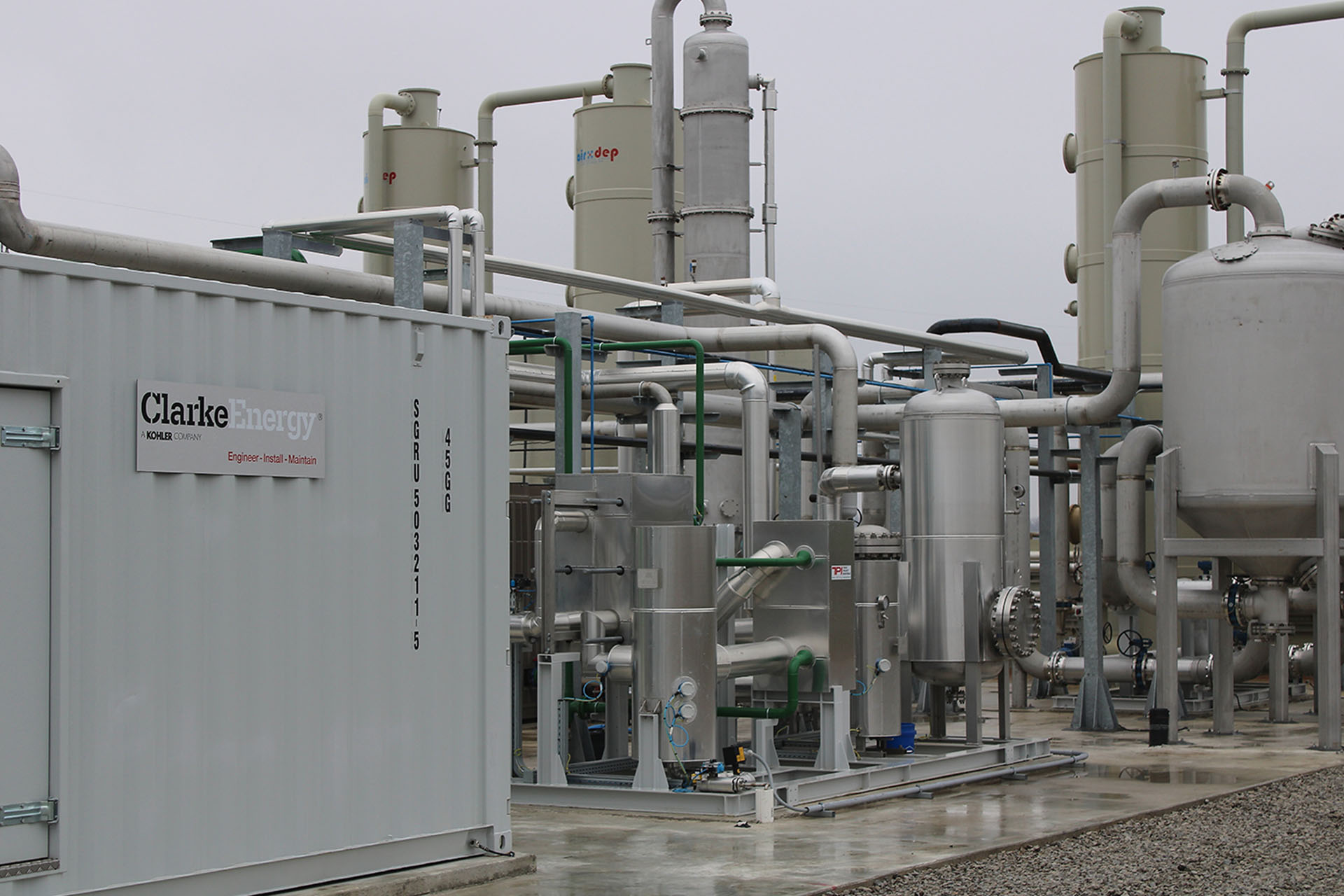
Why Clarke Energy for Livestock Farm Projects?
Clarke Energy provides integrated biogas and CHP systems tailored for agricultural operations. Our experience in farm-based anaerobic digestion enables the delivery of efficient, reliable, and low-carbon energy solutions that maximise resource recovery.
Our key advantages include:
• Comprehensive turnkey delivery – covering design, engineering, installation, and long-term maintenance of the CHP engine or biogas upgrader
• Proven agricultural expertise – extensive experience across livestock, dairy, and mixed farm biogas applications.
• Integrated technologies – combining CHP, biogas upgrading, and CO₂ recovery for complete energy and resource utilisation.
• Future-ready solutions – INNIO Jenbacher gas engines capable of operating on biogas, biomethane, and hydrogen blends.
• End-to-end service support – including predictive maintenance, remote monitoring, and local service teams.
Frequently Asked Questions about Livestock Farm Energy Systems
Technical and Engineering
How does CHP improve energy efficiency on farms?
CHP converts biogas into electricity and heat, providing onsite renewable power and reducing reliance on external supply.
Can CHP systems operate on variable biogas quality?
Yes. Clarke Energy’s Jenbacher engines handle variations in gas quality typical of agricultural feedstocks.
What is biogas upgrading and how does it benefit farms?
It refines biogas into biomethane for grid injection or transport fuel, creating new income opportunities.
How does CO₂ recovery improve sustainability?
Captured CO₂ from upgrading can be reused, reducing emissions and supporting carbon-neutral operations.
Financial and Commercial
What are the cost benefits of biogas CHP systems?
CHP systems can reduce energy costs by up to 30% while generating revenue from surplus power or heat.
Can farmers sell upgraded biomethane?
Yes. Upgraded biomethane can be sold to the national gas grid or used in farm vehicles as a renewable fuel.
Are there government incentives for agricultural biogas projects?
Many regions provide grants or feed-in tariffs supporting renewable gas and CHP adoption in farming.
What is the expected return on investment?
Typical payback periods range from five to eight years, depending on biogas yield and energy utilisation.
Environmental and Sustainability
How does biogas use reduce greenhouse gas emissions?
By capturing methane from manure, farms prevent atmospheric release of a potent greenhouse gas.
Can these systems help farms achieve net-zero goals?
Yes. CHP and biogas upgrading provide renewable energy while offsetting fossil fuel use.
What are the sustainability advantages of digestate?
Digestate replaces chemical fertilisers, improving soil health and closing the nutrient cycle.
How does CO₂ recovery support circular farming?
By reusing carbon streams, farms create a closed-loop energy and fertiliser system with minimal waste.
Operational and Implementation
Can CHP and upgrading systems be added to existing digesters?
Yes. Clarke Energy designs modular systems that integrate easily with existing farm infrastructure.
How long do CHP and biogas systems last?
With proper service, systems can operate efficiently for 15–20 years.
Can CHP systems operate independently from the grid?
Yes. CHP systems can run in island mode, providing reliable onsite power even during outages.
What maintenance support does Clarke Energy provide?
Clarke Energy offers complete lifecycle support, including 24/7 monitoring and predictive maintenance.
Looking to Turn Agricultural Waste Into Renewable Energy?
Our experts can provide the insight and support you need to evaluate options and achieve the right energy solution for your business.