

Utilities
Reliable, efficient, and flexible power generation for utility-scale and distributed energy networks.
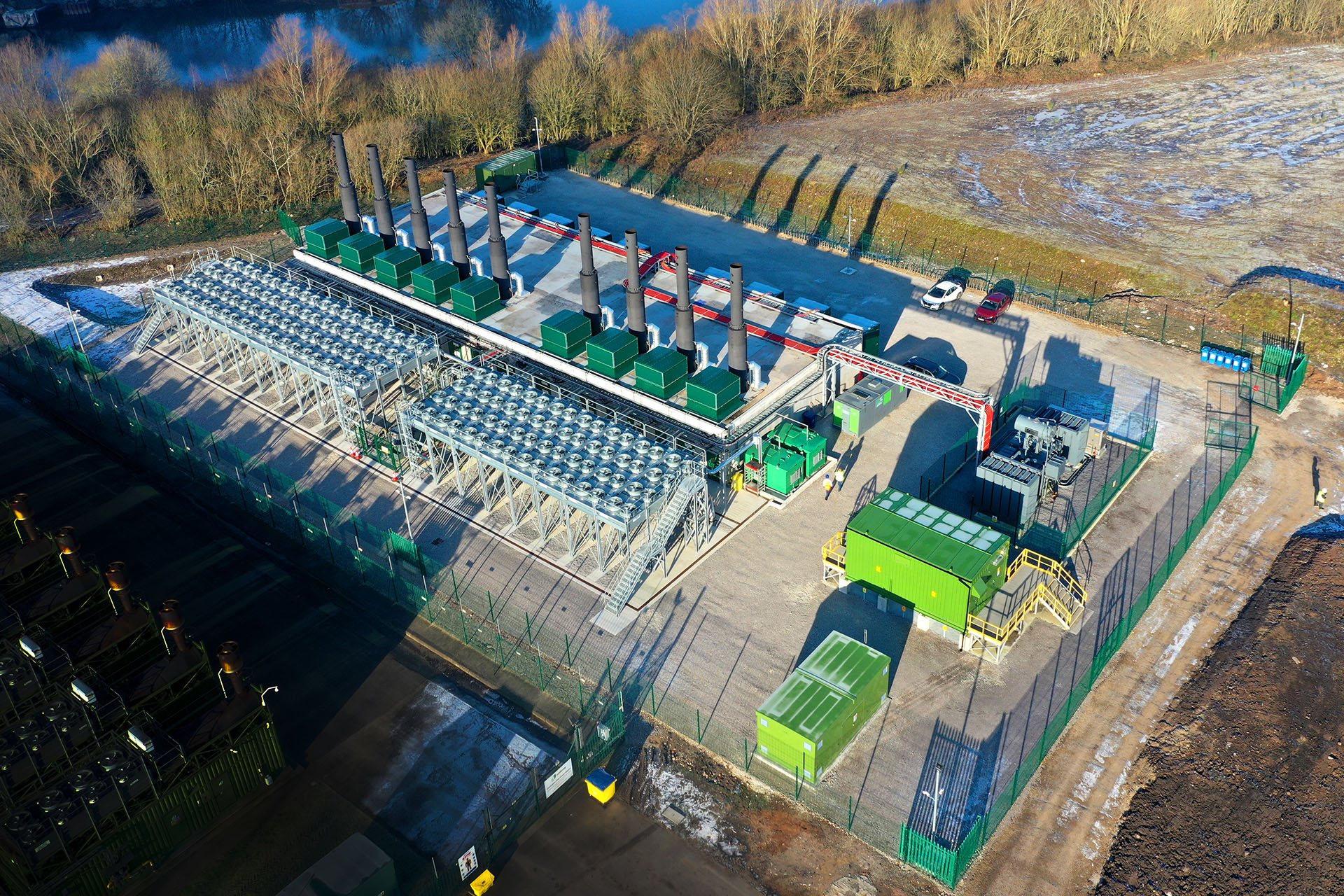
About the Utilities Industry
The utilities sector is undergoing rapid transformation as energy networks evolve to accommodate decentralised generation, renewable integration, and growing demand for secure, low-carbon electricity. Utilities today must deliver reliable power while balancing flexibility, efficiency, and environmental performance across an increasingly complex grid.
Gas engine power plants and flexible generation systems provide utilities with dependable and responsive capacity that complements renewable energy sources such as wind and solar. These distributed power stations can operate continuously or in peaking mode to stabilise voltage and frequency, supporting overall grid reliability.
With modular configuration and fast-start capability, gas engine power plants allow utilities to deploy capacity rapidly where it is needed most — from regional substations to localised generation hubs. This approach reduces transmission losses, enhances resilience, and ensures reliable supply in both grid-connected and isolated network environments.
Benefits of Flexible Power Generation for Utilities
• Grid Support and Stability: Provides responsive power to manage load variation and maintain network frequency.
• High Efficiency: Delivers electrical efficiency up to 50% with full utilisation of recovered heat exceeding 80%.
• Fast Start and Dispatch: Rapid start-up within minutes for grid balancing and peak-load support.
• Local Generation Capability: Produces power closer to demand centres, improving reliability and reducing losses.
• Fuel Flexibility: Operates on natural gas, LNG, associated gas, or hydrogen-enriched fuels.
• Scalable and Modular: Allows utilities to add capacity incrementally as demand grows.
• Reduced Emissions: Achieves lower CO₂, NOₓ, and particulate emissions compared with traditional thermal plants.
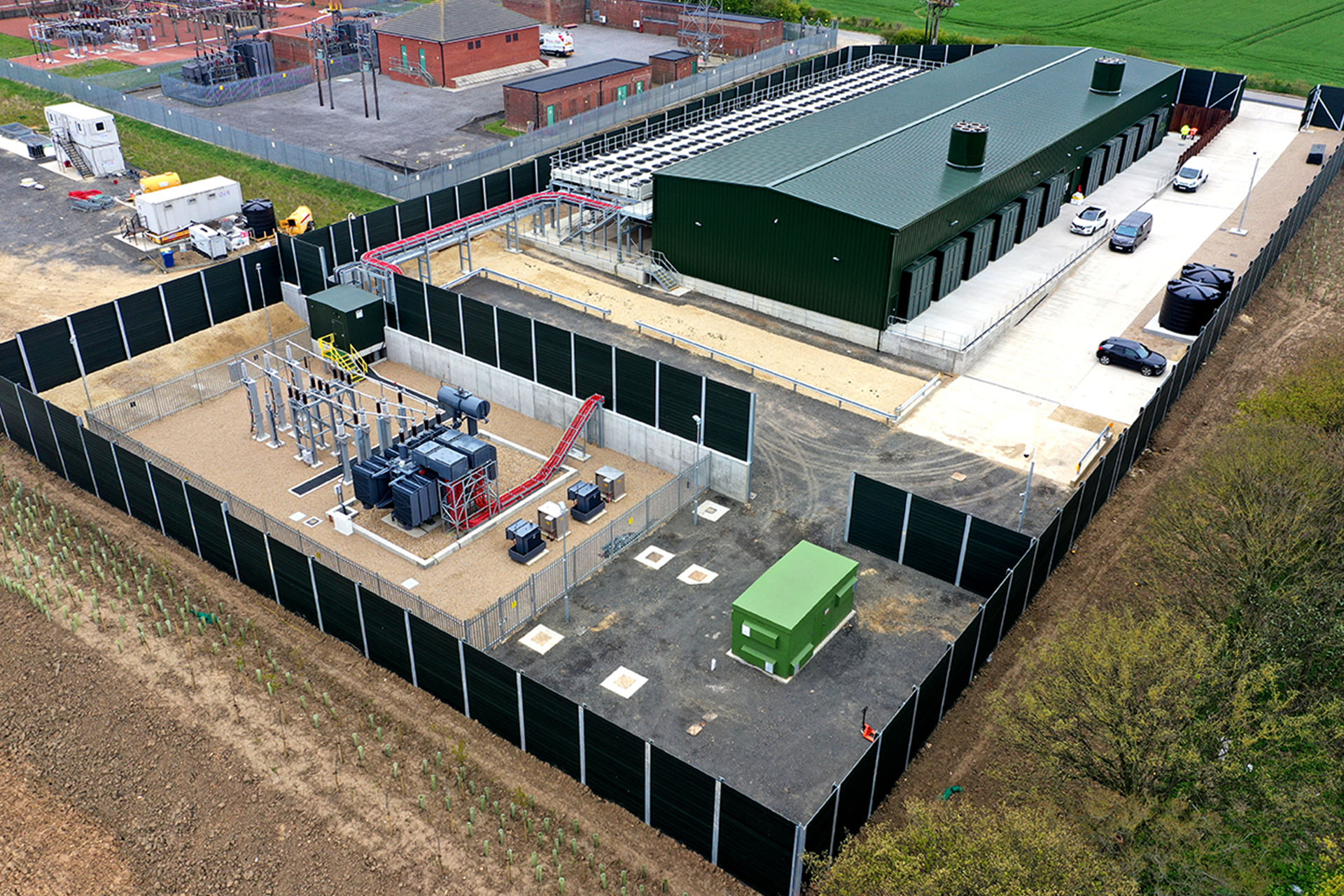
Discover More
Gas Engine Power Generation
Flexible Generation for Grid Stability
Energy Resilience and Local Generation
Grid Balancing and Ancillary Services
Gas Engine Power Generation
Gas engine power stations deliver efficient, controllable electricity generation for utilities requiring dependable capacity. Designed for continuous or peaking operation, these plants offer rapid start-up and strong part-load efficiency, making them ideal for grid support or contingency supply. Modular plant design allows capacity to be added incrementally and deployed close to demand centres. With electrical efficiencies up to 50% and the option for combined heat recovery, gas engine technology provides utilities with an adaptable and sustainable foundation for reliable energy supply.
Flexible Generation for Grid Stability
Flexible generation systems enable utilities to balance supply and demand rapidly in response to variable loads and renewable intermittency. Gas engines can start and reach full output within minutes, maintaining network frequency and stability under changing grid conditions. Their fast and efficient response makes them ideal for capacity and balancing markets, supporting utilities in providing reliable, low-carbon energy. This operational agility ensures that utilities can maintain service continuity while optimising cost and fuel efficiency.
Energy Resilience and Local Generation
Reliable energy supply is essential for utility networks serving growing and distributed demand. Gas engine power plants provide dependable, localised generation that strengthens grid stability and ensures uninterrupted energy delivery. Installed at substations or regional nodes, these facilities reduce transmission losses, reinforce voltage control, and provide fast-response backup during grid disturbances or peak demand. Their modular design supports flexible deployment and future scalability, allowing utilities to expand capacity efficiently. By generating power closer to consumption points, gas engine systems improve efficiency, enhance resilience, and support progress toward low-carbon, decentralised energy networks.
Grid Balancing and Ancillary Services
Gas engine plants support utilities through participation in grid-balancing and ancillary service markets, providing spinning reserve, frequency regulation, and black-start capability. Their fast-response performance helps maintain system equilibrium and prevents outages during periods of high variability. These plants complement renewable generation by providing dependable backup capacity, ensuring consistent power supply. The proven agility and reliability of gas engines make them an essential asset for utilities managing complex, low-carbon energy networks.
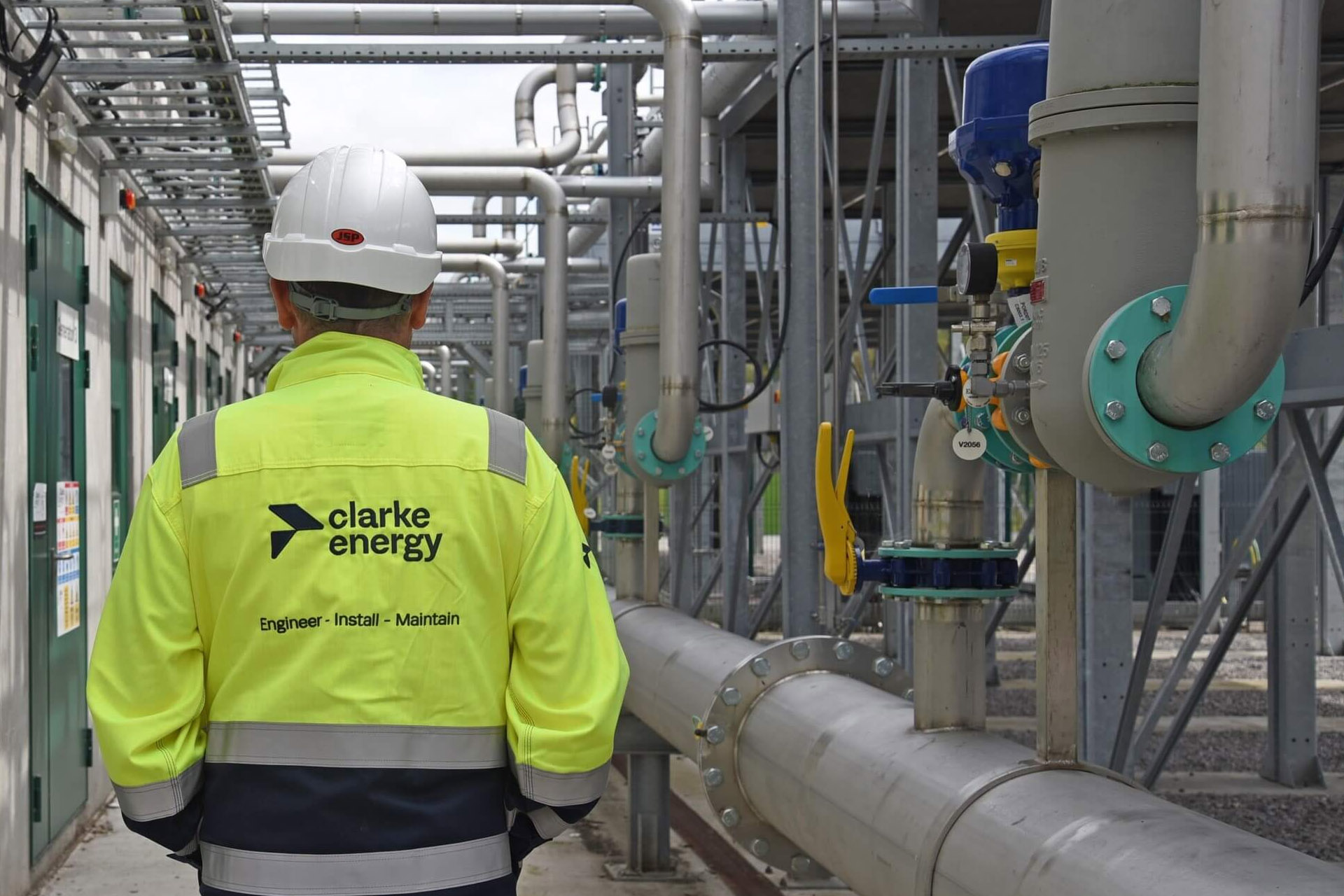
Why Clarke Energy for Utility Energy Projects
Clarke Energy provides efficient, scalable, and low-carbon power generation solutions tailored to the needs of utility operators. Our gas engine technology and expertise in distributed generation help utilities improve network reliability, efficiency, and sustainability.
Our key advantages include:
• Proven utility experience – supporting grid operators and energy providers with flexible generation solutions worldwide.
• Turnkey project capability – covering design, engineering, installation, and lifetime maintenance.
• Fast-response technology – INNIO Jenbacher engines delivering rapid start-up and load response.
• Scalable configurations – modular systems for flexible capacity expansion and localised generation.
• Fuel versatility – compatible with natural gas, LNG, associated gas, or hydrogen-enriched blends.
• Comprehensive service support – 24/7 monitoring, predictive maintenance, and dedicated regional service teams.
Frequently Asked Questions about Utility Power Generation Systems
Technical and Engineering
What role does flexible generation play in modern utilities?
It provides fast, dispatchable power that balances renewable variability and stabilises grid frequency.
Can these plants be deployed close to demand centres?
Yes. Modular gas engine plants can be installed near substations or industrial zones to strengthen local supply.
What efficiency levels can be achieved?
Electrical efficiencies of up to 50%, with overall system efficiency above 80% when heat recovery is used.
Can gas engine plants operate continuously or intermittently?
Yes. They are suitable for baseload, peaking, or standby operation depending on network requirements.
Financial and Commercial
How do flexible generation assets support utility revenues?
They allow participation in capacity markets, ancillary services, and short-term balancing markets.
Are modular power plants cost-effective?
Yes. They require lower upfront investment and can be deployed incrementally to match growth in demand.
How quickly can these systems be commissioned?
Depending on permitting and logistics, modular gas engine plants can be delivered and operational within months.
Do they reduce grid operating costs?
Yes. Distributed generation reduces transmission losses and enhances network efficiency.
Environmental and Sustainability
How do gas power systems reduce environmental impact?
They offer lower CO₂ and pollutant emissions compared with coal or diesel-fired plants.
Can these systems support renewable integration?
Yes. Their fast-start capability complements intermittent renewable generation by providing firm, controllable power.
Can utilities use low-carbon or renewable fuels?
Yes. INNIO Jenbacher engines can run on hydrogen-enriched or renewable gas blends.
Do these systems support long-term decarbonisation?
Yes. High-efficiency gas generation forms a transitional technology toward net-zero energy systems.
Operational and Implementation
What is the typical lifespan of gas engine power plants?
With regular servicing, systems typically operate efficiently for 15–20 years.
What maintenance services does Clarke Energy provide?
Comprehensive lifecycle support including remote monitoring, predictive maintenance, and rapid field response.
Can capacity be expanded over time?
Yes. Modular designs allow utilities to scale up generation capacity easily.
Are Clarke Energy systems grid-compliant?
Yes. All solutions are engineered to meet regional grid codes and performance standards.
Looking for a Reliable, Efficient, and Low-Carbon Energy Solution?
Our experts can provide the insight and support you need to evaluate options and achieve the right energy solution for your business.