

Shopping Centres and Retail Parks
Efficient, reliable, and sustainable energy for retail and commercial developments.
About Shopping Centres and Retail Parks
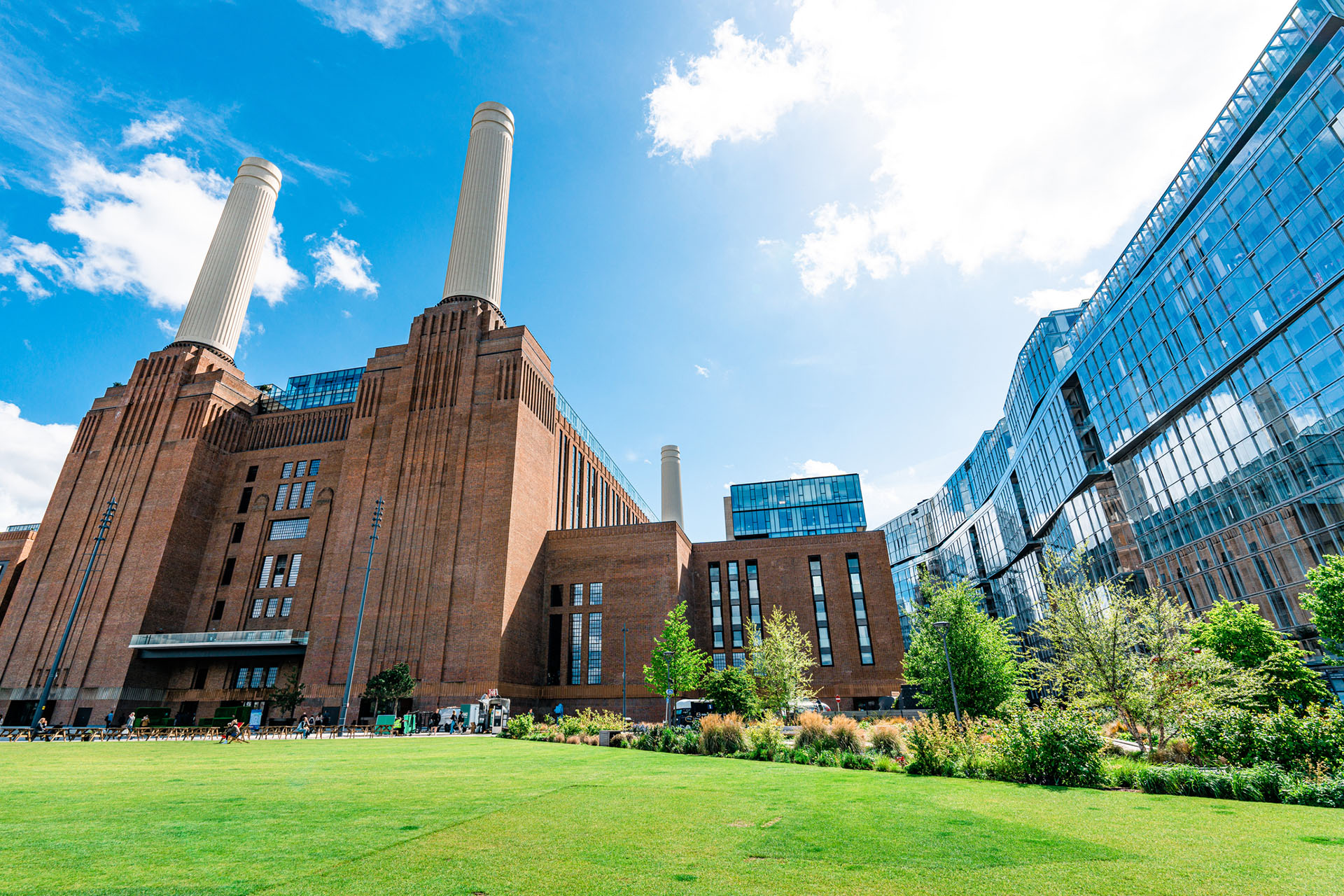
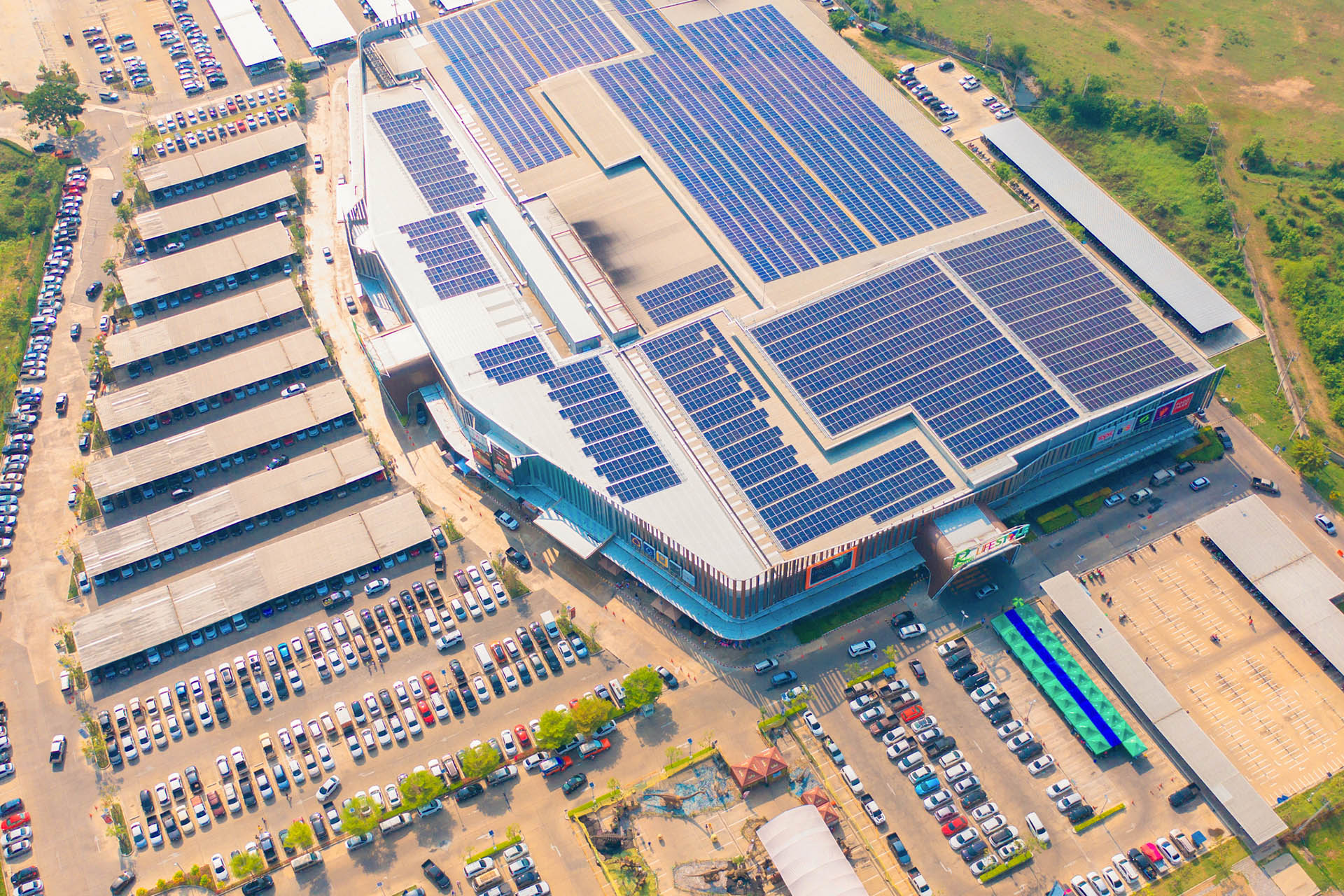
Shopping centres and retail parks combine multiple commercial units, restaurants, leisure facilities, and public spaces — all requiring dependable electricity, heating, and cooling. These developments operate extended hours, hosting high footfall and diverse tenants with varying energy demands. As energy costs rise and sustainability targets tighten, operators are seeking efficient, low-carbon ways to reduce consumption and maintain comfortable environments for shoppers and tenants alike.
Combined heat and power (CHP) provides an efficient, onsite energy solution for retail developments by generating both electricity and useful heat from a single fuel source. When configured as trigeneration (CCHP), it can also produce chilled water for air-conditioning and refrigeration, ensuring efficient year-round temperature control.
Integrated with microgrid control systems, CHP and CCHP technologies form part of a smart energy network that manages onsite generation, renewable integration, and energy storage. This approach enhances reliability, optimises energy performance, and supports the long-term sustainability goals of retail property owners and operators. Shopping and retail parks can also form the anchor load in wider district energy schemes.
Benefits of Flexible Energy Systems for Retail Developments
• Generates reliable power, heating, and cooling from a single high-efficiency system.
• Reduces operational costs and stabilises long-term energy pricing.
• Cuts carbon emissions through efficient fuel use and renewable compatibility.
• Improves resilience by providing backup during grid interruptions.
• Enables smart energy management and integration with renewable technologies.
Energy Resilience in Retail and Commercial Buildings
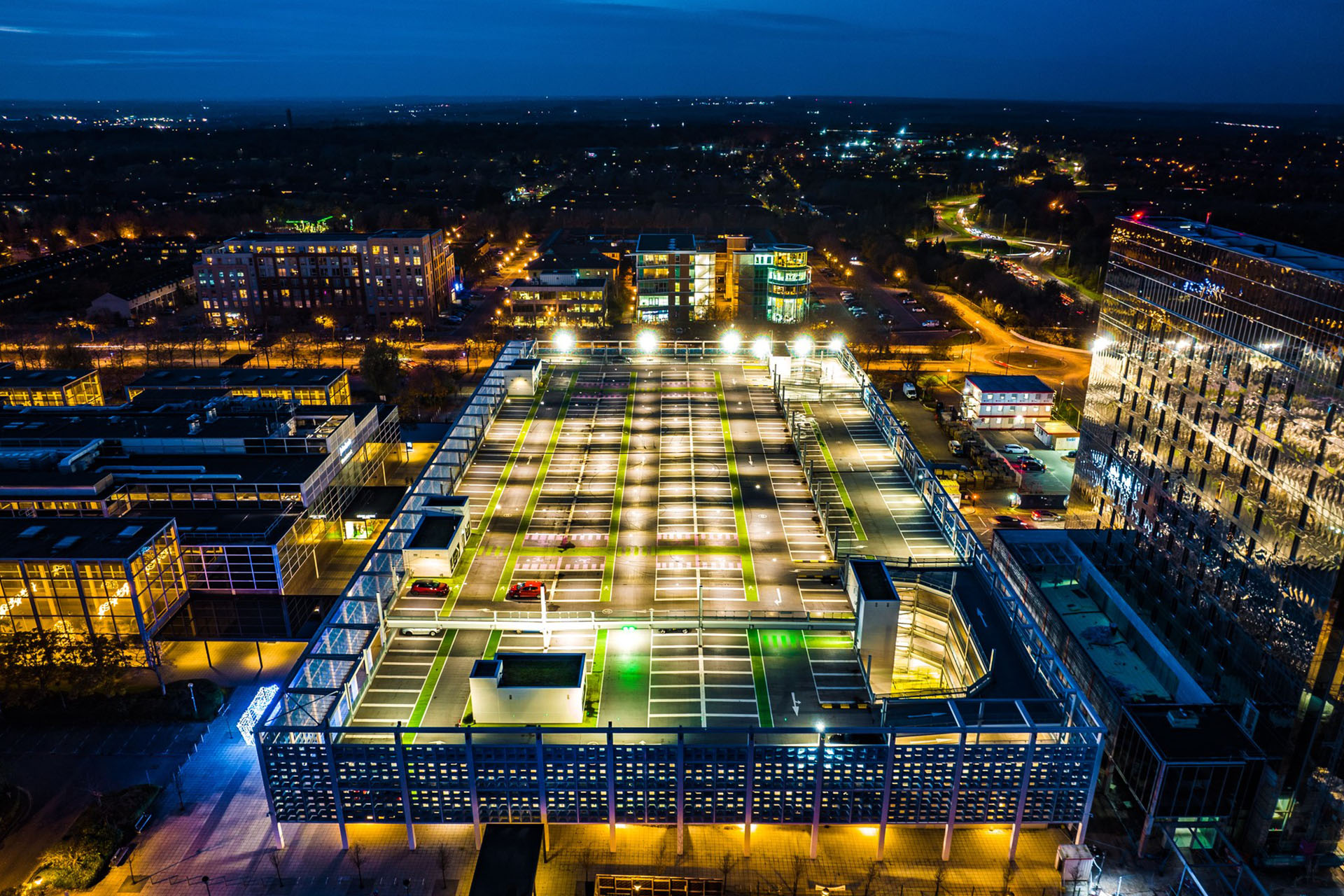
Maintaining energy supply in large retail environments is essential for customer comfort, tenant operations, and safety systems. Power disruptions can affect lighting, HVAC, refrigeration, and digital systems — directly impacting trade and customer experience.
CHP and CCHP systems provide secure onsite generation that continues to operate even during grid outages, ensuring essential services remain active. When connected within a microgrid, these systems can balance generation and demand, integrate battery storage, and optimise energy flows across multiple buildings or tenants.
This combination of reliability and control enhances both operational resilience and sustainability performance while helping owners meet corporate environmental objectives.
Discover More
Combined Heat and Power (CHP)
Trigeneration (CCHP)
Microgrids
District Energy
Combined Heat and Power (CHP)
CHP systems generate electricity and recover waste heat from the engine’s exhaust and cooling systems to provide heating and hot water for retail environments. With overall efficiencies exceeding 80%, CHP offers a cost-effective and reliable energy supply for shopping centres, leisure complexes, and mixed-use developments. By reducing reliance on grid electricity and traditional boilers, CHP lowers operational costs and carbon emissions while maintaining consistent comfort levels for tenants and visitors. This dependable onsite energy solution enhances building performance and supports long-term sustainability objectives within the retail sector.
Trigeneration (CCHP)
CCHP systems extend CHP by using recovered heat to produce chilled water via absorption chillers. This process enables efficient cooling for air-conditioning, refrigeration, and temperature control across large retail spaces. By providing electricity, heating, and cooling from a single energy source, CCHP reduces peak electricity demand, minimises emissions, and enhances overall energy efficiency. Ideal for shopping centres operating throughout the year, trigeneration ensures stable comfort conditions for occupants while helping operators achieve meaningful reductions in operating costs and environmental impact.
Microgrids
Microgrids integrate CHP and CCHP systems with renewable energy sources and battery storage to create efficient, decentralised power networks. They provide localised control over generation and consumption, allowing shopping centres and retail parks to manage demand intelligently and continue operating during grid outages. Microgrids also enable demand optimisation and tariff management, improving cost efficiency and sustainability performance. By combining flexible onsite generation with renewables, microgrids deliver resilient, low-carbon energy systems that align with the evolving sustainability goals of modern retail developments.
District Energy
Shopping and retail energy networks have the potential to play a transformative role in wider district energy schemes by acting as anchor loads that stabilize demand and improve the economic viability of shared energy infrastructure. These commercial hubs often have predictable energy usage patterns and large thermal loads, making them ideal candidates for integration into district heating and cooling systems. By connecting retail centers to local energy networks—especially those powered by low-carbon or renewable sources—communities can benefit from improved energy efficiency, reduced emissions, and enhanced resilience. Moreover, retail participation can catalyse broader stakeholder engagement, encouraging nearby residential and public buildings to join the network and accelerating the transition to more sustainable urban energy ecosystems.
Why Clarke Energy for Retail and Commercial Projects?
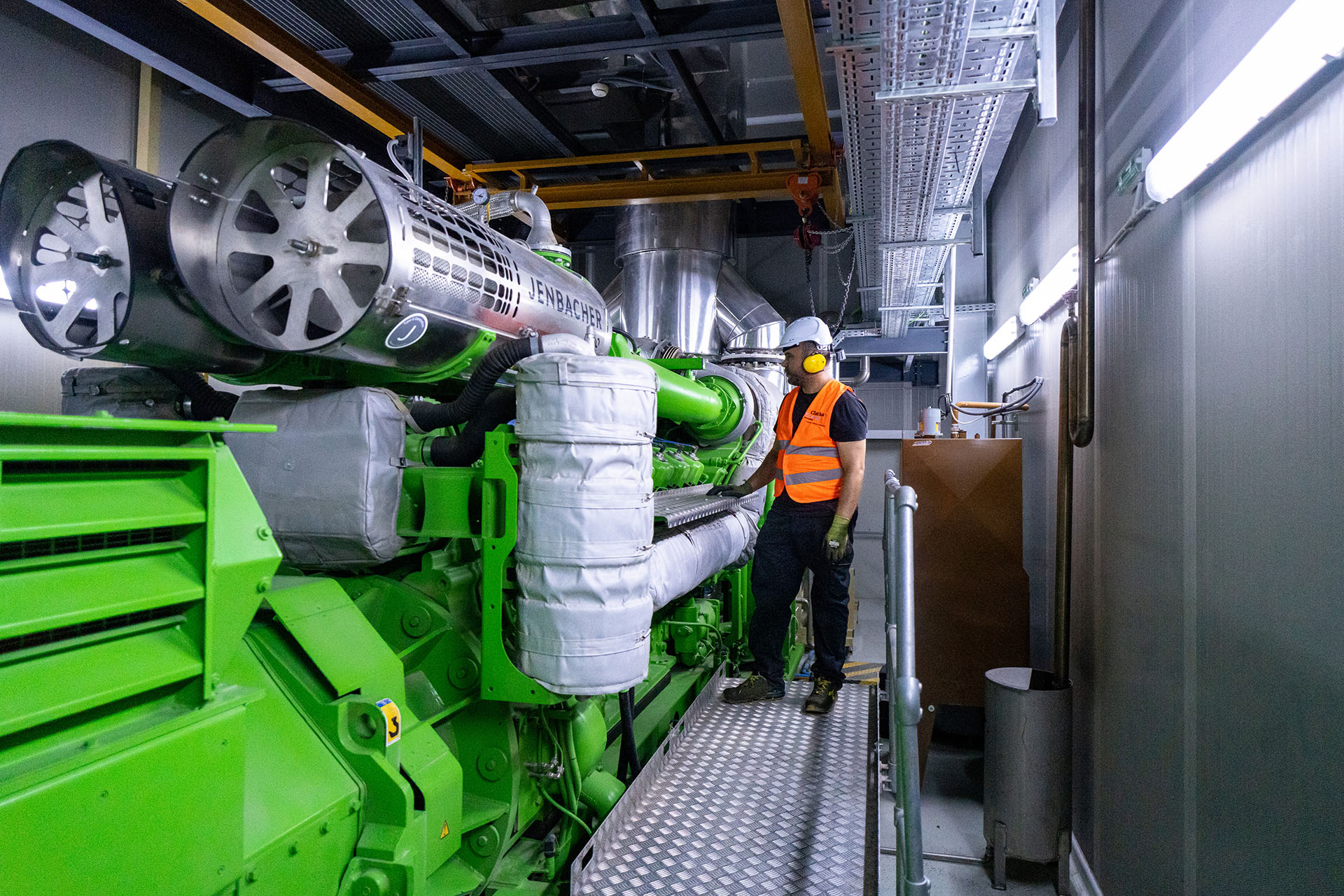
Clarke Energy delivers efficient, low-carbon energy systems tailored to the needs of retail and commercial developments. Our expertise in CHP, CCHP, and microgrid integration enables operators to achieve reliable, sustainable, and cost-effective performance across large property portfolios.
Our key advantages include:
• Turnkey project capability – from design and installation through to commissioning and service.
• Extensive commercial experience – delivering CHP, CCHP, and hybrid systems for retail and mixed-use buildings.
• Integrated solutions – combining power, heating, cooling, and control systems for maximum efficiency.
• Future-ready technology – INNIO Jenbacher engines compatible with renewable and hydrogen fuels.
• Comprehensive service support – long-term maintenance, remote monitoring, and performance optimisation.
Frequently Asked Questions about Retail Energy Systems
Technical and Engineering
How does CHP improve energy efficiency in retail developments?
CHP systems generate electricity and heat simultaneously, significantly increasing efficiency compared to separate grid power and boiler systems.
What are the advantages of trigeneration (CCHP)?
Trigeneration adds cooling to CHP systems, delivering power, heat, and chilled water for HVAC and refrigeration — ideal for year-round operation.
Can CHP and CCHP systems be integrated into existing retail infrastructure?
Yes. Modular designs allow straightforward integration into existing plant rooms or energy centres with minimal disruption.
Do microgrids improve energy control?
Yes. Microgrids enable real-time management of onsite energy generation, storage, and usage, improving efficiency and reducing dependency on the grid.
Financial and Commercial
What cost savings can CHP and CCHP deliver?
By improving overall energy efficiency and reducing grid reliance, CHP and CCHP systems can lower operational energy costs and improve budget predictability.
Are CHP systems suitable for shared retail estates?
Yes. CHP plants can supply multiple buildings or tenants, distributing heat, power, and cooling efficiently across a shared network.
Is there financial support available for low-carbon energy systems?
In many regions, retail developers may access incentives or grants promoting energy efficiency and carbon reduction technologies.
What is the payback period for CHP or CCHP systems?
Typical payback periods range between five and eight years, depending on energy consumption and operating profiles.
Environmental and Sustainability
How do CHP and CCHP systems reduce carbon emissions?
They maximise fuel efficiency and recover waste heat, reducing overall energy consumption and greenhouse gas emissions.
Can retail CHP systems run on renewable fuels?
Yes. Clarke Energy’s Jenbacher engines can use renewable gases such as biogas or biomethane, supporting sustainable retail operations.
Are these systems hydrogen-ready?
Yes. Our gas engines can be upgraded for hydrogen use as supply infrastructure develops.
How do microgrids contribute to sustainability?
By integrating renewables and improving demand control, microgrids optimise energy use and support carbon reduction objectives.
Operational and Implementation
Can CHP systems operate during grid outages?
Yes. When configured correctly, CHP systems can maintain critical power and heating independently from the grid.
How does Clarke Energy ensure system reliability?
Through expert design, predictive maintenance, and remote monitoring, Clarke Energy ensures high uptime and operational continuity.
What maintenance is required for gas engine systems?
Routine servicing and component inspections maintain long-term efficiency and reliability.
How long do CHP and CCHP systems typically last?
With proper maintenance, CHP and CCHP installations can operate efficiently for 15–20 years.
Looking for a Reliable, Efficient, and Low-Carbon Energy Solution?
Our experts can provide the insight and support you need to evaluate options and achieve the right energy solution for your business.