

Military Bases
Reliable, efficient, and resilient onsite energy for defence and security facilities.

About Military Bases
Military installations and defence facilities require highly reliable and secure energy systems to power operations, living quarters, training centres, and mission-critical infrastructure. Bases often operate continuously, supporting communications, logistics, and strategic readiness, where any disruption to power or heat supply can impact national security and personnel welfare.
As defence organisations aim to modernise infrastructure, reduce emissions, and enhance energy independence, Combined heat and power (CHP) and trigeneration (CCHP) systems offer proven solutions. These technologies deliver high-efficiency, low-carbon energy for diverse on-base needs, including electricity, heating, and cooling.
When integrated within a microgrid, these systems provide the additional advantage of energy autonomy — enabling bases to operate independently from the grid if required. This combination of efficiency and resilience strengthens operational capability and supports long-term sustainability goals within the defence sector.
Benefits of Flexible Energy Systems for Military Facilities
• Provides reliable and secure onsite power, heat, and cooling for essential base operations.
• Improves energy efficiency and reduces fuel consumption.
• Enhances energy independence and mission readiness through grid-independent operation.
• Reduces carbon emissions and supports defence decarbonisation strategies.
• Enables integration with renewable technologies for sustainable energy resilience.
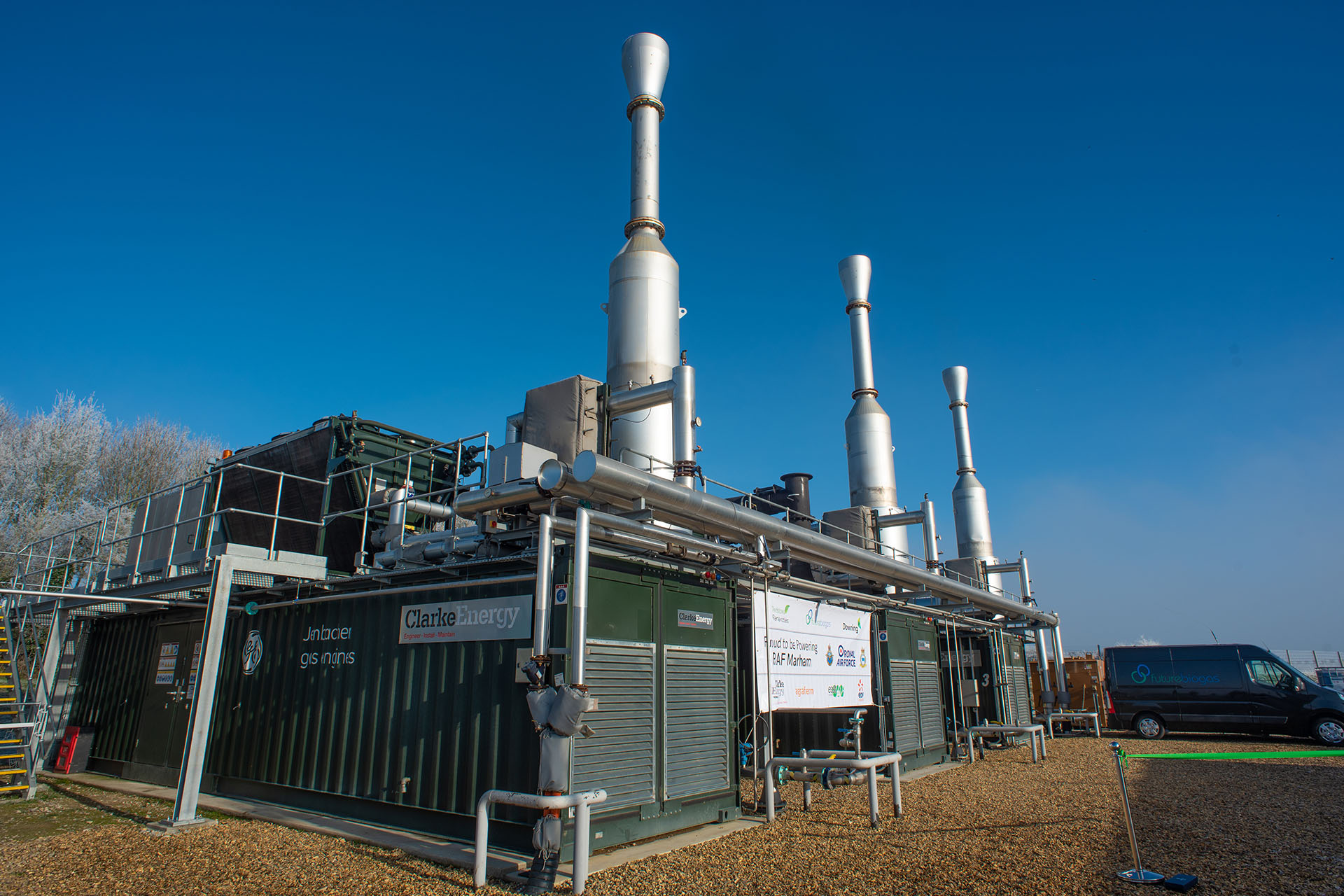
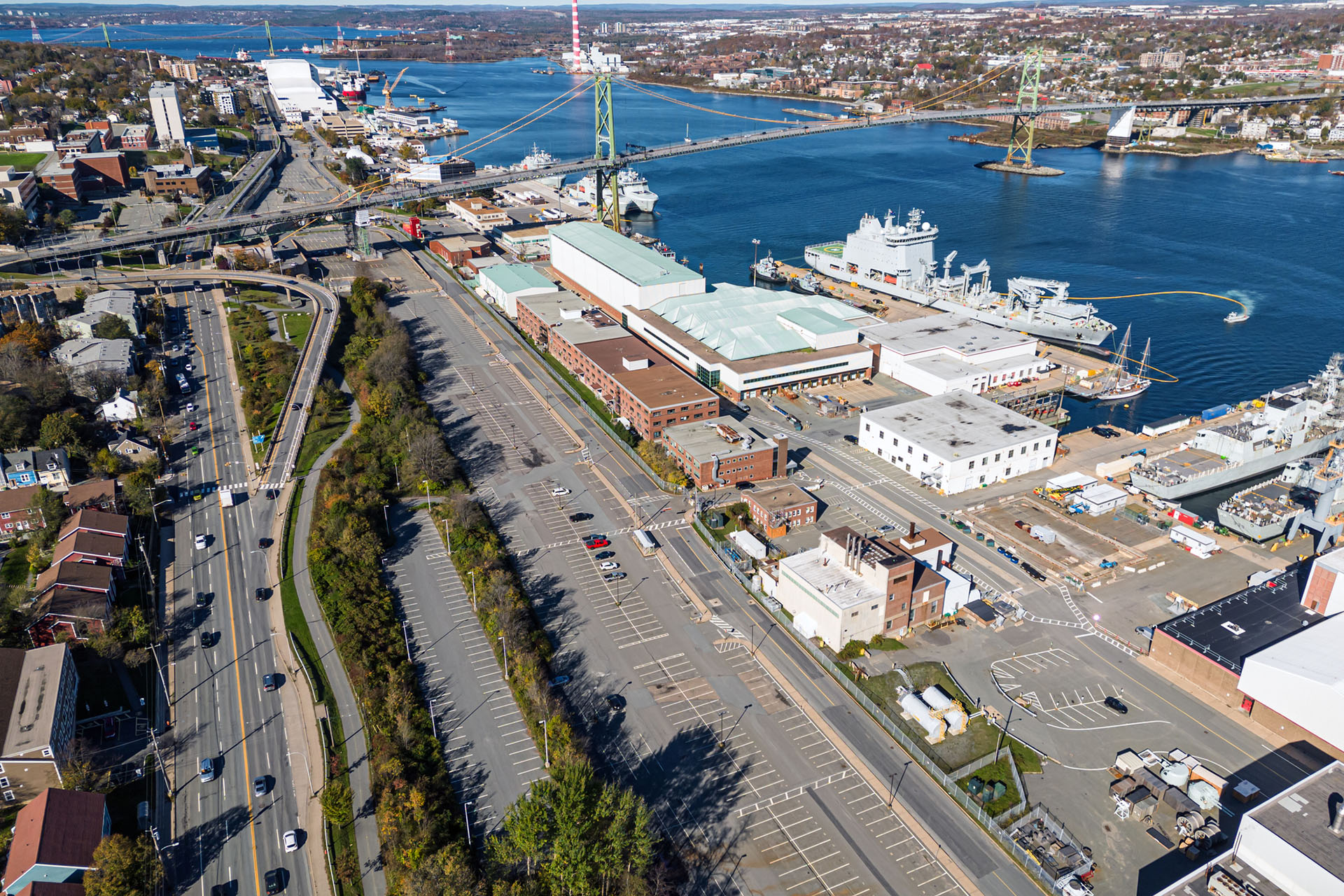
Energy Resilience and Security in Defence Operations
Energy resilience is fundamental for military facilities, where continuity of operations must be maintained under all conditions. Grid disruptions or power outages can compromise communications, data systems, and critical infrastructure.
CHP plants deliver dependable, onsite power and thermal energy while reducing reliance on external networks. When integrated as part of a microgrid, these systems can operate autonomously in island mode, ensuring continuous energy supply during grid interruptions or emergencies.
This capability enhances energy security, reduces exposure to external threats, and supports efficient use of resources across the entire installation. The result is a robust, self-reliant energy infrastructure that aligns with defence sustainability and operational priorities.
Discover More
Combined Heat and Power (CHP)
Trigeneration (CCHP)
Microgrids
Combined Heat and Power (CHP)
CHP systems generate electricity and recover waste heat for use in space heating, hot water, and other essential base services. Delivering overall efficiencies above 80%, CHP reduces fuel consumption and emissions while providing a highly reliable, decentralised energy supply. For military facilities operating around the clock, CHP offers secure and controllable onsite generation that supports mission readiness and operational stability. It also enhances resilience by ensuring continuity of power and heat during grid interruptions, helping defence organisations maintain self-sufficiency and meet long-term energy efficiency and decarbonisation targets.
Trigeneration (CCHP)
CCHP builds upon CHP by converting recovered heat into chilled water via absorption chillers, supplying efficient cooling for command centres, IT infrastructure, and accommodation blocks. This three-in-one configuration ensures comfortable, stable environments in all conditions while minimising electricity demand for conventional chillers. By providing heating, power, and cooling from a single system, CCHP reduces energy use and carbon emissions, improving sustainability across the base. Its consistent performance and controllability make it ideal for critical defence installations that depend on continuous operation and stringent environmental control.
Microgrids
Microgrids combine onsite generation, energy storage, and intelligent control systems to deliver secure, independent energy for military facilities. They can operate in grid-connected or island mode, allowing complete autonomy if external supply is disrupted. For defence sites, microgrids enhance resilience, support flexible energy management, and integrate renewable power where available. This approach strengthens operational security, ensuring critical missions and communications remain powered under all conditions. By optimising generation and storage, microgrids also reduce fuel use, lower emissions, and contribute to the armed forces’ transition toward low-carbon, energy-secure operations.
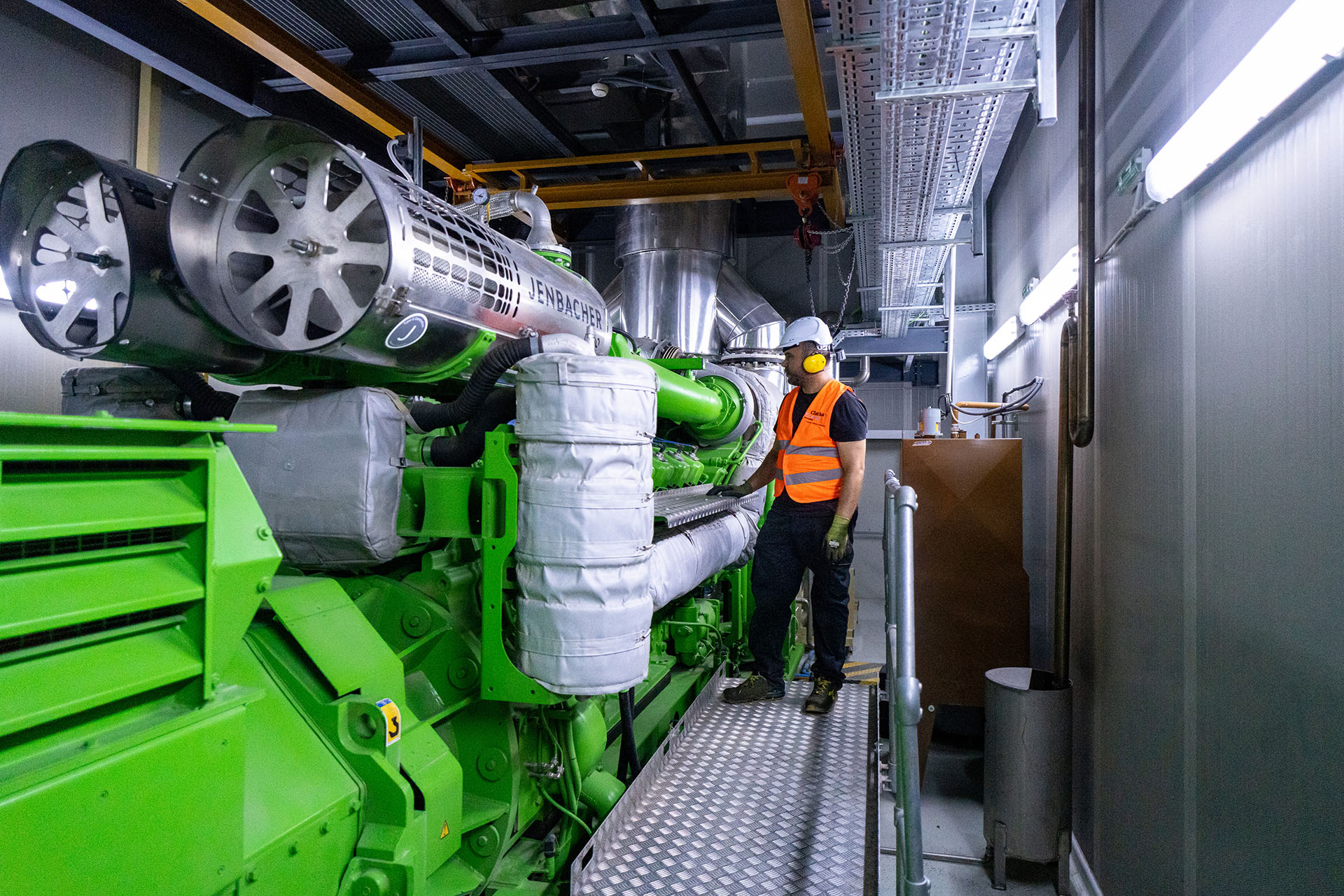
Why Clarke Energy for Defence and Military Energy Projects?
Clarke Energy provides efficient, resilient, and low-carbon energy solutions tailored to the unique operational demands of military and defence facilities. Our systems combine proven CHP, CCHP, and microgrid technologies with robust engineering and local service support.
Our key advantages include:
• Turnkey project delivery – from feasibility and design through to engineering, installation, and commissioning.
• Experience in military and critical infrastructure – delivering secure and reliable power systems for high-dependence applications.
• Integrated solutions – combining power, heat, cooling, and microgrid control to maximise performance.
• Future-ready technology – INNIO Jenbacher gas engines compatible with renewable gases and hydrogen.
• Comprehensive service support – long-term maintenance, remote monitoring, and performance optimisation for consistent reliability.
Frequently Asked Questions about Military Base Energy Systems
Technical and Engineering
How does CHP improve energy efficiency on military bases?
CHP systems provide simultaneous electricity and heat generation onsite, improving overall efficiency and reducing fuel use compared with separate supply systems.
What advantages does trigeneration (CCHP) provide for defence operations?
CCHP delivers power, heat, and cooling from a single system, maintaining operational comfort and control in all environmental conditions.
Can microgrids be integrated with existing base infrastructure?
Yes. Microgrids can connect to existing energy systems, enabling phased upgrades while maintaining full operational continuity.
Are CHP systems suitable for secure, mission-critical environments?
Yes. CHP and microgrid systems provide high reliability, autonomous control, and energy independence, meeting the security requirements of defence installations.
Financial and Commercial
How can CHP reduce operational costs for defence facilities?
By generating heat and power onsite with high efficiency, CHP reduces overall fuel and electricity costs while stabilising long-term energy budgets.
Are there government initiatives supporting low-carbon energy in defence?
Many defence agencies and governments support investment in low-carbon and resilient energy technologies for critical infrastructure.
What is the typical payback period for CHP or CCHP systems?
Payback periods typically range from five to eight years, depending on energy demand, fuel costs, and utilisation levels.
Can CHP systems provide long-term cost certainty?
Yes. Onsite generation reduces exposure to grid price volatility, enabling better forecasting and budget control.
Environmental and Sustainability
How do CHP and CCHP systems support military sustainability goals?
These technologies reduce carbon emissions through efficient energy use and can operate on renewable or hydrogen-based fuels for future decarbonisation.
Are CHP systems hydrogen-ready?
Yes. Clarke Energy’s Jenbacher engines are designed for hydrogen compatibility, supporting long-term transition to clean fuels.
Can CHP systems integrate with renewables on military sites?
Yes. CHP and microgrid systems can work alongside solar PV or wind power to maximise renewable integration and reliability.
How does flexible operation contribute to environmental performance?
By optimising generation in line with demand, CHP and microgrid systems minimise fuel use and associated emissions.
Operational and Implementation
Can CHP systems operate independently during power outages?
Yes. When configured in island mode, CHP and microgrid systems can maintain full power to critical operations during grid loss.
What kind of maintenance is required for gas engine systems?
Regular inspections, predictive maintenance, and remote monitoring ensure high reliability and long operational life.
How long do CHP and CCHP systems typically last?
With proper servicing, systems can operate efficiently for 15–20 years.
What ongoing support does Clarke Energy provide for defence clients?
Clarke Energy provides comprehensive lifecycle support including 24/7 monitoring, maintenance, and rapid-response service to ensure mission readiness.
Looking for a Reliable, Efficient, and Low-Carbon Energy Solution?
Our experts can provide the insight and support you need to evaluate options and achieve the right energy solution for your business.