

Dairies
Efficient, low-carbon onsite energy systems, providing reliable heat, power, and cooling for modern dairy operations.
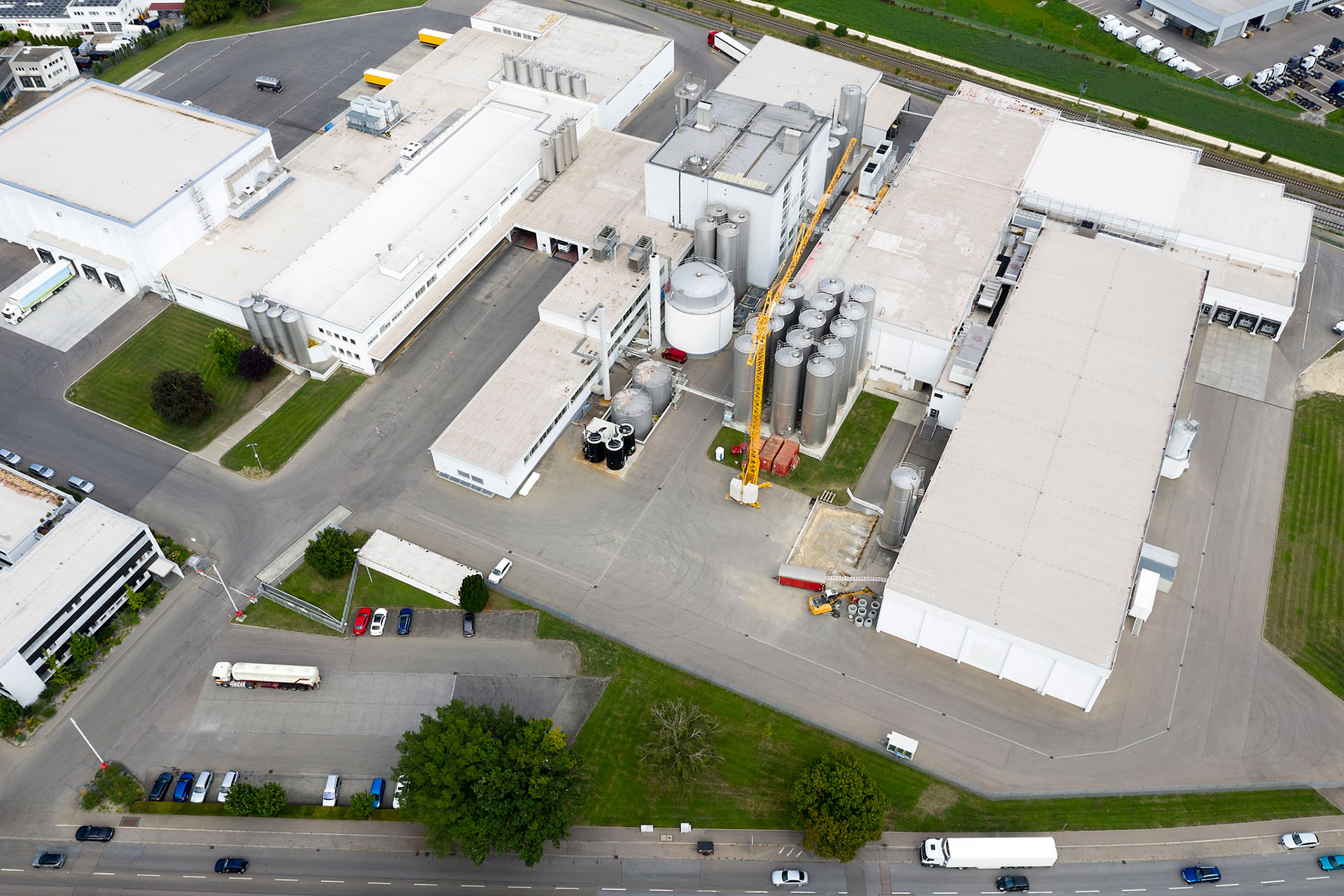
About the Dairy Industry
The dairy industry is one of the most energy-intensive sectors in food processing, requiring continuous heat, power, and cooling across multiple operations including pasteurisation, sterilisation, evaporation, refrigeration, and packaging. Maintaining product quality while managing costs and environmental impact makes energy strategy a key focus for dairies worldwide.
With rising energy prices and increased regulatory pressure to decarbonise, dairy processors are turning to high-efficiency, onsite power generation. Combined Heat and Power (CHP) systems enable simultaneous production of electricity and heat from a single fuel source, reducing fuel use and carbon emissions while providing a stable, local energy supply.
Many dairies are also adopting trigeneration (combined cooling, heat and power – CCHP) systems to meet cooling needs efficiently and biogas recovery to generate renewable energy from wastewater treatment or organic residues. Additional technologies such as flexible generation, CO₂ capture, and microgrid integration further enhance sustainability, operational resilience, and long-term cost control.
Benefits of Flexible Energy Systems for Dairies
• Provides efficient onsite generation of power, heat, and cooling.
• Reduces operational costs and improves energy security.
• Converts organic waste into renewable biogas for CHP use.
• Supports flexible operation and grid balancing capability.
• Enables CO₂ recovery and circular resource use.
• Integrates with hybrid and microgrid systems for resilience.
• Contributes to sustainability and net-zero objectives.
Energy Resilience in Dairy Processing
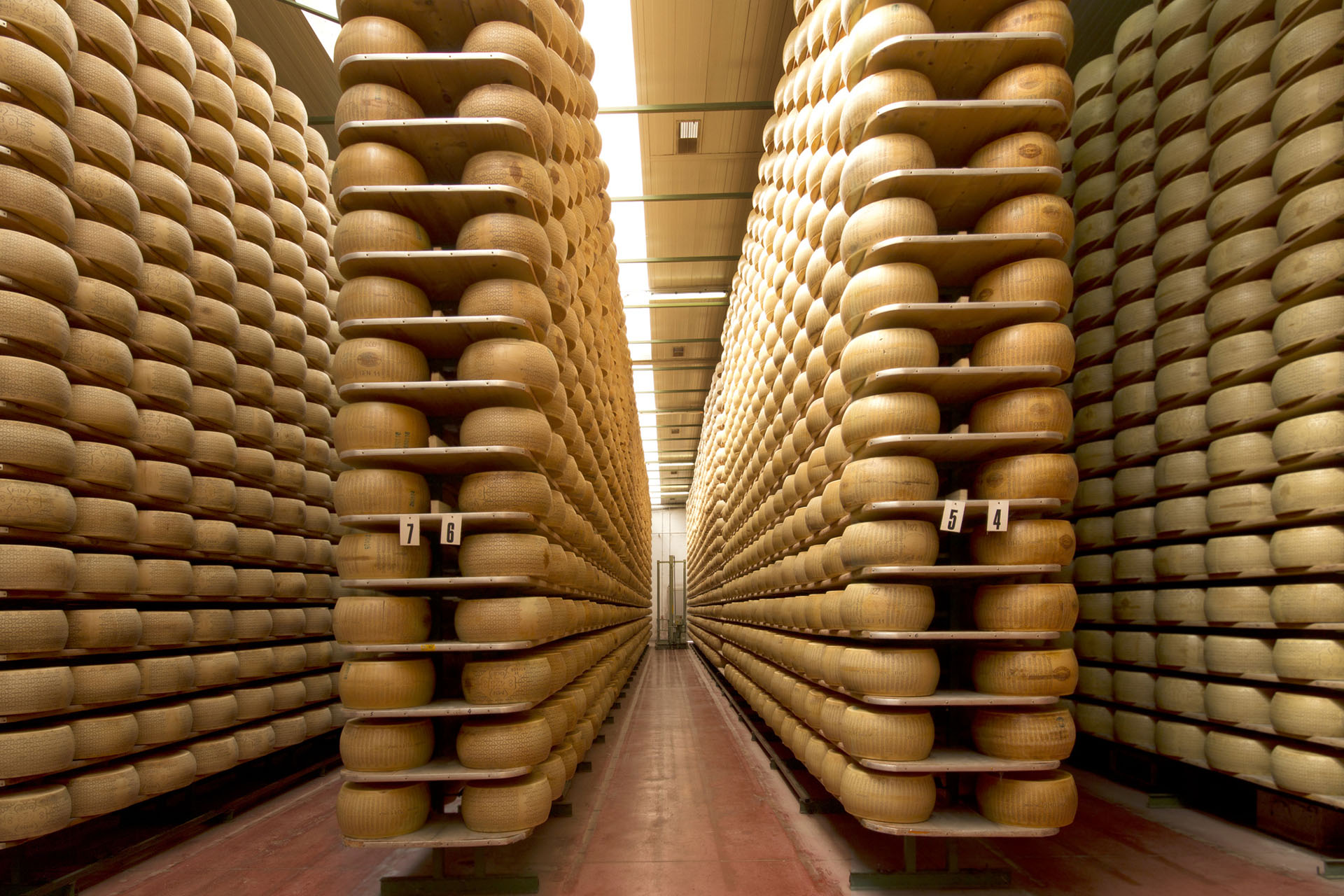
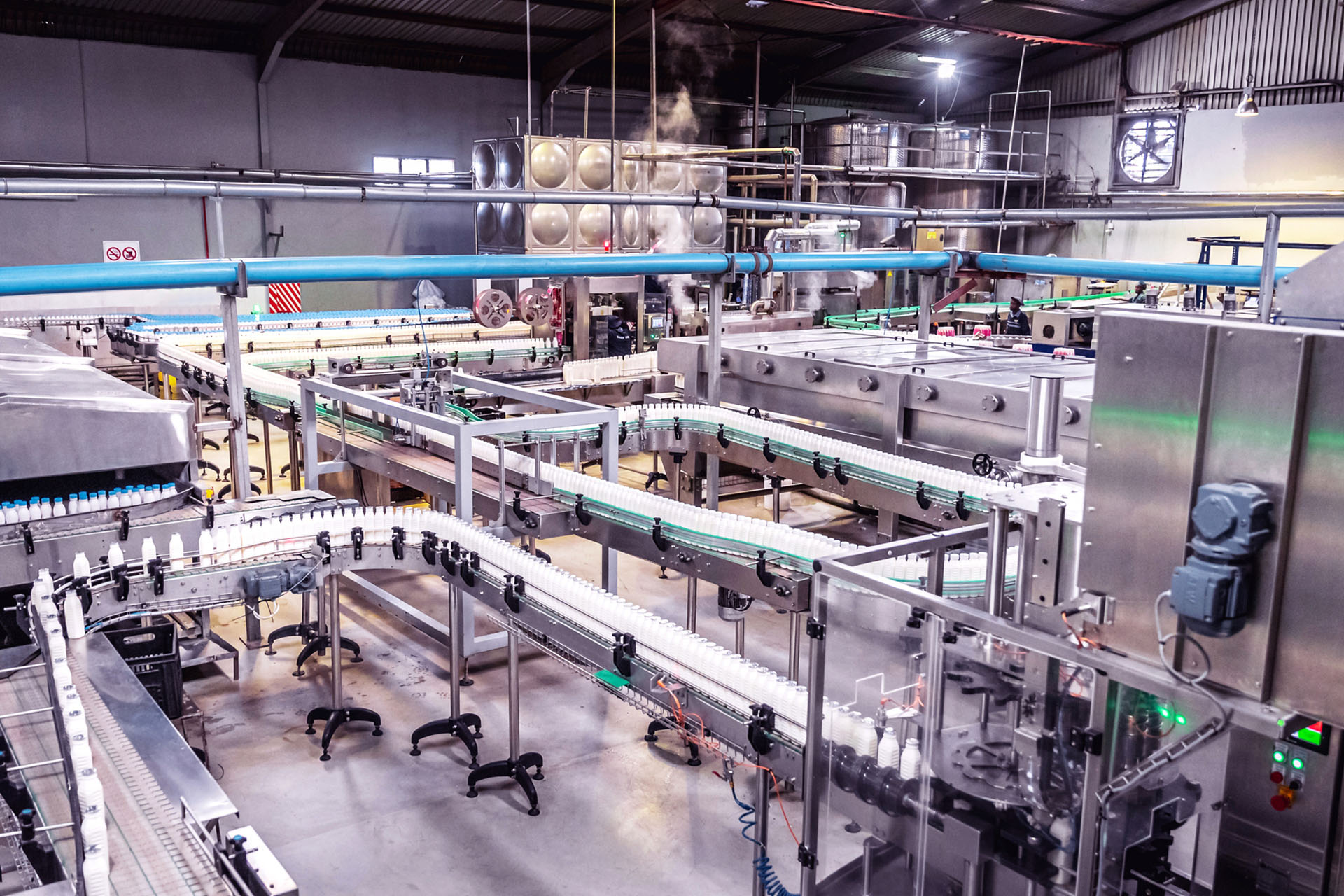
Dairy production requires continuous operation to maintain product quality, refrigeration, and hygiene standards. Interruptions in power or heat supply can lead to product loss, process disruption, and safety risks. Energy resilience is therefore essential to ensure stable production and protect critical operations in processing facilities.
CHP and trigeneration (CCHP) systems provide a dependable onsite source of power, heat, and cooling for dairies. These systems can operate independently from the grid during outages and balance energy supply with production demands. This resilience allows dairies to maintain processing continuity, protect perishable goods, and manage energy more efficiently under all operating conditions.
Discover More
Combined Heat and Power (CHP)
Trigeneration (CCHP)
Biogas Integration
Flexible Generation
CO₂ Capture and Reuse
Combined Heat and Power (CHP)
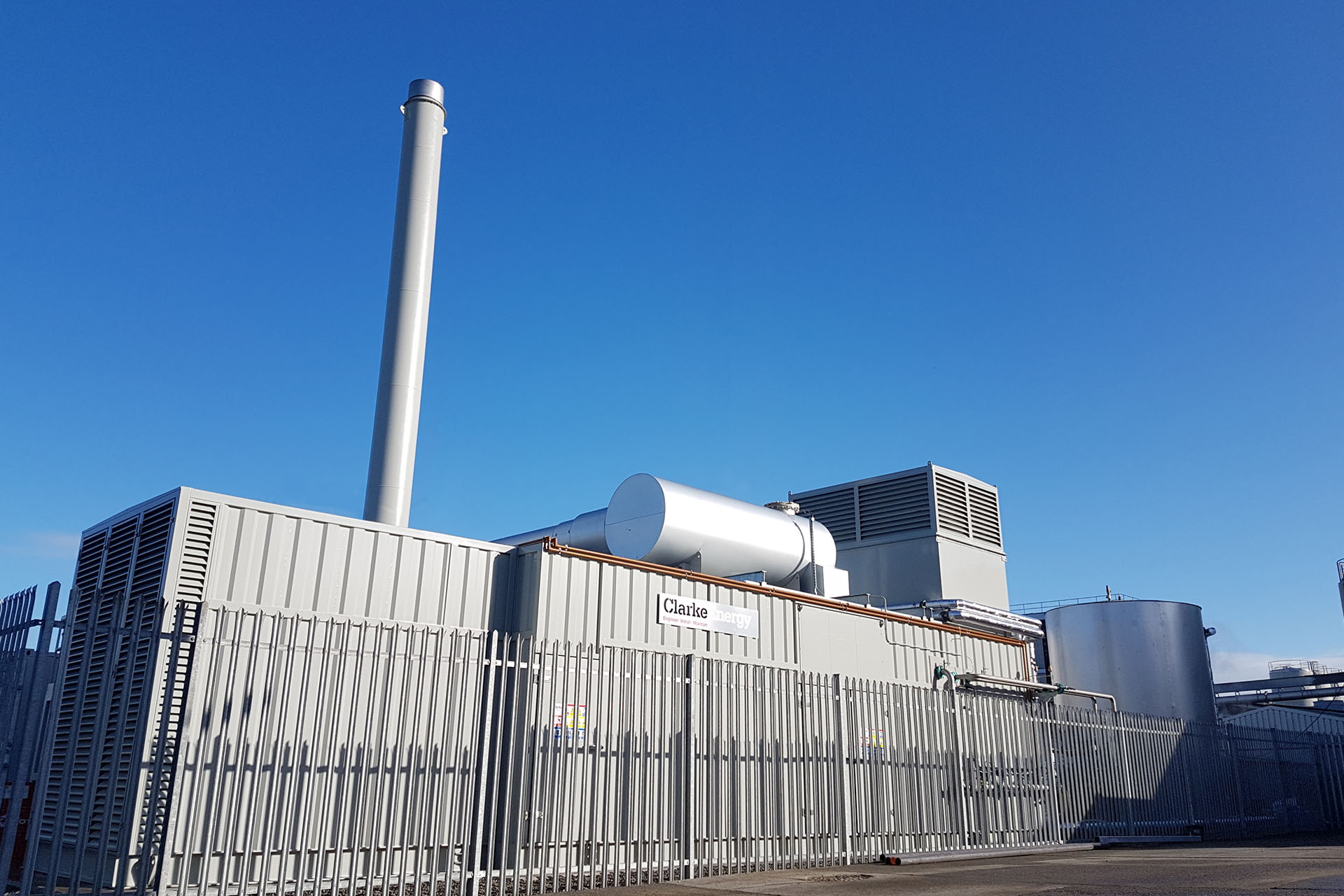
CHP systems deliver reliable onsite electricity and heat for a wide range of dairy processes such as pasteurisation, sterilisation, bottle washing, and drying. By generating power and capturing waste heat simultaneously, overall energy efficiency can reach up to 95% when both outputs are fully utilised. This high level of efficiency helps dairies reduce dependence on grid electricity and fossil-fuel boilers, lowering operational costs and carbon emissions. CHP also provides a stable, controllable energy supply, which is vital for maintaining hygiene and temperature control in continuous production environments.
Trigeneration (CCHP)
Trigeneration enhances the efficiency of CHP by converting recovered heat into chilled water or cooling energy via absorption chillers. This makes it particularly valuable for dairies requiring consistent temperature management in fermentation, packaging, or cold storage areas. By using heat that would otherwise be wasted, CCHP reduces electricity demand for conventional refrigeration, helping processors manage peak loads and cut carbon emissions. Trigeneration also ensures year-round efficiency by balancing heating and cooling demand across seasonal variations in dairy production.
Biogas Integration
Many dairies generate significant volumes of organic waste and wastewater rich in nutrients — ideal for anaerobic digestion. This process produces renewable biogas, which can be used to fuel CHP systems, creating a circular energy solution that turns waste into a valuable onsite energy resource. The integration of biogas enables dairies to offset natural gas consumption, reduce methane emissions, and strengthen sustainability credentials. Surplus biogas can also be upgraded to biomethane for grid injection or vehicle fuel, supporting broader decarbonisation initiatives within the food sector.
Flexible Generation
Modern gas engine-based CHP systems are designed for flexible operation, allowing output to adjust in line with production schedules and grid conditions. This operational agility means dairies can optimise generation during high-demand periods or provide balancing support to local electricity networks. Rapid start-up and load-following capability ensure consistent power and thermal supply even during fluctuating production cycles. This flexibility not only supports energy resilience but also offers potential participation in demand-response or grid-stabilisation programmes.
CO₂ Capture and Reuse
Advanced CHP systems equipped with exhaust treatment can capture and purify carbon dioxide from engine emissions. The recovered CO₂ can then be reused in various onsite applications — such as carbonation in dairy beverages or inerting during packaging — or supplied to nearby industrial users. This approach supports circular carbon utilisation, helping dairies reduce greenhouse gas emissions while improving resource efficiency and demonstrating leadership in sustainable food production.
Microgrids and Hybrid Systems
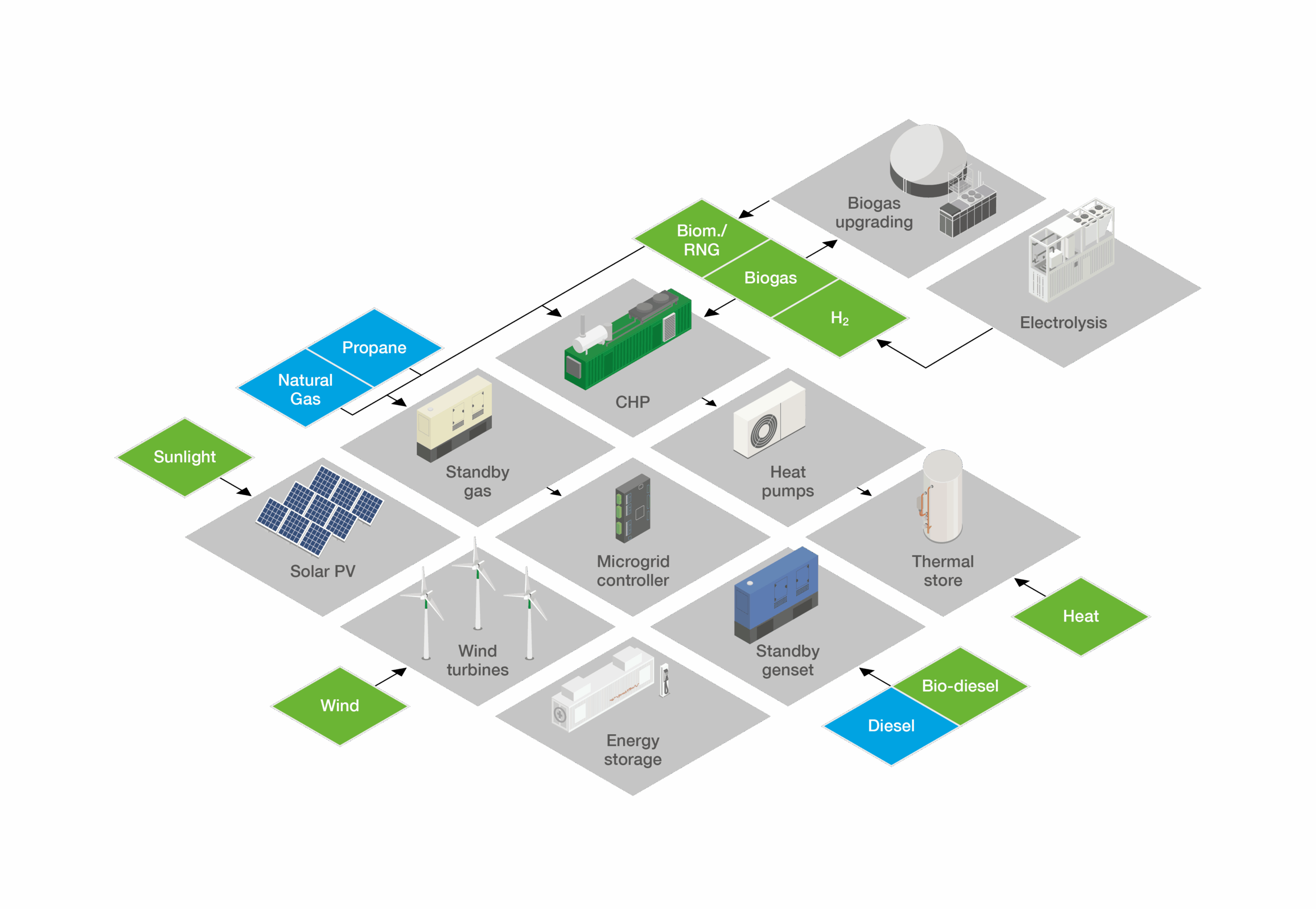
CHP plants can be integrated with renewable energy sources such as solar PV and battery energy storage to create hybrid microgrid systems. These smart energy networks allow dairies to balance onsite generation with consumption, store excess power for later use, and operate independently of the grid when required. The result is a resilient, low-carbon energy solution that maximises efficiency, supports continuous production, and aligns with long-term sustainability and net-zero objectives.
Why Clarke Energy for Dairy Industry Energy Projects?
Clarke Energy delivers proven CHP and renewable energy solutions for dairy processors globally. Our systems are engineered to achieve high efficiency, cost savings, and environmental compliance, ensuring reliable energy for critical processing needs.
Our key advantages include:
• Turnkey project delivery from design through commissioning and maintenance.
• Proven experience with CHP, CCHP, and biogas integration for the dairy sector.
• Advanced engine technology with low emissions and high fuel flexibility.
• Hydrogen-ready and renewable-compatible systems for future energy transition.
• Long-term maintenance contracts and 24/7 monitoring for dependable operation.
Frequently Asked Questions about About Dairies
Technical and Engineering
How does CHP support dairy processing?
CHP systems provide consistent heat and power for processes such as pasteurisation, sterilisation, and bottle washing, reducing reliance on grid energy and boilers.
Can CHP systems also provide cooling for dairies?
Yes. In trigeneration mode, recovered heat is used to drive absorption chillers that produce cooling for product storage and processing.
Can dairies integrate biogas and natural gas operation?
Yes. CHP plants can operate on renewable biogas or natural gas, and can switch between fuels depending on availability and energy strategy.
Financial and Commercial
How does CHP reduce energy costs in dairies?
By generating electricity and heat onsite, dairies cut energy import costs, improve efficiency, and achieve faster payback on investment.
Are funding opportunities available for dairy energy projects?
Many regions offer grants, low-interest financing, or renewable energy incentives for CHP and biogas systems in the food and beverage industry.
What is the typical return on investment for a dairy CHP plant?
Payback periods typically range from five to nine years depending on plant size, operating hours, and energy prices.
Environmental and Sustainability
How does CHP help dairies meet sustainability targets?
CHP systems reduce carbon intensity by using fuel more efficiently and supporting renewable gas use. Biogas integration further cuts methane emissions from waste.
Can dairies capture and reuse CO₂ from CHP exhaust?
Yes. CO₂ capture systems can purify and reuse exhaust gas within industrial or agricultural processes, helping lower greenhouse gas output.
What environmental benefits come from trigeneration?
Trigeneration minimises electricity consumption for cooling, reducing overall energy use and associated emissions while improving process efficiency.
Operational and Implementation
Can CHP systems be retrofitted into existing dairies?
Yes. Modular CHP systems can be installed within existing sites with minimal disruption to operations.
What maintenance support does Clarke Energy offer?
Clarke Energy provides comprehensive service contracts, remote monitoring, and predictive maintenance to maximise uptime and efficiency.
Can CHP be part of a hybrid or microgrid setup?
Yes. CHP can form the core of a hybrid energy centre, integrating renewables and battery storage to provide continuous, low-carbon power and heat.
Looking for a Reliable, Efficient, and Low-Carbon Energy Solution?
Our experts can provide the insight and support you need to evaluate options and achieve the right energy solution for your business.