

District Energy – Heating and Cooling
Efficient, flexible, and low-carbon energy generation for district networks.

About District Energy with Heating and Cooling
District energy schemes integrating local electricity generation in parallel with heating and cooling networks distribute thermal energy from a centralised plant to multiple buildings or users through a connected pipe system. These networks provide heating, cooling, and hot water at scale, offering an efficient alternative to individual boilers and chillers in each property.
As urban areas seek to decarbonise and reduce energy waste, district energy systems have become a cornerstone of sustainable city planning. They allow large-scale integration of low-carbon technologies and enable local authorities, developers, and energy service companies to deliver reliable, efficient energy across residential, commercial, and public buildings.
Combined heat and power (CHP) systems are a proven foundation for district energy schemes, generating electricity and capturing waste heat for network distribution. When extended as trigeneration (CCHP) systems, they also provide cooling for users such as data centres, hospitals, and commercial buildings. Clarke Energy’s gas engine solutions can operate flexibly, adjusting output to match network demand while maintaining high overall efficiency and supporting renewable integration.
Benefits of Flexible Energy Systems for District Energy Networks
• Delivers efficient onsite generation of electricity, heat, and cooling from a single fuel source.
• Reduces carbon emissions through high fuel utilisation and renewable fuel compatibility.
• Provides flexible, dispatchable generation to balance local network demand.
• Improves energy security and independence from grid fluctuations.
• Enables integration with renewable and low-carbon technologies within district systems.
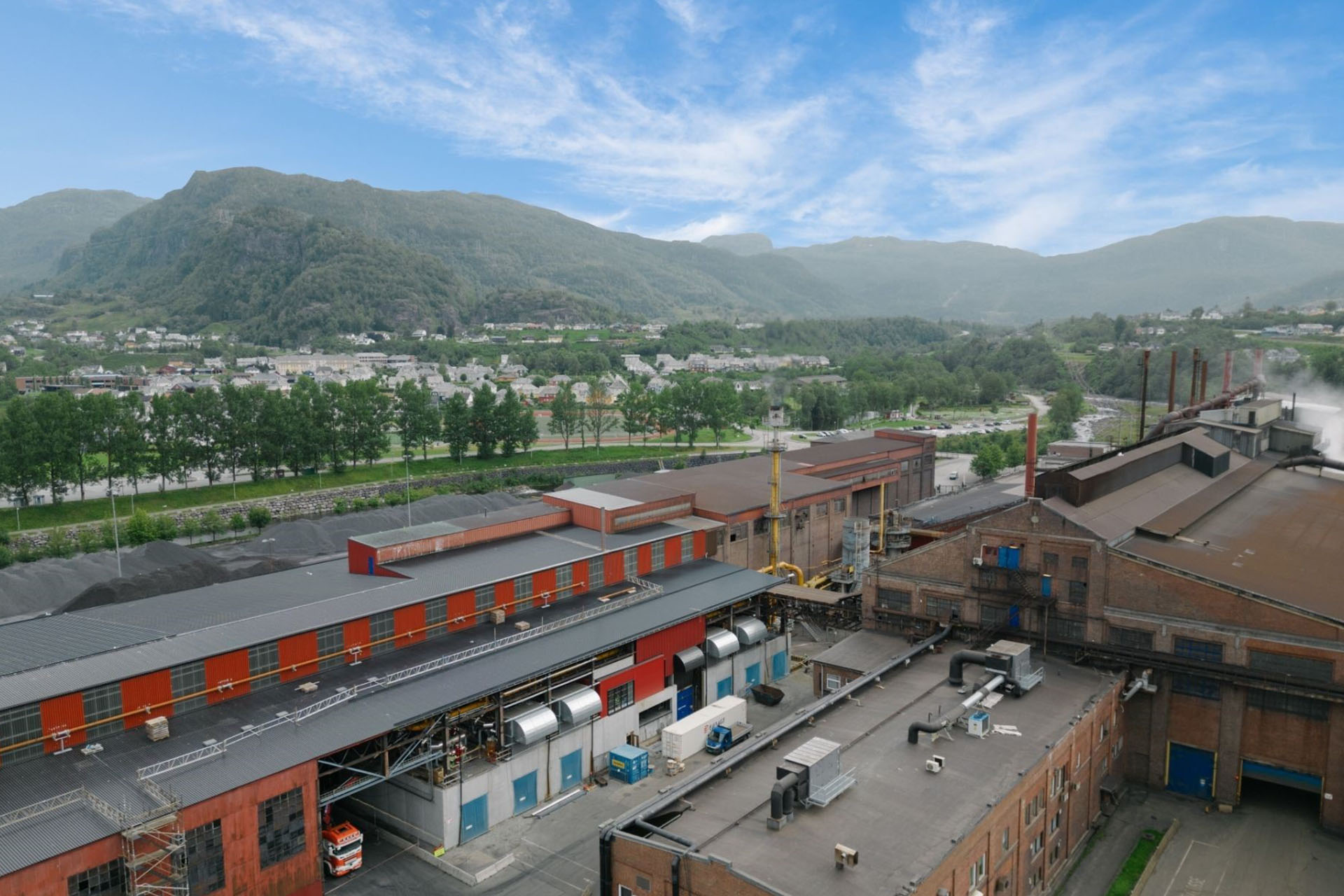

Energy Resilience and Flexibility in District Systems
District energy networks require energy systems that can adapt quickly to changing thermal and electrical demands. Gas engine CHP and CCHP plants offer both base-load efficiency and rapid-response flexibility, making them ideal for multi-user energy schemes.
These systems can continue supplying heat and power during grid instability, supporting both network reliability and customer confidence. They also provide valuable balancing services — generating power when renewable sources such as solar or wind are unavailable, and reducing output when renewable generation is abundant.
Through digital control and optimisation, Clarke Energy’s solutions help operators manage demand peaks, optimise thermal storage, and achieve maximum return on investment, ensuring reliable and sustainable district energy supply.
Discover More
Combined Heat and Power (CHP)
Trigeneration (CCHP)
Flexible Generation
Combined Heat and Power (CHP)
CHP plants generate electricity and capture waste heat for distribution through district heating networks. The recovered energy can be used for space heating, domestic hot water, or process needs across multiple connected buildings. CHP achieves overall efficiencies above 80%, significantly reducing primary energy consumption and associated emissions.
Trigeneration (CCHP)
Trigeneration extends CHP to produce chilled water via absorption chillers, supplying cooling alongside heat and electricity. This configuration is ideal for mixed-use developments, commercial buildings, and hospitals that require simultaneous heating and cooling throughout the year.
Flexible Generation
Modern gas engine systems are designed for variable operation, allowing them to ramp output up or down in response to real-time network demand. This flexibility enables operators to stabilise energy supply, integrate renewable sources, and participate in grid-balancing programmes, enhancing the overall value and sustainability of the district energy system.
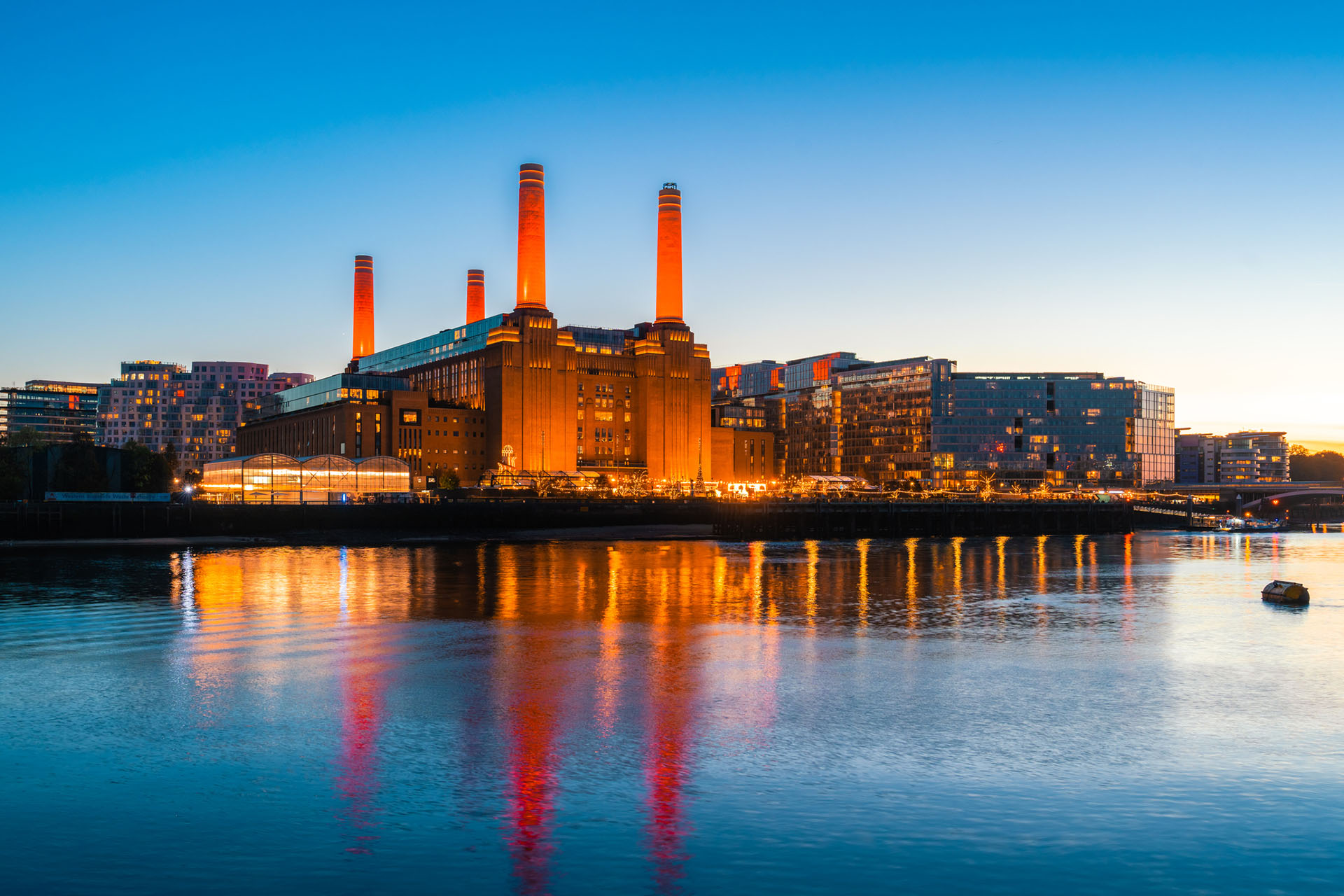
Why Clarke Energy for District Heating and Cooling Projects?
Clarke Energy has extensive experience delivering efficient and flexible energy generation systems for district heating and cooling schemes. Our CHP and CCHP solutions are designed to meet the diverse requirements of modern urban energy infrastructure, supporting both sustainability and commercial performance.
Our key advantages include:
• Comprehensive project delivery – from feasibility, engineering, and construction to commissioning and maintenance.
• Proven CHP and CCHP expertise – optimised for district-scale heating, cooling, and power generation.
• Flexible generation capability – enabling real-time response to varying thermal and electrical demand.
• Integration with renewable and future fuels – hydrogen-ready and compatible with biogas or biomethane.
• Full lifecycle support – including maintenance, remote monitoring, and performance optimisation to maximise uptime and efficiency.
Frequently Asked Questions about District Heating and Cooling
Technical and Engineering
How does CHP support district heating and cooling networks?
CHP systems generate electricity and recover waste heat for centralised distribution, increasing overall system efficiency and reducing the need for separate boilers or chillers.
What is the advantage of using trigeneration in district energy systems?
Trigeneration (CCHP) adds cooling production, enabling the network to provide heating, cooling, and power simultaneously — ideal for mixed-use developments and city districts.
Can district energy systems integrate renewable fuels?
Yes. Clarke Energy’s gas engines can operate on renewable fuels such as biogas or biomethane, supporting the decarbonisation of district energy schemes.
What levels of efficiency can CHP-based district systems achieve?
Depending on configuration, CHP systems can achieve total energy efficiencies of up to 90%, substantially reducing primary energy use compared with conventional systems.
Financial and Commercial
How does CHP reduce operating costs for district networks?
By generating both power and heat on-site, CHP reduces fuel use and energy purchases from the grid, delivering lower lifecycle costs and predictable long-term energy pricing.
Are there funding opportunities for district heating and cooling projects?
Many governments and local authorities provide financial incentives or grants for low-carbon heat networks and CHP-based systems.
What is the typical payback period for CHP or CCHP installations?
Payback typically ranges between five and eight years depending on network size, energy demand, and local energy tariffs.
Can district energy operators sell surplus electricity back to the grid?
Yes. Surplus power can be exported to the grid or used to support local balancing markets, providing additional revenue streams.
Environmental and Sustainability
How does CHP contribute to decarbonisation in district energy?
CHP maximises fuel efficiency, recycles waste heat, and reduces greenhouse gas emissions compared to conventional generation methods.
Can hydrogen be used in future district energy projects?
Yes. Clarke Energy’s Jenbacher engines are hydrogen-ready, allowing for future conversion as hydrogen availability and infrastructure expand.
Does flexible generation help integrate renewable energy?
Absolutely. Gas engine systems can balance renewable variability, providing reliable backup when solar or wind production fluctuates.
What role does trigeneration play in environmental performance?
Trigeneration increases system efficiency by converting recovered heat into cooling, reducing the need for electric chillers and lowering overall carbon emissions.
Operational and Implementation
Can CHP systems be integrated into existing district heating schemes?
Yes. CHP plants can be added to existing networks or retrofitted within energy centres to improve efficiency and capacity.
How does Clarke Energy ensure long-term reliability of district energy systems?
We provide comprehensive maintenance, monitoring, and performance optimisation to ensure consistent efficiency and uptime throughout the asset life.
What is involved in maintaining CHP engines for district networks?
Regular servicing, component inspection, and predictive maintenance keep engines operating efficiently while minimising downtime.
How long do CHP and CCHP systems typically operate before replacement?
With appropriate maintenance, gas engine systems typically operate reliably for 15–20 years, depending on load and utilisation.
Looking for a Reliable, Efficient, and Low-Carbon Energy Solution?
Our experts can provide the insight and support you need to evaluate options and achieve the right energy solution for your business.