

Greenhouse and Horticulture
Reliable, efficient, and low-carbon energy for modern horticultural production.
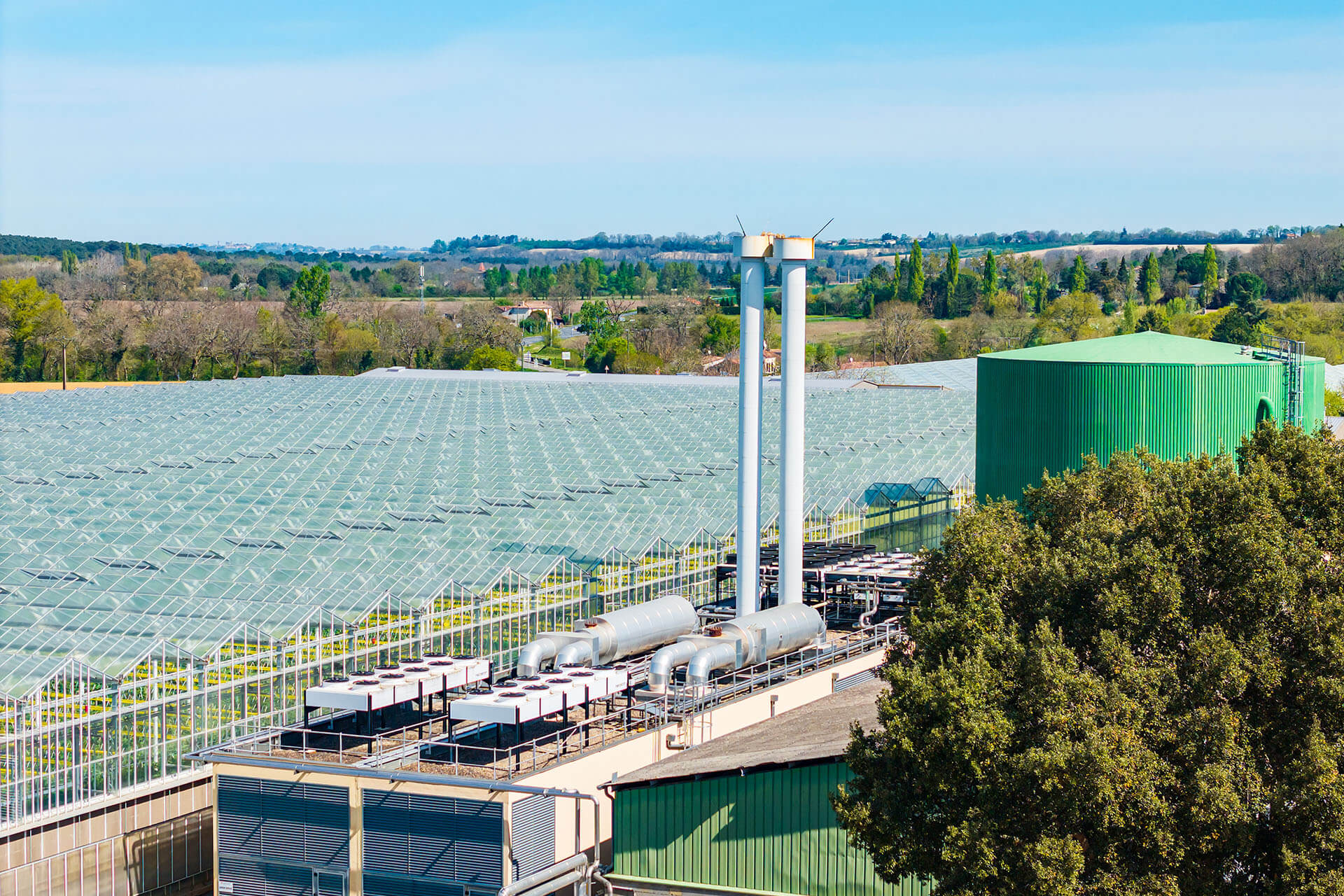
About the Greenhouse Industry
Modern greenhouses are highly sophisticated environments where temperature, humidity, light, and carbon dioxide levels are carefully controlled to maximise plant health and yield. These facilities operate continuously, with heating, lighting, irrigation, and ventilation all relying on dependable energy. Energy typically represents one of the largest operating costs in horticulture, and growers face increasing pressure to decarbonise while maintaining consistent crop production and profitability. Separately, CO2 is often purchased to increase crop yields, meaning an additional operational expense for the grower.
Combined heat and power (CHP) provides a proven solution for efficient and reliable onsite generation of both electricity and heat. The recovered heat can be used to warm the greenhouse or preheat irrigation water, while the electricity powers lighting, fans, and automated climate-control systems. Exhaust gases can also be cleaned and fed into the greenhouse to provide CO₂ enrichment, enhancing photosynthesis and increasing crop yields by 15-30%.
When combined with heat pump systems, CHP can provide a versatile, low-carbon energy network — where heat pumps recover additional thermal energy from exhaust or ambient sources to further increase efficiency. Together with biogas fuel, this integrated approach supports truly circular, sustainable horticultural operations, reducing reliance on fossil fuels while maintaining the precise environmental control required for high-quality crop production.
Benefits of Biogas and CHP for Greenhouse and Horticulture
• Efficient Combined Energy Supply: Generates electricity and heat for lighting, irrigation, and temperature control within greenhouse environments.
• CO₂ Enrichment for Growth: Purified exhaust gases provide a safe source of CO₂ for plant enrichment, improving yield and quality.
• Renewable Biogas Use: CHP plants can operate on biogas produced from organic waste or nearby anaerobic digestion facilities.
• Integration with Heat Pumps: Waste heat and low-grade heat recovery improve energy efficiency and climate management.
• Reduced Carbon Footprint: Maximises fuel use and replaces fossil-based heating with renewable, low-carbon energy.
• Operational Resilience: Onsite generation ensures reliable, controllable energy for year-round growing conditions.
• Cost Efficiency: Improves long-term energy cost stability and supports sustainable agricultural profitability.
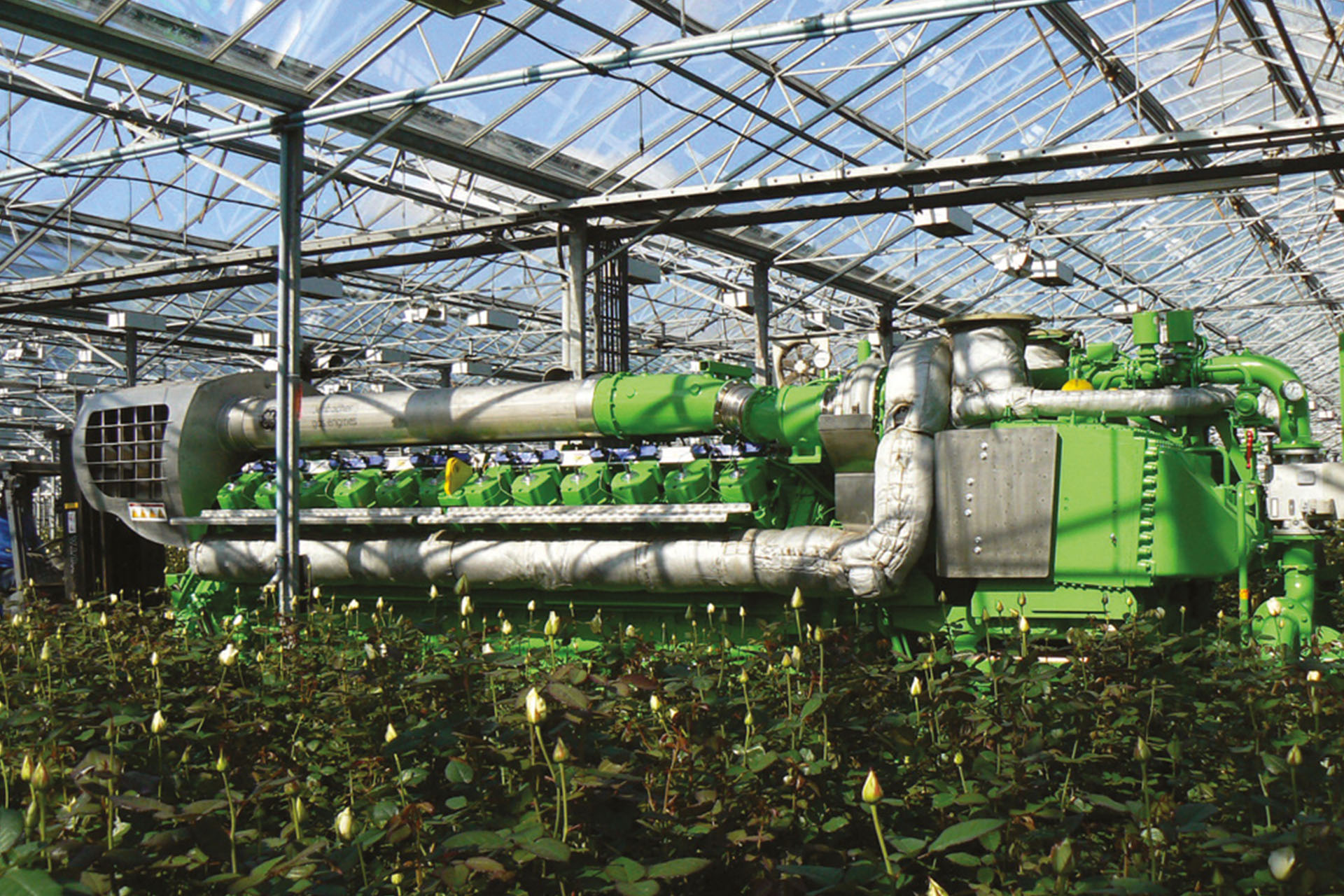
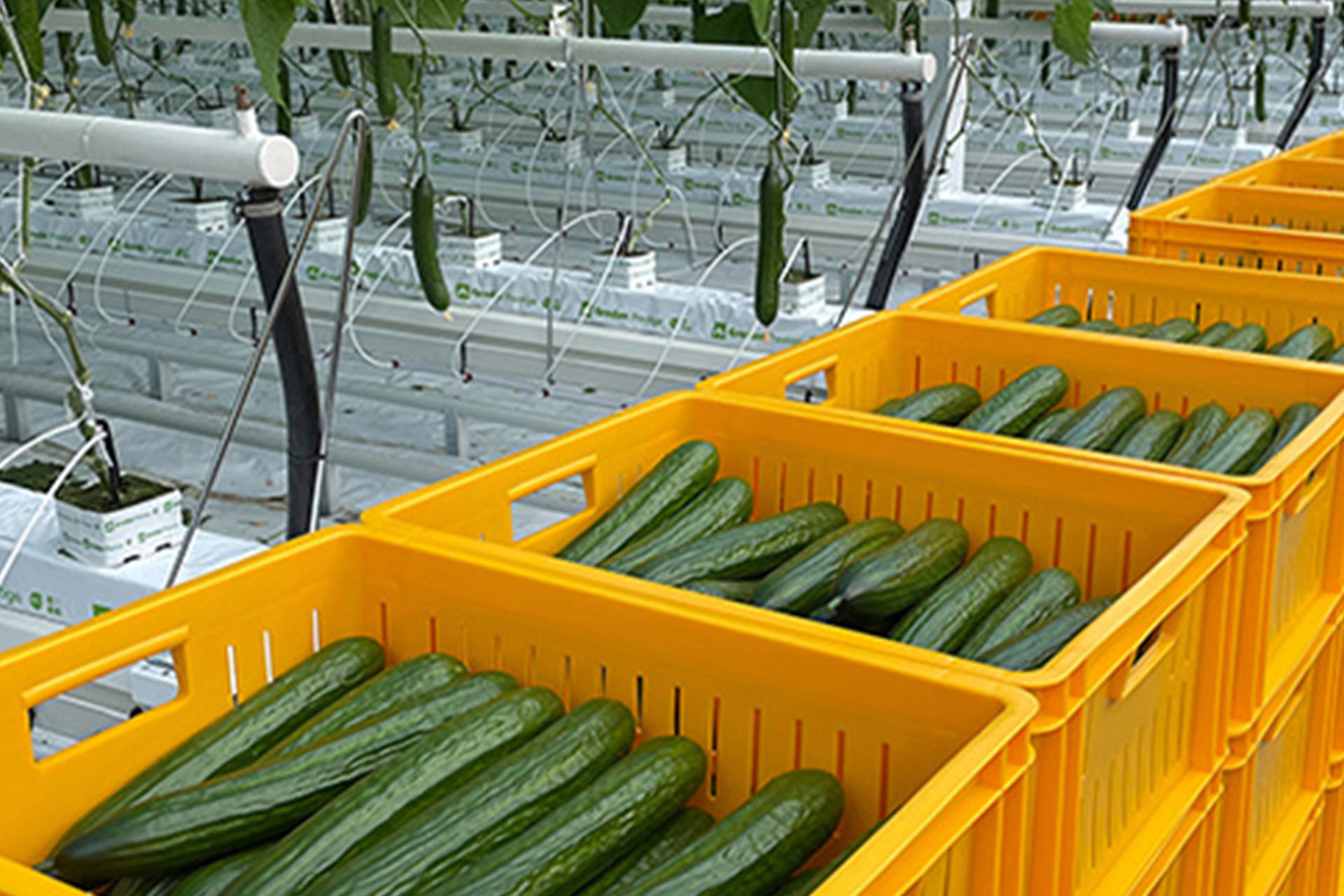
CO₂ Recovery and Enrichment
CHP exhaust gases can be purified to create a clean, food-grade CO₂ supply for plant enrichment. This process increases photosynthesis, improving growth rates and crop yields by up to 30% depending on plant species at CO2 levels of 800-1,200ppm. Reusing CO₂ that would otherwise be released into the atmosphere supports a circular approach to energy and carbon management. It also eliminates the need for bottled CO₂, cutting costs and logistics complexity. CO₂ enrichment makes CHP particularly effective for sustainable greenhouse production, aligning efficiency with agricultural performance. CO2 enrichment may also improve water-use efficiency by reducing stomatal opening.
Discover More
Biogas Utilisation
Combined Heat and Power (CHP)
Heat Pump Integration
Flexible Generation
Biogas Utilisation
Biogas offers a renewable, circular energy source for greenhouse CHP systems. Produced through anaerobic digestion of organic waste such as crop residues, food waste, or agricultural by-products, biogas can be used directly as a CHP fuel. It generates renewable power, heat, and CO₂ for plant growth, replacing fossil fuels and reducing emissions significantly. Biogas-fuelled CHP plants demonstrate true sustainability in horticulture, closing the loop between waste generation and energy supply while supporting carbon-neutral food and plant production.
Combined Heat and Power (CHP)
CHP systems generate electricity and recover waste heat from the engine’s exhaust and cooling systems for use in heating and water circuits. Achieving total efficiencies of more than 80%, CHP provides a reliable and cost-effective energy source for heating, ventilation, and lighting systems within horticultural operations. By replacing separate boilers and grid electricity, CHP reduces both operating costs and carbon emissions. The stable energy supply it provides ensures consistent growing conditions and supports long-term productivity for glasshouses and controlled-environment farms.
Heat Pump Integration
Heat pumps can be paired with CHP systems to maximise energy recovery and efficiency. By capturing low-grade heat from engine exhaust gases, cooling water, or ambient air, heat pumps can deliver useful thermal energy for space heating or hot water at higher efficiency levels. This combined system reduces fuel consumption, optimises heat utilisation, and lowers emissions. For horticultural applications, it ensures precise control of environmental conditions while maintaining energy resilience and cost stability throughout the year.
Flexible Generation
Flexible generation enables greenhouse operators to adjust power output according to energy demand and market conditions. When markets permit and electricity prices are high, excess power can be exported to the grid, while at lower demand periods, generation can be reduced or heat stored for later use. This flexibility helps operators improve profitability, participate in grid services, and optimise energy efficiency. With CHP, flexibility enhances both operational and financial performance, ensuring continuous energy supply while enabling growers to adapt to dynamic energy markets.
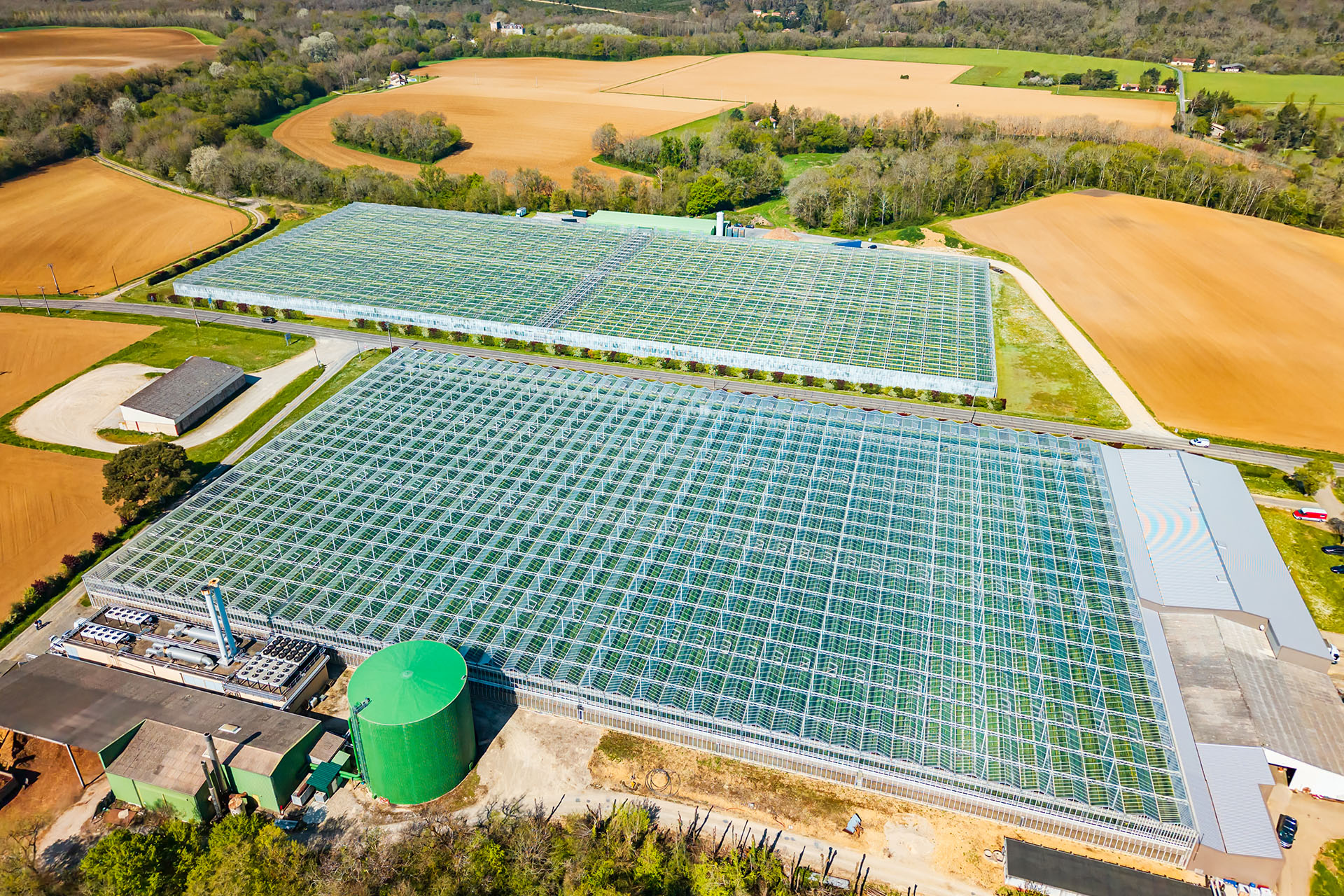
Why Clarke Energy for Greenhouse and Horticultural Projects
Clarke Energy provides integrated energy solutions that combine high-efficiency CHP, biogas, and heat pump technologies for sustainable horticultural operations. Our systems deliver reliable power, renewable heat, and CO₂ enrichment to help maintain optimal growing conditions while cutting costs and emissions.
Our key advantages include:
• Turnkey project delivery – covering design, engineering, installation, and long-term maintenance.
• Proven horticultural experience – delivering CHP and renewable energy systems across greenhouse applications globally.
• Integrated solutions – combining power, heat recovery, CO₂ utilisation, and heat pumps for maximum performance.
• Renewable capability – INNIO Jenbacher engines fully compatible with biogas, biomethane, and hydrogen blends.
• Comprehensive lifecycle support – predictive maintenance, remote monitoring, and service agreements to ensure reliability and uptime.
Frequently Asked Questions about Greenhouse and Horticultural Energy Systems
Technical and Engineering
How does onsite generation support greenhouse performance?
Onsite gas engine systems deliver the stable, controllable power essential for lighting, heating and automation, ensuring consistent growing conditions even during grid disturbances.
Can recovered CO₂ be safely used in greenhouses?
Yes. Exhaust gases are cleaned and cooled before introduction into the greenhouse, providing safe CO₂ enrichment that boosts plant growth rates and yields while improving water-use efficiency.
How do CHP and heat pumps work together?
Heat pumps capture additional low-grade heat from CHP exhaust or cooling circuits, increasing total thermal output and improving temperature regulation throughout the greenhouse.
Is biogas suitable for horticultural CHP plants?
Yes. Biogas produced from agricultural or food waste is a renewable fuel that can replace natural gas entirely, supporting carbon-neutral greenhouse operations.
What efficiency levels can integrated energy systems achieve?
Well-designed CHP with heat pump integration can exceed 80% total efficiency, maximising fuel utilisation and reducing operating costs.
Financial and Commercial
How can onsite energy generation reduce costs for growers?
By generating power and heat onsite, growers reduce dependence on the grid and external CO₂ supply, stabilising long-term energy costs and improving profitability.
Are there financial incentives for greenhouse energy projects?
Yes. Many governments offer renewable-energy or efficiency incentives for CHP, biogas and low-carbon heat technologies in agriculture.
Does flexible generation create extra income?
When market conditions allow, surplus power can be exported to the grid, or generation adjusted to benefit from higher electricity prices, improving overall returns.
What is the typical payback period for these systems?
Most greenhouse installations achieve payback within five to eight years, depending on plant size, operating hours and energy tariffs.
Can existing greenhouses be retrofitted with modern energy systems?
Yes. Modular CHP and heat pump units can be installed alongside existing infrastructure with minimal disruption to ongoing production.
Environmental and Sustainability
How does CHP with CO₂ enrichment lower emissions?
By reusing cleaned exhaust gas for plant growth, the system prevents CO₂ release to atmosphere while displacing bottled CO₂ — reducing both emissions and logistics impacts.
Can biogas fuel make greenhouse operations carbon-neutral?
Yes. When CHP systems are fuelled by biogas or biomethane, they close the loop between agricultural waste and energy production, enabling near-zero-carbon operation.
Do heat pumps improve environmental performance?
Yes. Heat pumps recover otherwise wasted thermal energy, further reducing fuel consumption and lowering greenhouse gas emissions.
Is this approach compatible with sustainability certifications?
Integrated CHP and biogas systems support BREEAM, LEED, and national agricultural sustainability frameworks by reducing energy intensity and emissions.
Does CO₂ enrichment affect plant health or product quality?
No. When properly filtered, CO₂ enrichment is safe and can enhance yield, growth rate, and product uniformity without affecting quality.
Operational and Implementation
How reliable are CHP systems for year-round horticulture?
Gas engine systems are designed for continuous operation, providing dependable power and heat even during extreme weather or grid instability.
What maintenance is required for greenhouse installations?
Routine servicing and remote monitoring ensure high availability. Predictive maintenance tools identify issues early, reducing downtime.
How is the system controlled?
Automated plant controls coordinate electricity, heat and CO₂ delivery to match the greenhouse’s environmental requirements in real time.
Can systems be scaled as production expands?
Yes. Modular units allow capacity to grow in line with site expansion or increased energy demand.
What level of support does Clarke Energy provide after commissioning?
Clarke Energy offers long-term service agreements, 24/7 monitoring and local technical support to maintain reliability and performance.
Looking for a Reliable, Efficient, and Low-Carbon Energy Solution?
Our experts can provide the insight and support you need to evaluate options and achieve the right energy solution for your business.