

Landfill
Capturing methane from problematic waste to generate renewable energy.
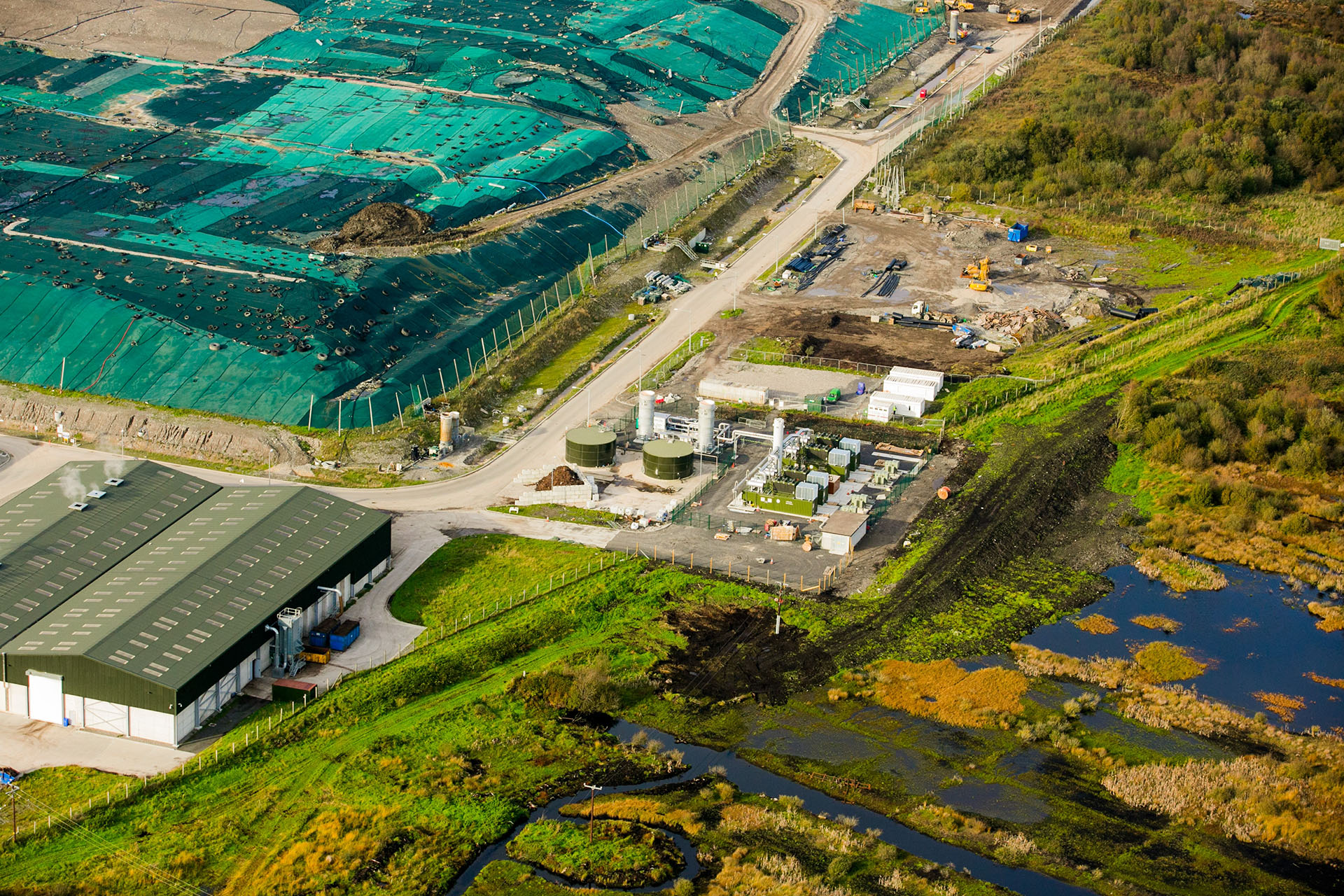
About the Landfill Energy Sector
Landfill sites naturally produce methane as organic waste decomposes under anaerobic conditions. Methane is a potent greenhouse gas — over 25 times more powerful than carbon dioxide in terms of global warming potential — making its capture and utilisation essential for environmental protection.
By collecting landfill gas and using it as a renewable fuel, operators can convert waste emissions into valuable energy. Landfill gas typically consists of 45–60% methane and 40–50% carbon dioxide, along with trace impurities such as siloxanes and hydrogen sulphide.
Through gas engine-based power and CHP systems, landfill gas can be converted into reliable renewable electricity and heat for export to the grid. This process reduces methane emissions, avoids flaring losses, and supports a circular, sustainable energy economy.
Most landfill sites are located away from local heat users, but with joined up planning, siting of combined heat and power generation assets close to heat users such as district energy schemes or manufacturers.
Energy and Sustainability Advantages
Implementing landfill gas to power systems offers significant benefits for both operators and the environment:
• Emission reduction: Capturing and using methane prevents the uncontrolled release of a potent greenhouse gas.
• Renewable power generation: Converts waste gas into reliable, low-carbon electricity for onsite use or export.
• Efficient energy recovery: With CHP systems that can utilise both electricity and heat, achieving total efficiencies above 80%.
• Flaring avoidance: Provides a more sustainable, productive alternative to methane flaring.
• Operational resilience: Delivers continuous, dispatchable renewable energy independent of weather conditions.
• Cost savings and revenue generation: Creates opportunities for power export and reduced site energy costs.
• Compliance and sustainability: Helps meet environmental regulations and supports landfill aftercare and closure strategies.
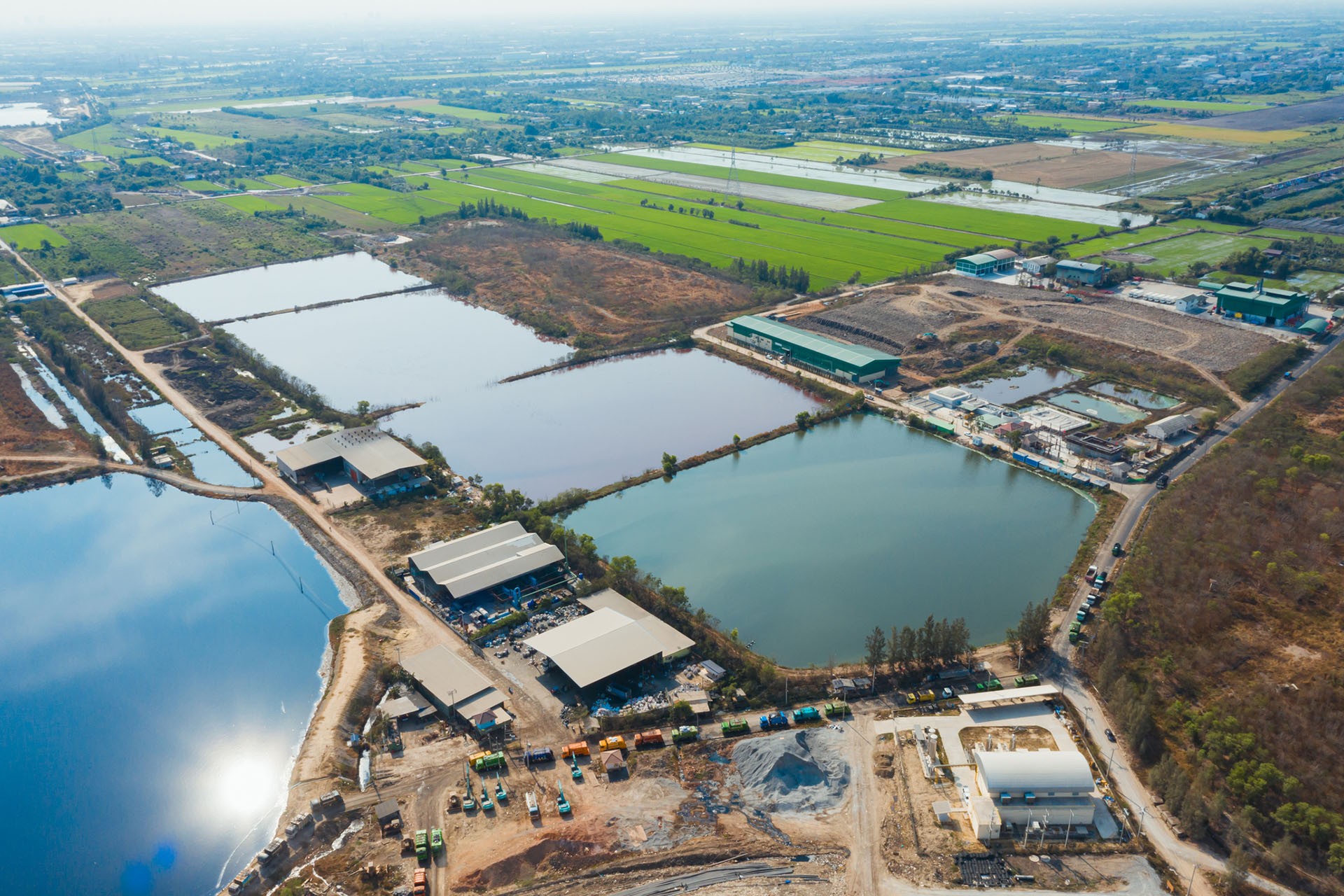
Discover More
Sustainable Waste Management and the Recovery of Problem Gases
Landfill Gas Power Generation
Sustainable Waste Management and the Recovery of Problem Gases
Recovering landfill gas through gas engine transform a long-term environmental liability into a renewable energy opportunity. Instead of flaring or venting methane, operators can harness it to generate electricity and useful heat, improving environmental compliance while supporting local energy demand.
Gas engines provide consistent, dispatchable power generation, ideal for integration with local grids or to support nearby industrial or municipal facilities. By turning problem gases into productive energy, landfill operations contribute to both sustainable waste management and emissions reduction goals.
Landfill Gas Power Generation
Gas engine systems convert landfill gas into electricity and recover thermal energy for onsite use or export to local consumers. The recovered heat can be used for leachate treatment, heating site offices, or supporting neighbouring industrial processes.
Clarke Energy’s Jenbacher gas engines are specifically designed to handle the challenging composition of landfill gas, maintaining high efficiency and reliability even as methane levels decline over time. By capturing and using landfill gas, operators can prevent greenhouse gas emissions, generate renewable energy, and extend the productive life of landfill sites.
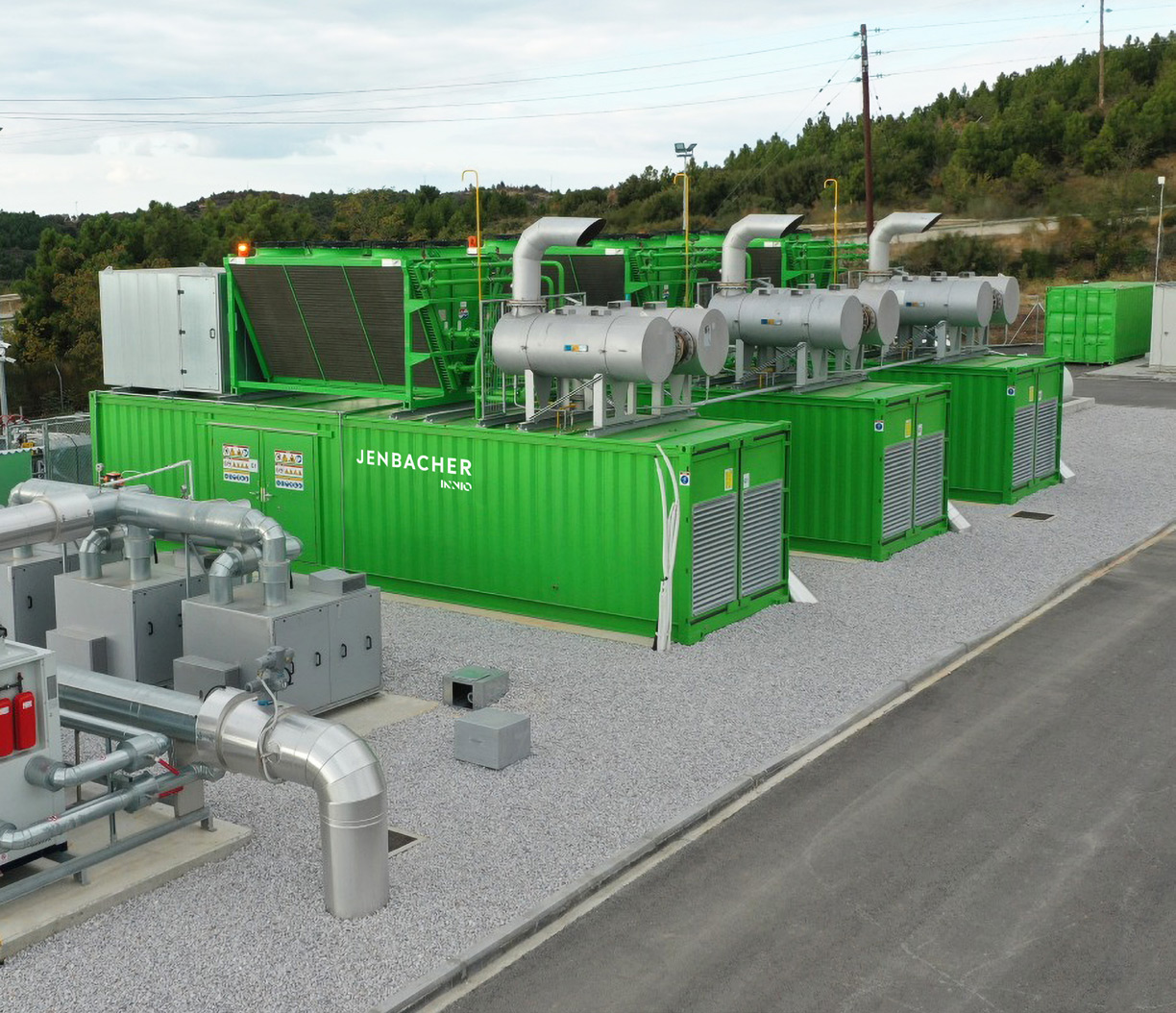
Why Clarke Energy for Landfill Gas Projects?
Clarke Energy has extensive experience delivering landfill gas-to-energy projects worldwide. Our integrated gas engine systems enable landfill operators to generate renewable power efficiently while meeting stringent environmental and operational standards.
Our key advantages include:
• Proven landfill gas expertise – extensive global track record in landfill gas engine and CHP applications.
• Engineered for landfill gas – Jenbacher engines designed to perform reliably with varying methane content and gas quality.
• Efficient energy recovery – maximising fuel use to generate both heat and power from waste gas.
• Turnkey project capability – complete design, engineering, installation, and long-term service support.
• Comprehensive maintenance – predictive monitoring and responsive local service ensuring consistent operation.
Frequently Asked Questions about Landfill Energy Systems
Technical and Engineering
What is landfill gas and how is it used for energy?
Landfill gas is produced when organic waste decomposes without oxygen, creating a mixture of methane and carbon dioxide. The methane is captured and used as a renewable fuel in gas engines to generate electricity.
Do Jenbacher engines handle variations in landfill gas quality?
Yes. Jenbacher gas engines are engineered to maintain high efficiency even as gas composition changes, ensuring stable operation throughout the landfill’s lifespan.
Can landfill gas still be collected after a site is closed?
Yes. Landfill gas generation continues for many years after a site’s closure, and collection systems can be maintained to support ongoing energy generation.
How is the gas prepared before use in engines?
Collected gas passes through treatment systems that remove moisture, siloxanes, and hydrogen sulphide, ensuring the fuel is clean enough for efficient and reliable engine operation.
Financial and Commercial
What are the financial benefits of landfill gas-to-power systems?
By converting waste gas into renewable electricity, operators can generate export revenue, reduce flaring, and improve the environmental profile of the site.
Are there government incentives for landfill gas projects?
Yes. Many regions offer renewable energy certificates, carbon credits, or tax benefits to support landfill gas utilisation and emissions reduction.
What influences project payback periods?
Payback depends on gas yield, power export rates, and operating hours, but typical projects can achieve returns within five to eight years.
Environmental and Sustainability
How does landfill gas utilisation reduce emissions?
Capturing and using methane prevents the uncontrolled release of this potent greenhouse gas. Generating renewable power in place of fossil-based electricity further reduces overall emissions.
Is landfill gas classed as a renewable energy source?
Yes. Because it originates from decomposing organic waste, landfill gas is recognised as a renewable fuel that supports circular energy systems.
Can landfill gas projects contribute to net-zero goals?
Yes. They directly reduce methane emissions while producing low-carbon electricity, contributing to national and corporate decarbonisation targets.
Operational and Implementation
How long do landfill gas power plants operate?
With proper maintenance, gas engine power plants typically operate efficiently for 15–20 years, with potential for extension as long as viable gas yields remain.
What maintenance is required?
Routine servicing includes inspection of gas collection systems, engine maintenance, and monitoring of gas quality. Remote diagnostics can support predictive maintenance and reduce unplanned downtime.
Can systems be expanded if gas flow increases?
Yes. Modular engine installations can be scaled or adapted as gas collection capacity grows, ensuring consistent utilisation of available fuel.
Want to Generate Clean Power from Landfill Gas?
Our experts can provide the insight and support you need to evaluate options and achieve the right energy solution for your business.