

Chemicals and Plastics
Efficient and resilient onsite power solutions for energy-intensive chemical and plastic manufacturing facilities.
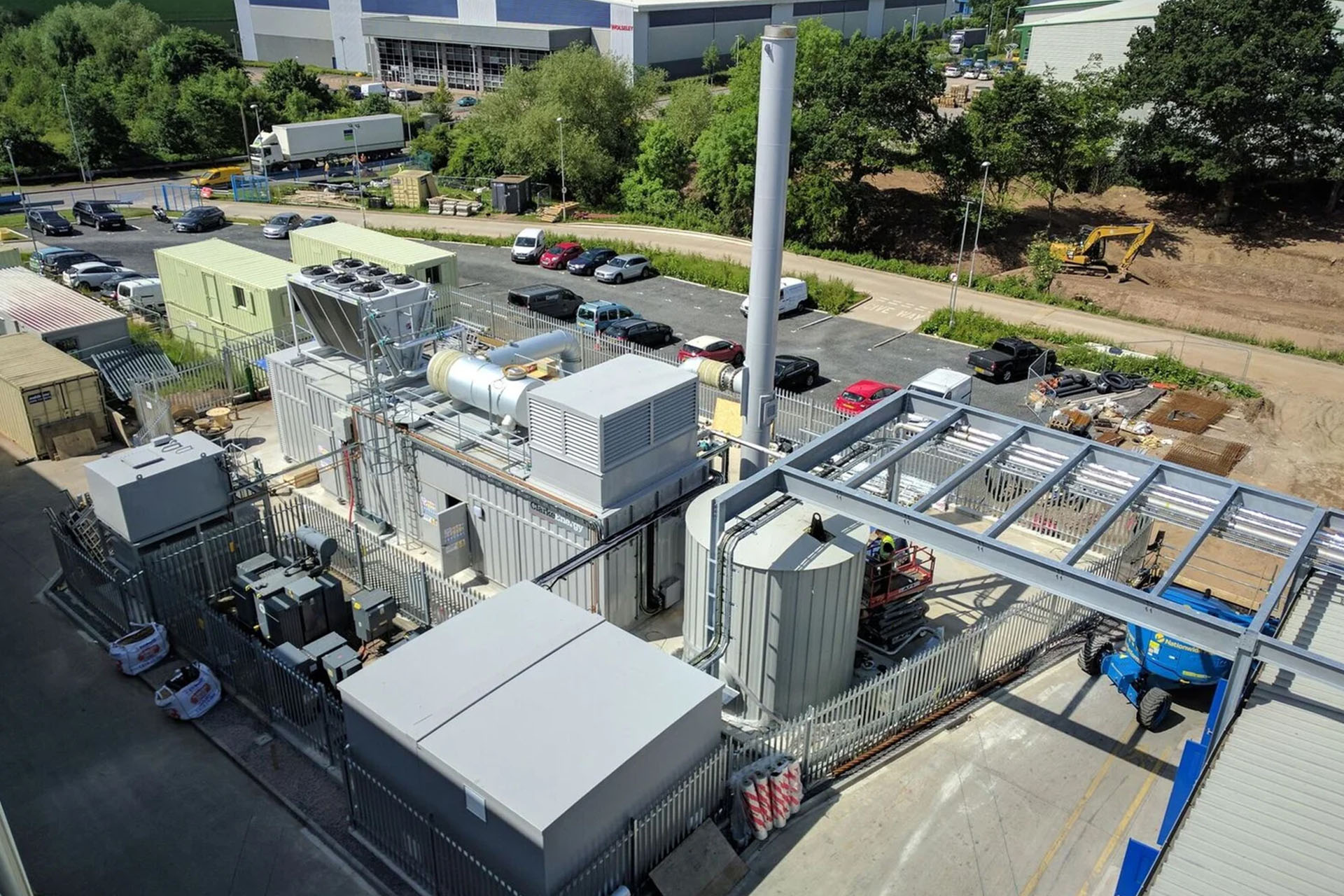
About the Chemicals and Plastics Industry
The chemical and plastics industries are among the most energy-intensive sectors worldwide, with large and continuous demands for heat, steam, and electricity. From polymer production and refining to extrusion, moulding, and chemical synthesis, maintaining consistent energy supply is vital for both product quality and operational safety.
Manufacturers are under increasing pressure to improve efficiency, reduce carbon emissions, and secure long-term energy stability. Energy reliability is essential to avoid production losses, unplanned downtime, and environmental non-compliance.
Combined Heat and Power (CHP) systems offer an efficient and proven solution for this sector, generating electricity and heat onsite with total system efficiencies reaching up to 90%. CHP supports the high-temperature, continuous processes typical of chemical and plastics production, while significantly lowering fuel use and operating costs.
When combined within microgrid systems, CHP becomes part of an integrated, flexible energy network — providing resilient, controllable, and efficient power that supports both production continuity and sustainability goals.
Benefits of Flexible Energy Systems for Chemical and Plastics Manufacturers
• Provides reliable onsite power and heat for critical industrial processes.
• Reduces energy costs and carbon emissions through high efficiency.
• Improves operational resilience and energy independence.
• Maintains consistent temperature and pressure for production stability.
• Minimises exposure to grid fluctuations and supply disruptions.
• Enables integration with microgrids for flexible and optimised operation.
• Can integrate energy storage or ultracapacitors to balance local frequency and loading challenges
• Supports long-term sustainability and energy security objectives.
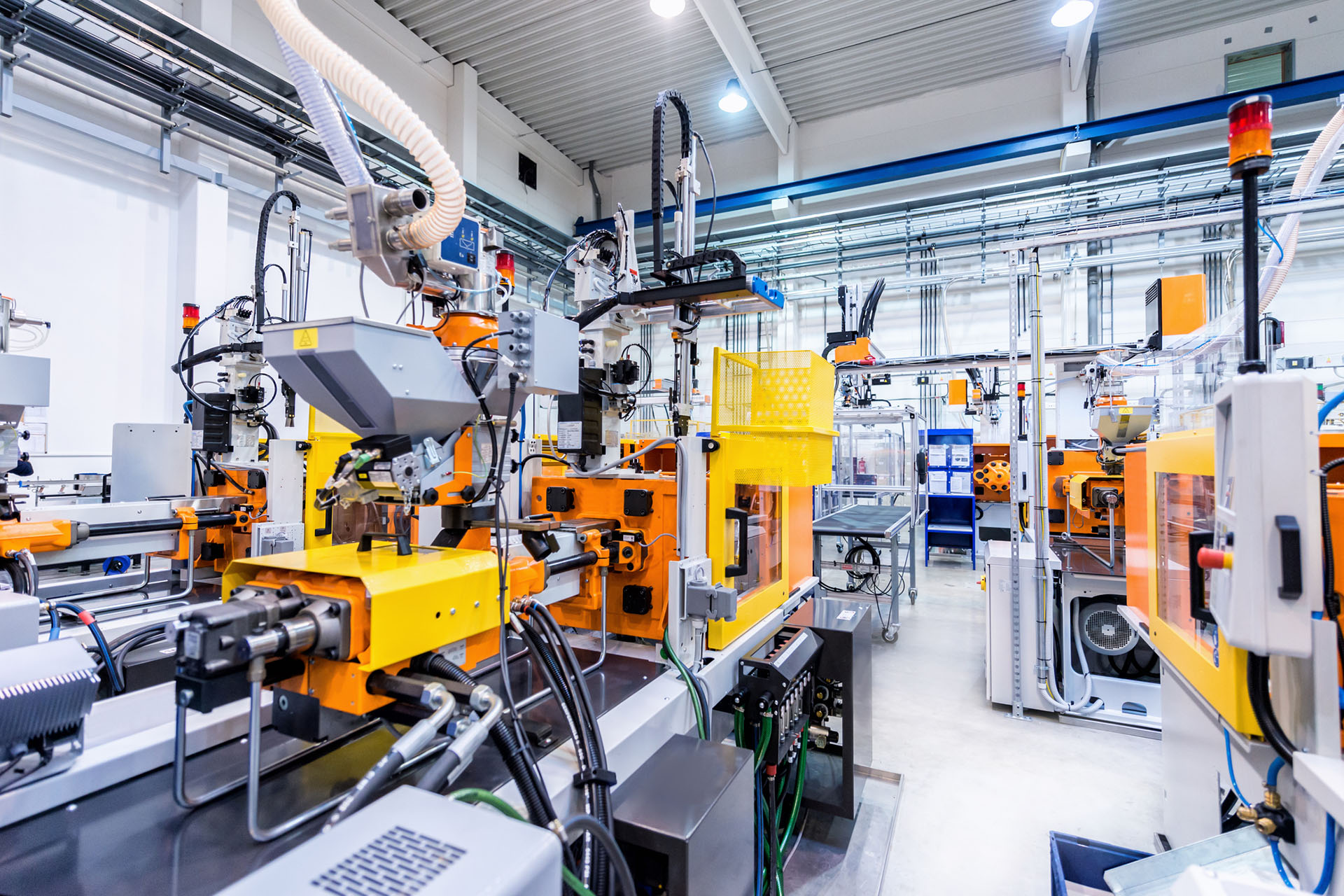
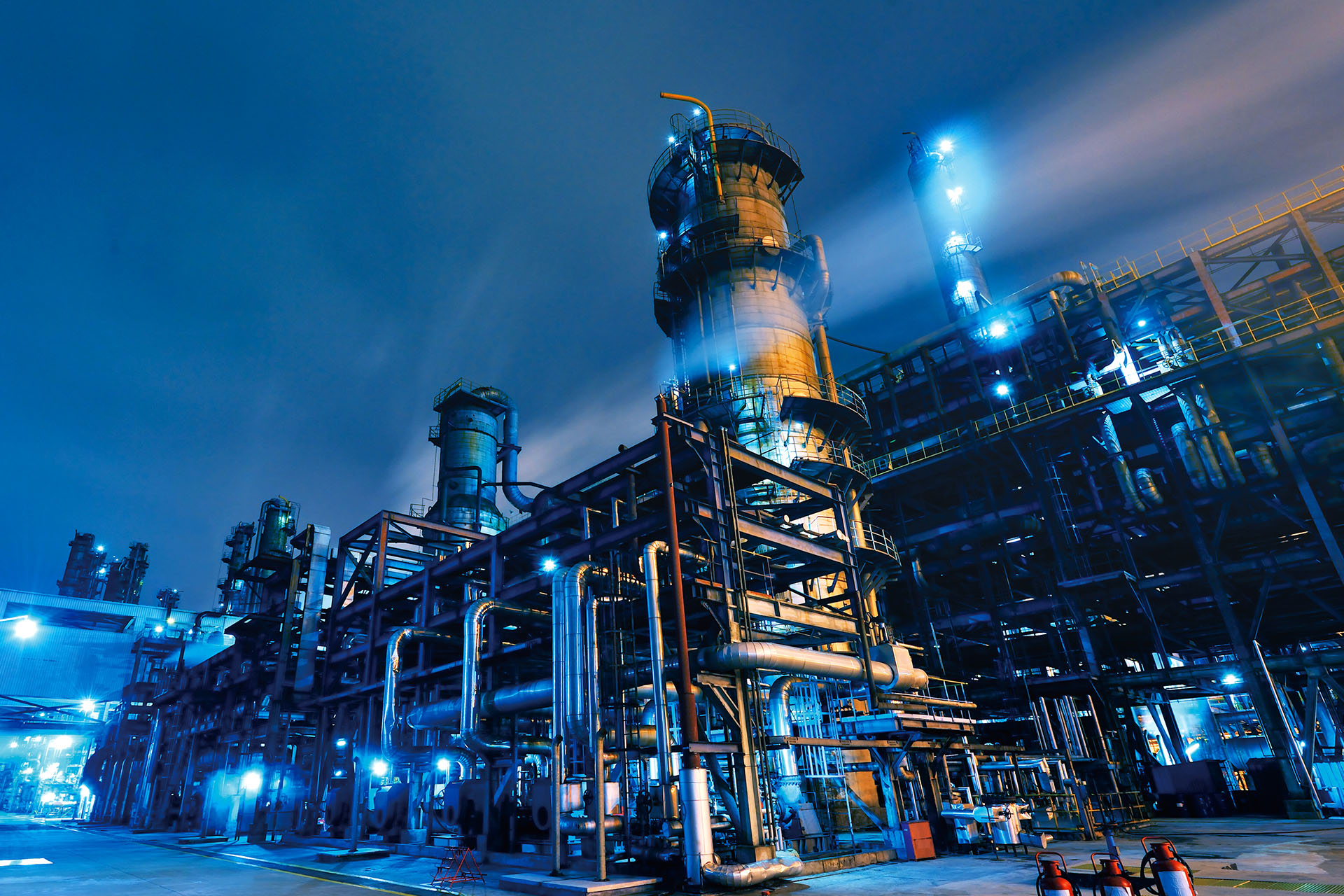
Energy Resilience in Chemical and Plastics Manufacturing
Energy resilience is a key priority for chemical and plastics producers operating 24/7 continuous processes. Any interruption to electricity or steam supply can lead to product loss, equipment damage, or costly shutdowns.
CHP systems provide dependable onsite energy generation, maintaining consistent power and heat supply even during grid instability. When integrated into a microgrid, CHP can operate in island mode or synchronise dynamically with other onsite sources such as solar PV, battery storage and ultracapacitor systems. This hybrid approach ensures production reliability, stabilises costs, and supports efficient energy management across complex industrial operations.
Discover More
Combined Heat and Power (CHP)
Microgrids and Hybrid Energy Systems
Combined Heat and Power (CHP)
CHP systems generate electricity and recover heat from engine exhaust and cooling circuits to supply process steam, heating, and drying applications. In chemical and plastics manufacturing, this simultaneous generation supports energy-intensive processes such as polymerisation, extrusion, and distillation. With total efficiencies reaching up to 90%, CHP reduces fuel use, operational costs, and carbon emissions. The reliable onsite power also enhances process stability and safety, ensuring consistent production in facilities where precision and uptime are critical to product quality and compliance.
Microgrids and Hybrid Energy Systems
Integrating CHP within a microgrid allows chemical and plastics facilities to optimise energy use through intelligent control of onsite generation, renewables, and storage. Microgrids improve flexibility and can operate either connected to or independent from the grid, maintaining stable power during outages, demand fluctuations and local loading variations. This ensures continuous operation of sensitive production systems, supports carbon reduction targets, and provides a pathway toward energy independence. The result is a more resilient, low-carbon energy infrastructure capable of supporting round-the-clock industrial production with high reliability and efficiency.
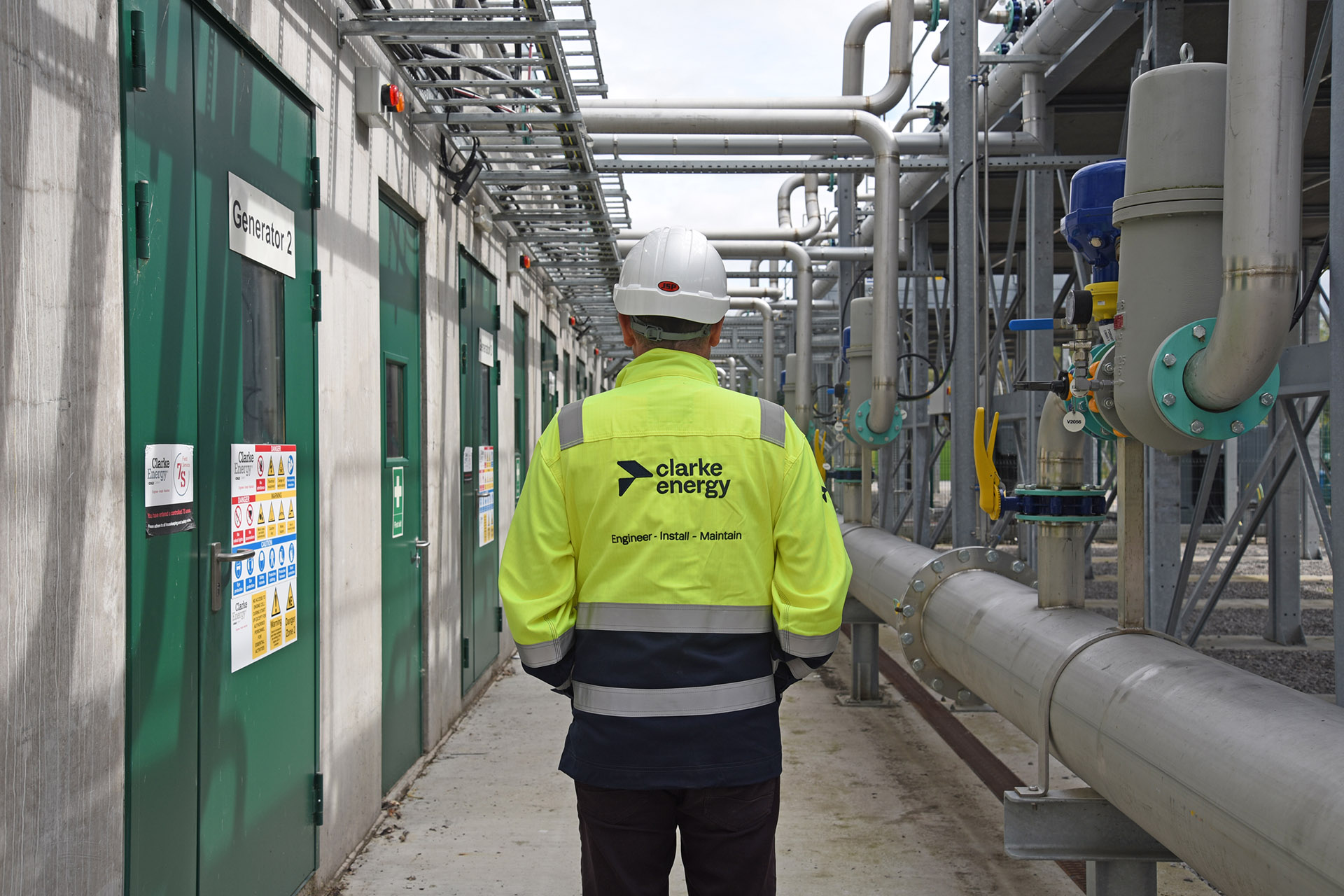
Why Clarke Energy for Chemical and Plastics Energy Projects?
Clarke Energy delivers high-efficiency CHP and microgrid solutions tailored to the demanding requirements of chemical and plastics production. Our systems improve process stability, reduce operational costs, and enhance energy resilience for facilities worldwide.
Our key advantages include:
• Proven experience in high-efficiency energy systems for industrial manufacturing.
• Turnkey project delivery — design, engineering, installation, and service.
• Integration expertise for CHP within industrial microgrids.
• Hydrogen-ready and renewable gas-capable technology for future flexibility.
• Comprehensive long-term maintenance agreements and 24/7 support.
Frequently Asked Questions about Chemicals and Plastics Manufacturing
Technical and Engineering
How does CHP improve efficiency in chemical and plastics production?
CHP systems generate both electricity and useful heat onsite, increasing total efficiency and reducing reliance on separate grid and boiler systems.
Can CHP provide steam for industrial processes?
Yes. Heat recovered from CHP exhaust can be used to generate steam or hot water, supporting polymerisation, refining, and other high-temperature applications.
Can CHP operate as part of a microgrid?
Yes. CHP can be integrated into a microgrid, allowing coordinated operation with renewables and energy storage for improved control and resilience.
Financial and Commercial
How can CHP reduce costs for manufacturers?
By generating electricity and heat simultaneously, CHP cuts fuel use and energy import costs, delivering predictable savings over time.
What is the typical payback period for a CHP installation?
Most industrial CHP systems achieve payback within five to eight years, depending on operating hours, energy prices, and load profiles.
Are there financial incentives for CHP in the chemical industry?
Many regions offer tax credits, efficiency grants, or low-carbon funding to support investment in high-efficiency CHP technologies.
Environmental and Sustainability
How does CHP support decarbonisation in manufacturing?
CHP reduces overall fuel use and associated emissions compared to conventional grid electricity and boilers, helping meet sustainability targets.
Can CHP systems operate on renewable or low-carbon fuels?
Yes. Clarke Energy’s CHP solutions can operate on natural gas, hydrogen blends, or renewable gases to reduce carbon intensity.
How does microgrid integration improve sustainability?
Microgrids optimise energy use by combining onsite generation and storage, allowing more efficient, flexible, and low-emission operation.
Operational and Implementation
Can CHP operate independently from the grid?
Yes. CHP systems can operate in island mode during grid outages, ensuring continuous power and process stability.
How does Clarke Energy ensure reliability in critical operations?
Our systems feature predictive maintenance, real-time monitoring, and rapid response support to maintain uptime and efficiency.
Can existing facilities be upgraded with CHP systems?
Yes. Modular CHP units can be retrofitted into existing industrial plants with minimal disruption to production.
Looking for a Reliable, Efficient, and Low-Carbon Energy Solution?
Our experts can provide the insight and support you need to evaluate options and achieve the right energy solution for your business.