

Sustainability at Clarke Energy
Powering the transition to a low-carbon future with resilient and sustainable energy systems.
Rehlko Powering Impact
As part of Rehlko, Clarke Energy supports a shared commitment of putting resilience at the heart of sustainability. Through initiatives like Powering Impact, we enhance product compatibility with sustainable fuels, help customers transition to Net Zero, and turn backup power into a sustainable, strategic asset. Clarke Energy, operating as part of Rehlko, also supports Resilient Products and Services as part of this strategy, with an integrated suite of progressively sustainable solutions that allows our customers to meet their sustainability goals. Together, we strengthen energy resiliency, reduce emissions, and create lasting impact.
Learn more in the full Powering Impact report:


Engineering a Sustainable Future
Clarke Energy is a global leader in the engineering, installation, and maintenance of distributed, low-carbon energy systems. With a legacy rooted in energy efficient combined heat and power (CHP) gas engine technology, our capabilities have grown to encompass a diverse portfolio of sustainable energy solutions, including battery energy storage systems (BESS), biogas CHP and upgrading, hydrogen systems, microgrids, and carbon capture technologies.
Our operations and project delivery are designed with sustainability at the core, whilst helping customers improve energy efficiency, resilience, and emissions reduction across critical infrastructure and industrial applications. We work in close partnership with our clients and suppliers to ensure our solutions contribute meaningfully to net-zero goals and a more sustainable future.

Energy Efficiency
Our core offering in combined heat and power (CHP) enables high-efficiency energy generation, with electrical and thermal efficiency rates up to 90%. CHP reduces primary energy use and emissions by simultaneously producing power and useful heat. Our service teams also deliver energy efficiency upgrades to existing systems, supporting clients in meeting regulatory and sustainability goals.

Renewable Gas
We design and deliver energy systems that generate or are powered by renewable gases such as biogas and biomethane. Clarke Energy’s biogas CHP solutions are deployed within anaerobic digestion facilities, enabling the recycling of agricultural, industrial, and municipal organic waste. Our upgraded systems convert raw biogas into biomethane suitable for grid injection or vehicle fuel, further enhancing sustainability and replacing fossil fuels.

Renewable Energy Integration
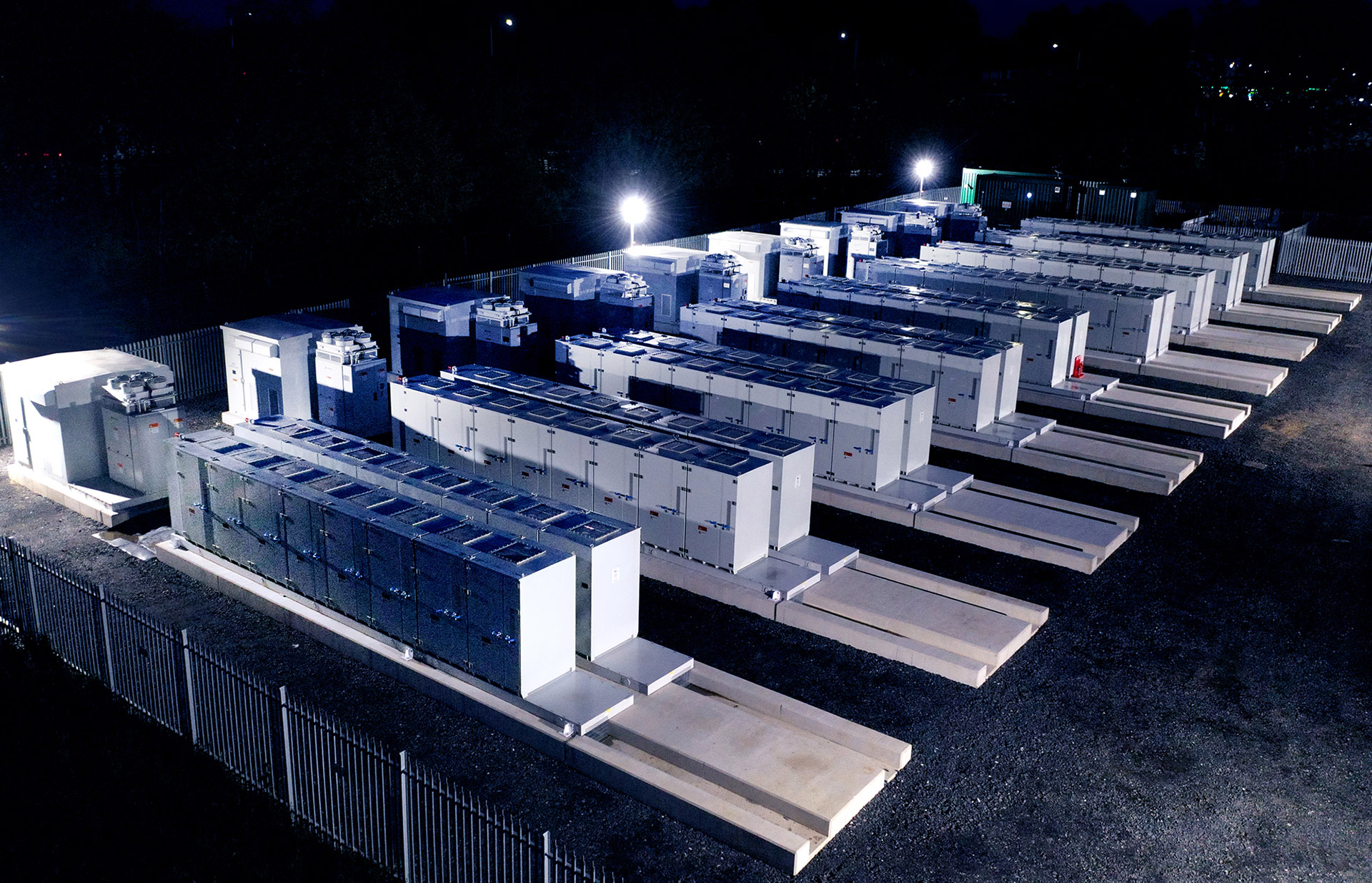
Clarke Energy supports renewable energy deployment by integrating hybrid systems that combine solar, wind, and battery energy storage. These systems allow the capture and dispatch of renewable energy, enhancing grid stability and enabling low-carbon operations. We deliver complete BESS turnkey systems and hydrogen-ready peaking plants that complement intermittent renewables.

Energy Resilience
We specialise in delivering resilient, distributed energy systems including microgrids, hybrid energy solutions, and CHP systems. These technologies provide power security for critical applications such as hospitals and data centres. Our microgrid projects integrate solar, BESS, CHP, and backup generation to ensure energy availability during outages or grid instability.

Carbon Utilisation
Clarke Energy integrates carbon capture and utilisation (CCU) technologies into our energy systems. Captured CO₂ can be processed for reuse in industrial, food-grade, or agricultural applications, closing the carbon loop. We also recover biogenic CO₂ from biogas upgrading processes.

Renewable Energy Enablement
By deploying energy storage and fast-ramping gas peaking plants, we enable more renewables to enter the energy mix. Our solutions balance the grid to support intermittent solar and wind generation, enhancing grid reliability and sustainability. Technologies such as BESS and hydrogen engines are essential to balancing power supply and demand in an intermittent renewable-heavy grid.

Thermal Decarbonisation
Our CHP and trigeneration systems decarbonise heating processes in industrial and commercial settings. These deliver tangible carbon savings versus grid electricity even when natural gas fuelled. When powered by renewable fuels like biogas or hydrogen, these systems drastically reduce greenhouse gas emissions while maintaining high efficiency.

Sustainable Data
Data centres are vital infrastructure with high energy demands. Clarke Energy provides sustainable energy systems for hyperscale, co-located, and edge facilities. Our combined cooling, heat and power (CCHP) systems offer efficient energy and cooling using cleaner fuels. Hybrid engine and BESS systems help to balance volatile loads. We also implement microgrids for data centres, optimising performance and emissions outcomes.

Cooling Decarbonisation
Cooling loads are addressed using combined cooling heat and power (CCHP) or trigeneration systems, where waste heat from CHP is used to drive absorption chillers, reducing the reliance on traditional electric chillers. This approach is especially useful in data centres and commercial buildings where cooling demand is substantial.

Sustainable Waste Management
Our energy systems often integrate into waste management operations. Biogas from food waste, wastewater, and landfill gas is captured and used to generate power and heat or upgraded into biomethane or renewable natural gas (RNG). This not only avoids methane release but also reduces landfill volumes and recovers value from organic waste streams.

Methane Emissions Avoidance
Methane, a potent short-lived climate pollutant and greenhouse gas, is targeted in several of our solutions. We capture methane from landfills, flare gas in oil and gas operations, coal mines, and anaerobic digesters, converting it into electricity and heat. These projects avoid harmful methane emissions, supporting global emissions reduction targets.
Your Sustainability Journey with Clarke Energy
Clarke Energy’s experts can help you explore how to advance your organisation’s ESG and decarbonisation objectives.