

Commercial and Office Buildings
Efficient, reliable, and low-carbon energy for commercial estates and office facilities.
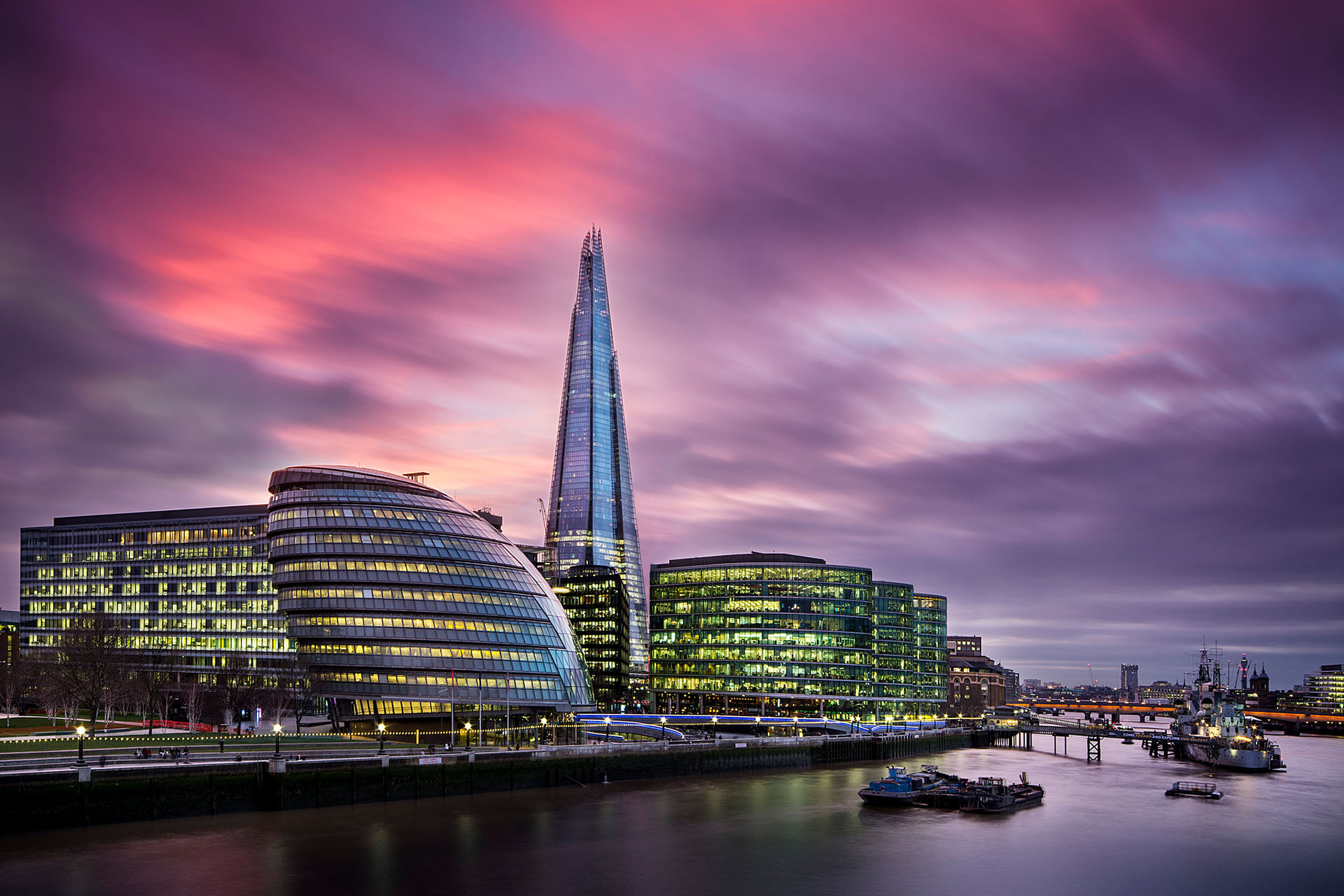
About Commercial and Office Buildings
Commercial and office buildings require dependable power, heating, and cooling to maintain occupant comfort, business continuity, and compliance with environmental performance standards. With rising energy costs and growing expectations for sustainable operations, facility managers are under increasing pressure to reduce consumption, improve efficiency, and cut emissions.
Combined heat and power (CHP) and trigeneration (CCHP) systems offer an efficient way to meet these demands by producing electricity, heating, and cooling from a single fuel source. These systems are ideal for multi-tenant buildings, corporate campuses, and business parks with consistent energy requirements throughout the year.
When integrated within microgrid systems, CHP and CCHP technologies provide enhanced resilience and control, balancing onsite generation with renewable inputs such as solar PV and enabling energy independence during grid disruptions. Together, these solutions help commercial and office buildings reduce costs, improve sustainability, and ensure stable operation under all conditions.
Benefits of CHP, CCHP, and Microgrids for Commercial and Office Buildings
• Improved Energy Efficiency: Generates power, heating, and cooling onsite, achieving efficiencies above 80%.
• Reduced Energy Costs: Lowers utility bills by offsetting grid electricity and boiler fuel use.
• Carbon Emissions Reduction: Reuses waste heat and integrates renewable power to support net-zero goals.
• Operational Resilience: Ensures uninterrupted energy for lighting, IT systems, lifts, and HVAC during grid failures.
• Smart Energy Control: Microgrids enable intelligent load management and coordination with renewables.
• Adaptable Solutions: Suitable for single buildings, mixed-use developments, or large commercial campuses.
• Long-Term Value: Enhances asset performance and sustainability credentials for property owners and tenants.
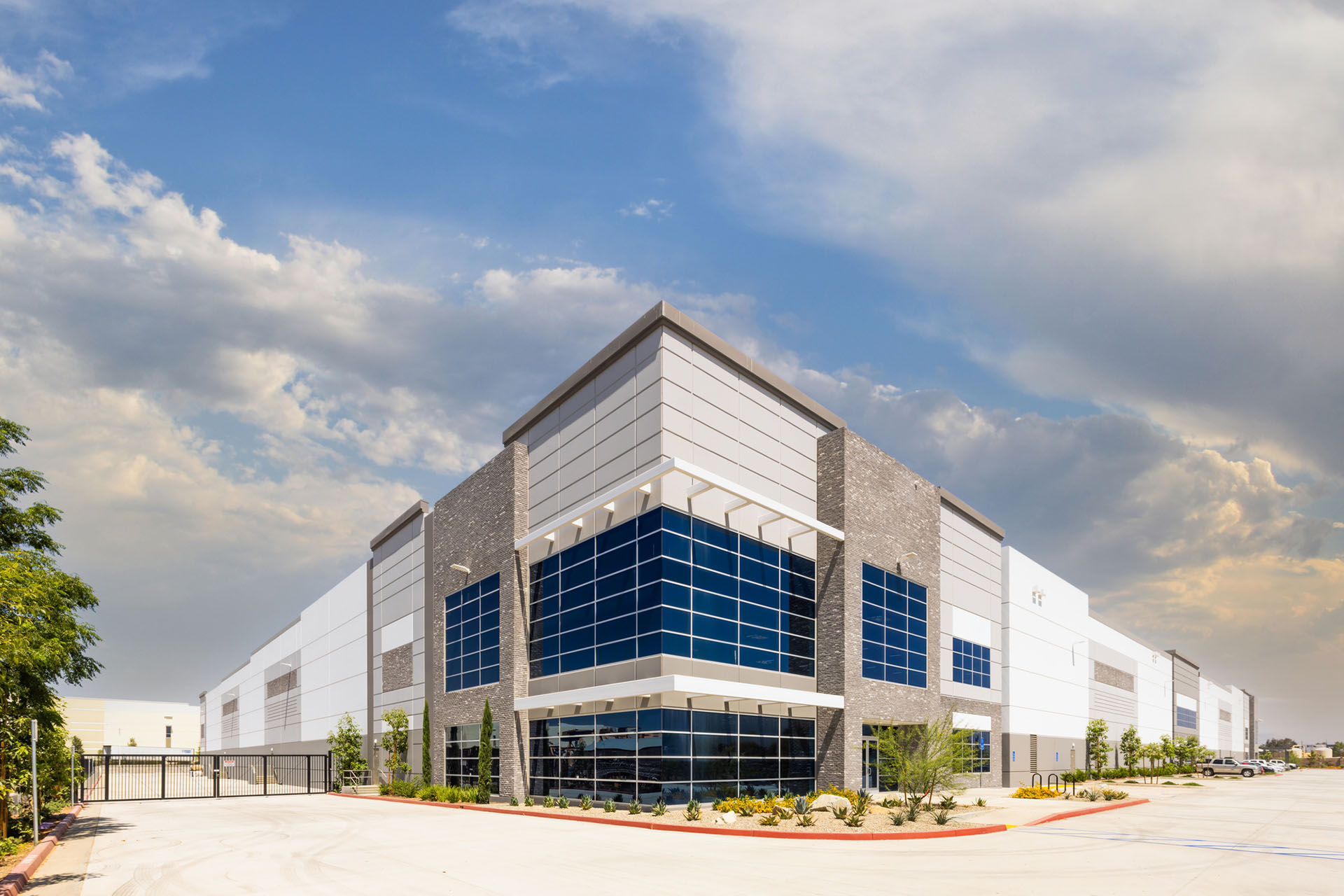

Energy Resilience in Commercial Operations
For commercial and office buildings, maintaining energy continuity is vital for operations, IT infrastructure, and occupant comfort. CHP systems deliver reliable onsite power and thermal energy, ensuring stability during grid instability or peak demand periods.
When combined with CCHP, systems also provide energy-efficient cooling for HVAC networks, data rooms, and occupied spaces. Integration within a microgrid allows seamless switching between grid-connected and island operation, ensuring continued performance, optimised load management, and greater control over energy costs.
Discover More
Combined Heat and Power (CHP)
Trigeneration (CCHP)
Microgrids and Smart Energy Systems
Combined Heat and Power (CHP)
CHP systems generate electricity and recover waste heat from engine exhaust and cooling circuits for use in building heating and hot water systems. With overall efficiencies exceeding 80%, CHP significantly reduces primary energy consumption and carbon emissions. The technology is particularly effective in commercial properties with consistent heat and power demand, providing a cost-effective route to sustainability and long-term operational savings.
Trigeneration (CCHP)
CCHP extends CHP capability by using recovered heat to produce chilled water via absorption chillers, providing efficient air conditioning for large commercial spaces. This configuration delivers heating, cooling, and electricity from a single fuel source, reducing electricity demand from conventional chillers and improving carbon performance. CCHP systems are ideal for offices, mixed-use developments, and large estates with year-round temperature control requirements.
Microgrids and Smart Energy Systems
Microgrids combine CHP and CCHP systems with renewable energy and battery storage to create decentralised power networks. They allow commercial and office buildings to manage generation, storage, and consumption efficiently, ensuring reliable energy even during grid outages. Smart control systems optimise demand, reduce peak loads, and lower operational costs, making microgrids a key enabler of resilient, low-carbon building performance.
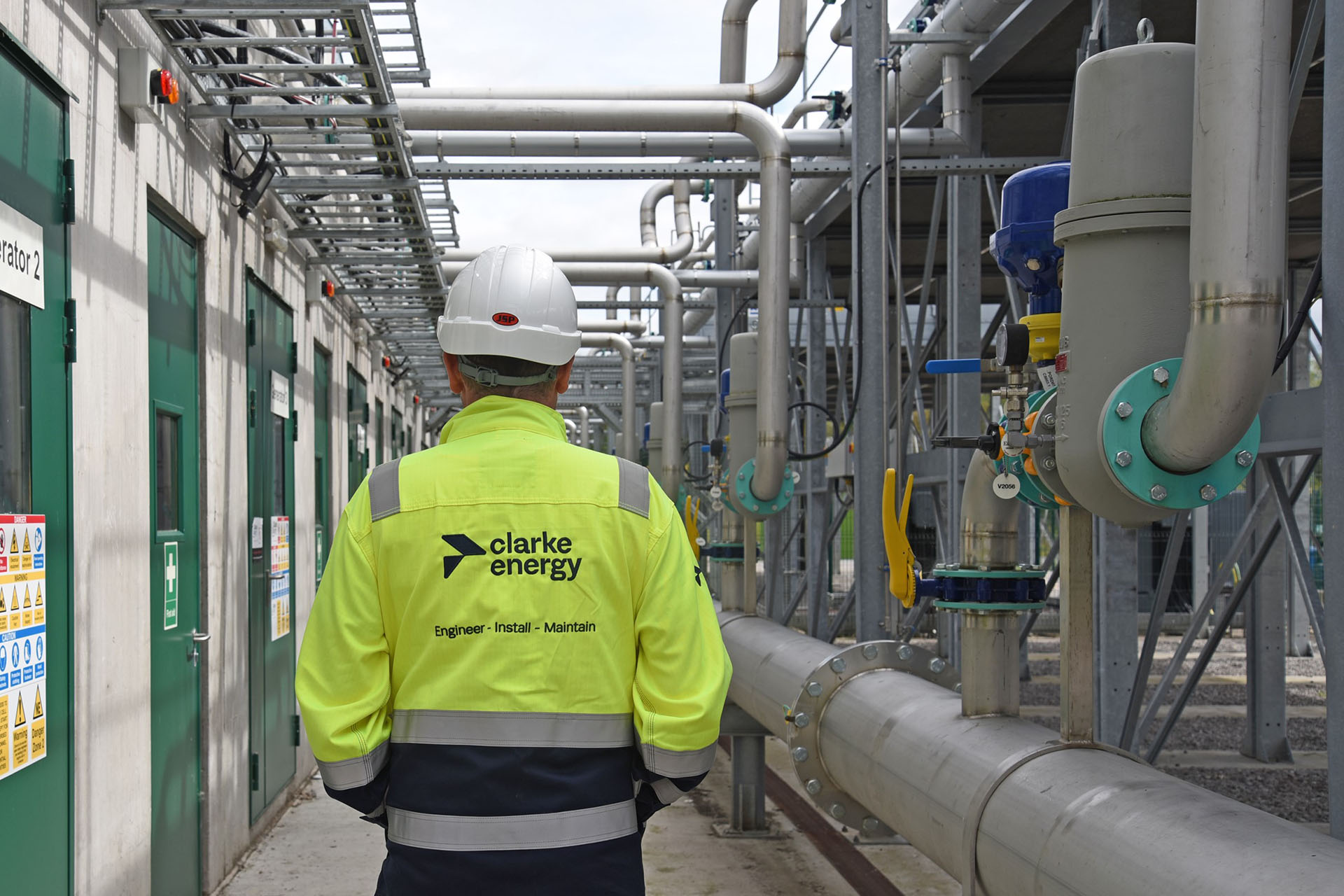
Why Clarke Energy for Commercial Energy Projects
Clarke Energy provides efficient, sustainable energy systems for commercial and built-environment applications. Our experience in CHP, CCHP, and microgrid integration enables building owners and developers to achieve operational efficiency, carbon reduction, and long-term cost savings.
Our key advantages include:
• Turnkey project delivery – from feasibility and design through to installation and service support.
• Proven expertise – delivering CHP and CCHP solutions for commercial and public buildings.
• Integrated control – microgrid-ready systems for flexible, reliable energy operation.
• Future-ready technology – INNIO Jenbacher engines compatible with renewable gases and hydrogen.
• Comprehensive service support – predictive maintenance, remote monitoring, and performance optimisation.
Frequently Asked Questions about Commercial and Office Building Energy Systems
Technical and Engineering
How does CHP improve energy efficiency in commercial buildings?
CHP generates electricity and heat simultaneously, significantly increasing energy efficiency compared with conventional supply.
What advantages does CCHP offer for offices?
CCHP provides cooling as well as heating and power, reducing reliance on electric chillers and improving comfort and efficiency.
Can these systems integrate with renewables?
Yes. Microgrids allow integration with solar PV and battery storage for hybrid energy generation.
Can CHP systems be retrofitted into existing buildings?
Yes. Modular CHP systems can be installed with minimal disruption to building operations.
Financial and Commercial
What cost savings can CHP deliver?
Savings of 15–30% on energy costs are typical depending on system utilisation and load profile.
Can CHP support building sustainability certification?
Yes. CHP and CCHP contribute toward standards such as BREEAM, LEED, and ISO 50001.
Are there government incentives for CHP adoption?
Many regions provide grants or tax benefits for efficient, low-carbon energy systems.
What is the payback period for commercial CHP?
Typically five to eight years, depending on operating hours and energy prices.
Environmental and Sustainability
How does CHP contribute to carbon reduction goals?
By maximising fuel efficiency and capturing waste heat, CHP reduces emissions compared with separate generation.
Can CHP systems use renewable fuels?
Yes. Clarke Energy’s Jenbacher engines can run on renewable gases such as biomethane or hydrogen blends.
Do microgrids support sustainability goals?
Yes. They optimise renewable energy use and reduce dependence on centralised grid supply.
Can CCHP systems improve indoor comfort?
Yes. CCHP provides efficient cooling and temperature control while reducing overall energy use.
Operational and Implementation
How does Clarke Energy ensure reliability in commercial systems?
Through predictive maintenance, remote diagnostics, and rapid on-site support.
Can these systems operate during grid outages?
Yes. CHP and microgrid configurations can operate in island mode to maintain critical services.
What maintenance support is available?
Clarke Energy provides long-term service contracts, 24/7 monitoring, and performance optimisation.
How long do CHP and CCHP systems last?
Typically 15–20 years with proper maintenance and operational oversight.
Looking for a Reliable, Efficient, and Low-Carbon Energy Solution?
Our experts can provide the insight and support you need to evaluate options and achieve the right energy solution for your business.