

Steel Industry
Reliable, efficient, and low-carbon energy for steel manufacturing and processing.
About the Steel Industry
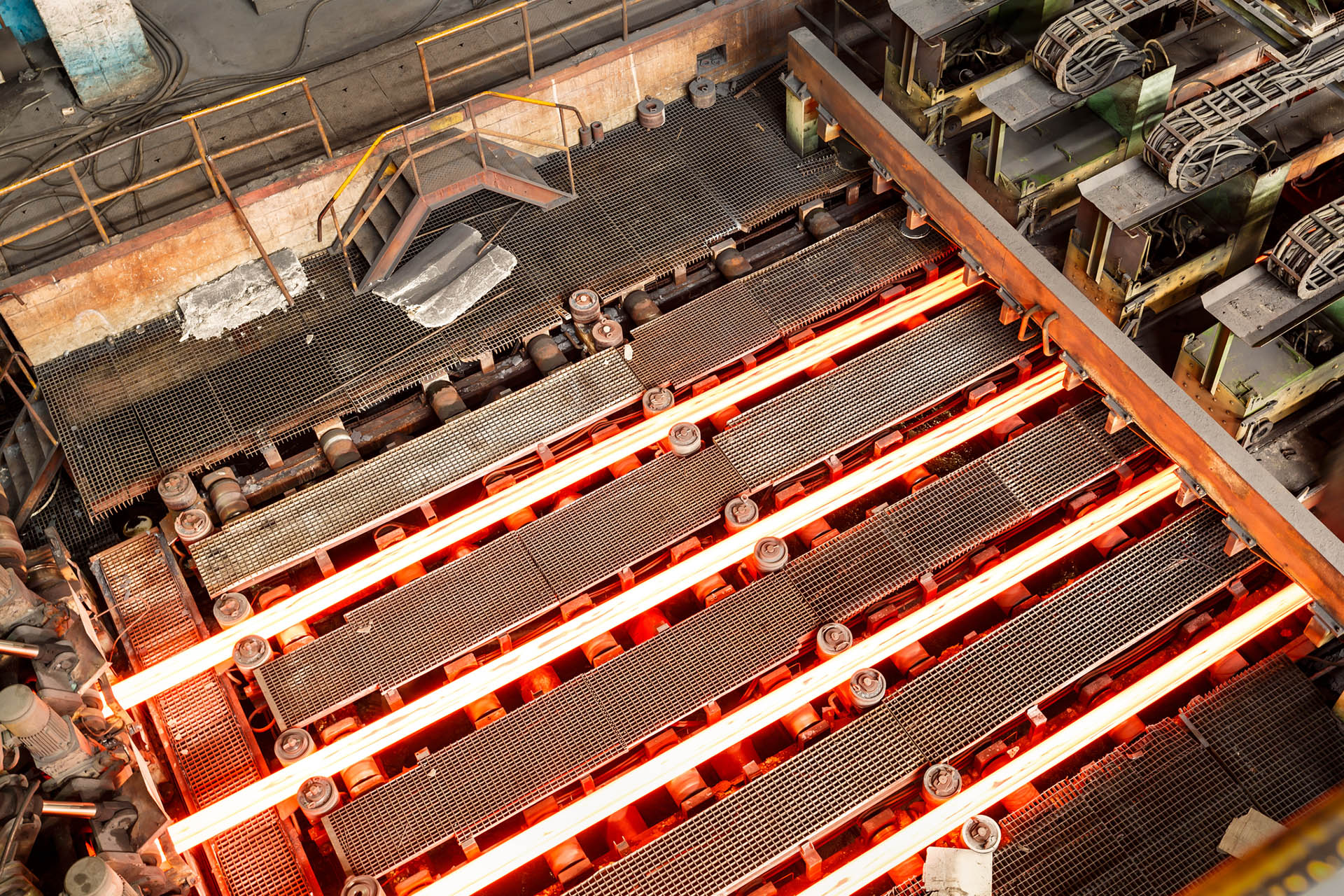
The steel industry is among the most energy-intensive sectors in global manufacturing, consuming large amounts of electricity and heat for melting, casting, and rolling. Continuous furnaces, reheating operations, and process equipment require stable, high-capacity energy supply to maintain temperature precision and throughput. Any interruption in power or heat can result in production losses, equipment damage, and compromised quality.
At the same time, the sector faces growing pressure to reduce carbon emissions and improve energy efficiency while maintaining competitiveness. Combined Heat and Power (CHP) systems offer a proven solution by generating electricity and heat from a single fuel source, improving overall efficiency and reducing reliance on the grid.
In addition to conventional natural gas CHP, many steel and metal producers are now recovering furnace off-gases and other process emissions to generate power and heat. These gases, which contain combustible compounds such as carbon monoxide, hydrogen, and methane, can be cleaned and reused in CHP gas engines. Integrating furnace gas recovery within CHP and microgrid systems reduces waste, cuts flaring, and lowers both fuel costs and emissions — supporting a circular approach to energy use and decarbonisation across heavy industry.
Benefits of CHP and CO₂ Capture for the Steel Industry
• Improved Energy Efficiency: Generates power and heat simultaneously, increasing total system efficiency to over 80%.
• Operational Resilience: Provides dependable onsite power for critical production equipment and continuous processes.
• Reduced Carbon Emissions: Enables CO₂ capture from exhaust gases for reuse or storage, supporting sustainability targets.
• Lower Operating Costs: Reduces fuel consumption and grid energy purchases, stabilising long-term costs.
• Integration with Renewables: Microgrid control allows coordination with solar, storage, or external power sources for optimal use.
• Waste Heat Recovery: Captures waste heat from CHP and process systems to support preheating or ancillary plant operations.
• Scalable Solutions: Modular configurations can support both primary steel plants and secondary processing facilities.
Energy Resilience and Efficiency
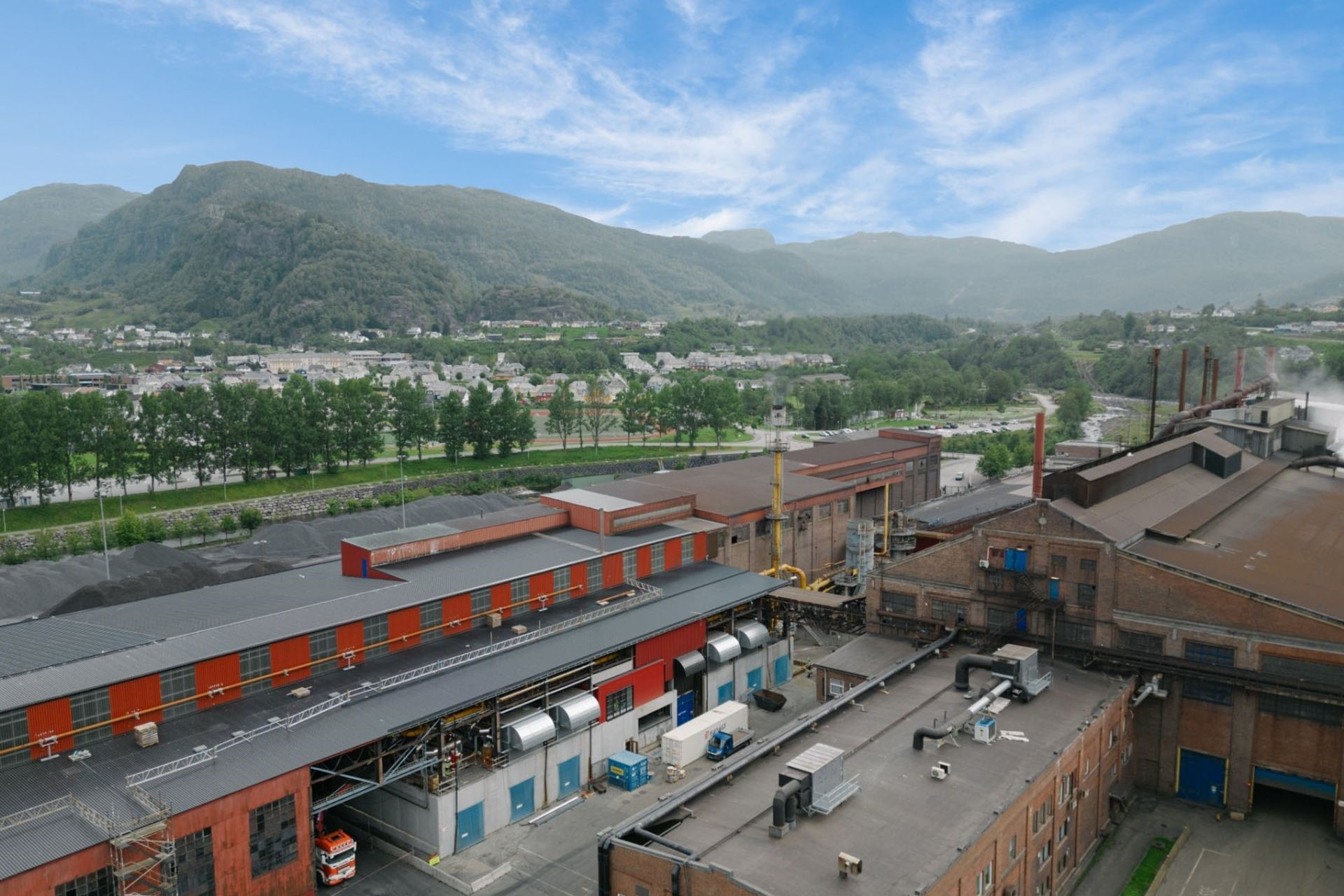
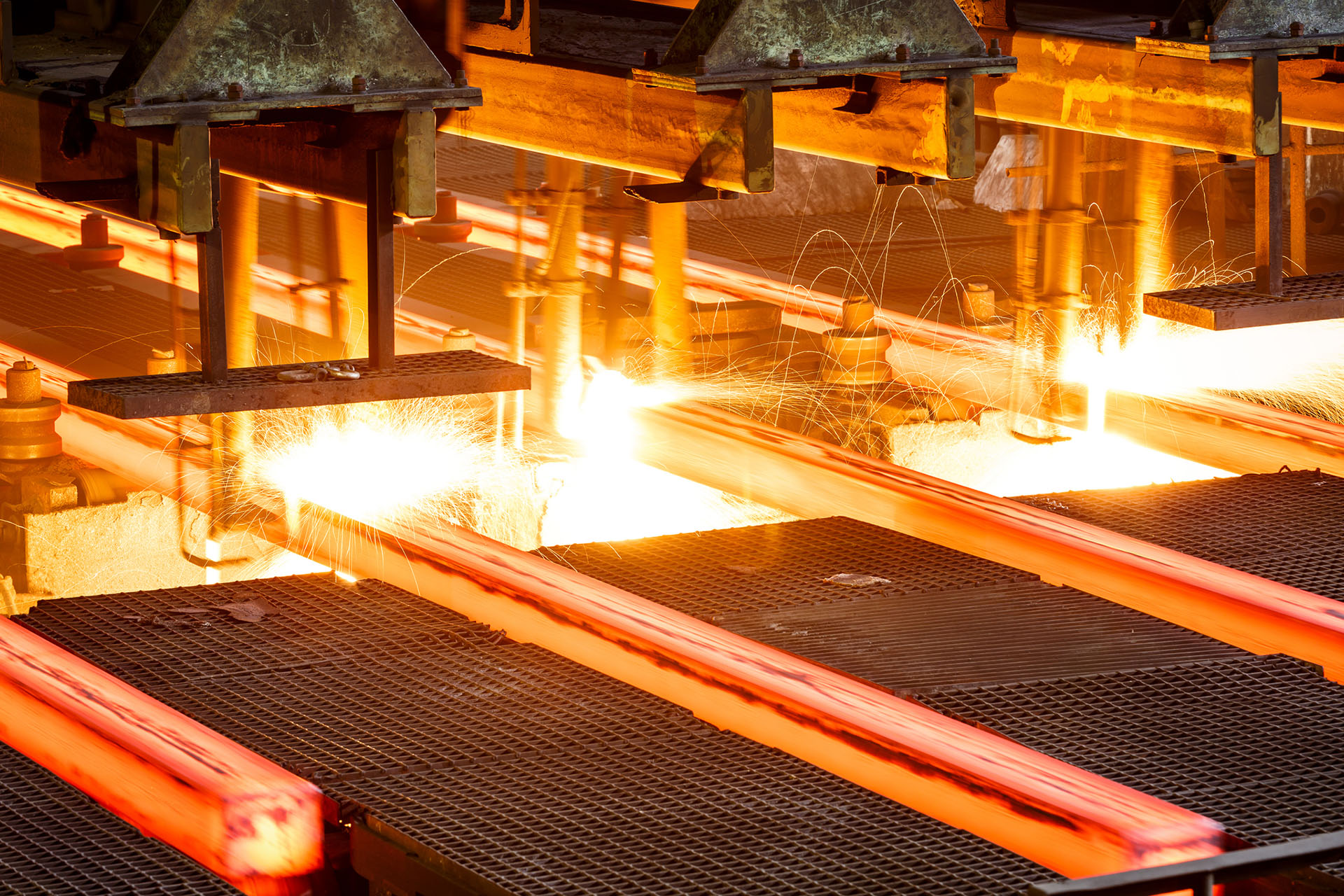
Steel plants require continuous, high-load energy supply to maintain furnace temperature and ensure uninterrupted production. CHP systems provide stable, onsite generation of both power and heat, reducing exposure to grid instability and voltage fluctuations.
When integrated within a microgrid, CHP can work alongside renewables and energy storage to balance variable demand and maintain power quality. This ensures reliable operation of critical assets such as arc furnaces, rolling mills, and casting lines. The combination of high efficiency, resilience, and carbon reduction makes CHP a key enabler of low-carbon steel manufacturing.
Discover More
Combined Heat and Power (CHP)
CO₂ Capture and Reuse
Microgrids and Flexible Operation
Combined Heat and Power (CHP)
CHP systems produce electricity and recover waste heat from engine exhaust and cooling circuits for reuse within steel plants. Recovered heat can be used for space heating, water preheating, or process steam generation, significantly improving energy efficiency. Total system efficiencies often exceed 80%, delivering substantial savings on fuel and electricity costs. CHP provides reliable onsite power that supports critical manufacturing equipment, ensuring production continuity and reducing the environmental footprint of energy-intensive steel operations.
In some steel and alloy facilities, CHP systems can also operate on recovered furnace or process gases. These gases are cleaned and conditioned before being used in high-efficiency gas engines, converting what was once a waste by-product into a valuable energy resource. This approach increases energy self-sufficiency, reduces flaring, and supports circular fuel use while lowering emissions from metallurgical processes.
CO₂ Capture and Reuse
CHP plants equipped with CO₂ capture technology can extract and purify carbon dioxide from exhaust streams for industrial reuse or long-term storage. Captured CO₂ may be used in processes such as metal cooling, inerting, or local manufacturing applications, providing both environmental and commercial benefits. Incorporating carbon recovery enables steel producers to reduce emissions associated with power generation and align with corporate decarbonisation goals. This approach supports the industry’s transition toward lower-carbon manufacturing pathways while maintaining energy reliability.
Microgrids and Flexible Operation
Microgrids integrate CHP systems with renewables, energy storage, and intelligent control to create efficient, decentralised energy networks. In steel manufacturing, these systems balance generation with demand, allowing seamless transition between grid-connected and island modes. Microgrids improve power quality, reduce downtime risk, and optimise energy use during peak demand periods. Their flexibility allows plants to participate in grid support schemes and manage energy more efficiently, strengthening resilience while reducing carbon intensity across large-scale industrial sites.
Why Clarke Energy for Steel Industry Projects
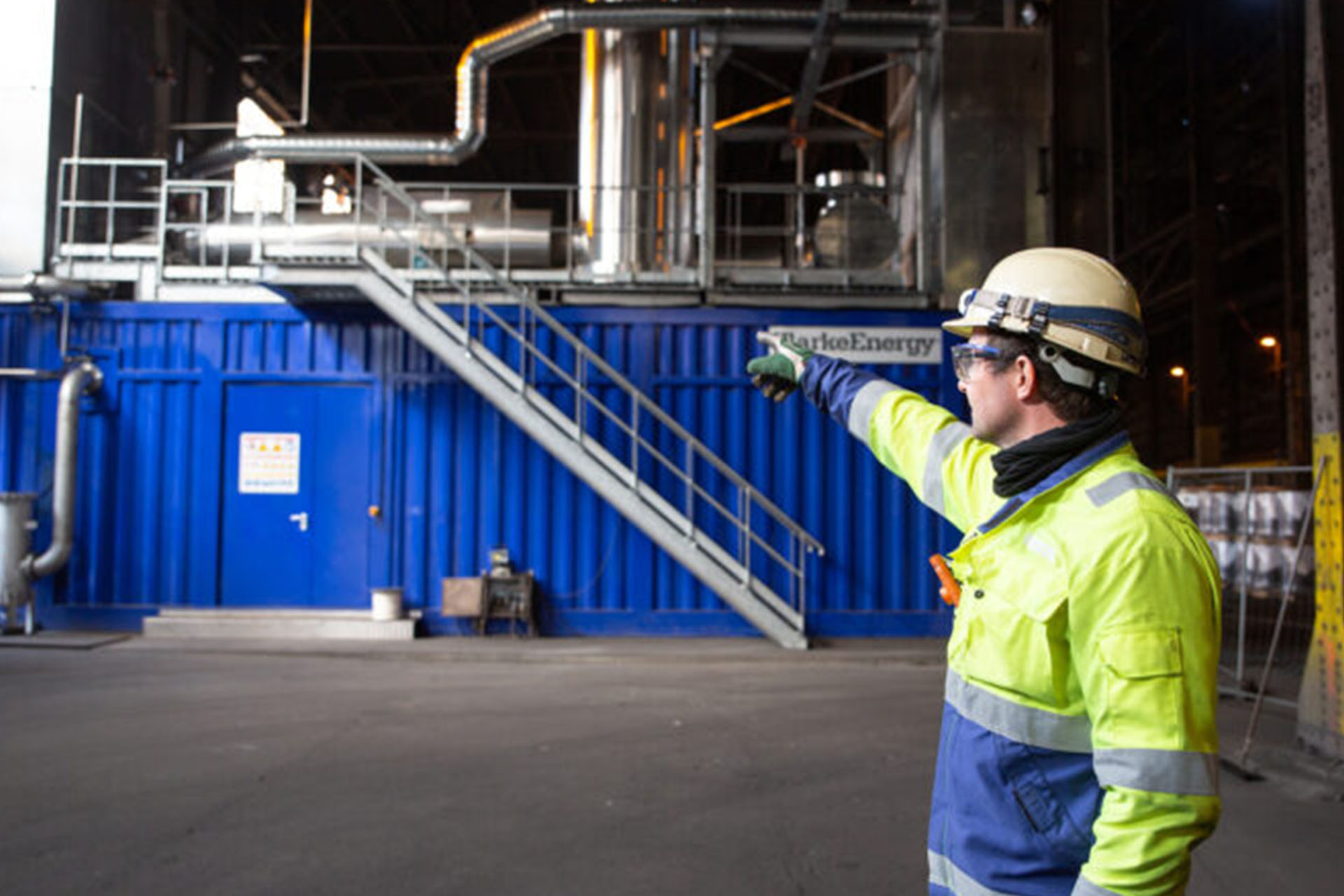
Clarke Energy delivers efficient, low-carbon energy systems designed for the demanding requirements of heavy industry. Our expertise in CHP, carbon capture, and hybrid generation provides steel manufacturers with reliable, sustainable energy tailored to continuous operation.
Our key advantages include:
• Turnkey project delivery – design, engineering, installation, and long-term maintenance.
• Industrial experience – proven track record in high-load manufacturing environments.
• Integrated technology offering – combining CHP, CO₂ capture, and microgrid systems for enhanced performance.
• Future-ready technology – INNIO Jenbacher gas engines compatible with renewable gases and hydrogen blends.
• Comprehensive service support – predictive maintenance, remote monitoring, and rapid-response field service to maximise uptime.
Frequently Asked Questions about Steel Industry Energy Systems
Technical and Engineering
How does CHP improve efficiency in steel manufacturing?
CHP simultaneously produces electricity and heat onsite, reducing waste and improving total energy efficiency.
Can CHP systems support continuous furnace operation?
Yes. CHP provides stable power and thermal energy to maintain temperature consistency and process reliability.
How can CO₂ capture be integrated with CHP?
Carbon dioxide can be extracted from CHP exhaust, cleaned, and reused in industrial applications or stored.
Do microgrids enhance steel plant reliability?
Yes. Microgrids enable flexible operation and ensure continuous power during grid disturbances or peak load conditions.
Financial and Commercial
What are the cost benefits of CHP for steel producers?
CHP reduces electricity purchases and fuel use, leading to energy cost savings of 15–30% depending on load profile.
Can surplus power be sold to the grid?
Yes. Where regulations allow, excess electricity can be exported, creating additional revenue streams.
What is the payback period for CHP systems in heavy industry?
Typically five to eight years, depending on fuel prices, system size, and operational hours.
Are there funding incentives for carbon reduction technologies?
Yes. Many regions provide grants or tax incentives for CHP, CO₂ capture, and renewable energy systems.
Environmental and Sustainability
How does CHP reduce emissions in the steel sector?
By using fuel more efficiently and recovering waste heat, CHP reduces total greenhouse gas emissions per tonne of steel.
Can CHP systems use low-carbon fuels?
Yes. Clarke Energy’s Jenbacher engines can operate on hydrogen blends or renewable gases.
What are the benefits of CO₂ reuse?
Captured CO₂ can be used in industrial applications or stored, supporting sustainability and carbon reduction goals.
Do microgrids support net-zero objectives?
Yes. Microgrids integrate renewables and optimise energy use to reduce the overall carbon footprint.
Operational and Implementation
Can CHP systems be added to existing steel plants?
Yes. Modular CHP systems can be integrated into existing infrastructure with minimal disruption.
How does Clarke Energy ensure system reliability?
Through predictive maintenance, remote diagnostics, and dedicated service teams.
Can these systems operate in island mode?
Yes. Microgrid-enabled CHP systems can run independently during grid outages.
Looking for a Reliable, Efficient, and Low-Carbon Energy Solution?
Our experts can provide the insight and support you need to evaluate options and achieve the right energy solution for your business.