

Mining Industry
Reliable, flexible, and low-carbon power generation for remote and industrial mining operations.
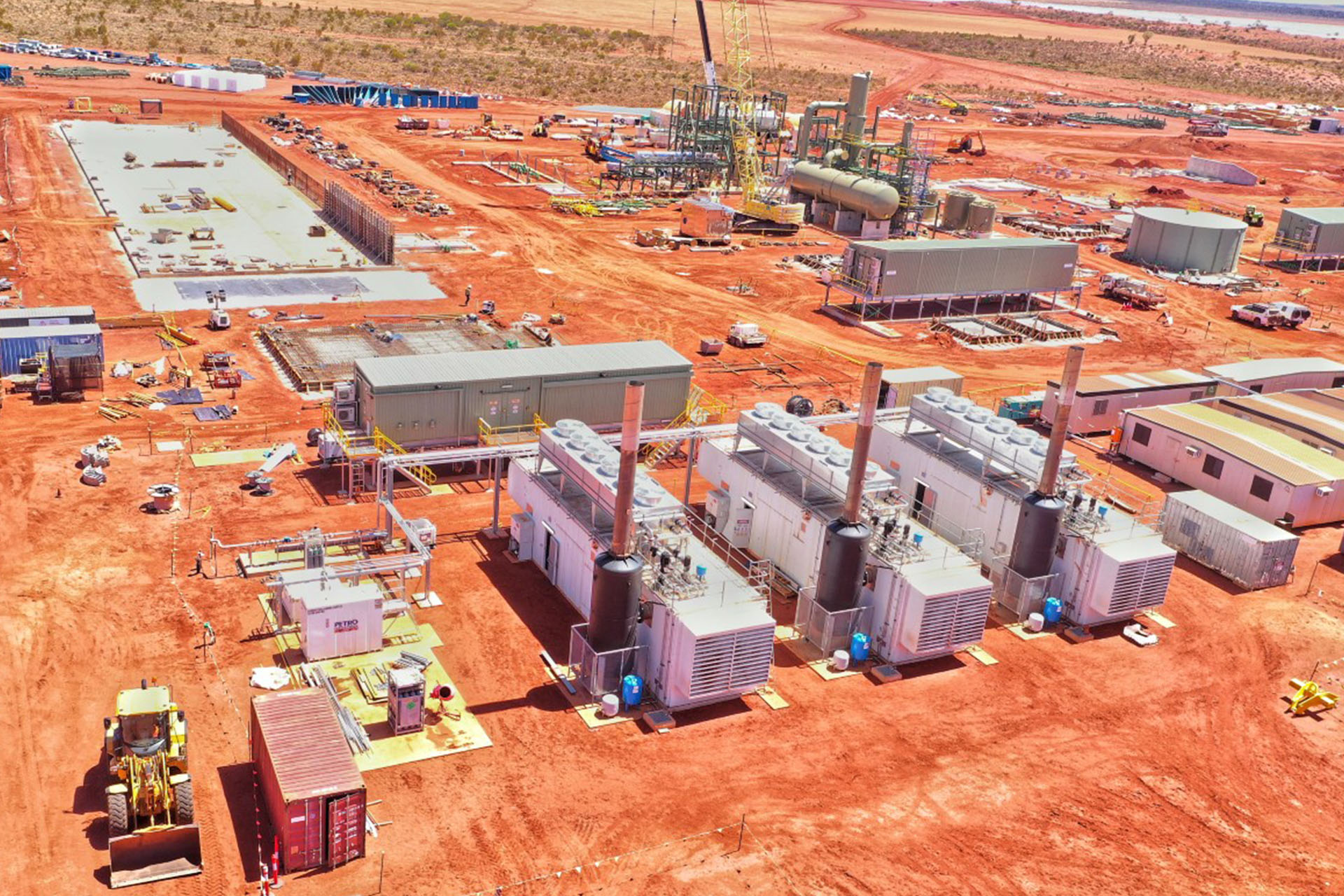
About the Mining Industry
The mining sector operates some of the most energy-intensive and remote facilities in the world, often located far from stable grid infrastructure. Mines require constant, high-capacity power to support crushing, processing, ventilation, water pumping, and camp operations — all while maintaining strict safety and environmental standards.
Traditional diesel generation has been widely used for decades, but it is costly, carbon-intensive, and subject to volatile fuel logistics. Modern gas engine power plants and flexible generation technologies now provide a cleaner, more efficient alternative. These systems can operate on pipeline natural gas, liquefied natural gas (LNG), or associated gas produced locally as a by-product of extraction.
By integrating microgrid control, gas engine power stations can coordinate multiple generation sources — including renewables and battery storage — to deliver secure, flexible, and low-carbon power. This hybrid approach enhances reliability, reduces operating costs, and supports the industry’s transition toward sustainable mining operations.
Benefits of Flexible Power Solutions for Mining Operations
• Reliable Power Supply: Delivers continuous, high-quality energy to support critical mining processes in remote areas.
• Flexible Operation: Rapidly adjusts output to match varying site loads and process requirements.
• Reduced Emissions: Gas and hybrid systems significantly lower CO₂ and particulate emissions compared with diesel.
• Lower Operating Costs: Improved fuel efficiency and reduced logistics costs from local or LNG-based fuel supply.
• Integration with Renewables: Enables seamless incorporation of solar or wind power for hybrid operation.
• Scalable and Modular: Systems can be expanded or redeployed as mining operations evolve.
• Enhanced Energy Security: Onsite microgrid control maintains stability even during external grid or equipment disturbances.
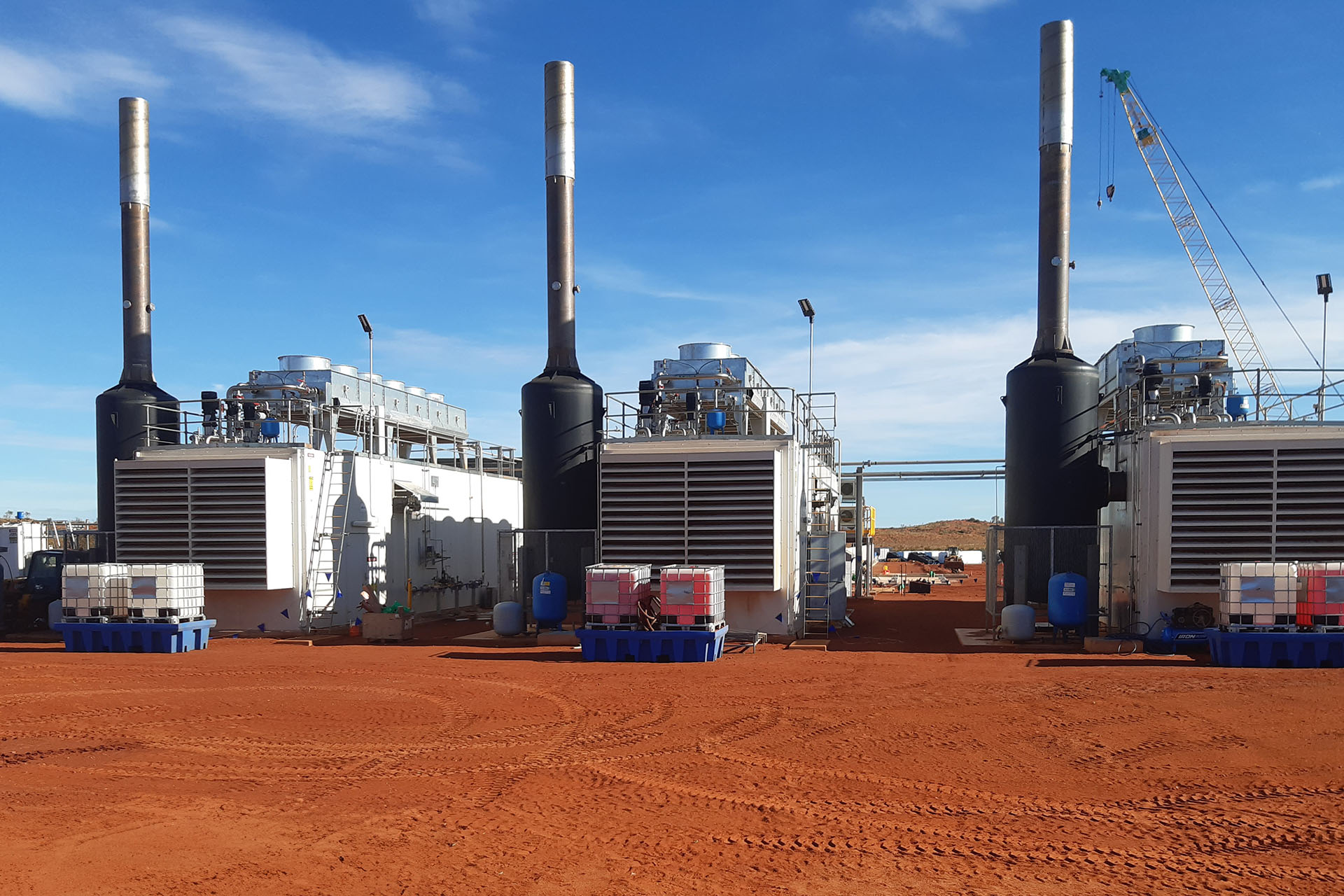
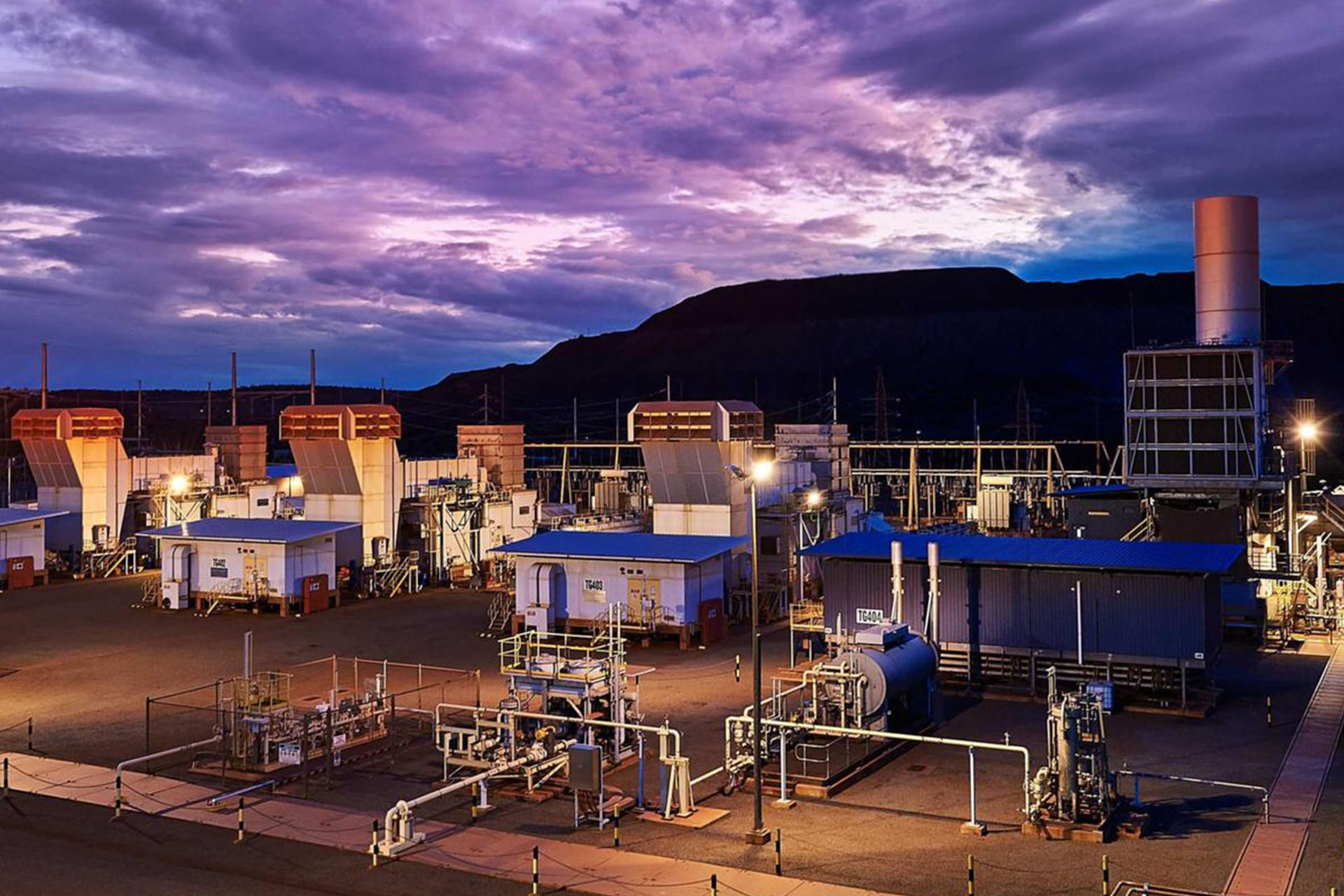
Energy Resilience in Mining
Power reliability is essential for mine safety and productivity. Interruptions can halt production, disrupt water management systems, and compromise ventilation. Gas engine-based power generation offers dependable onsite supply with fast response and high efficiency, ideal for both continuous and standby operation.
When integrated within a microgrid, these systems can balance multiple energy inputs — including renewables and battery storage — to ensure uninterrupted power in all conditions. The result is a robust, flexible power network capable of supporting 24/7 mining operations while reducing environmental impact and operational risk.
Discover More
Gas Engine Power Generation
Flexible Generation
Microgrids and Hybrid Energy Systems
Gas Engine Power Generation
Gas engine power plants provide reliable and efficient onsite electricity generation for mining operations. Designed for remote and high-demand environments, they can operate continuously or as dispatchable units to support grid stability and manage peak loads. Modular gas power stations offer quick installation and scalability, with electrical efficiencies up to 45% and total efficiencies exceeding 80% when heat recovery is utilised. Using natural gas, LNG, or associated gas, these systems deliver cost-effective, lower-emission energy for both processing and auxiliary loads.
Flexible Generation
Flexible generation allows mining sites to adapt power production to dynamic operating conditions and demand fluctuations. Gas engine plants can start and reach full output within minutes, making them ideal for supporting variable mining loads or hybrid operation with renewables. They can operate in base-load, peaking, or standby mode, ensuring power is always available when needed. This flexibility improves efficiency, reduces fuel consumption, and enables participation in energy markets where grid export or load management schemes exist.
Microgrids and Hybrid Energy Systems
Microgrid systems combine gas engine power with renewable generation and energy storage, creating a resilient and efficient power network. Advanced control systems manage the balance between generation sources, maintaining stability even during grid outages or rapid demand changes. For mining operations, microgrids reduce reliance on fossil fuels, optimise energy use, and enable isolated or semi-grid-connected operation. This hybrid configuration supports long-term sustainability goals while ensuring consistent power for critical equipment and processes.
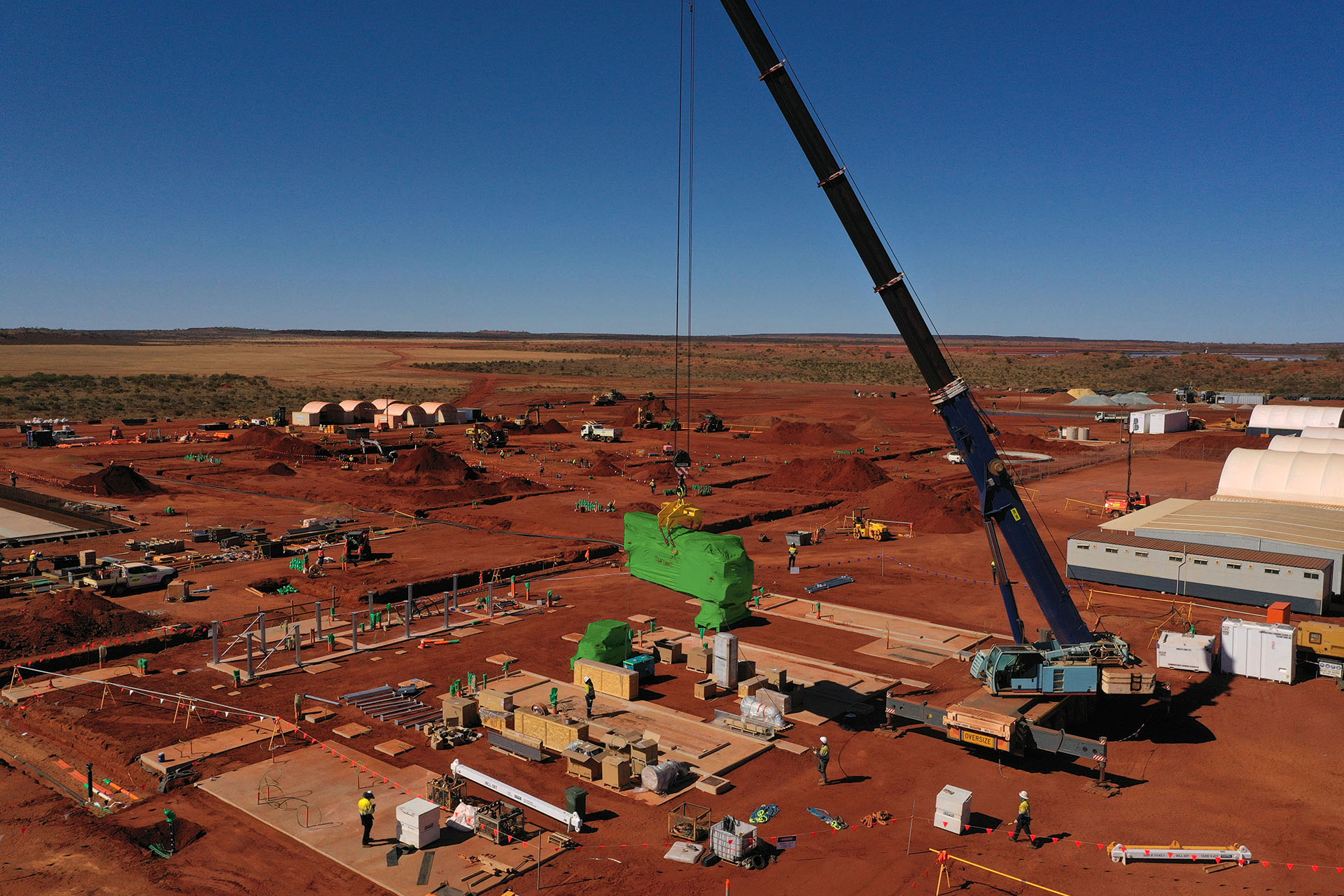
Why Clarke Energy for Mining Projects
Clarke Energy designs and delivers complete power solutions tailored to the demands of the mining sector. Our proven expertise in flexible gas generation and microgrid integration helps mining companies achieve reliable, low-carbon energy for remote and energy-intensive operations.
Our key advantages include:
• Turnkey project delivery – covering feasibility, design, construction, and lifetime service.
• Proven mining experience – power plants supporting mineral extraction, processing, and auxiliary services globally.
• Integrated hybrid solutions – combining gas, renewables, and storage under advanced microgrid control.
• Fuel flexibility – systems capable of running on pipeline gas, LNG, associated gas, or hydrogen-enriched fuels.
• Comprehensive service coverage – predictive maintenance, 24/7 monitoring, and responsive onsite support for maximum reliability.
Frequently Asked Questions about Mining Energy Systems
Technical and Engineering
What fuels can be used for gas engine power in mining?
Systems can operate on natural gas, LNG, associated gas, or hydrogen-enriched blends.
Can power systems be deployed in remote areas?
Yes. Modular containerised power plants can be installed rapidly and operated independently of grid connection.
How fast can flexible generation respond to load changes?
Gas engine systems can ramp from standby to full output within minutes, providing excellent operational agility.
Can CHP systems be applied in mining?
Yes. Waste heat from gas engines can be used for heating, drying, or process support in appropriate applications.
Financial and Commercial
How does flexible generation reduce costs?
By improving fuel efficiency and enabling partial-load operation, flexible plants lower fuel consumption and operating expenses.
Can mining operators sell power back to the grid?
In semi-grid-connected locations, surplus power can be exported or used to stabilise regional networks where permitted.
Are financing options available for mining power projects?
Yes. Clarke Energy supports flexible commercial models including build-own-operate and energy supply contracts.
What is the typical payback period for gas power projects?
Payback generally ranges from five to eight years depending on fuel cost, utilisation, and project scale.
Environmental and Sustainability
How do gas power systems reduce emissions compared with diesel?
They produce up to 25% less CO₂ and significantly lower NOₓ, SOₓ, and particulate matter.
Can microgrids help meet decarbonisation targets?
Yes. Integrating renewables and energy storage reduces overall carbon intensity and supports net-zero commitments.
Can systems operate on low-carbon fuels?
Yes. INNIO Jenbacher engines can run on hydrogen-enriched gas or other low-carbon fuels.
How does CHP or heat recovery benefit mines?
Recovered heat can be used for drying, accommodation heating, or process applications, improving total energy efficiency.
Operational and Implementation
Can systems operate independently from the grid?
Yes. Microgrid-enabled plants can run in island mode for full energy independence in remote locations.
How quickly can modular power plants be deployed?
Compact, containerised plants can be delivered and commissioned in a matter of months.
What maintenance support does Clarke Energy provide?
We offer comprehensive service agreements, remote monitoring, and on-site technical assistance.
What lifespan do gas engine plants have?
With proper maintenance, systems typically operate efficiently for 15–20 years.
Looking for a Reliable, Efficient, and Low-Carbon Energy Solution?
Our experts can provide the insight and support you need to evaluate options and achieve the right energy solution for your business.