


Methane Emissions Avoidance
Reducing potent greenhouse gas emissions by capturing methane from industrial and natural sources and converting it into useful energy.

Overview
Methane is a short-lived climate pollutant with more than 25 times the global warming potential of CO₂ over a 100-year period. Clarke Energy delivers solutions that capture methane from landfills, coal mines, anaerobic digesters, and flare gas in oil and gas operations — preventing harmful emissions and converting this energy source into reliable power and heat.
These systems transform environmental challenges into opportunities, supporting national and corporate climate strategies while creating value from previously wasted energy streams.
Sources of Methane Capture
• Landfill Gas – Capturing methane from decomposing organic waste in landfill sites to generate renewable power.
• Anaerobic Digesters – Recovering methane from wastewater and agricultural digesters for use in CHP plants.
• Coal Mine Gas – Harnessing methane emissions from mining operations to produce clean, dispatchable energy.
• Flare Gas – Converting flare gas from oil and gas extraction into electricity and heat, reducing air pollution and carbon intensity.
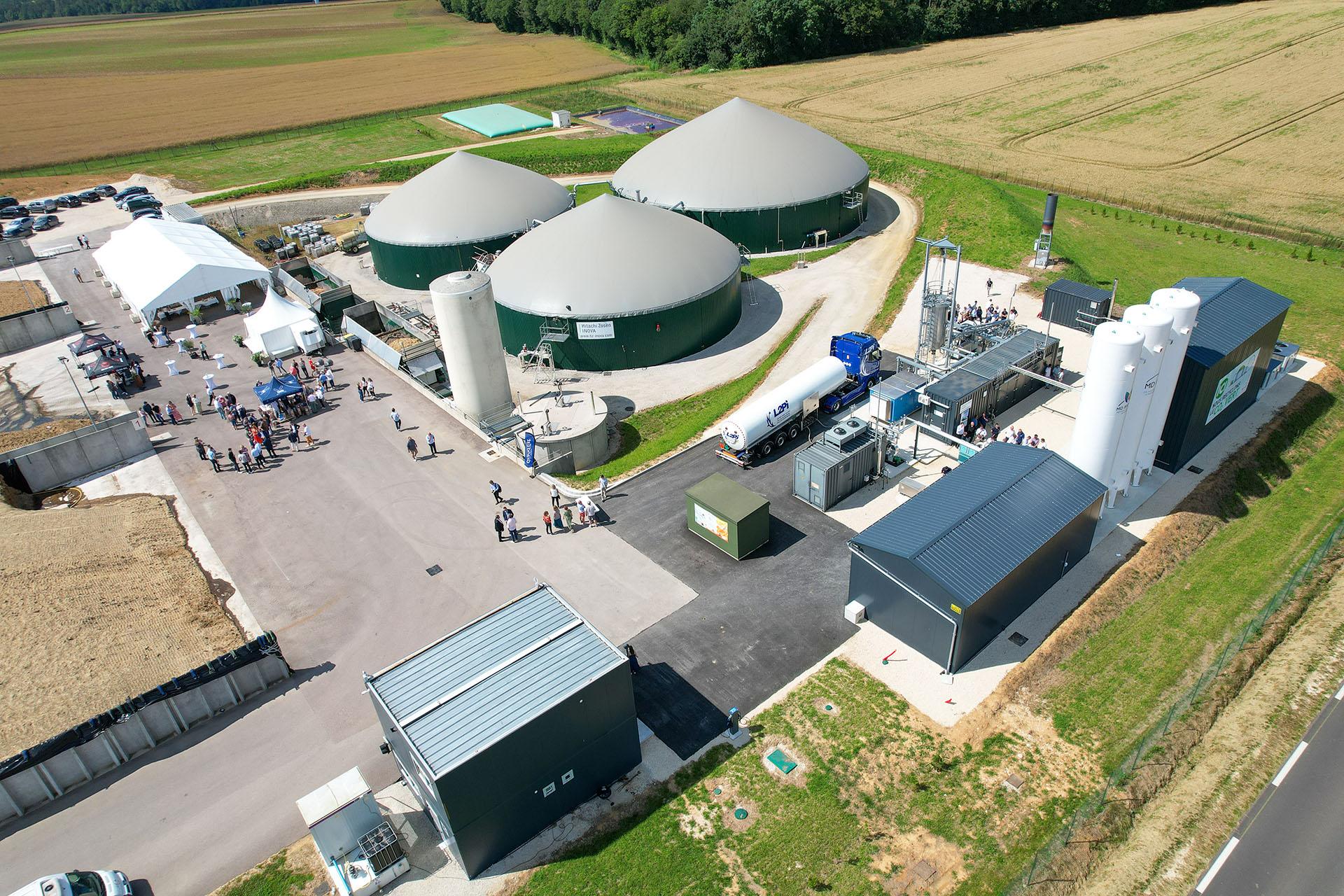
Discover More
Gas Engine Combined Heat and Power (CHP)
Gas Treatment and Conditioning Systems
Flare Gas Power Generation
Integration With Carbon Capture
Gas Engine Combined Heat and Power (CHP)
Converts captured methane into electricity and useful heat, delivering high efficiency and emissions reduction.
Gas Treatment and Conditioning Systems
Ensures safe, reliable operation of engines by removing moisture, siloxanes, and contaminants from recovered gas.
Flare Gas Power Generation
Deploys modular gas-to-power systems that utilise flare gas directly on-site, preventing routine flaring.
Integration With Carbon Capture
Couples methane utilisation projects with carbon capture to further cut lifecycle emissions and enhance sustainability.
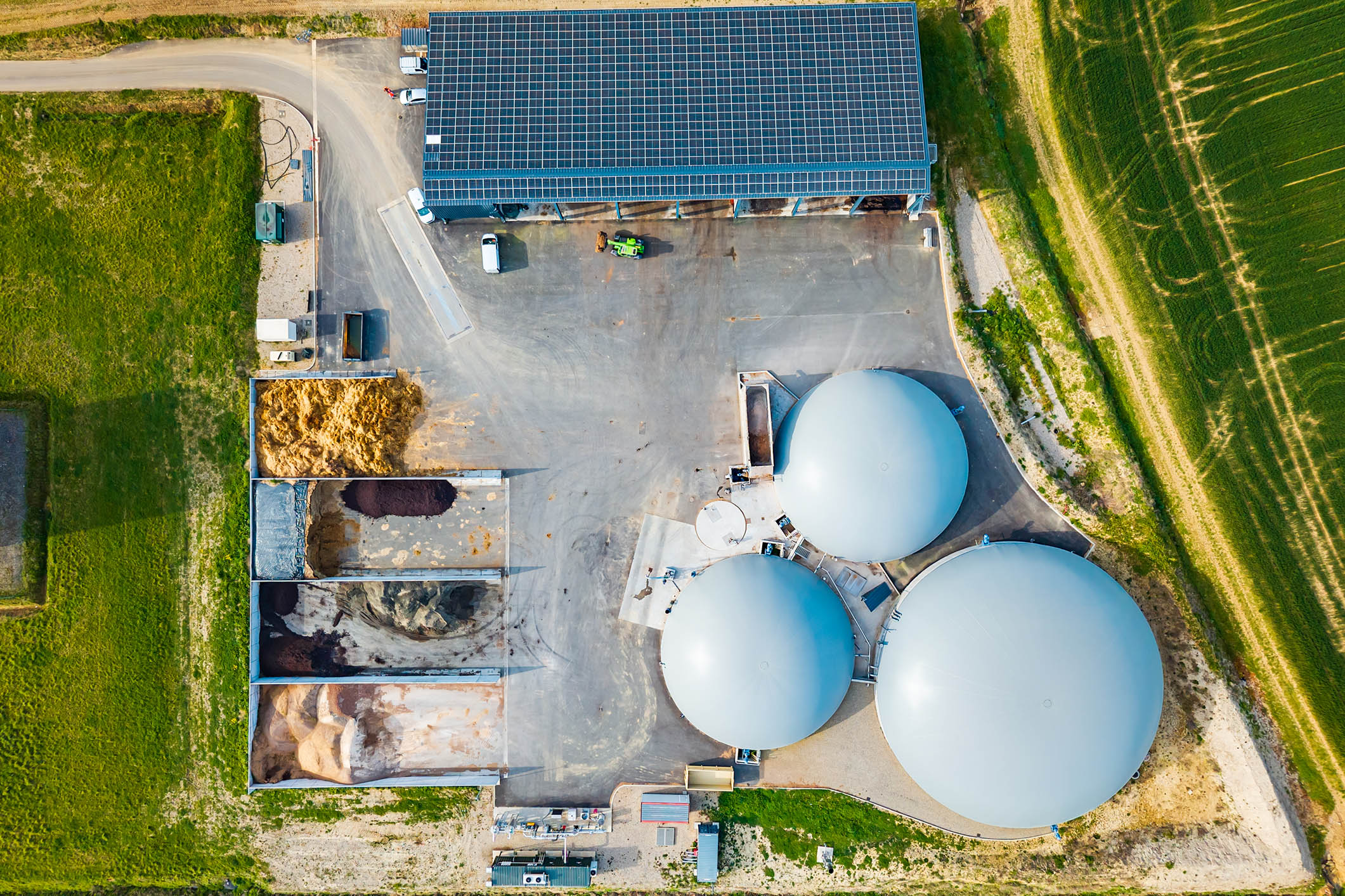
Sustainability Benefits
• Methane Emission Reduction: Avoids release of one of the most potent greenhouse gases.
• Renewable Power Generation: Converts waste gases into low-carbon electricity and heat.
• Improved Air Quality: Reduces flaring and associated pollutants.
• Circular Economy Contribution: Recovers value from by-products and waste gases.
• Energy Security: Provides decentralised power for industrial and remote applications.
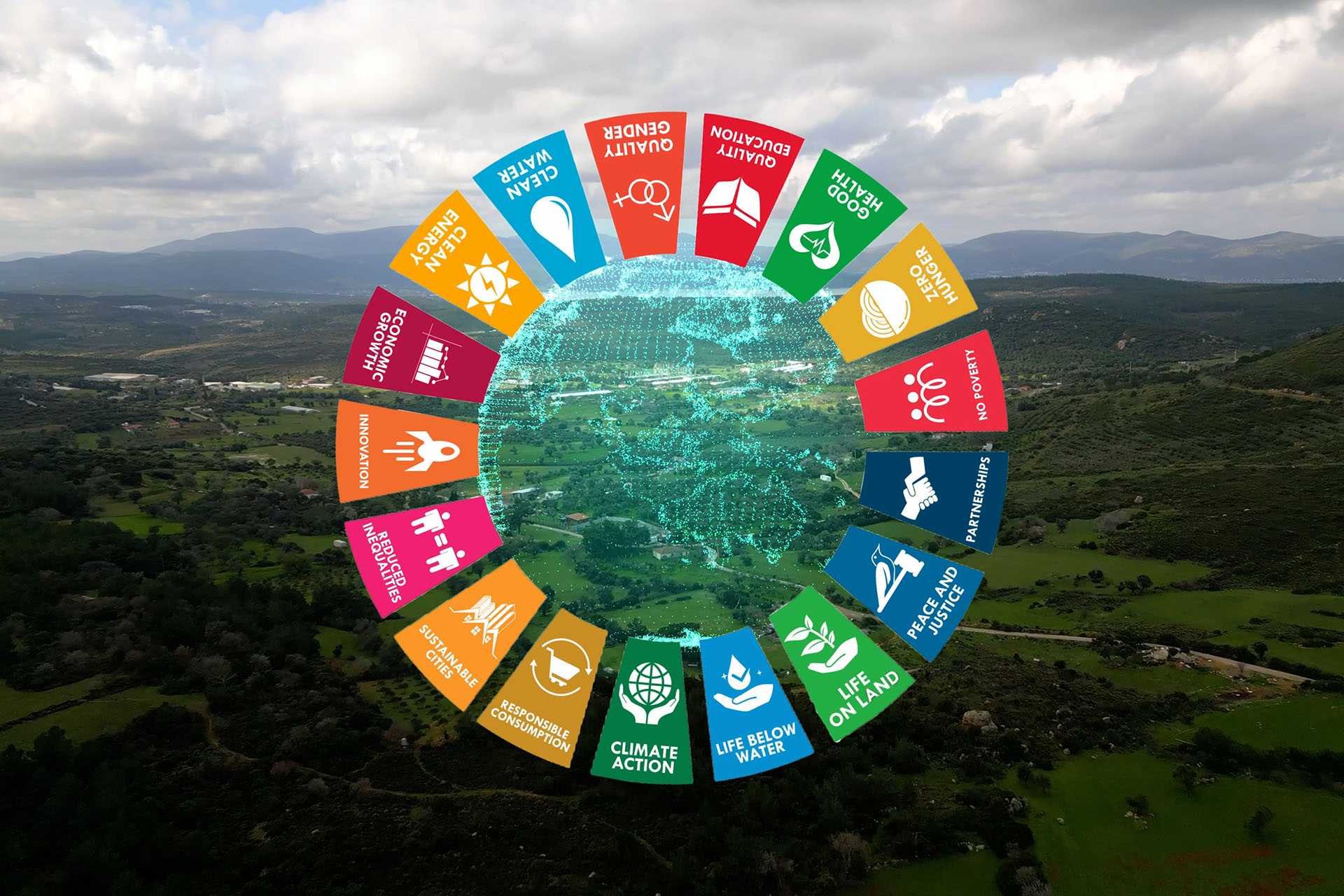
Contribution to the UN Sustainable Development Goals (SDGs)
Clarke Energy’s methane emissions avoidance projects contribute to:
• SDG 7 – Affordable and Clean Energy:
Delivering renewable power from captured gases.
• SDG 9 – Industry, Innovation and Infrastructure:
Deploying sustainable gas-to-power technologies.
• SDG 12 – Responsible Consumption and Production:
Turning waste gases into useful energy.
• SDG 13 – Climate Action:
Reducing potent methane emissions and advancing decarbonisation targets.
Frequently Asked Questions about Methane Emissions Avoidance
What is methane emissions avoidance?
It refers to capturing and using methane from industrial, waste, or natural sources instead of allowing it to escape into the atmosphere.
Why is methane capture important?
Methane has over 25 times the global warming potential of CO₂. Capturing it helps reduce short-term climate impacts while producing useful energy.
Where does Clarke Energy capture methane from?
Our systems capture methane from landfills, coal mines, anaerobic digesters, and flare gas in oil and gas operations.
How is captured methane used?
It is converted into electricity and heat through combined heat and power (CHP) plants, reducing reliance on fossil fuels.
How does this support net zero goals?
By turning waste gas into renewable energy, we help reduce greenhouse gas emissions and contribute to long-term climate targets.
Power Your Sustainability Journey Through Methane Emissions Avoidance
Our experts can show you how methane capture and utilisation contribute to emission reduction and ESG leadership.