

Gas Peaking Stations
Fast-start, flexible gas engine solutions, supplying electricity to the grid at short notice, supporting renewable energy deployment, grid balancing and energy system resilience.
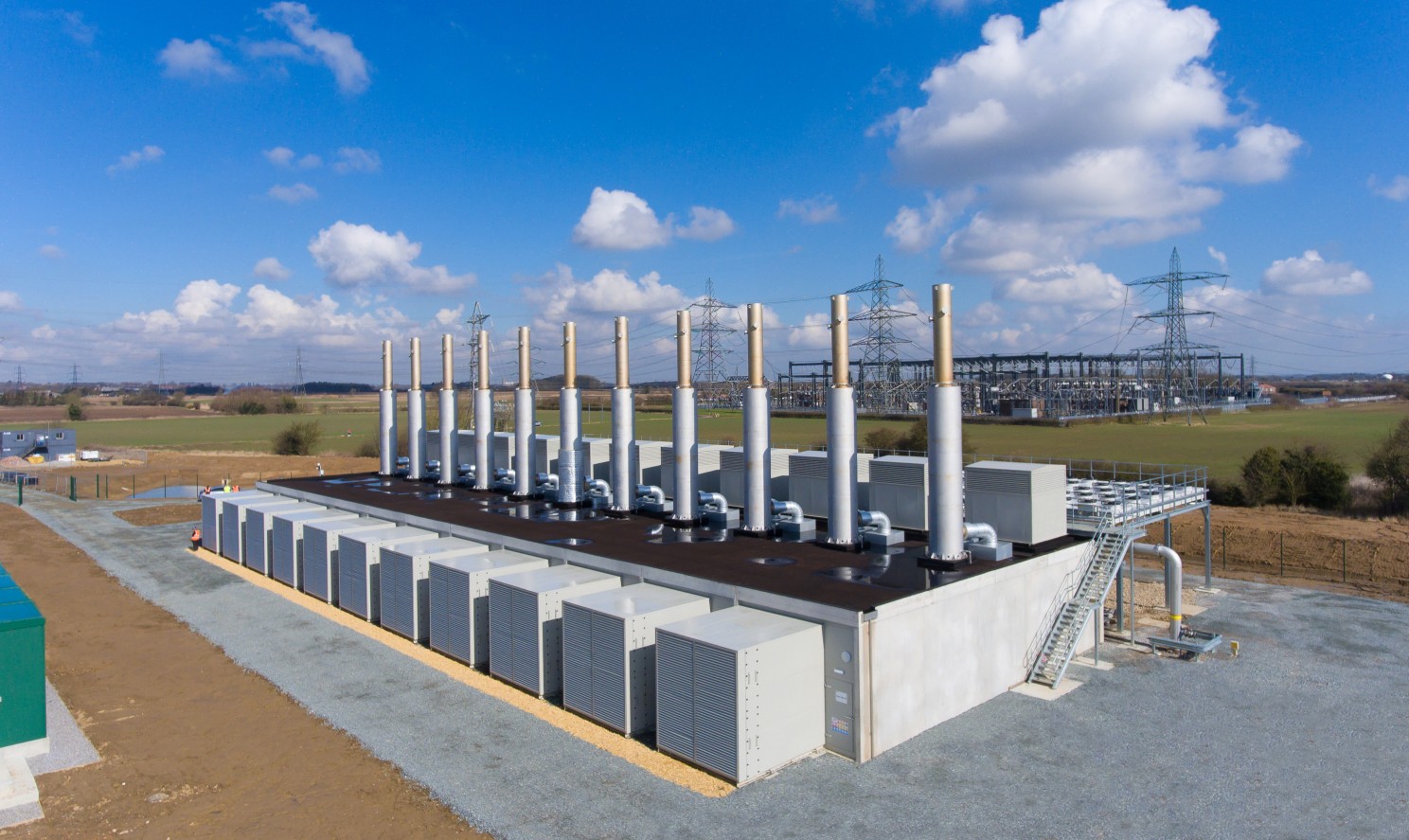
What is a Gas Peaking Station?
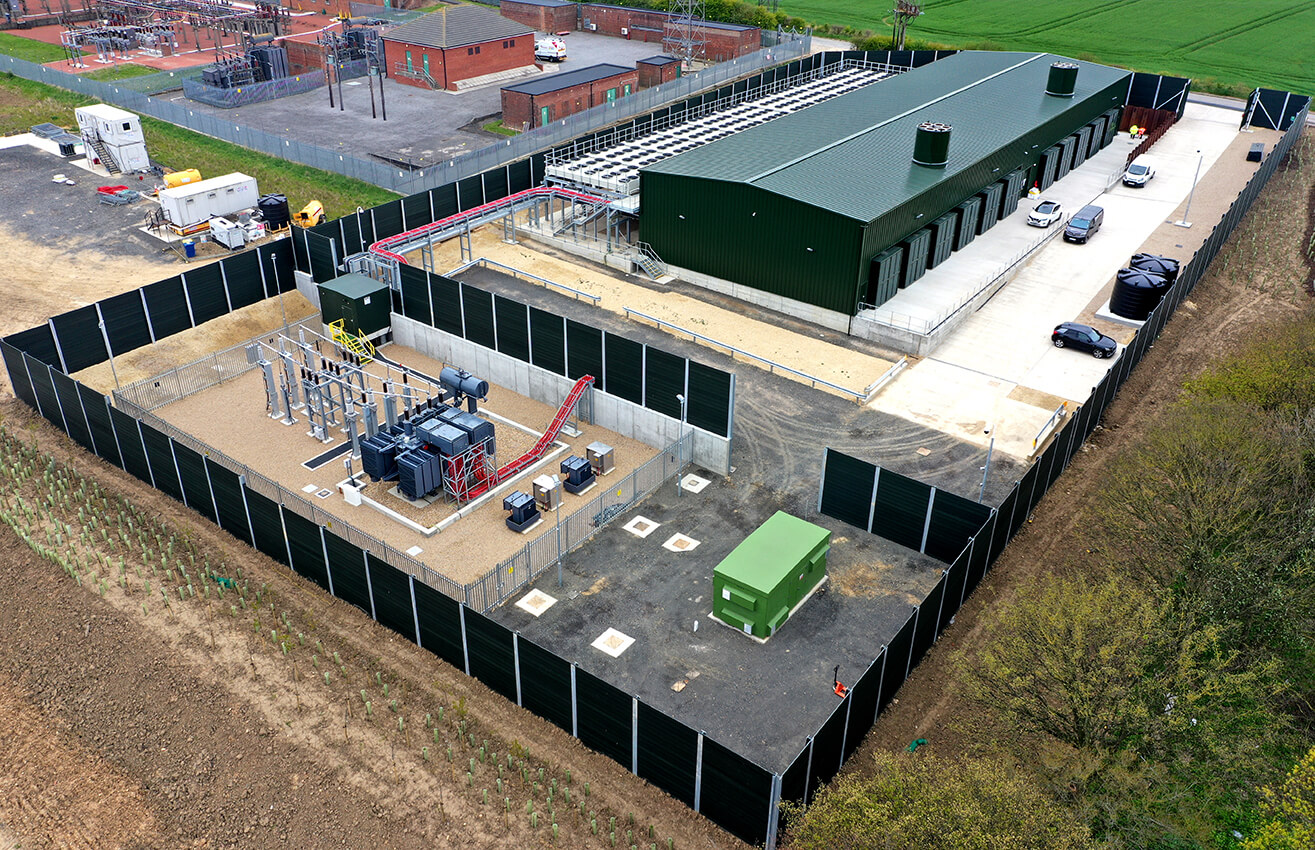
Gas peaking stations—also known as “peak lopping” or “balancing plants”—are flexible power plants that rapidly supply electricity to the grid during periods of peak demand or supply shortfall. Unlike baseload stations, they operate intermittently, responding quickly to grid fluctuations and market signals. As wind and solar penetration increases, these dispatchable plants are essential for maintaining grid stability, filling gaps when intermittent renewable output is low and ensuring reliable power delivery. Gas peaking stations can support both the provision of electricity to the grid and as a source of inertia and frequency support.
Sustainability Benefits of Gas Peaking Stations

Renewable Enablement
Peaking stations help stabilise the grid, enabling greater deployment of intermittent renewables like wind and solar.

Energy Resilience
They provide critical backup during energy shortfalls, supporting national and grid-level energy security.

Decarbonised fuel options
When fuelled by biomethane or hydrogen blends, peaking stations reduced or negate fossil carbon in electricity generation.
Why Clarke Energy for Gas Peaking Plants?
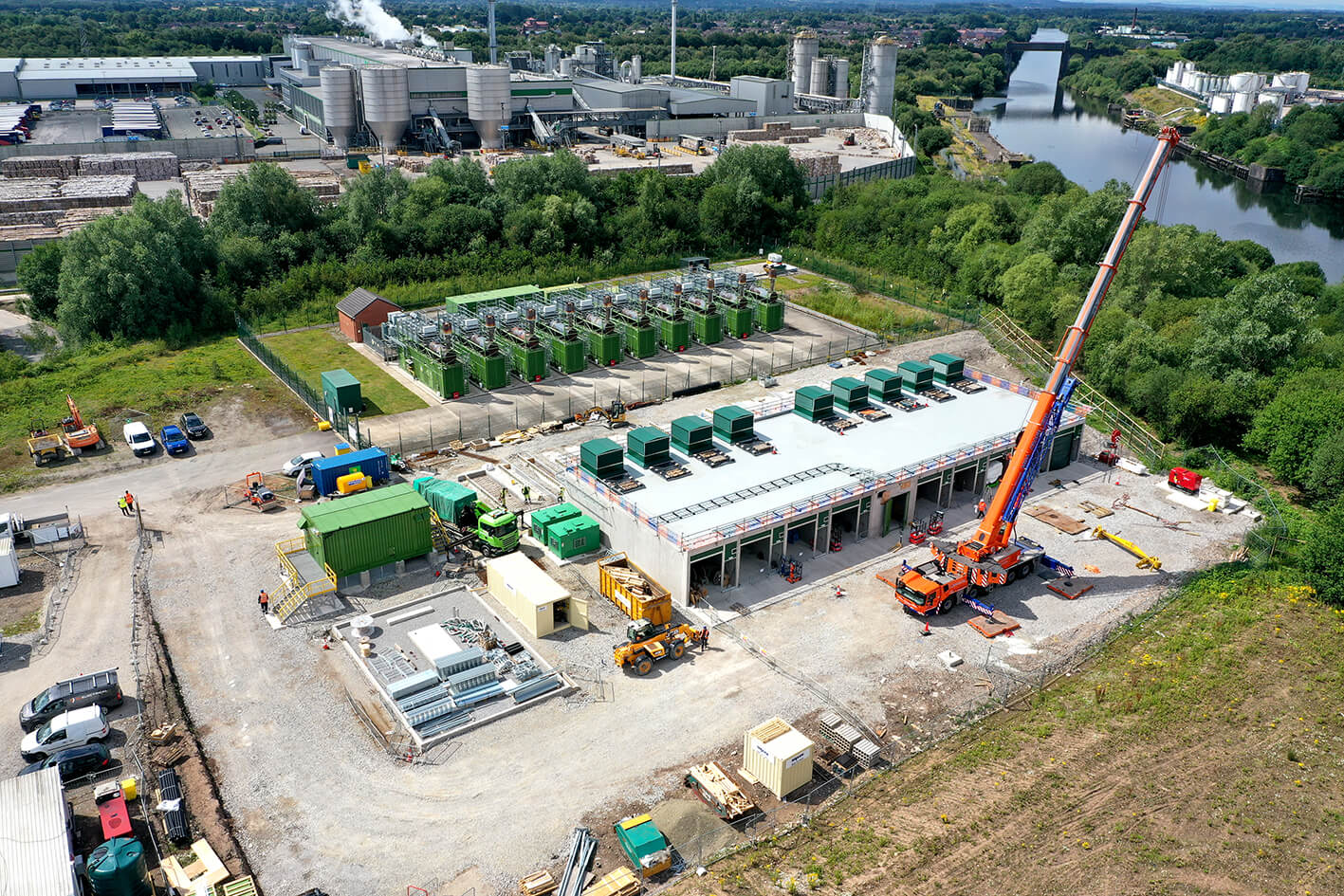
Clarke Energy designs and delivers gas peaking power plants powered by reciprocating gas engines, offering fast-start, dispatchable generation that supports grid frequency and reserve services. Peaking stations are modular, scalable, and can be deployed quickly to enhance national energy resilience.
- Proven Project Delivery: Clarke Energy has a strong track record of designing, installing, and commissioning gas engine-based peaking stations globally.
- Fuel Flexibility: Our systems are compatible with natural gas, biomethane, biogas and hydrogen blends, supporting decarbonisation pathways.
- Turnkey EPC Delivery: Full engineering, procurement, and construction management to streamline deployment.
- Remote Monitoring Integration: Real-time system tracking and diagnostics to maximise uptime and responsiveness.
Discover More
Fast Start and High Efficiency
Modular and Scalable Design
Low Emissions and Fuel Versatility
Hybrid and Integrated Solutions
Fast Start and High Efficiency
INNIO Jenbacher gas engines can start and ramp to full load in under five minutes, making them ideal for frequency containment and dynamic containment applications. Their fast response capability supports real-time balancing of supply and demand in the power grid.
Modular and Scalable Design
Peaking stations are designed with modular engine configurations, allowing flexible scaling from a few megawatts to multi-megawatt installations. This makes them suitable for regional grid support or localised backup power.
Low Emissions and Fuel Versatility
• Operates on natural gas, biomethane, or hydrogen blends
• Meets strict emissions regulations
• Offers a decarbonisation pathway without compromising performance
Hybrid and Integrated Solutions
Gas peaking stations can be integrated into hybrid energy systems alongside battery energy storage (BESS), solar PV, and smart controls. This enhances flexibility, supports participation in multiple energy markets, and futureproofs your energy strategy.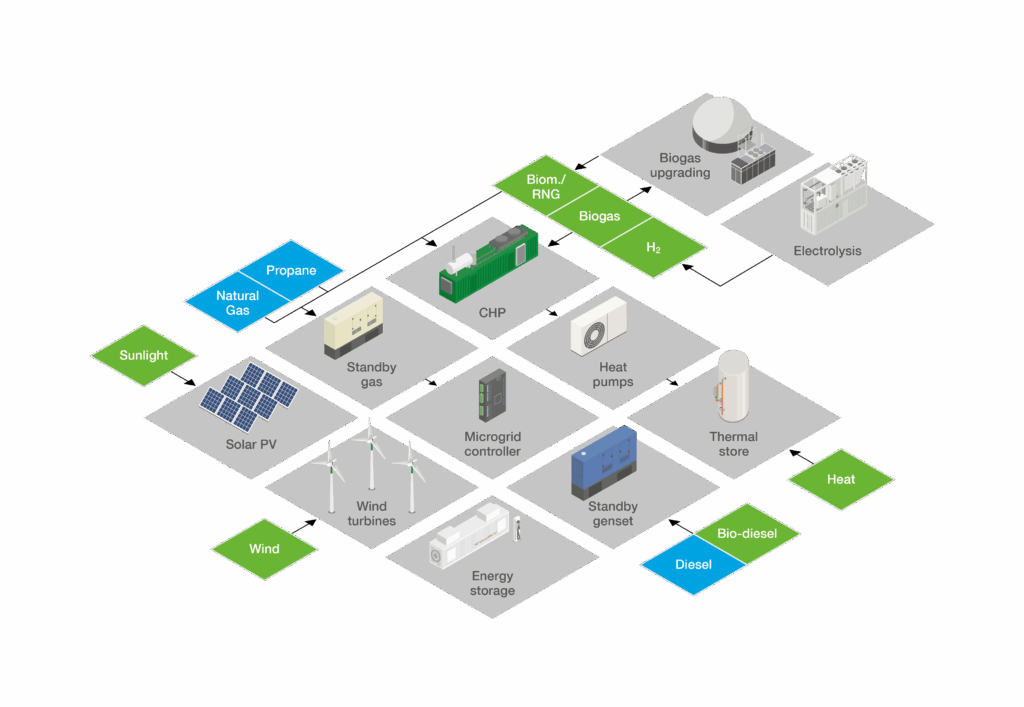
Data Centre Power Plants as Gas Peaking Stations
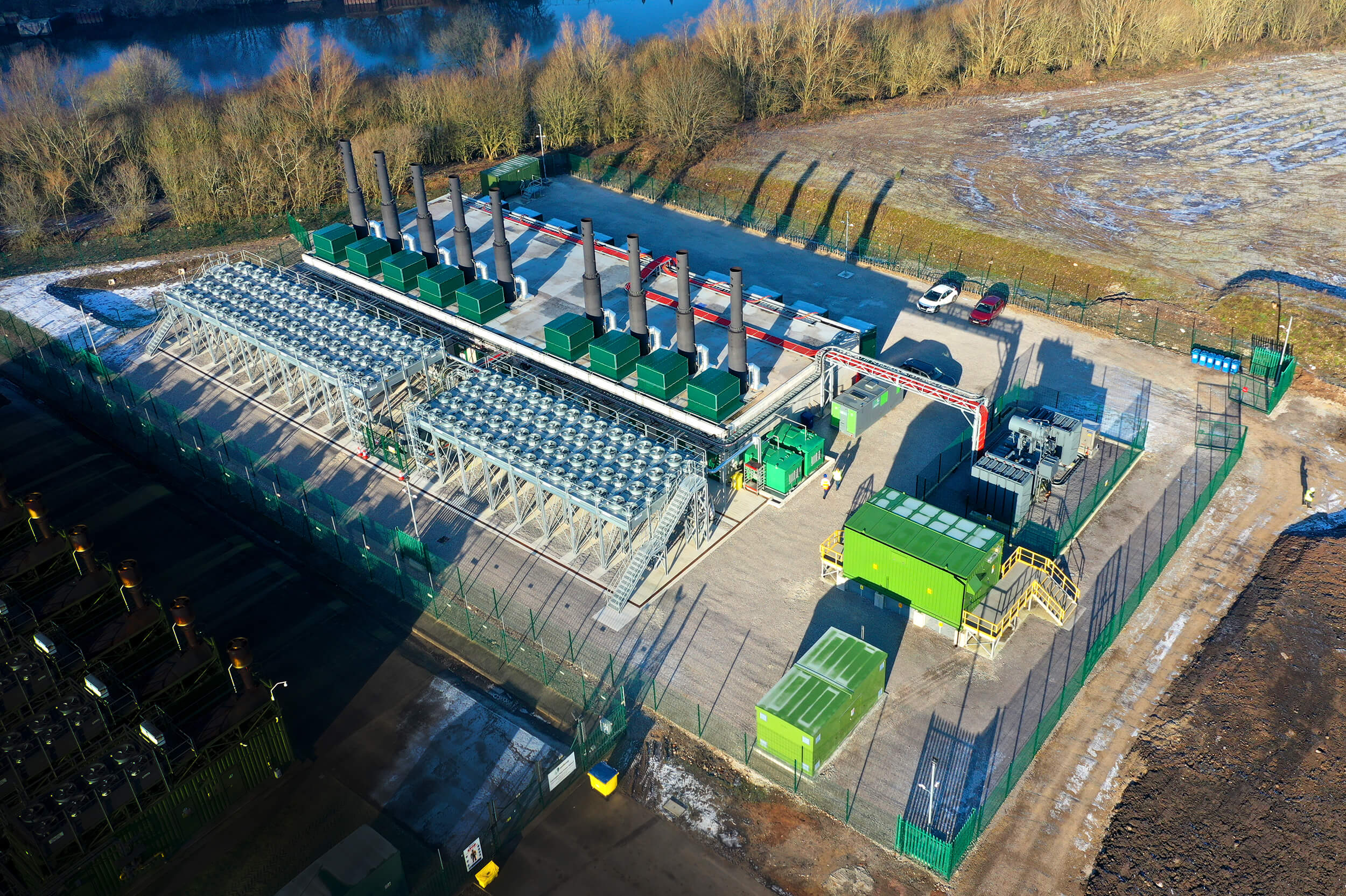
Spare power generation capacity at gas engine-fueled power plants deployed at data centers can be strategically leveraged to support the electrical grid in a manner similar to traditional gas peaking stations. These engines, typically installed for backup or load management purposes, can be dispatched during periods of high grid demand or supply shortfalls, providing fast-response, decentralized generation. By integrating with grid management systems, they can help stabilize frequency, reduce reliance on less efficient peaking plants, and enhance overall grid resilience. This approach not only maximizes the utility of existing infrastructure but also aligns with energy transition goals by enabling flexible, distributed energy resources to play a more active role in grid balancing.
What is a Capacity Market?
A capacity market is a mechanism used by electricity grid operators to ensure there is enough generation capacity available to meet future peak demand. In the context of gas peaking stations, which are power plants designed to operate during periods of high electricity demand, the capacity market provides financial incentives for these stations to remain available—even if they are not frequently used.
What Solutions do Clarke Energy offer for Capacity Market applications?
Clarke Energy offers a range of gas engine configurations suitable for capacity market participation, including:
• <50MW thermal input plants to remain exempt from the Medium Combustion Plant Directive
• <10MWe 11kV connected installations for smaller sites • Large-scale >50MW thermal plants for national or industrial grid support
These modular and tailored solutions allow you to meet market requirements while optimising plant footprint, emissions compliance, and financial return.
Frequently Asked Questions about Peaking Stations
Technical and Engineering
What is a gas peaking station and how does it function in the energy grid?
A gas peaking station is a flexible power generation facility designed to supply electricity to the grid during periods of high demand or when intermittent renewable sources like wind and solar underperform. It uses fast-start gas engines to ensure quick grid response and system stability.
How quickly can Clarke Energy’s gas peaking stations respond to demand?
Clarke Energy’s INNIO Jenbacher engines can ramp from standby to full load in under five minutes, making them ideal for grid frequency response, reserve services, and dispatch during demand spikes or system imbalance.
Can gas peaking stations use renewable or low-carbon fuels?
Yes. Clarke Energy’s engines can operate on natural gas, biomethane, or blends with hydrogen, allowing for a lower carbon footprint and future alignment with decarbonisation targets.
What is meant by modular configuration in gas peaking plants?
Modular configuration involves installing multiple gas engines in a scalable arrangement. This allows flexibility in output, redundancy for maintenance, phased capacity growth, and more resilient operations tailored to site requirements.
Financial and Commercial
How do gas peaking stations generate revenue for operators?
Revenue is earned through energy trading during high-price periods, participation in grid balancing mechanisms such as Short-Term Operating Reserve (STOR), and entry into the Capacity Market where availability is rewarded.
Are Clarke Energy’s gas peaking stations eligible for UK Capacity Market auctions?
Yes, Clarke Energy designs its gas peaking stations to meet technical and regulatory requirements for Capacity Market participation, including rapid response times and grid compliance.
Can Clarke Energy provide stations below 50MW to align with MCPD thresholds?
Yes. Clarke Energy offers plant designs that remain under 50MW thermal input per site, which can simplify permitting and avoid the full scope of the EU Medium Combustion Plant Directive (MCPD), where applicable.
Environmental and Sustainability
How do gas peaking stations support renewable energy integration?
Peaking stations provide dispatchable backup power when wind or solar output drops. This stabilises the grid and enables higher overall penetration of variable renewable sources by mitigating intermittency.
Are Clarke Energy’s engines compatible with hydrogen fuel blends?
Yes. Clarke Energy’s gas engine platforms are capable of operating on hydrogen blends, and specific configurations can be tailored for increased hydrogen content as part of a long-term decarbonisation strategy.
Do gas peaking stations contribute to lower emissions?
Compared to diesel or coal-fired peaking plants, Clarke Energy’s modern gas engines produce significantly lower CO₂, NOₓ, and particulate emissions—especially when using biomethane or hydrogen-enhanced fuels.
Operational and Implementation
What is the typical project timeline for delivering a gas peaking station?
From initial planning to commissioning, projects typically take between 6 to 12 months depending on permitting, equipment lead times, site infrastructure, and grid connection availability.
What ongoing services are available for peaking stations post-commissioning?
Clarke Energy offers full lifecycle support including remote monitoring, preventative and corrective maintenance, spare parts supply, and long-term O&M agreements to maximise uptime and performance.
Can gas peaking stations operate without on-site personnel?
Yes. Stations can be equipped with advanced automation, control systems, and remote access capabilities, allowing for unmanned or lightly staffed operation with remote diagnostics and dispatch.
What is the UK’s Capacity Market?
The UK’s Capacity Market was introduced in 2014 to ensure reliable electricity supply in the UK. It addresses the need for dispatchable power as older coal and nuclear plants retire and more intermittent renewables connect to the grid. This included annual, technology-neutral auctions secure generation capacity four years ahead, supports grid balancing with rapid deployment of approved capacity, encourages investment in flexible, lower-carbon generation
What is Short Term Operating Reserve (STOR)?
The Short Term Operating Reserve (STOR) is a UK-based service providing additional electricity capacity from generation or demand reduction. It is used when actual demand exceeds forecasted demand or when generation capacity is temporarily unavailable.
Ready to take the next step with installing a Peaking Plant?
Our experts can provide the insight and support you need to evaluate options and achieve the right energy solution for your business.