

Hydrogen
Flexible, scalable hydrogen energy systems including hydrogen production with electrolysers and hydrogen use as a fuel in gas engines, supporting the transition to net zero.
Comprehensive Hydrogen Capabilities
Clarke Energy delivers integrated hydrogen solutions across the full value chain, from production to end use. Our scope includes electrolyser systems for green hydrogen generation, hydrogen compression and storage solutions, refuelling infrastructure, and power generation technologies including hydrogen-ready gas engines and fuel cells.
We support projects at every stage through early works and design packages, full engineering, procurement and construction (EPC) delivery, and long-term maintenance and lifecycle support. This end-to-end capability ensures hydrogen systems are safe, compliant, reliable and commercially optimised, helping organisations transition towards lower-carbon energy solutions with confidence.

Hydrogen in a Low-Carbon Energy System
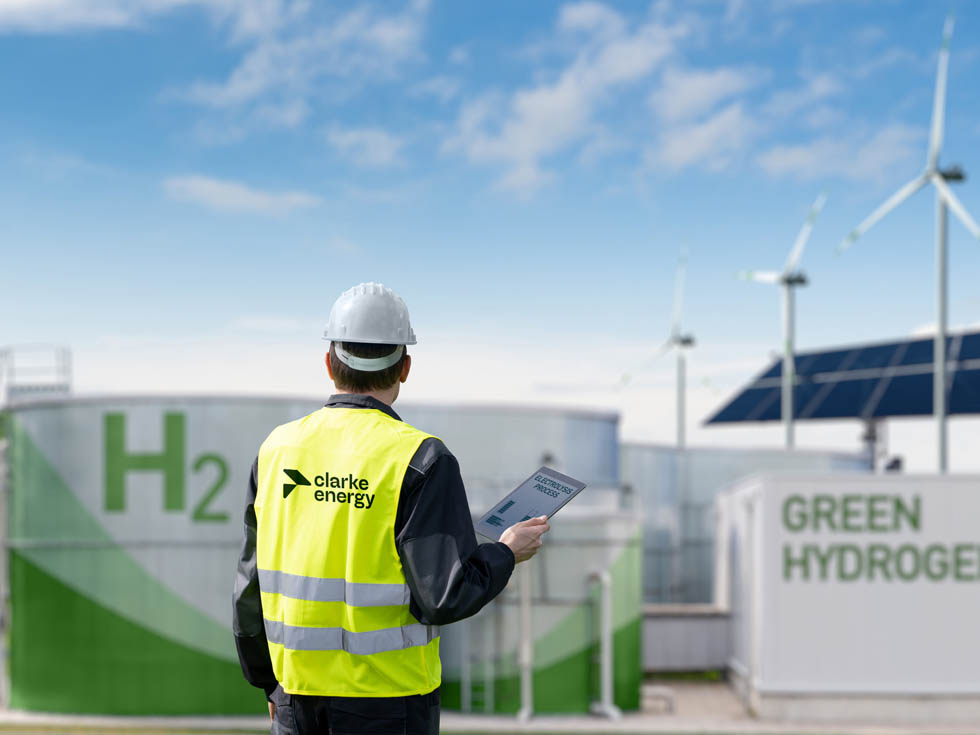
“Low carbon” Hydrogen (produced from renewables, fossil with carbon capture, or other clean technologies) is a clean, flexible energy carrier that supports deep decarbonisation across power, heat, industry and transport. As a fuel, hydrogen produces no direct emissions at the point of use and can be derived from a range of low- and zero-carbon sources.
Hydrogen can be produced in a range of ways, including from renewable energy, from industrial processes or from methane.
It can be used in internal combustion engines, fuel cells or hybrid systems and is well suited to sectors that are difficult to electrify. Hydrogen also enables long-duration storage, balancing variable renewable generation, and can be transported and stored using existing gas infrastructure with appropriate upgrades.
Hydrogen plays a key role in achieving net-zero targets by reducing emissions in energy-intensive applications and providing a pathway to clean dispatchable power.
Benefits of Hydrogen as a Fuel
Versatile zero-carbon fuel for electricity, heat, transport and storage, supporting a wide range of applications across power generation, industry and energy systems.
Enables deep decarbonisation of sectors that are hard to electrify, providing a practical pathway to reduce emissions where direct electrification is not feasible.
Supports renewable integration and energy system flexibility, by storing surplus renewable power as hydrogen and enabling dispatchable, low-carbon energy when needed.
Sustainability Features of Hydrogen

Renewable Gas
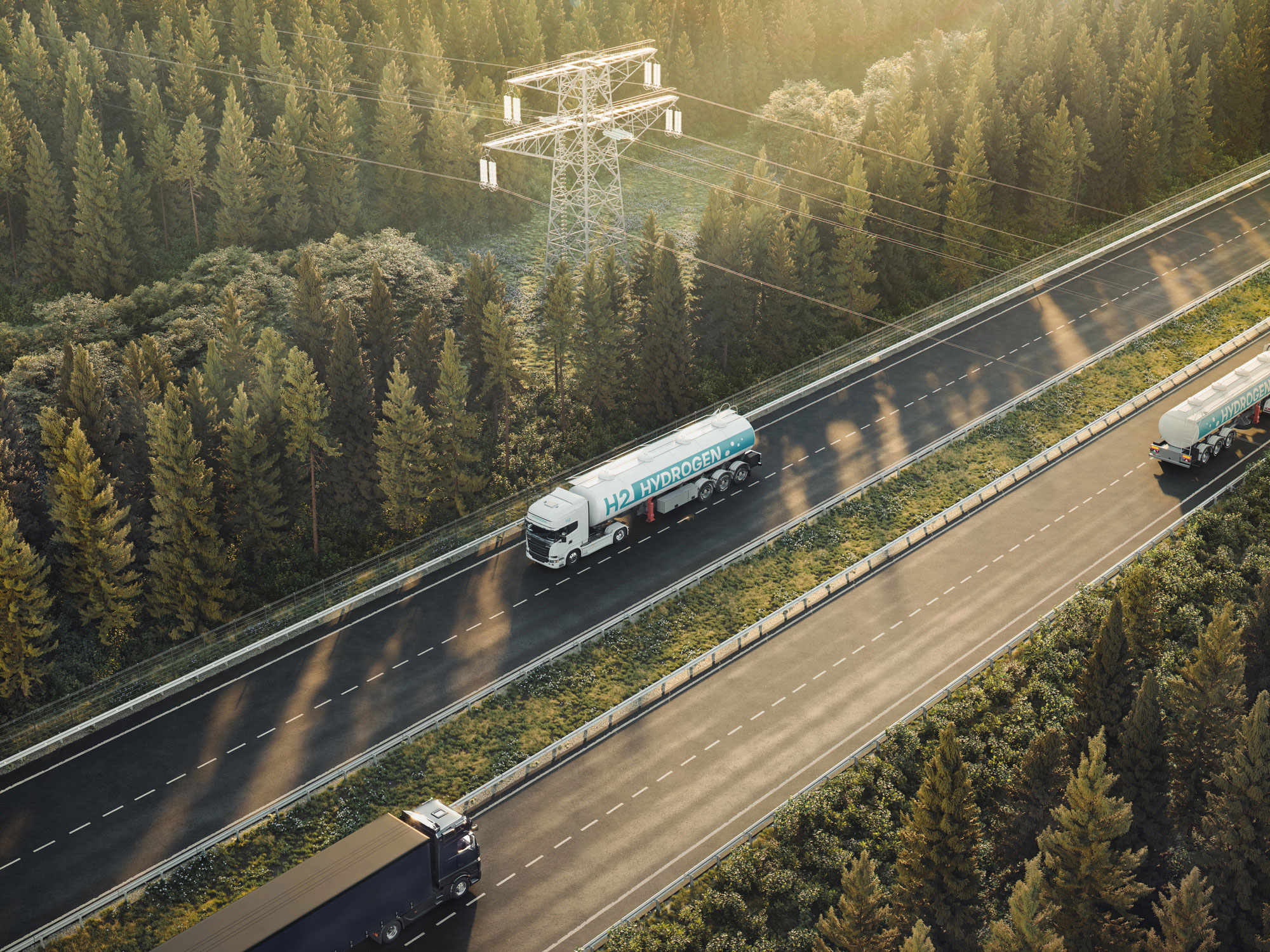
Hydrogen produced via electrolysis supports the transition to green, zero-carbon fuels.

Renewable Enablement
Hydrogen enables storage of excess solar and wind energy for use when needed.
Carbon Utilisation
Low-carbon hydrogen produced from natural gas with CCS reduces industrial emissions.
Why Clarke Energy for Hydrogen Energy Solutions?
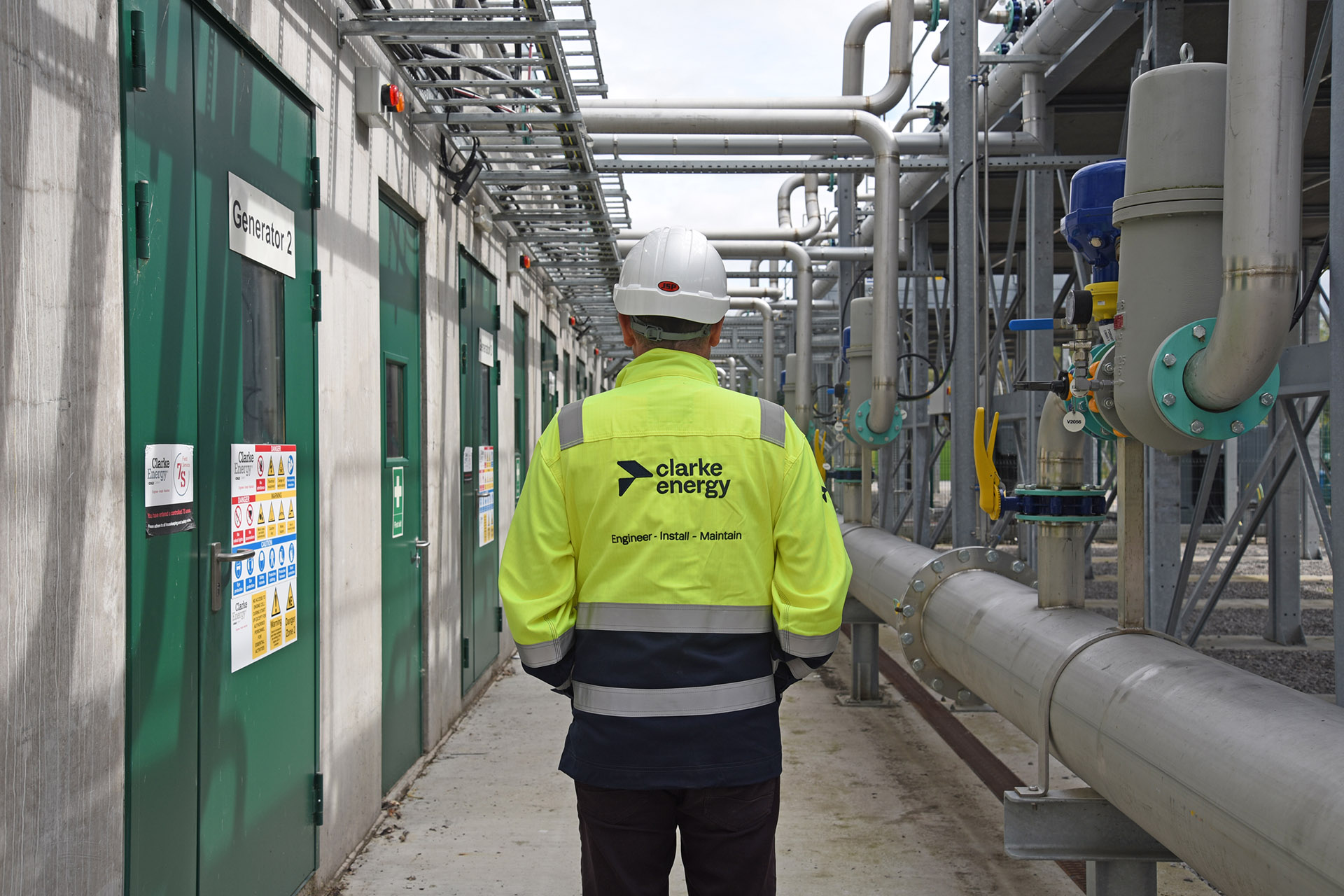
Clarke Energy is at the forefront of hydrogen energy system deployment, offering a unique combination of proven technology, engineering expertise, and global delivery capability. With deep experience across the hydrogen value chain, we help industrial, commercial, and utility customers turn ambitious decarbonisation goals into practical, scalable solutions. From production to storage to end-use, our integrated approach reduces risk, simplifies implementation, and maximises long-term value.
Hydrogen Based Power Generation
- Largest distributor of INNIO Jenbacher hydrogen-ready gas engines globally.
- Internal combustion engines capable of running on 100% H2 or mixed with various gases (NG, biogas, syngas)
- Turnkey EPC delivery of power generation or hydrogen production systems, including feasibility, system design, installation, and long-term maintenance support.
- Expertise across the full hydrogen value chain—from electrolysis to storage and end-use.
- Integrated, scalable systems that reduce project complexity and accelerate decarbonisation.
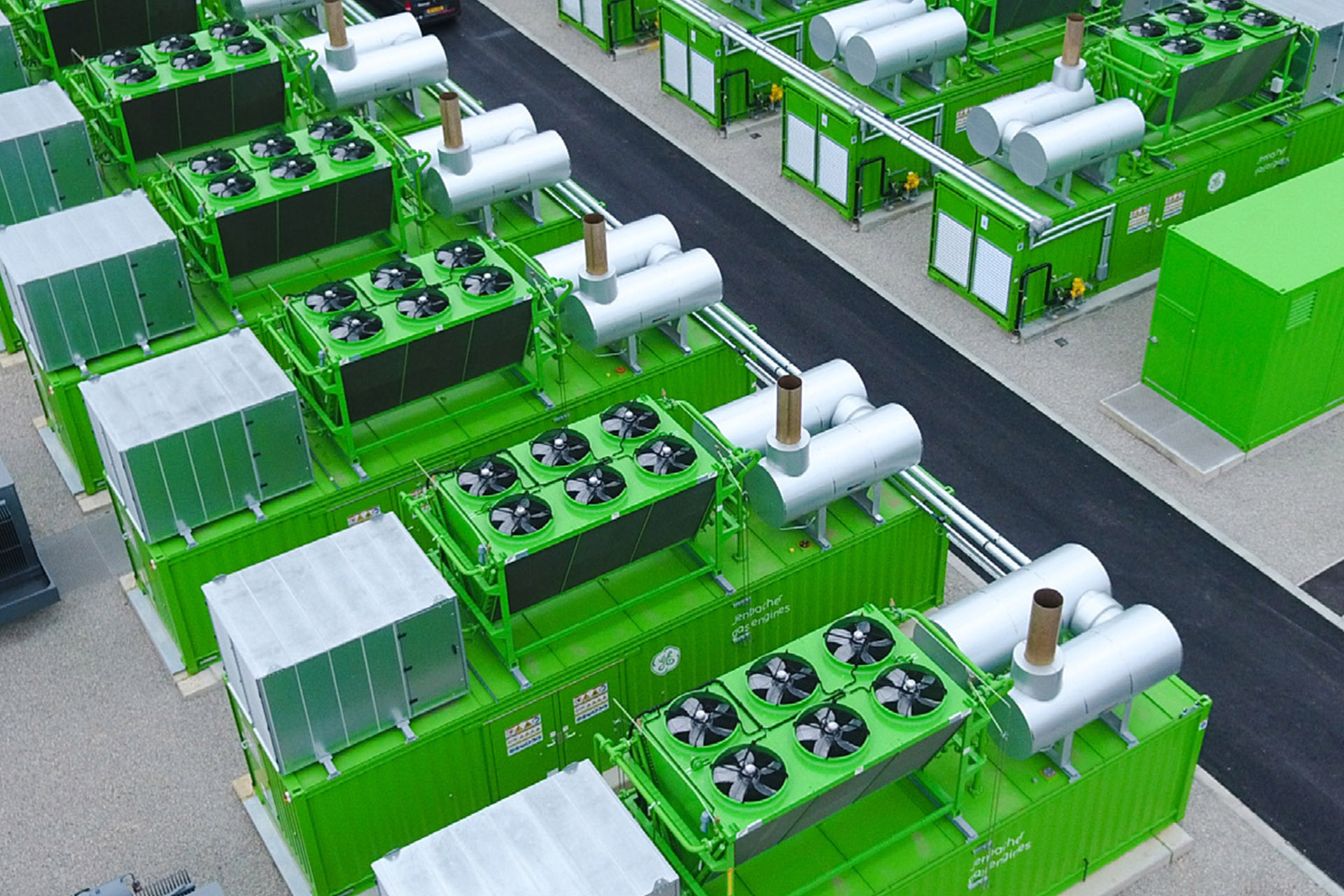
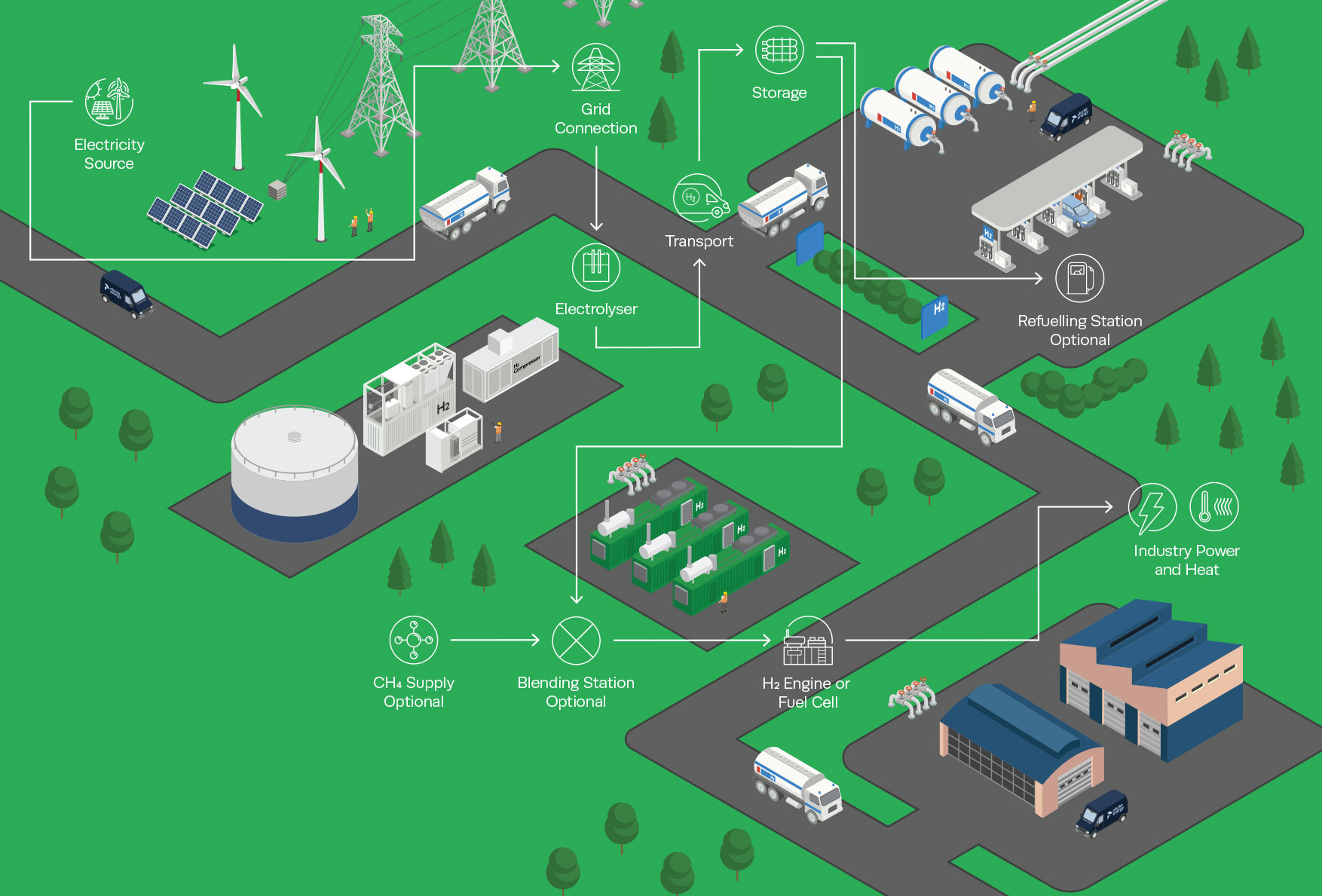
Complete Solutions with Electrolysers, Storage & Blending
Hydrogen Production with CCS
Hydrogen End-Use in Gas Engines
Electrolysers, Storage & Blending
Microgrids & Hybrid Integration
Fuel Cell Integration
Hydrogen Production with CCS
Hydrogen can be produced from natural gas through steam methane reforming paired with carbon capture and storage (CCS). This approach enables low-carbon hydrogen production using existing gas resources, while significantly reducing emissions.
Hydrogen End-Use in Gas Engines
Hydrogen-ready INNIO Jenbacher engines can operate on blends 0-100% hydrogen with a balance of methane or other gases including carbon monoxide and carbon dioxide. These engines provide dispatchable power and thermal output while lowering emissions in industrial, commercial and utility applications.
Electrolysers, Storage & Blending
Clarke Energy offers integrated systems incorporating electrolysis, hydrogen storage and blending. These components provide site-level flexibility and allow operators to respond to energy demand and regulatory requirements.
Microgrids & Hybrid Integration
Hydrogen can be combined with renewables, battery storage, and thermal systems within a microgrid. These hybrid platforms support island mode operation and improve energy resilience and optimisation.
Fuel Cell Integration
Fuel cells convert hydrogen into electricity without combustion. Clarke Energy offers solutions that incorporate fuel cells for quiet, efficient, and zero-emissions energy generation.
Typical Hydrogen Applications

Data Centres

Manufacturing

Transport & Refuelling

Peaking Plants

Cogeneneration

Storage

Microgrids

Utilities
Comprehensive Project Development Support
Project Engineering
Electrical and mechanical engineering along with a dedicated team of computer aided design staff.
Project Management
Comprehensive project management service for the installation of your generation projects.
Project Feasibility
Feasibility studies offered for a range of services to assess the viability of your energy projects.
Engineering, Procurement and Construction
Comprehensive EPC services complimenting the supply and maintenance power generation equipment.
Latest Hydrogen News
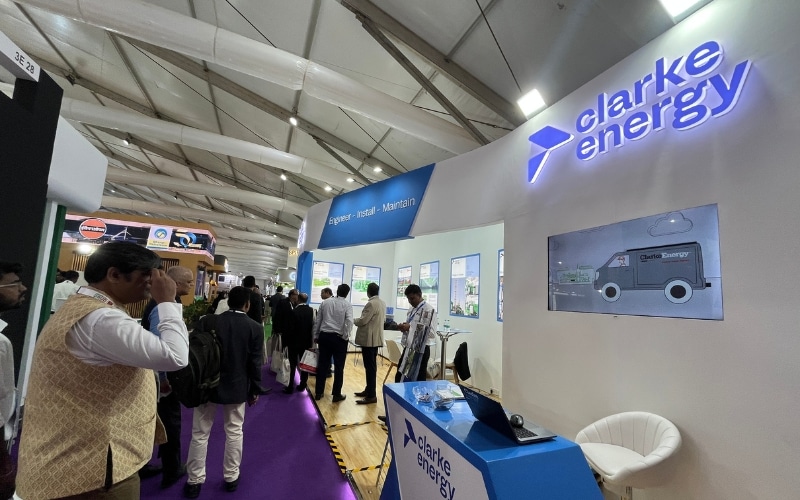
Clarke Energy India Showcases Clean Energy Solutions at India Energy Week 2026
Clarke Energy India exhibited advanced clean‑energy solutions at India Energy Week 2026 in Goa. The team highlighted biogas upgrading, hydrogen‑ready Jenbacher engines, fast‑start backup solutions for data centers, and Waukesha engines engineered for demanding applications.

Seamlessly Powering Prestige at the Old Course Hotel, St Andrews
Clarke Energy supplied a resilient, low-impact, hydrogen-ready CHP plant to the Old Course Hotel at ‘The Home of Golf’
Join Clarke Energy at Hydrogen Cymru 2025 – 3 July at ICC Wales, 8am to 4pm
Join us at Exhibition Stand 65 and 66 in the Compton Suite to learn more about our innovative hydrogen-ready solutions and our role in the growing hydrogen economy.
Frequently Asked Questions about Hydrogen
Technical and Engineering
What are the main applications of hydrogen in the energy sector?
Hydrogen is used for power generation, heating, and long-duration energy storage. It can decarbonise gas distribution networks or directly fuel internal combustion engines, fuel cells, or hybrid systems.
Can hydrogen be used in gas engines for electricity generation?
Yes – hydrogen-ready engines, such as those from INNIO Jenbacher, can operate on hydrogen blends or 100% hydrogen to generate electricity and heat.
How is green hydrogen produced from renewable electricity?
Green hydrogen is made through electrolysis, where renewable electricity is used to split water into hydrogen and oxygen without emitting carbon.
Can geologically produced “white” hydrogen be used in gas engines?
Yes, subject to being produced in sufficient consistent volumes and is being actively explored as a source of energy by data center operators.
Financial and Commercial
Are hydrogen infrastructure projects eligible for government incentives?
Yes – many governments offer grants, subsidies, and tax credits to support the deployment of low-carbon hydrogen infrastructure and technology.
How can investing in hydrogen reduce long-term energy costs?
Hydrogen can displace fossil fuels, support energy price stability, and help facilities avoid future carbon penalties, making it a strategic decarbonisation investment.
Can hydrogen technology be scaled for industrial and commercial facilities?
Yes – hydrogen solutions are modular and can be tailored for use in manufacturing, utilities, transport, and backup power applications.
Environmental and Sustainability
Is hydrogen a renewable or low-carbon fuel?
This depends upon the original method of creation, hydrogen is considered renewable when produced from renewable electricity via electrolysis. It emits no carbon at the point of use.
How does hydrogen help reduce emissions in energy systems?
Hydrogen can replace diesel, natural gas, and other fossil fuels, significantly reducing CO₂, NOₓ, and particulate emissions in heat and power applications.
What role does hydrogen play in enabling net-zero energy infrastructure?
Hydrogen supports net-zero targets by providing flexible, clean power and enabling deeper integration of intermittent renewable sources.
Operational and Implementation
What types of sites are suitable for hydrogen power projects?
Hydrogen can be deployed in data centres, industrial facilities, hospitals, utilities, and remote sites requiring flexible, low-carbon power.
What is the typical timeline for delivering a hydrogen power project?
Project durations range from several months to over a year depending on system size, permitting, and integration complexity.
What kind of support is available after a hydrogen project is installed?
Hydrogen projects can be supported by long-term service contracts covering maintenance, remote monitoring, diagnostics, and performance optimisation.
Ready to take the next step with your hydrogen project?
Clarke Energy’s regional experts can provide the insight and support you need to evaluate options and achieve the right energy solution for your business.