

Jenbacher Gas Engines
High-efficiency, hydrogen-ready gas engines delivering reliable power from 250 kW to 10.6 MW.
Proven Gas Engine Technology
Clarke Energy is the authorised distributor and service provider for INNIO Group’s Jenbacher gas engines, providing advanced gas-fuelled energy solutions to businesses and communities worldwide.
Designed for efficiency, reliability, and operational flexibility, Jenbacher gas engines are suitable for a wide range of applications – from continuous baseload and flexible generation to renewable gas and industrial power projects.
INNIO has an installed base of 44GW globally, providing reliable, flexible, transient, decentralised, modular, and efficient energy wherever it’s needed – on or off the grid.
Clarke Energy has supplied over 10GW of Jenbacher gas engine globally and has a relationship with INNIO and it’s affiliates for over 30 years.
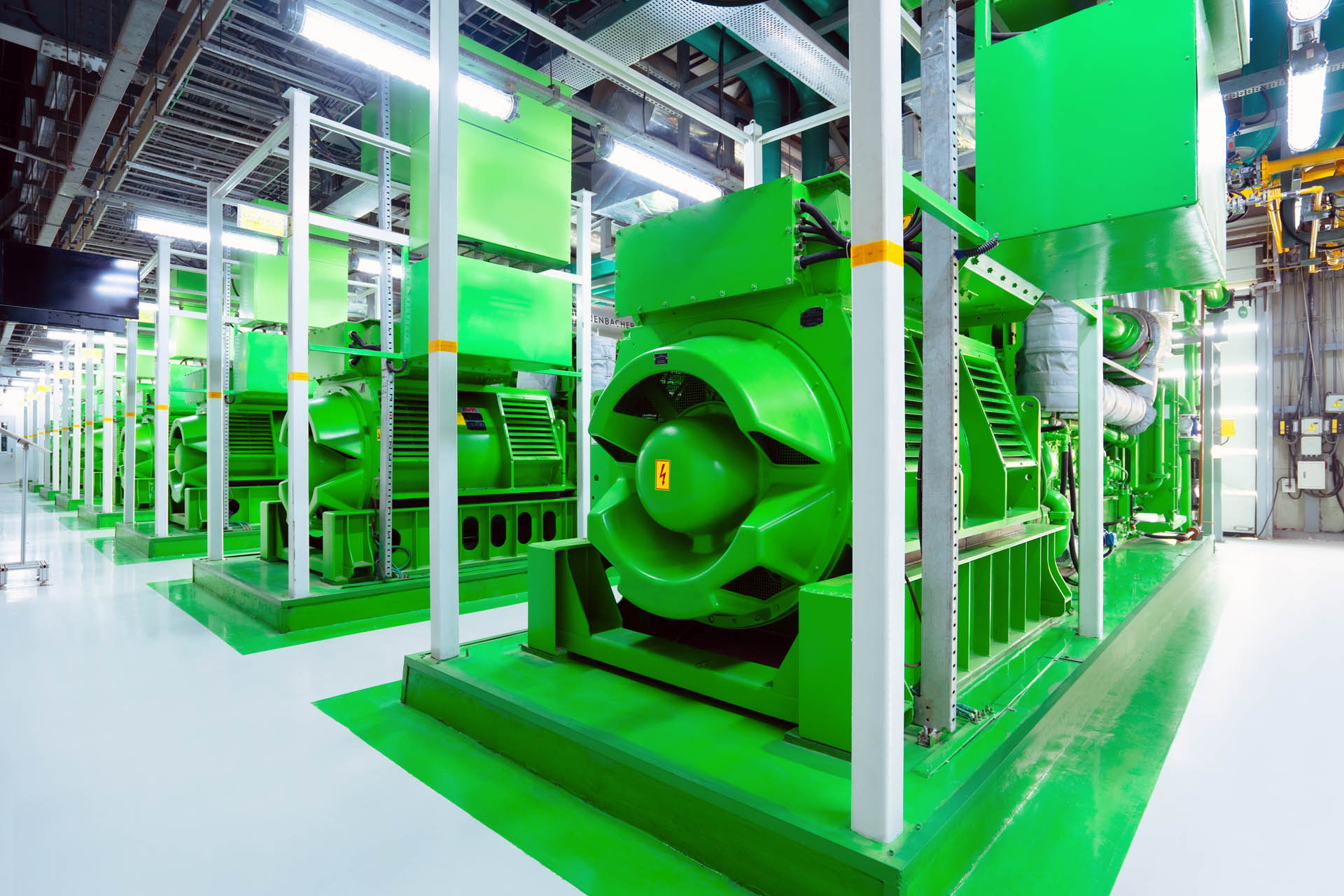
Explore the Full Jenbacher Range
The Jenbacher engine portfolio spans outputs from 250 kW to 10.6 MW, offering flexible solutions for different power requirements:
Jenbacher Type 2
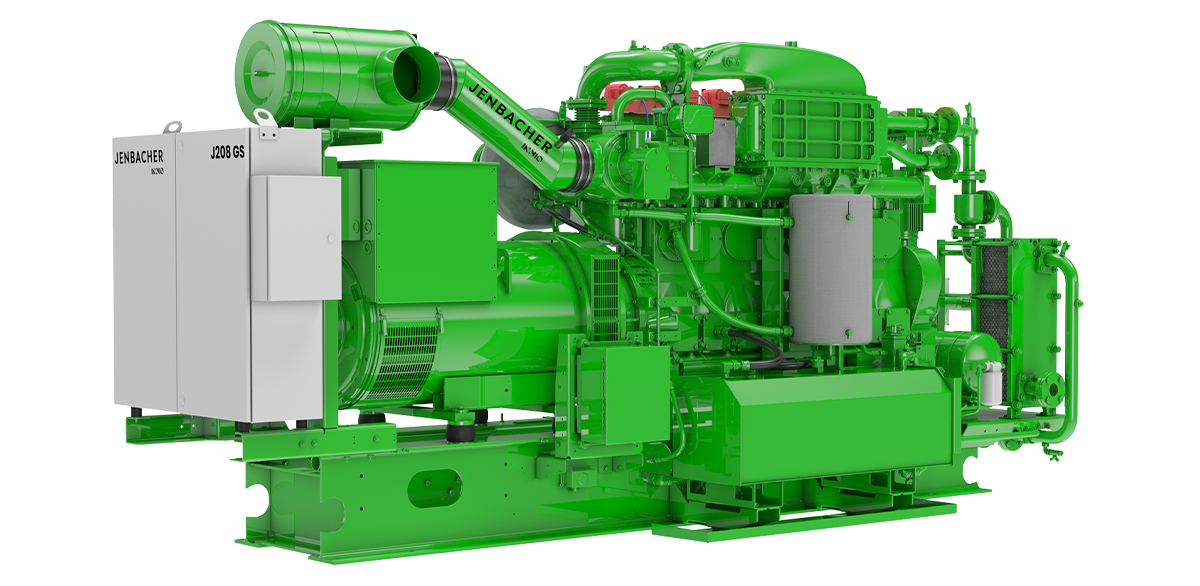
249 – 360 kW
Jenbacher Type 3
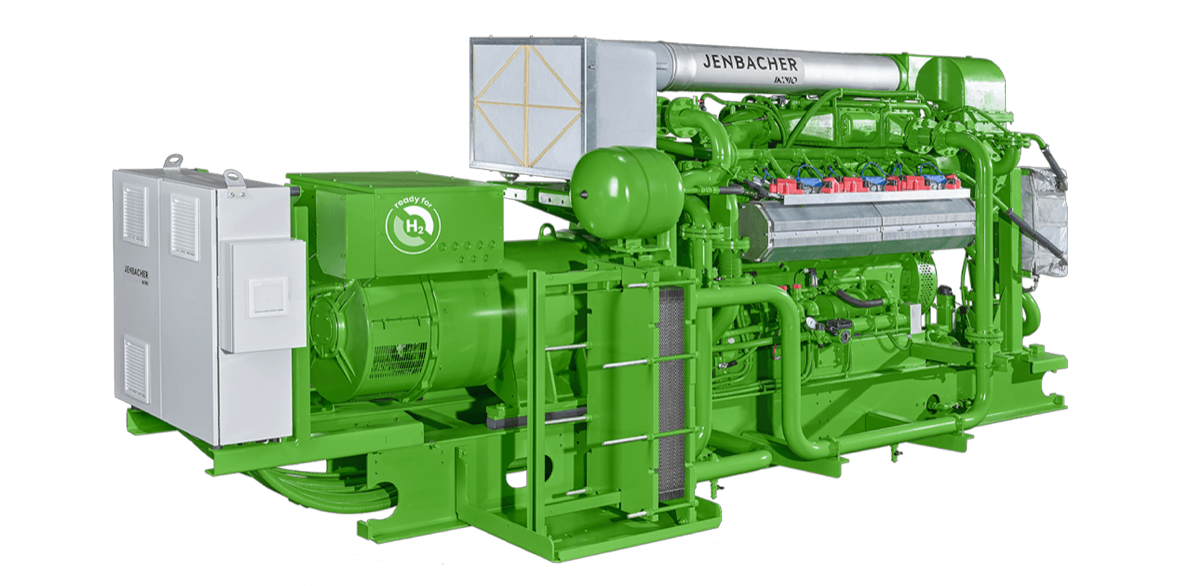
393 – 1155 kW
Jenbacher Type 4
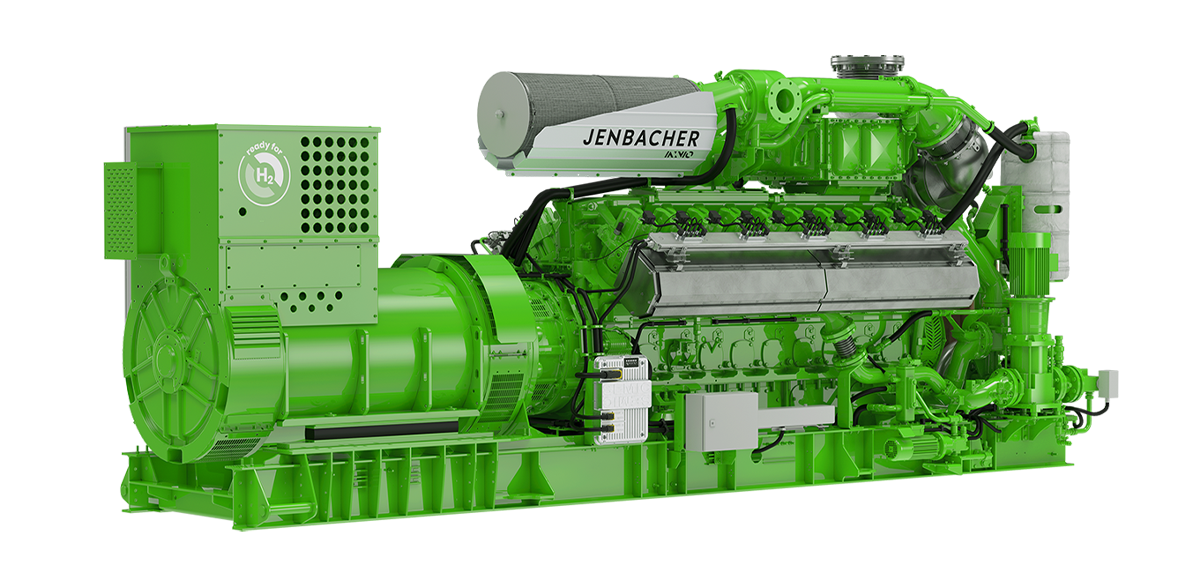
749 – 1562 kW
Jenbacher Type 6
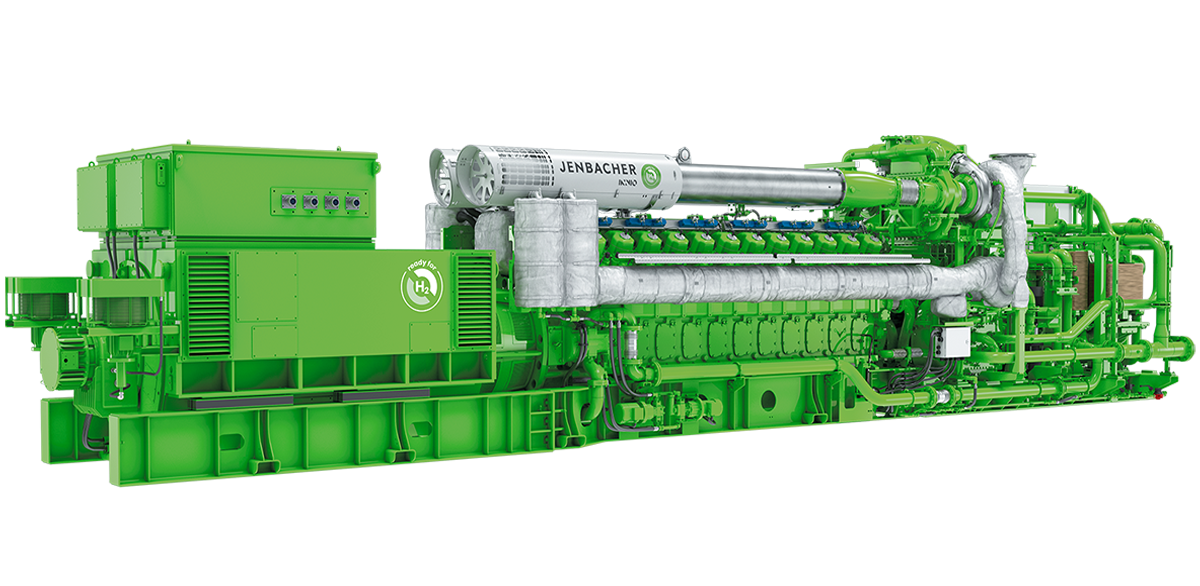
1818 – 4507 kW
Jenbacher Type 9
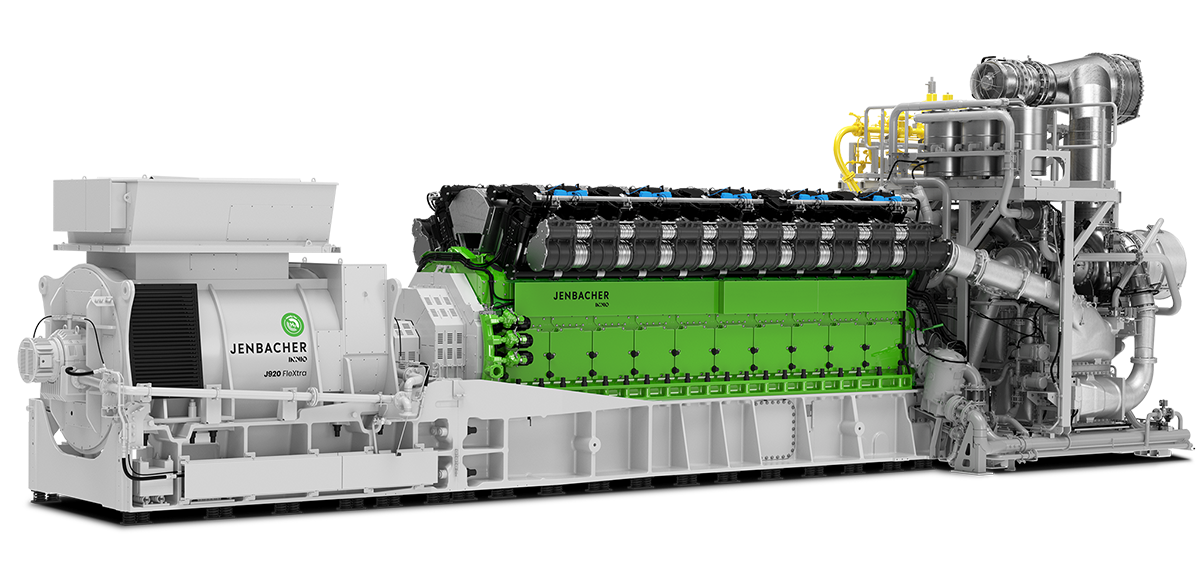
10606 kW
Discover More
Renewable Gases
‘Ready for H₂’
Power Production
Efficiency and Reliability
Renewable Gases
Jenbacher engines can utilise a wide range of renewable and low-carbon gases, including:
- Biogas from agricultural, food, and organic waste streams
- Landfill gas and sewage gas from municipal waste treatment
- Syngas and wood gas from biomass and waste gasification processes
- Industrial process gases such as steel mill off-gases, refinery gas, and flare gas
This extensive fuel flexibility enables operators to transform waste or by-product gases into decentralised power, reducing emissions and supporting circular energy systems.
Through their adaptability and hydrogen-ready capability, Jenbacher engines play a vital role in the global transition to a low-carbon and sustainable energy future.
‘Ready for H₂’
In addition, Jenbacher engines are engineered to accommodate increasing shares of renewable and low- carbon fuels, including hydrogen blends . As part of INNIO’s “Ready for H₂” portfolio, all new-generation Jenbacher engines are designed to operate on blends of hydrogen and natural gas, with the capability to convert to 100% hydrogen as infrastructure and fuel supply evolve.
This hydrogen-ready design provides a practical, future pathway to decarbonisation while maintaining the proven efficiency, reliability, and flexibility that define the Jenbacher engines.
Power Production
Jenbacher gas engines can be configured to produce:
- Electricity only – for base-load or flexible power generation
- Electricity and heat – cogeneration / combined heat and power (CHP)
- Electricity, heat, and cooling – trigeneration / combined heat, power and cooling (CCHP)
- Electricity, heat, cooling, and carbon dioxide – quadgeneration
- Electricity, heat, and carbon dioxide – greenhouse cogeneration
Jenbacher engines provide baseload and peaking power to help stabilise utility grids (in-front-of-the-meter) and power independent microgrids (behind-the- meter). They can operate in parallel with the grid, in island mode, or as standalone systems in remote areas.
Efficiency and Reliability
Jenbacher gas engines are renowned for their combination of excellent fuel economy and reliable performance. Each unit is designed to deliver consistent rated power, even when operating with variable gas quality or composition.
All engines incorporate the patented LEANOX® lean-burn combustion control system, which continuously regulates the air-to-fuel ratio to maintain efficient combustion and low emissions under all load conditions.
The integrated Jenbacher gas mixer complements this system by balancing variations in gas calorific value – a key advantage when using biogas, landfill gas, or other renewable fuels.
Jenbacher technology supports a wide range of gaseous fuels, from low-calorific industrial gases and syngas to landfill gas, sewage gas, natural gas, and higher-calorific fuels such as propane or butane. This fuel tolerance, combined with robust design, help ensures stable operation and long service life in industrial and renewable environments.
Proven efficiency and reliability make Jenbacher engines a preferred choice for energy-intensive operations, district energy schemes, and trigeneration systems seeking to reduce both energy costs and carbon emissions.
Lifecycle Service Support for Jenbacher Engines
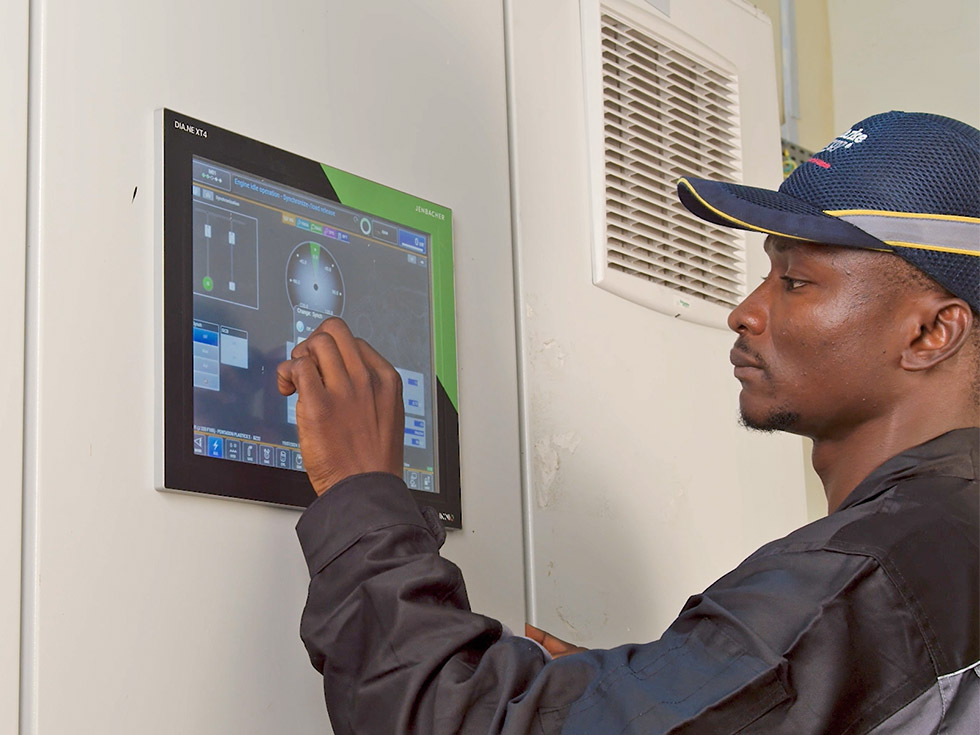
Commissioning
Engines expertly commissioned by localised Clarke Energy service engineers.
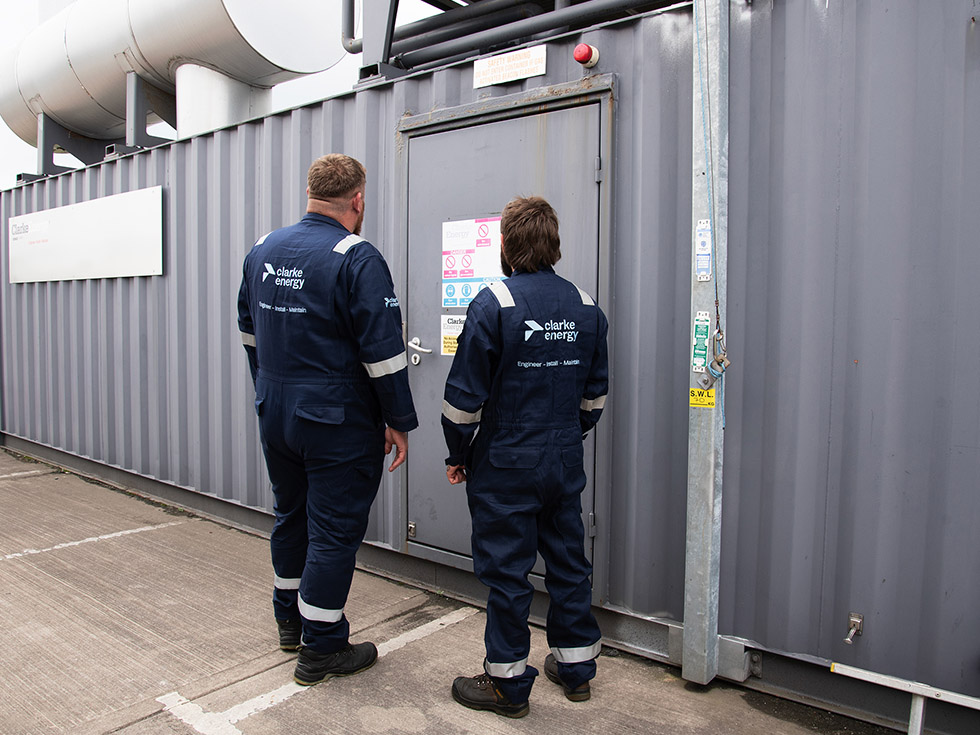
Maintenance Agreements
Long term agreements to enhance operational reliability and customer peace-of-mind confidence.
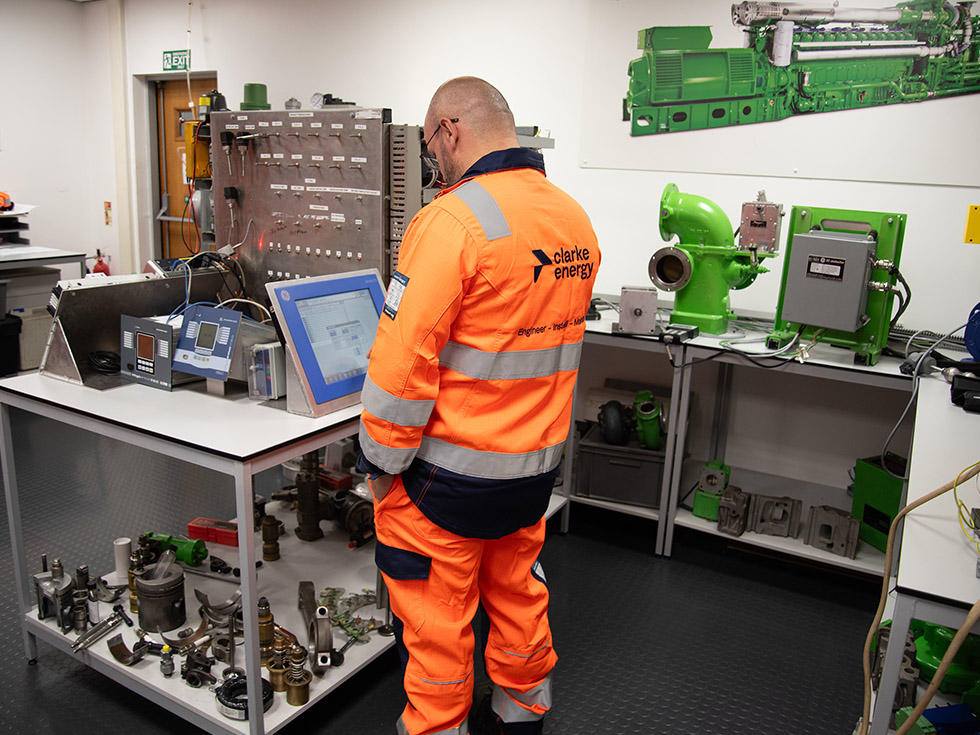
Technical Training
Empower your workforce with theoretical and practical training in multiple languages.
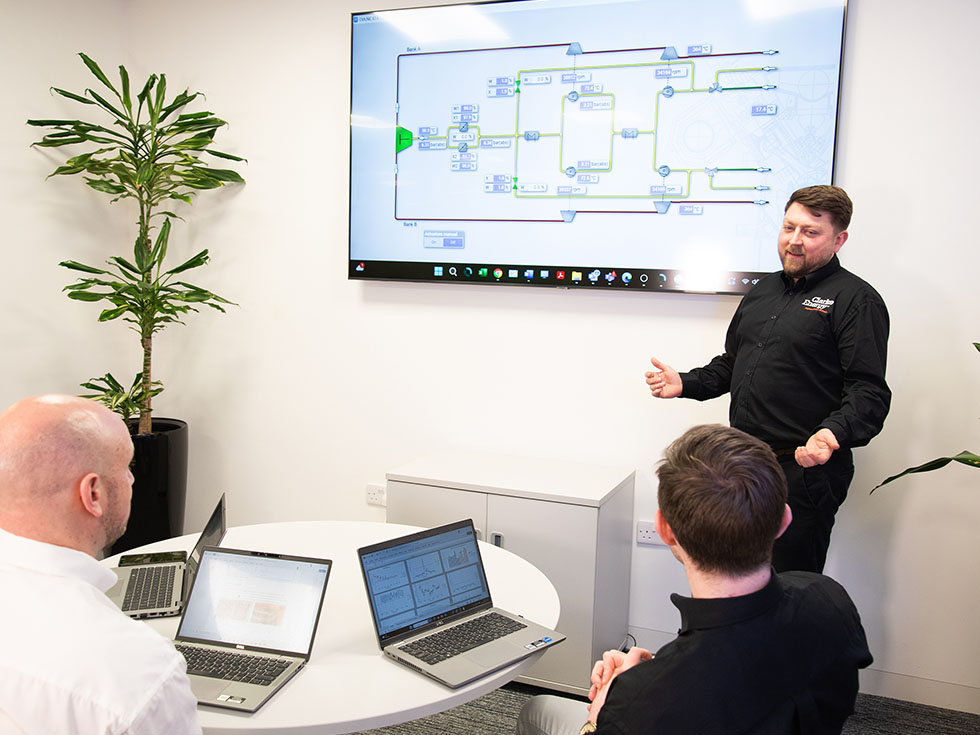
Remote Monitoring & Diagnostics
Increase asset uptime and reduce operational costs with advanced engine remote monitoring.
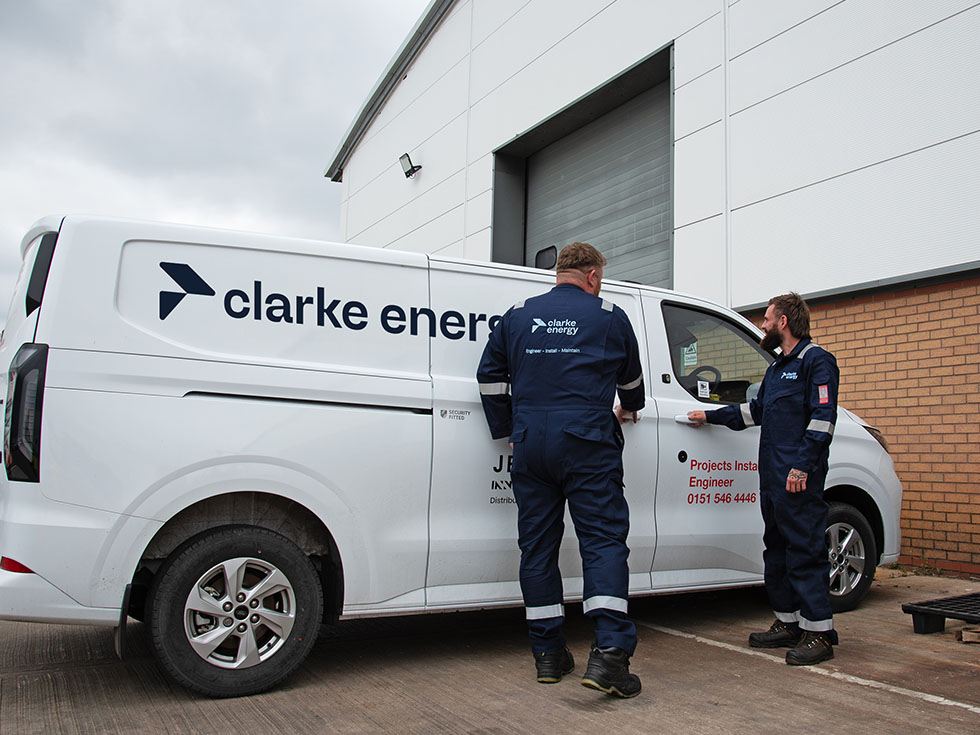
Field Service
Rapid response and local expertise through comprehensive network of engineers.
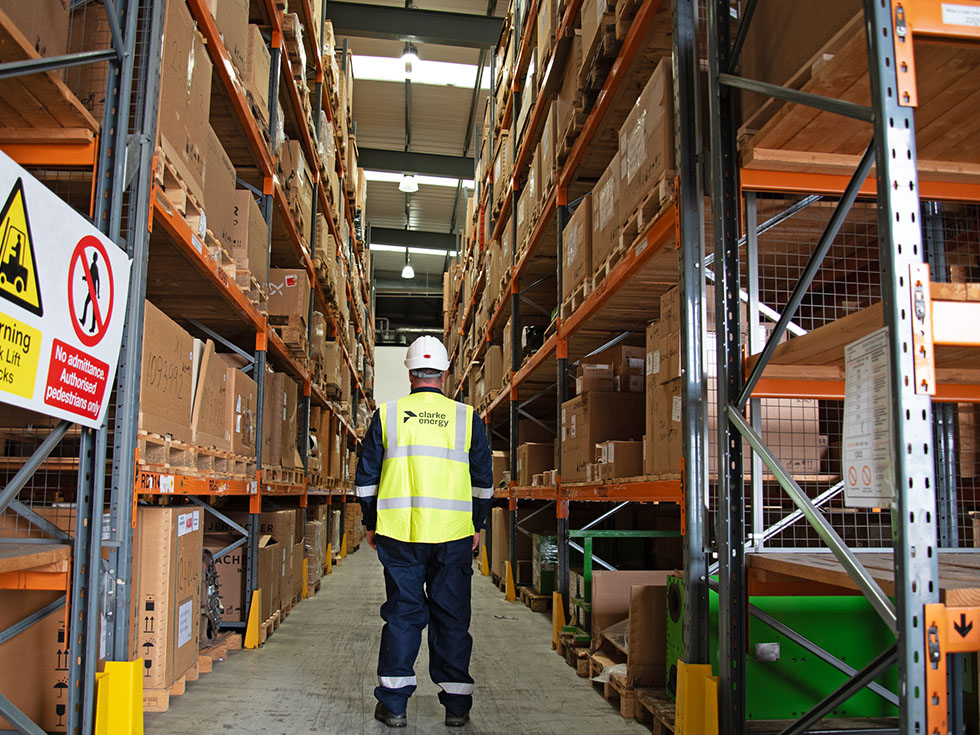
Spare Parts
Original equipment manufacturer (OEM) approved spare parts for excellent engine performance levels.
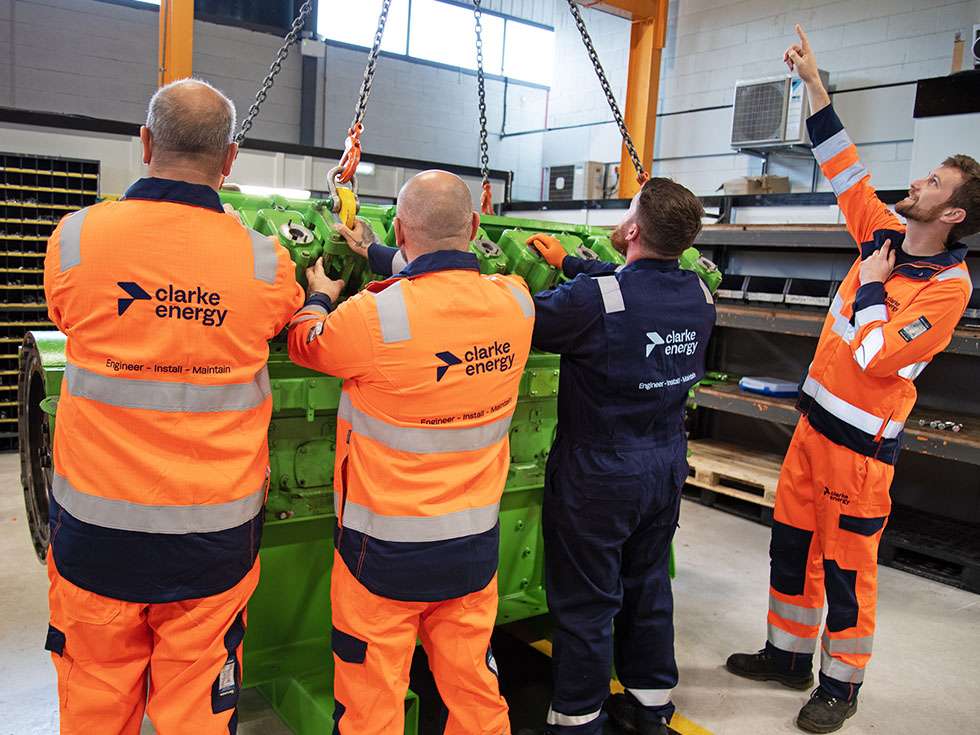
Repairs & Overhauls
Scheduled and unscheduled maintenance for highest levels of engine availability.
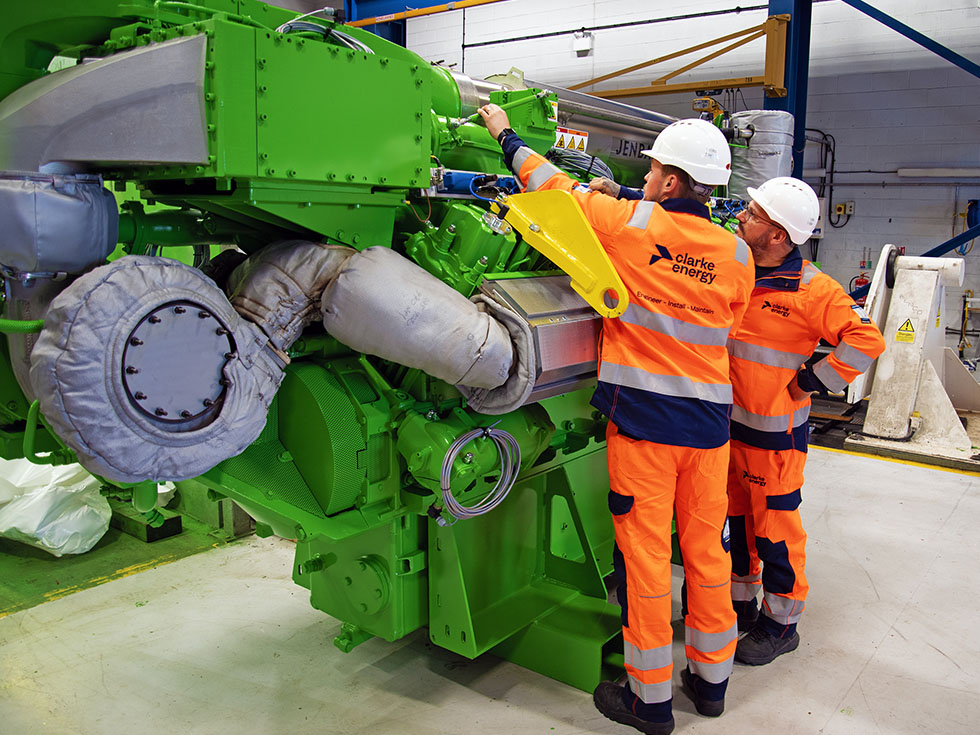
Conversions, Modifications & Upgrades
Extend engine life, boost output, improve efficiency and reduce emissions through upgrades.
Frequently Asked Questions about Jenbacher Engines
Technical and Engineering
What types of gaseous fuels can Jenbacher engines operate on?
Jenbacher engines can operate on a wide range of fuels, including natural gas, biogas, landfill gas, sewage gas, wood gas, and other special gases, providing exceptional fuel flexibility.
How does the LEANOX® combustion system improve engine performance?
LEANOX® maintains the correct air-to-fuel ratio under various load conditions, supporting stable combustion, improved efficiency, and lower emissions.
Financial and Commercial
What are the main cost advantages of using Jenbacher gas engines?
The high efficiency and long operating life of Jenbacher engines reduce fuel and maintenance costs, delivering strong long-term return on investment.
Can a Jenbacher gas engine project qualify for sustainability or decarbonisation incentives?
Many installations using renewable gases or high-efficiency cogeneration qualify for government-backed carbon reduction and energy-efficiency schemes.
Environmental and Sustainability
How do Jenbacher engines contribute to sustainable power generation?
By supporting renewable gases and hydrogen blending, Jenbacher engines reduce carbon intensity and enable gradual transition to cleaner fuels.
Can Jenbacher engines operate on 100% hydrogen?
All new Jenbacher engines are “Ready for H2”*, supporting zero-carbon energy initiatives.
* In general, “Ready for H2” Jenbacher units can be converted to operate on up to 100% hydrogen in the future. Details on the cost and timeline for a future conversion may vary and need to be clarified individually.
Operational and Implementation
Where can Jenbacher gas engines be installed?
Jenbacher engines are used across industries including manufacturing, agriculture, data centres, utilities, and municipal energy networks – operating on or off the grid.
What type of service and maintenance is available for Jenbacher installations?
Clarke Energy offers full lifecycle support, including commissioning, preventive maintenance, spare parts supply, and remote monitoring to ensure optimal reliability.
Interested in installing a Jenbacher Gas Engine?
Speak with our experts to discuss your project requirements, explore system configurations, or arrange a site assessment.