

Biogas Upgrading
Maximise renewable gas potential through turnkey biogas upgrading solutions that clean biogas into biomethane or renewable natural gas (RNG).
What is Biogas Upgrading?
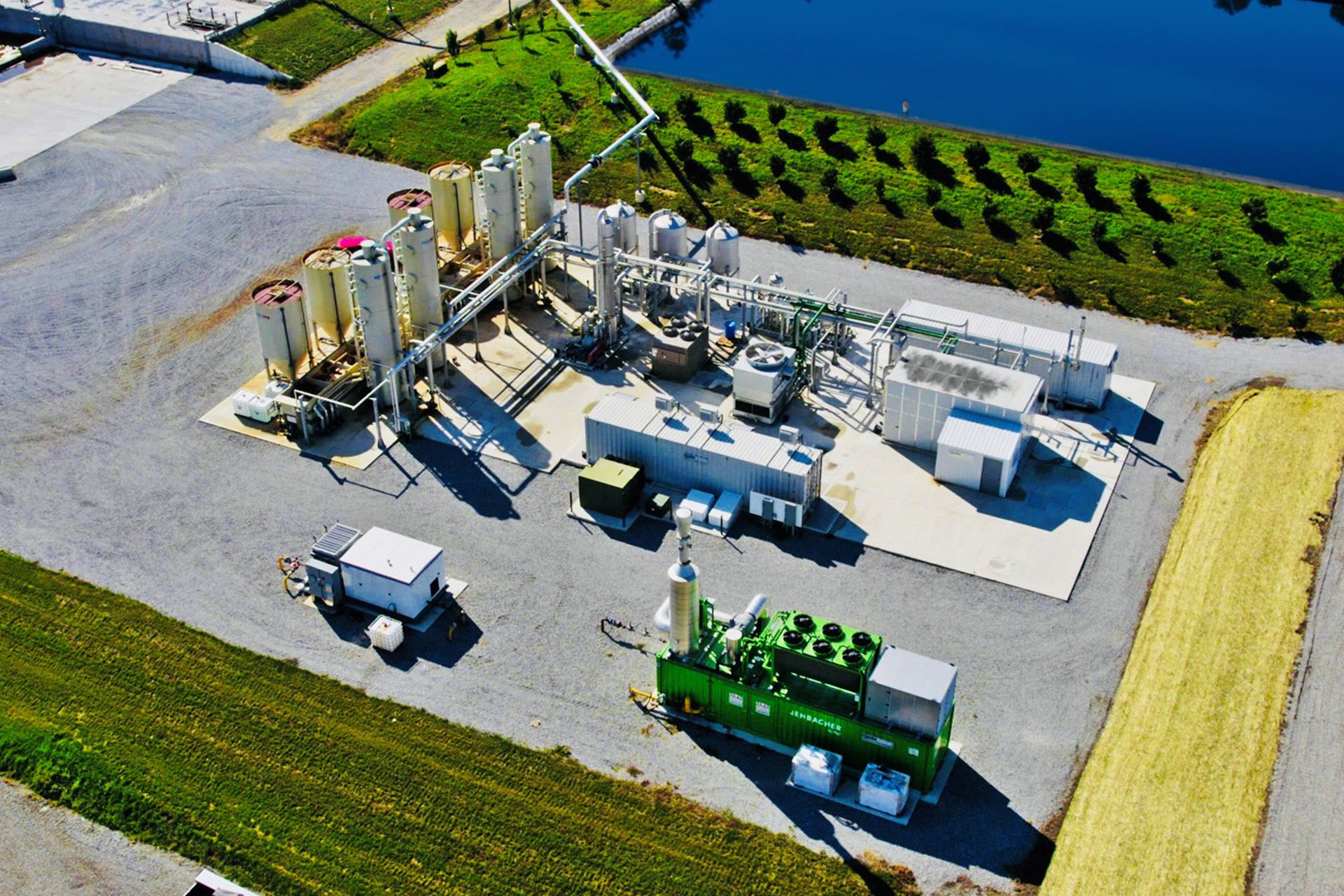
Biogas upgrading is the process of refining raw biogas—typically produced through anaerobic digestion or landfill gas capture—by removing impurities such as carbon dioxide, water vapour, and trace contaminants. The result is high-purity biomethane, a renewable gas that closely mirrors the chemical properties of natural gas.
Biogas is derived from biodegradable materials such as agricultural residues, food waste, and sewage. Because it originates from materials within the short-term carbon cycle, biomethane is considered a renewable, sustainable and low-carbon fuel.
Uses for Biomethane / RNG
Once upgraded, biomethane can be used for a variety of applications:
- Injected into natural gas grids for widespread energy use.
- Used to fuel combined heat and power (CHP) systems.
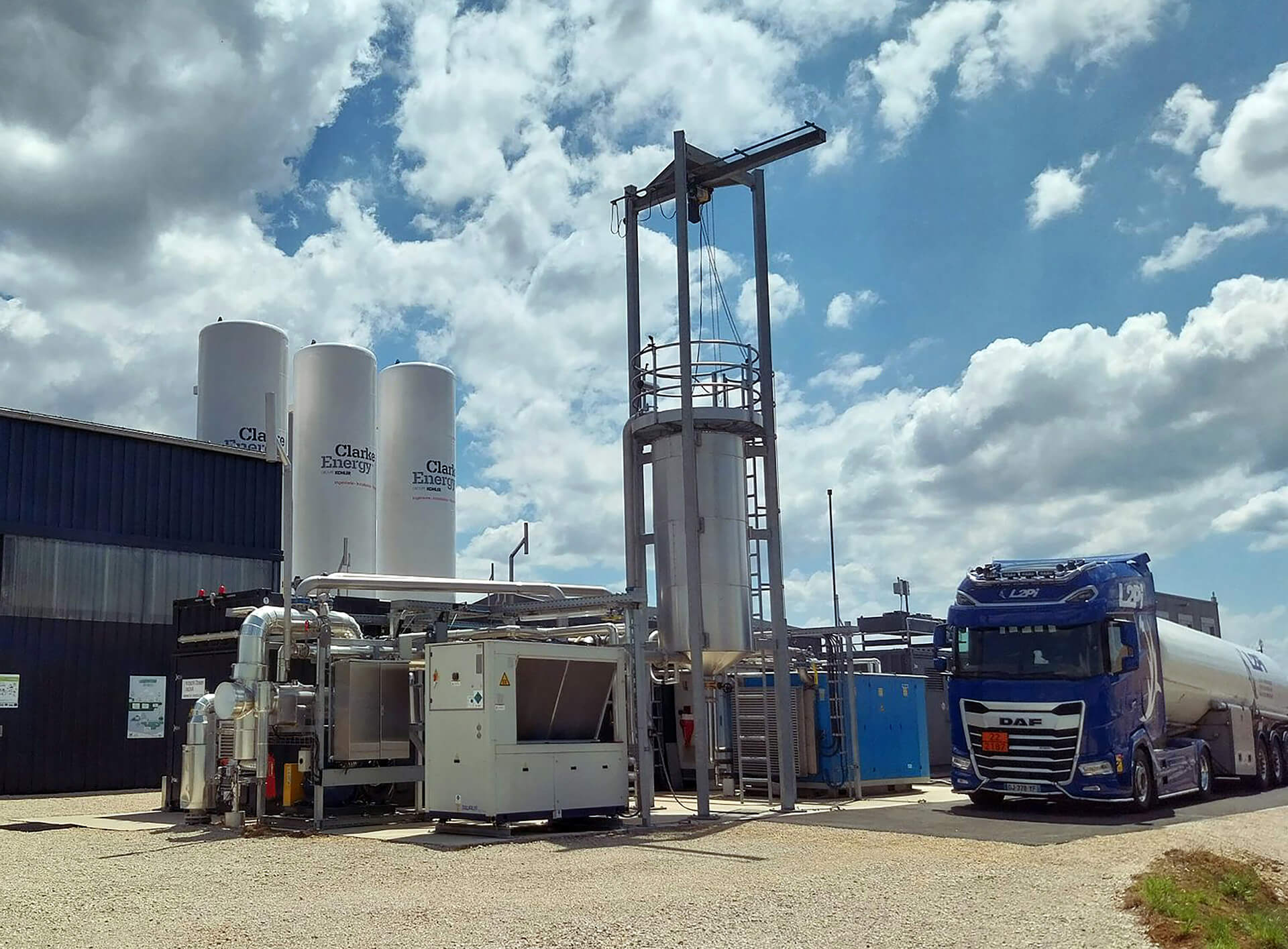
- Compressed and transported via virtual pipelines for off-grid consumption.
- Used as a clean transport fuel, particularly in heavy-duty or off-road vehicles.
- Used as a back-up fuel for gas engines in data centres.
Biogas upgrading technologies are suitable for use at anaerobic digestion plants, wastewater treatment sites, and landfill facilities. They can operate as a standalone solution or in parallel with on-site power generation, depending on energy and heat requirements.
Sustainability Benefits of Biogas Upgrading

Renewable Gas
Converts organic waste into clean biomethane that displaces fossil-derived gas.

Sustainable Waste Management
Transforms agricultural, food, or sewage waste into renewable fuel.
Carbon Utilisation
Enables CO₂ recovery and reuse for agricultural, commercial or industrial applications.
Why Clarke Energy for Biogas Upgrading?
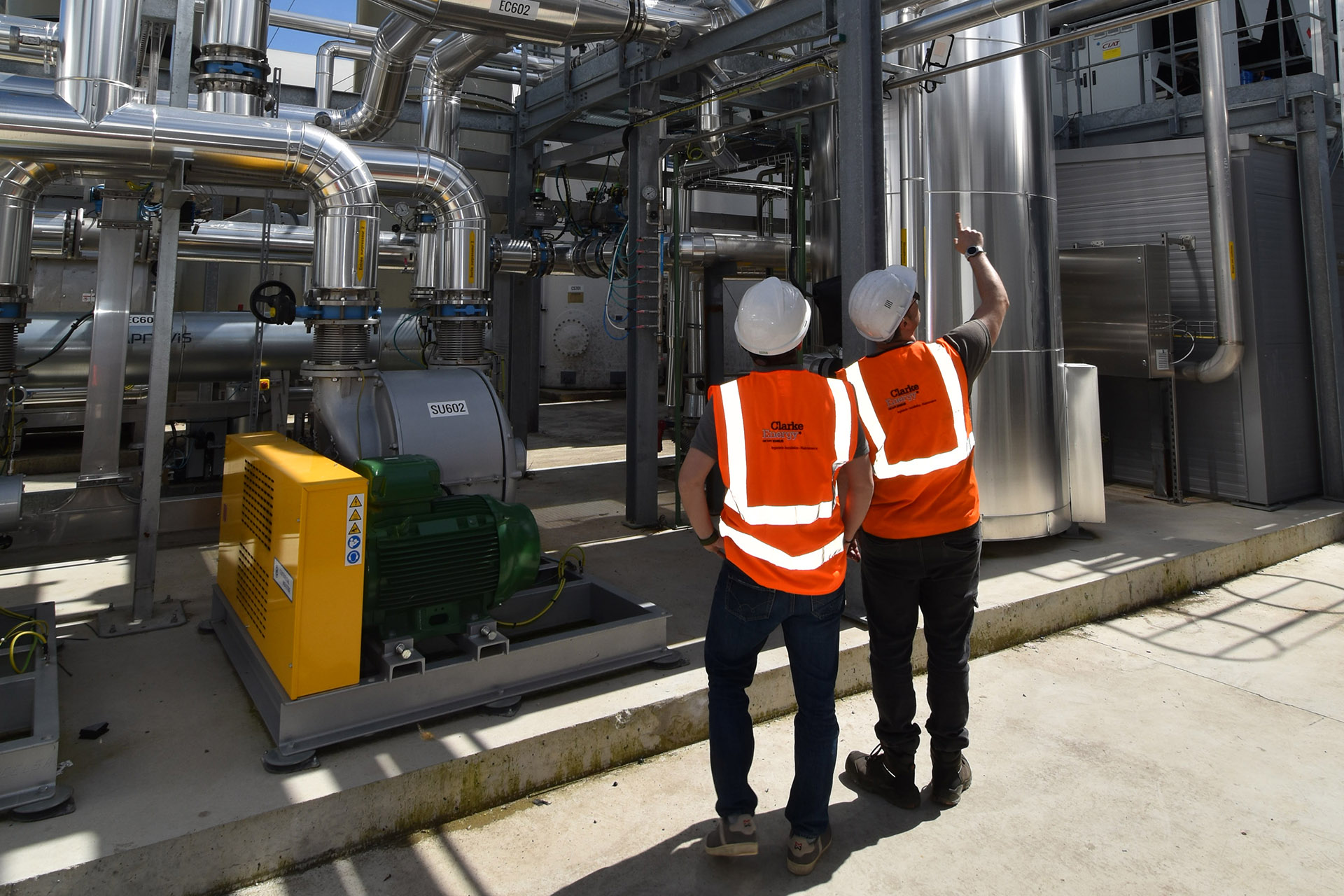
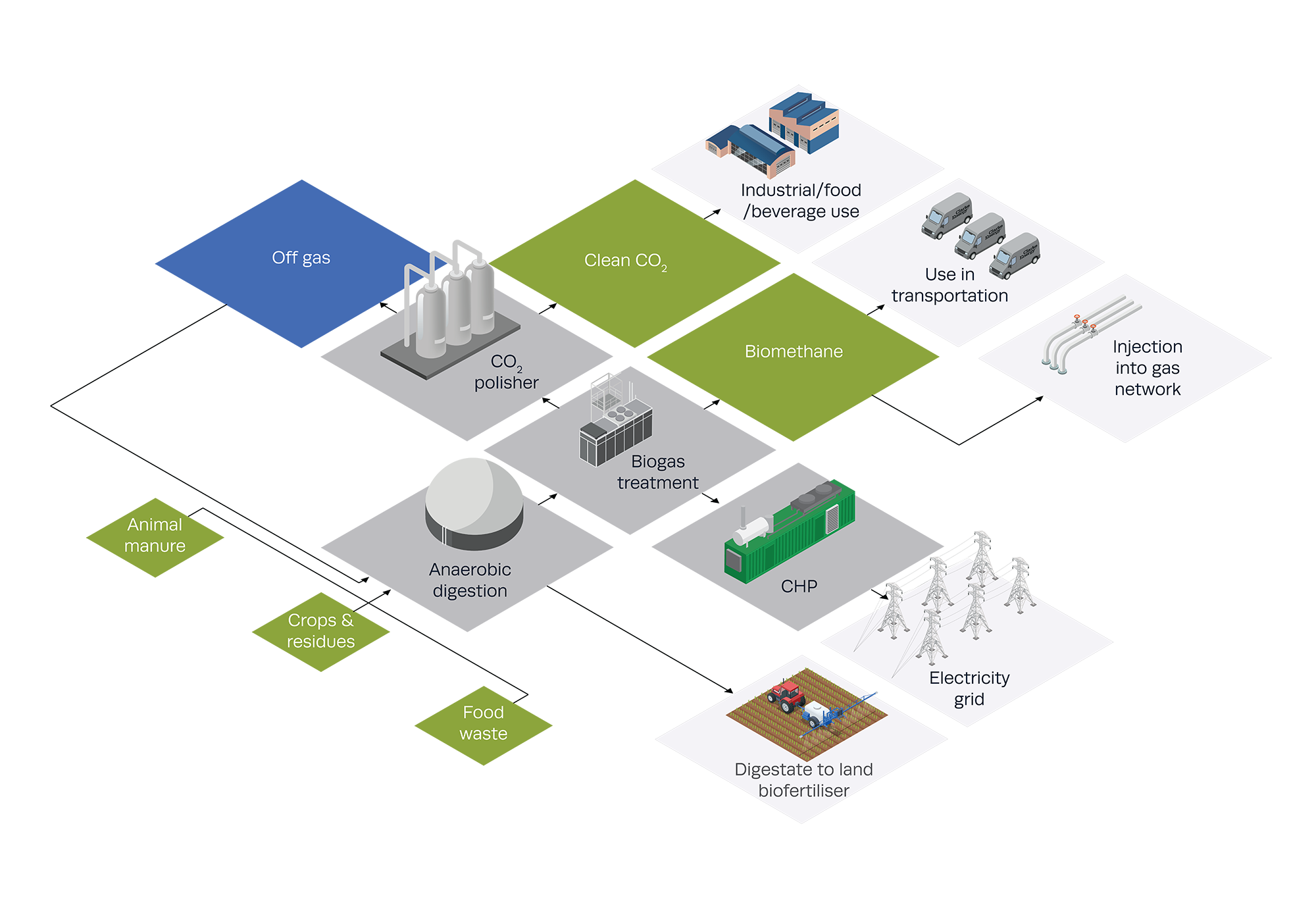
Clarke Energy supplies a comprehensive range of biogas upgrading systems to convert raw biogas into biomethane. These solutions enable injection into gas networks, compression for transportation, or use in energy systems such as combined heat and power (CHP).
- Unparalleled international biogas experience with >30 years track record in the sector.
- Proven expertise in turnkey delivery of biogas and biomethane systems.
- Flexible technology selection including membrane and solvent-based upgrading.
- Combined offering of biogas upgrading and gas engine power solutions.
- Long-term support with strong aftersales service and maintenance that can be combined with CHP maintenance to optimise costs.
Discover More About Biogas Upgrading
Upgrading Technology Options
Biomethane Output & Quality
Grid Injection
Vehicle Fuel & Virtual Pipeline
CHP Integration & CO₂ Recovery
Upgrading Technology Options
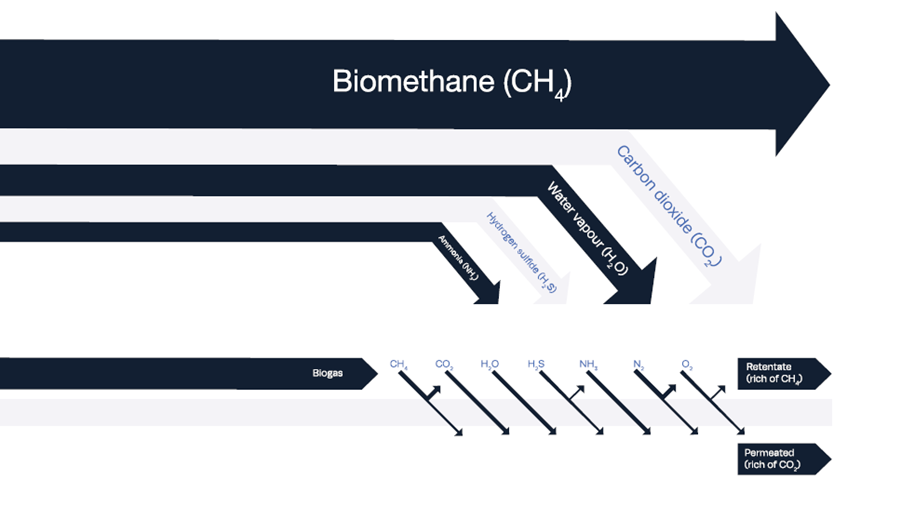
Advanced membrane and solvent-based technologies remove CO₂, H₂O, H₂S, NH₃, N₂, and O₂ from biogas. The technology is selected based on application and gas composition.
Biomethane Output & Quality
Biomethane produced via upgrading has a methane content close to 100% and is chemically similar to natural gas, allowing for direct injection into the grid or compression for virtual pipeline use.
Grid Injection
Upgraded biomethane can be injected into local gas networks. Government incentives may support injection, providing additional revenue while increasing renewable gas share.
Vehicle Fuel & Virtual Pipeline
Biomethane can be used as a low-carbon vehicle fuel. It may be compressed and transported by road to fuelling stations or CHP plants.
CHP Integration & CO₂ Recovery
Biomethane can power CHP systems, while CO₂ from the upgrading process can be recovered and purified for use in sectors like food and beverage. As biogas is a renewable fuel, if the CO2 is recovered and sequestered, carbon dioxide can be removed from the atmosphere, creating an atmospheric net-carbon reducing energy technology.
Turnkey Biogas Solutions
With Clarke Energy’s engineering, procurement, construction capabilities we are able to offer full turnkey biogas upgrading solutions and back this up with long-term maintenance support for our customers.
Applications

Anaerobic Digestion

Wastewater

Agriculture

Food and Drink

Manufacturing

Grid Services

Transport Fuel Infrastructure

Independent Power Producers
Comprehensive Project Development Support
Project Engineering
Electrical and mechanical engineering along with a dedicated team of computer aided design staff.
Project Management
Comprehensive project management service for the installation of your generation projects.
Project Feasibility
Feasibility studies offered for a range of services to assess the viability of your energy projects.
Engineering, Procurement and Construction
Comprehensive EPC services complimenting the supply and maintenance power generation equipment.
Latest Biogas Upgrading News
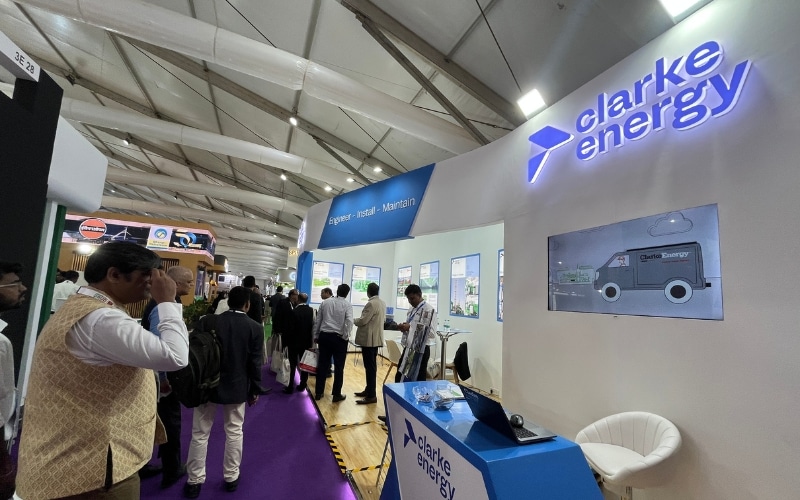
Clarke Energy India Showcases Clean Energy Solutions at India Energy Week 2026
Clarke Energy India exhibited advanced clean‑energy solutions at India Energy Week 2026 in Goa. The team highlighted biogas upgrading, hydrogen‑ready Jenbacher engines, fast‑start backup solutions for data centers, and Waukesha engines engineered for demanding applications.
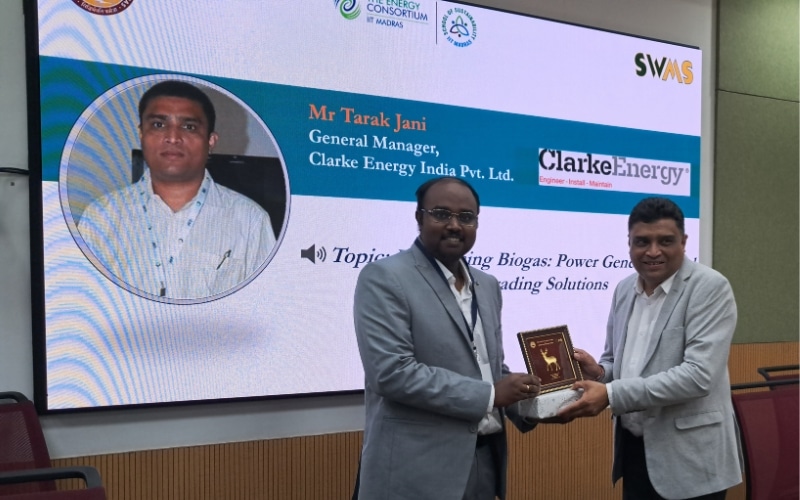
Clarke Energy Participates in IIT Madras Workshop on Compressed Biogas
Clarke Energy participated in the IIT Madras workshop on Compressed Biogas, sharing insights on biogas upgrading and gas-to-power solutions. Meet us at Stall 3E30 at India Energy Week 2026.
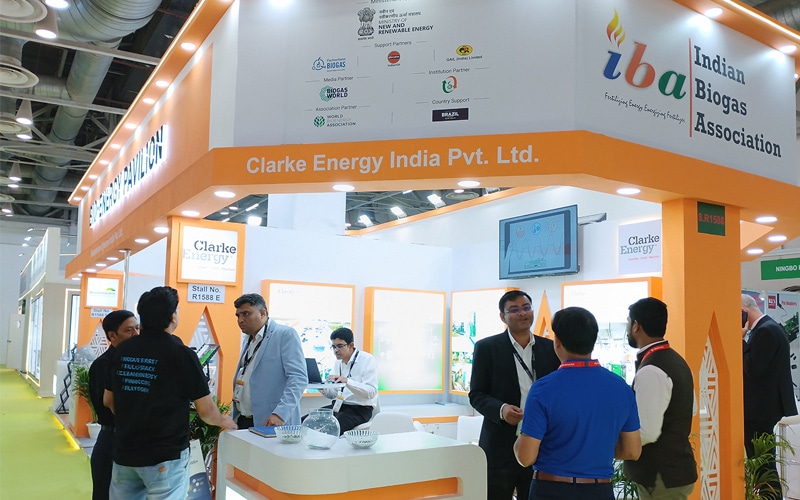
Clarke Energy India Reinforces Its Commitment to Sustainable Bioenergy at REI Expo 2025
We extend our heartfelt thanks to everyone who visited our booth and contributed to the vibrant discussions.
Frequently Asked Questions about Biogas Upgrading
Technical and Engineering
What is biogas upgrading and how does it work?
Biogas upgrading is the process of refining raw biogas—typically a mix of methane and carbon dioxide—into high-purity biomethane. This involves removing CO₂, water vapour, hydrogen sulphide (H₂S), and other impurities using specialised technologies, enabling the gas to meet grid or vehicle fuel standards.
What technologies are used in the biogas upgrading process?
Common technologies include membrane separation, pressure swing adsorption (PSA), water or chemical scrubbing, and amine solvent systems. These methods selectively remove CO₂ and contaminants, depending on project size, biogas composition, and regional compliance requirements. Clarke Energy typically provides membrane-based systems.
What methane purity can be achieved with upgraded biomethane?
High-quality biomethane typically achieves methane concentrations of 96–99%, making it suitable for injection into gas distribution networks, or compressed or liquefied for use as vehicle fuel - bio-CNG (bio-compressed natural gas) or bio-LNG – (bio-liquefied natural gas) or for combined heat and power engines.
Financial and Commercial
Can upgraded biomethane be injected into the natural gas grid?
Yes, once biomethane meets the grid’s gas quality and pressure standards, it can be injected and sold directly as a fuel or under renewable gas schemes. Many countries offer financial incentives, such as the Renewable Identification Numbers under the US Renewable Fuels Standard and Investment Tax Credits or the UKs Renewable Heat Incentive (RHI), Green Gas Certificates (GGCs).
Is biogas upgrading financially viable for plant operators?
Biogas upgrading can be directly commercially attractive or when supported by government incentives and stable offtake agreements. Revenue streams include grid injection, vehicle fuel sales, and green energy credits or certificates.
Are biogas upgrading systems scalable for different applications?
Yes, modern upgrading systems are modular and can be scaled to suit small-scale farm digesters, municipal wastewater sites, or large centralised anaerobic digestion (AD) facilities.
Environmental and Sustainability
Is biomethane classified as a renewable energy source?
Absolutely. Biomethane is produced from the decomposition of organic waste such as food waste, agricultural residues, or sewage sludge, making it a renewable and low-carbon alternative to fossil natural gas. The carbon within biodegradable materials is within the natural atmospheric short-term carbon cycle.
Can the CO₂ removed during biogas upgrading be reused?
Yes, captured CO₂ can be purified and utilised in commercial applications such as beverage carbonation, greenhouse enrichment, industrial processes or sequestration—adding value and reducing overall emissions.
How does biogas upgrading contribute to emissions reduction?
Upgrading prevents methane—a potent greenhouse gas—from being released into the atmosphere. It also displaces fossil-derived fuels, further supporting national and corporate decarbonisation efforts.
Operational and Implementation
In what types of facilities can biogas upgrading systems be installed?
Systems can be deployed at anaerobic digestion (AD) plants, agricultural operations, municipal wastewater treatment plants, and landfill gas recovery sites—anywhere biogas is generated.
What is the typical timeline for implementing a biogas upgrading project?
From design to commissioning, installation can take 6 to 12 months depending on permitting, equipment lead times, and site preparation requirements.
What operational support is available after installation?
Clarke Energy offers full aftersales support including remote monitoring, performance optimisation, and long-term operation and maintenance (O&M) contracts to ensure system reliability and compliance. For optimal costs, biogas upgrading maintenance can be combined with CHP maintenance from Clarke Energy.
Ready to take the next step with Biogas Upgrading?
Clarke Energy’s regional experts can provide the insight and support you need to evaluate options and achieve the right energy solution for your business.