

Energy Resilience
Reliable energy systems designed to keep essential infrastructure running without interruption.

Resilient Energy for Critical Operations
Energy resilience is increasingly vital for essential services such as hospitals, manufacturers, data centres, and electricity networks operating in an uncertain world. Disruptive events — including extreme weather, epidemics, and grid failures — can threaten operations and energy supply continuity.
Resilience can be strengthened through on-site generation, also known as captive power, where electricity, heat, and cooling are produced close to the point of use. Captive power plants can operate continuously or as standby systems, providing either full independence from the grid or a secure backup supply during interruptions.
By generating power locally, organisations gain greater control over energy costs and reliability while supporting a more stable and efficient power network.
Importance of Energy Resilience
- Maintain power continuity for critical infrastructure and essential services
- Reduce reliance on grid imports and mitigate exposure to outages
- Lower emissions through use of low-carbon and renewable fuels
- Improve overall operational efficiency with combined heat and power (CHP)
- Support national grid stability through flexible, dispatchable generation
- Strengthen business continuity and risk management strategies

Discover More
Fuel Flexibility and Supply Security
Combined Heat and Power Integration
Grid Support and Stability
Fuel Flexibility and Supply Security
Combined Heat and Power Integration
Grid Support and Stability
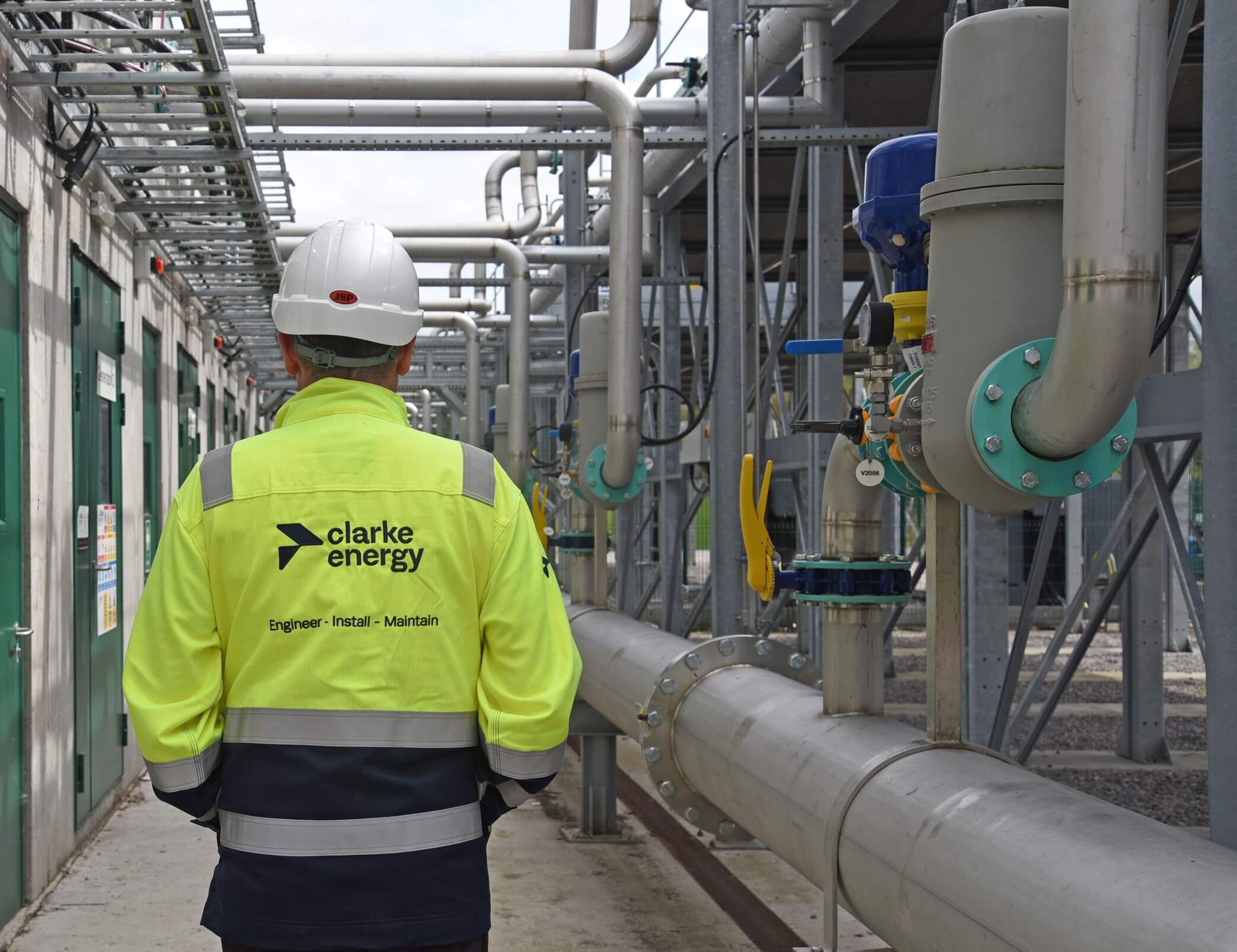
Why Clarke Energy for Energy Resilience Projects?
- Complete turnkey delivery – Fully integrated power solutions covering design, engineering, installation, commissioning, and lifetime service.
- Principal Contractor expertise – Safe, compliant project execution under CDM regulations with seamless coordination across all disciplines.
- Advanced monitoring and control – Remote monitoring and dispatch for fast response, optimised operation, and reliable performance.
- Comprehensive technical support – Detailed data for planning, grid connections, emissions, and noise assessments to support compliance.
- Dedicated long-term service – Proactive maintenance and flexible agreements ensuring dependable performance and sustained resilience.
Frequently Asked Questions about Energy Resilience
Technical and Engineering
How does on-site generation improve energy resilience?
On-site or captive generation allows organisations to maintain continuous power even during grid disturbances. Electricity and heat are produced close to where they are used, improving reliability and minimising exposure to transmission failures.
What technologies are most effective for energy resilience?
Gas engine systems, often configured for combined heat and power (CHP), are highly effective. They can operate independently from the grid, start rapidly, and integrate with renewables or storage to maintain secure energy supply.
Can resilient power systems be scaled for different facility sizes?
Yes. Clarke Energy’s modular gas engine solutions can be scaled to meet varying site demands — from single-engine installations for smaller facilities to multi-engine power plants for large industrial or public infrastructure.
Are resilient power systems compatible with renewables?
Yes. Gas engines can operate alongside renewable sources such as solar or wind, providing dispatchable backup to stabilise fluctuating generation.
Financial and Commercial
What are the financial benefits of improving energy resilience?
By generating power locally, businesses can reduce dependence on grid imports, avoid costly production downtime, and benefit from more predictable energy costs.
How does combined heat and power (CHP) enhance cost efficiency?
CHP systems use waste heat from electricity generation for heating, cooling, or process use. This improves total energy utilisation and reduces fuel costs per unit of output.
Are there funding or incentive options for resilient energy projects?
Yes. In many regions, energy resilience and low-carbon generation projects qualify for government incentives, tax relief, or energy efficiency grants that improve project returns.
Environmental and Sustainability
Can resilient power systems support decarbonisation goals?
Yes. Gas engines can operate on renewable or low-carbon fuels such as biogas, biomethane, or hydrogen, helping to lower emissions while maintaining energy reliability.
How do CHP systems contribute to emissions reduction?
By recovering and reusing waste heat, CHP systems significantly reduce primary energy use and associated greenhouse gas emissions compared with separate heat and power generation.
Do resilient systems help integrate renewable generation into the grid?
Yes. Dispatchable gas generation provides balancing power that complements variable renewable energy sources, helping maintain grid stability while enabling more renewables to connect.
Operational and Implementation
What types of facilities benefit most from enhanced energy resilience?
Hospitals, data centres, manufacturers, and utilities rely on continuous operation and benefit greatly from on-site or standby power generation that ensures energy security.
How does Clarke Energy support project implementation?
Clarke Energy provides full turnkey delivery — from design and engineering to EPC execution and commissioning — with in-house teams managing all technical and regulatory requirements.
What service and monitoring options are available?
Comprehensive maintenance packages include remote monitoring, predictive diagnostics, and performance optimisation to ensure high availability and long-term system reliability.
Can systems be controlled remotely during grid outages?
Yes. Advanced digital controls allow operators to dispatch power instantly, monitor performance in real time, and maintain continuity even during external network disruptions.
Looking to Improve Energy Resilience for your Business Operations?
Our regional experts can help you design and deliver a resilient, efficient, and low-carbon on-site power solution.