

Pulp and Paper
Reliable, efficient, and low-carbon energy for continuous pulp and paper production.
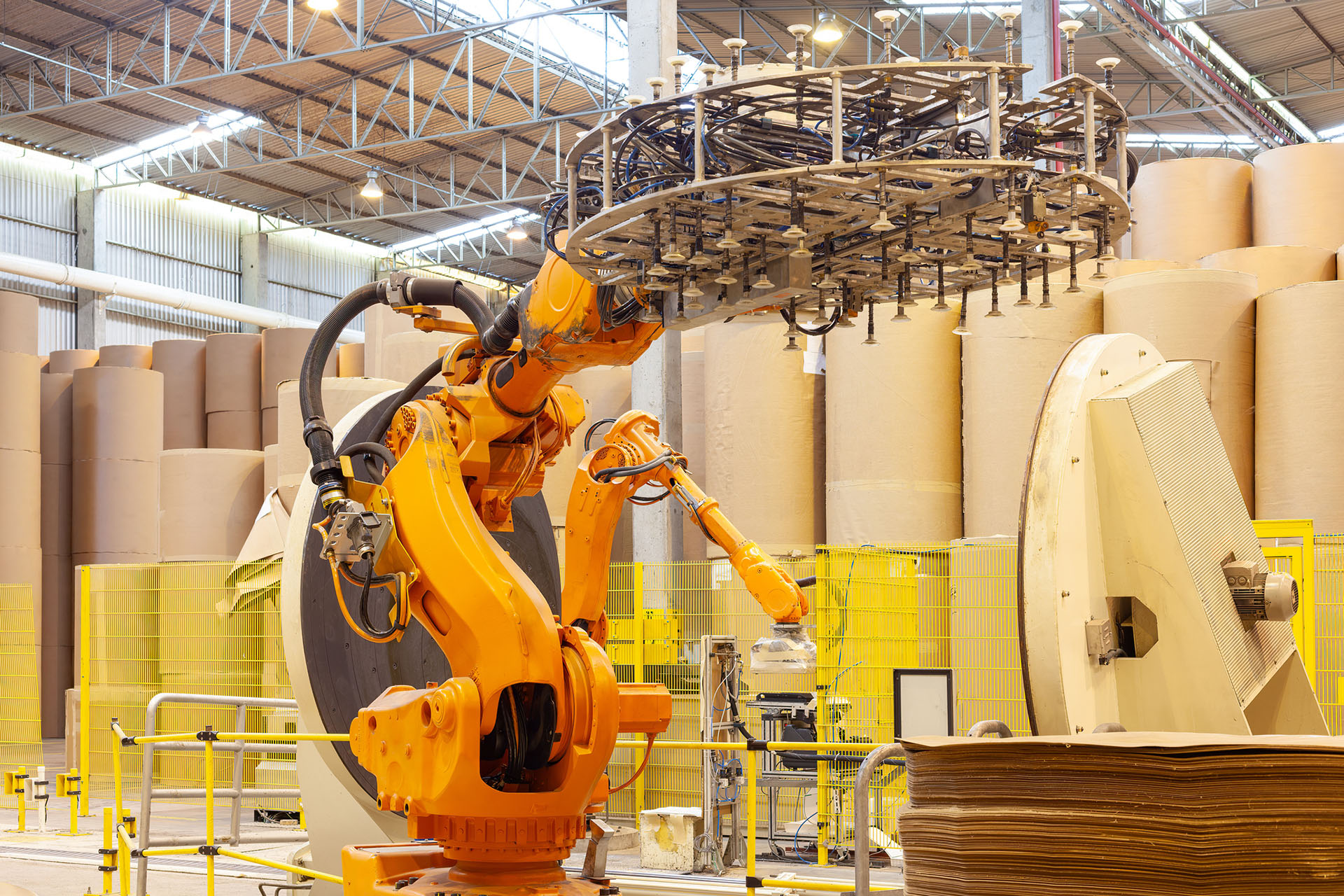
About the Pulp and Paper Industry
The pulp and paper industry is one of the most energy-intensive manufacturing sectors, supplying essential materials for packaging, printing, and hygiene products. Production relies on both electrical and thermal energy for pulping, bleaching, drying, and finishing — all of which must be maintained with high precision and consistency.
Energy typically accounts for a large share of operating costs, with any disruption risking material loss, quality variation, or equipment downtime. In a competitive global market, mills are increasingly focusing on improving energy efficiency, reducing carbon emissions, and enhancing energy security.
Combined heat and power (CHP) offers an effective solution by producing both electricity and process heat on-site, using a single fuel input. This approach maximises efficiency, reduces fuel consumption, and provides dependable power and steam for continuous operation. When combined with microgrid control systems, CHP allows flexible, resilient energy management that supports sustainability goals and long-term cost stability across pulp and paper manufacturing operations.
Energy Resilience in Pulp and Paper Manufacturing
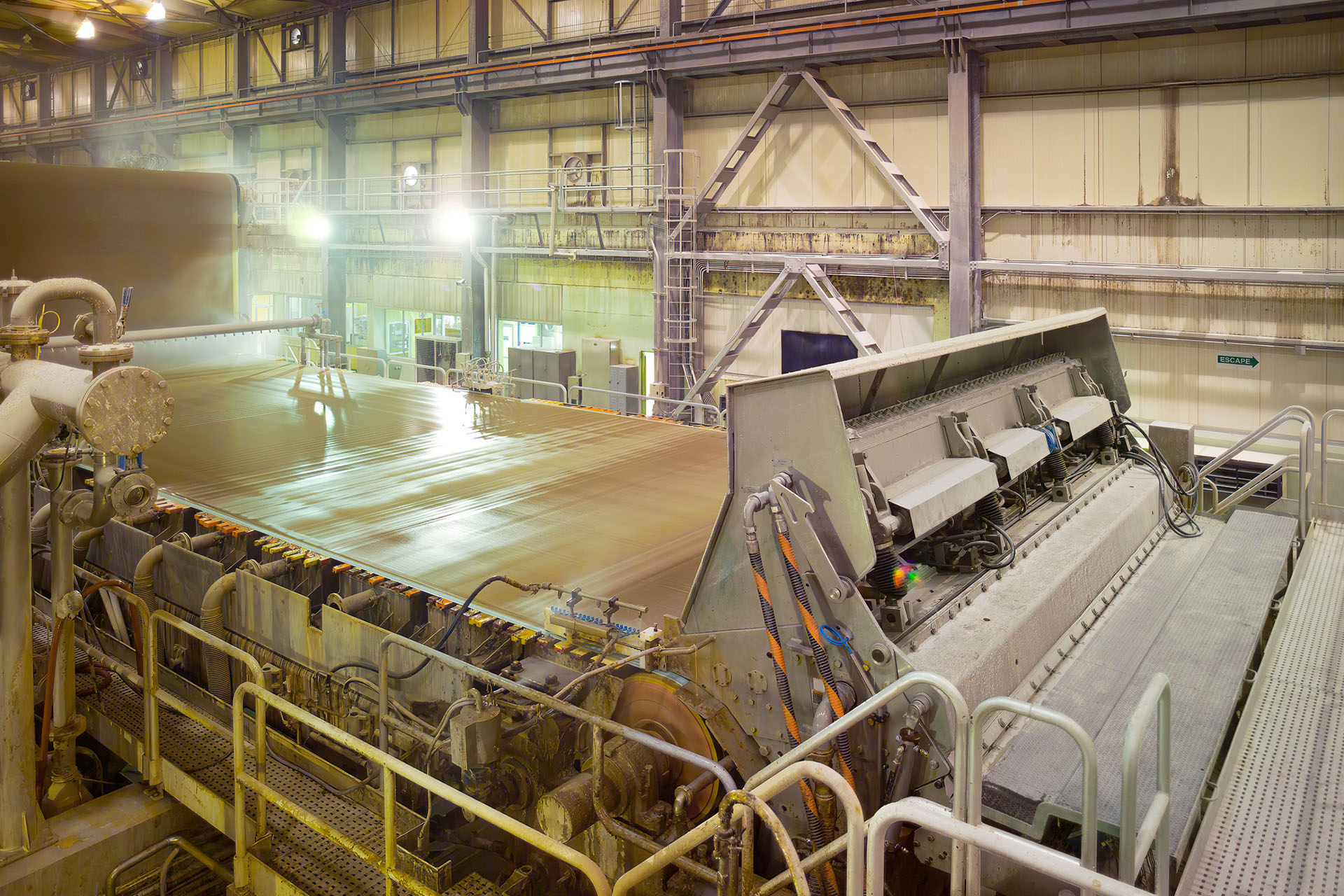
Energy reliability is essential for the stability of mechanical and thermal processes in pulp and paper production. Gas engine-based CHP plants provide dependable onsite power and heat, safeguarding against grid instability or external outages.
When integrated with advanced control systems, these plants can seamlessly switch between grid-connected and island operation, optimising generation in real time to match process requirements. This ensures continuous operation of pulping, drying, and finishing equipment while maintaining consistent product quality. The result is enhanced efficiency, lower emissions, and stronger energy resilience for high-demand industrial environments.
Discover More
Combined Heat and Power (CHP)
Microgrids and Hybrid Energy Systems
Combined Heat and Power (CHP)
CHP systems simultaneously generate electricity and recover waste heat from engine exhaust and cooling circuits to provide steam or hot water for pulping, drying, or bleaching. With overall efficiencies exceeding 80%, CHP systems significantly reduce fuel use, emissions, and energy costs. By producing power and thermal energy onsite, mills minimise dependence on grid supply, improve process reliability, and stabilise long-term energy budgets. CHP also supports carbon reduction targets by enabling the use of renewable and low-carbon fuels within continuous manufacturing operations.
Microgrids and Hybrid Energy Systems
Microgrids integrate CHP plants with renewable generation and battery energy storage to optimise energy performance. For pulp and paper mills, these systems enhance operational flexibility by balancing electricity, steam, and heat loads across multiple processes. During grid disturbances, microgrids maintain power continuity and can operate autonomously to protect production. This approach improves cost efficiency, enables renewable integration, and strengthens overall sustainability performance. By combining local generation with intelligent control, microgrids support both resilience and long-term decarbonisation goals for industrial energy networks.
Why Clarke Energy for Pulp and Paper Projects?
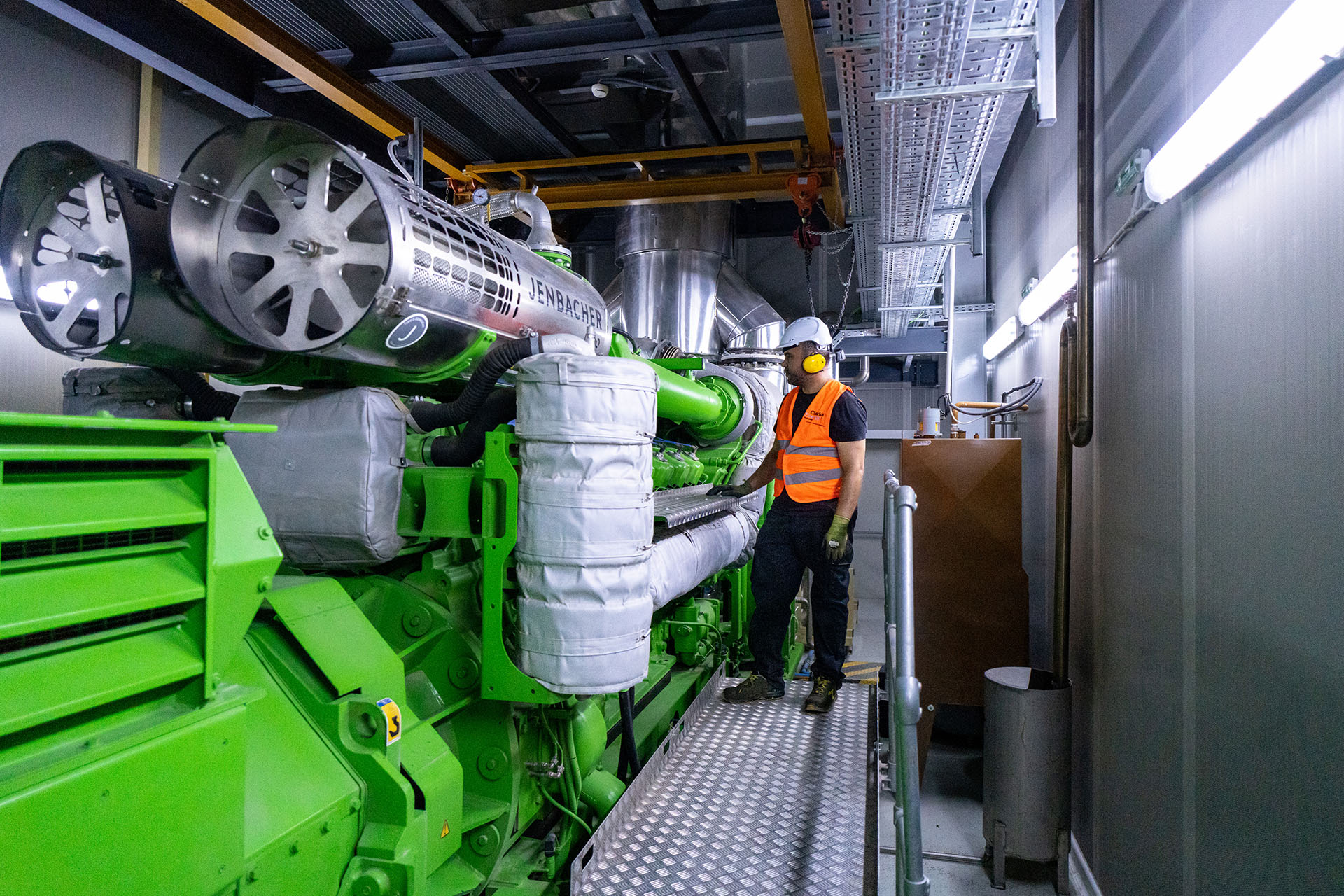
Clarke Energy delivers efficient, low-carbon energy systems designed for the demanding requirements of pulp and paper manufacturing. Our expertise in CHP and microgrid integration ensures reliable operation and high efficiency, supporting both production stability and environmental performance.
Our key advantages include:
• Comprehensive project delivery – from feasibility and design through to installation and commissioning.
• Industrial expertise – experience in pulp and paper sector including large-scale power and steam systems for continuous processing industries.
• Integration capability – combining CHP with microgrid controls and renewable gas utilisation.
• Future-ready technology – INNIO Jenbacher gas engines compatible with hydrogen and renewable fuels.
• Full lifecycle support – long-term maintenance, predictive monitoring, and service agreements to maximise uptime.
Frequently Asked Questions about Pulp and Paper Industry Energy Systems
Technical and Engineering
How does CHP improve efficiency in pulp and paper manufacturing?
CHP systems recover and reuse waste heat from power generation for thermal processes, improving efficiency and reducing fuel use.
Can pulp and paper facilities use renewable fuels in CHP systems?
Yes. Clarke Energy’s gas engines can operate on renewable fuels such as biogas or biomethane, supporting net-zero objectives.
What role do microgrids play in pulp and paper operations?
Microgrids optimise onsite generation, maintain energy stability during grid interruptions, and integrate renewables effectively.
Can CHP systems provide steam for paper drying?
Yes. Recovered heat from CHP engines can generate steam or hot water used in pulping, drying, and finishing stages.
Financial and Commercial
What cost savings can be achieved with CHP?
Efficiencies above 80% typically deliver major reductions in energy spend compared to purchasing grid power and producing heat separately.
Are funding options available for energy efficiency projects?
Yes. Many regions offer grants or financing incentives for CHP and low-carbon industrial technologies.
What is the payback period for CHP systems?
Typical payback periods range from five to eight years, depending on plant size, heat recovery, and energy tariffs.
Can onsite generation stabilise long-term costs?
Yes. Generating energy onsite reduces exposure to grid price volatility and provides predictable operational costs.
Environmental and Sustainability
How does CHP support decarbonisation in the paper industry?
CHP maximises energy efficiency, reduces emissions, and enables renewable fuel use to support long-term carbon reduction.
Can renewable gases replace natural gas in CHP plants?
Yes. CHP engines can operate on biomethane, biogas, or hydrogen blends without sacrificing performance.
How do microgrids improve sustainability?
By combining CHP with renewable energy, microgrids optimise energy use and minimise waste and emissions.
Does CHP contribute to circular resource use?
Yes. Heat recovery and renewable fuel integration support sustainable, closed-loop energy management.
Operational and Implementation
Can CHP systems operate during grid outages?
How does Clarke Energy ensure long-term reliability?
Through high-quality engineering, predictive maintenance, and continuous remote monitoring.
What is the typical lifespan of a CHP system?
With proper maintenance, CHP systems can operate reliably for 15–20 years.
Can CHP systems be retrofitted into existing paper mills?
Yes. Modular configurations enable easy integration into existing energy infrastructure with minimal disruption.
Looking for a Reliable, Efficient, and Low-Carbon Energy Solution?
Our experts can provide the insight and support you need to evaluate options and achieve the right energy solution for your business.