

Medical Equipment and Device Manufacturing
Reliable, efficient, and sustainable onsite power solutions for precision medical manufacturing facilities.
About the Medical Equipment Industry
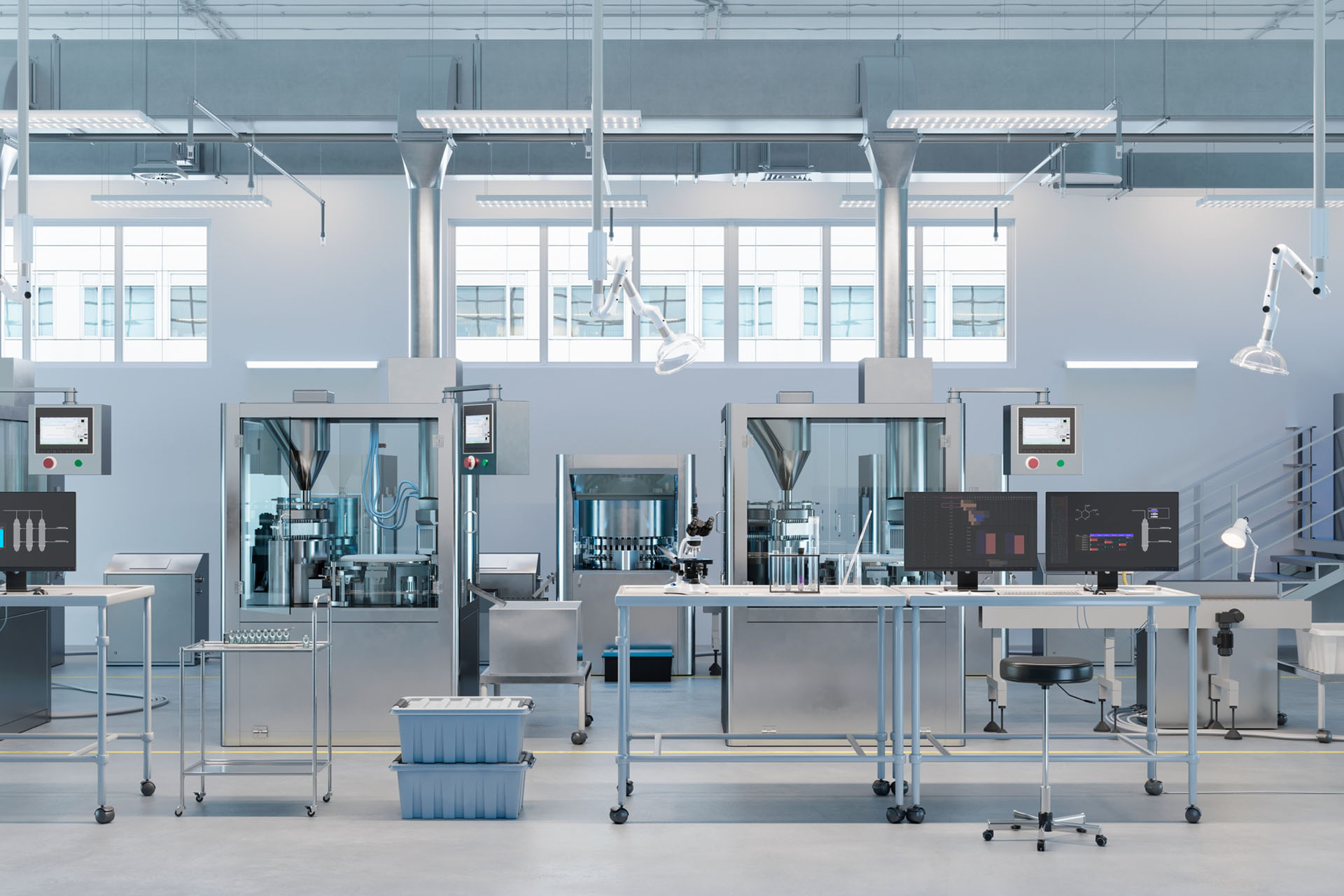
The medical equipment and device manufacturing industry demands the highest standards of reliability, cleanliness, and precision. Production processes often operate under controlled environments with strict temperature and air-quality requirements. Continuous power and thermal energy are vital to maintaining cleanrooms, quality assurance laboratories, and automated manufacturing systems.
Energy interruptions can disrupt production, damage sensitive equipment, and compromise compliance with regulatory standards. Manufacturers are therefore prioritising energy security, efficiency, and sustainability to ensure consistent operation while reducing environmental impact.
Combined heat and power (CHP) systems provide dependable onsite generation of electricity and heat, delivering high efficiency and reliability while reducing carbon emissions. When integrated within microgrid systems, CHP forms part of a flexible and intelligent energy network that ensures continuous power supply and supports long-term sustainability objectives.
Benefits of Flexible Energy Systems for the Medical Equipment Industry
• Delivers reliable onsite electricity and thermal energy for production processes.
• Maintains controlled environmental conditions in cleanrooms and laboratories.
• Reduces operational costs through improved energy efficiency.
• Provides resilience against grid instability and supply interruptions.
• Reduces carbon emissions and supports sustainability goals.
• Enables integration with microgrids for enhanced operational control.
• Ensures compliance with stringent manufacturing and quality standards.
Energy Resilience in Medical Manufacturing
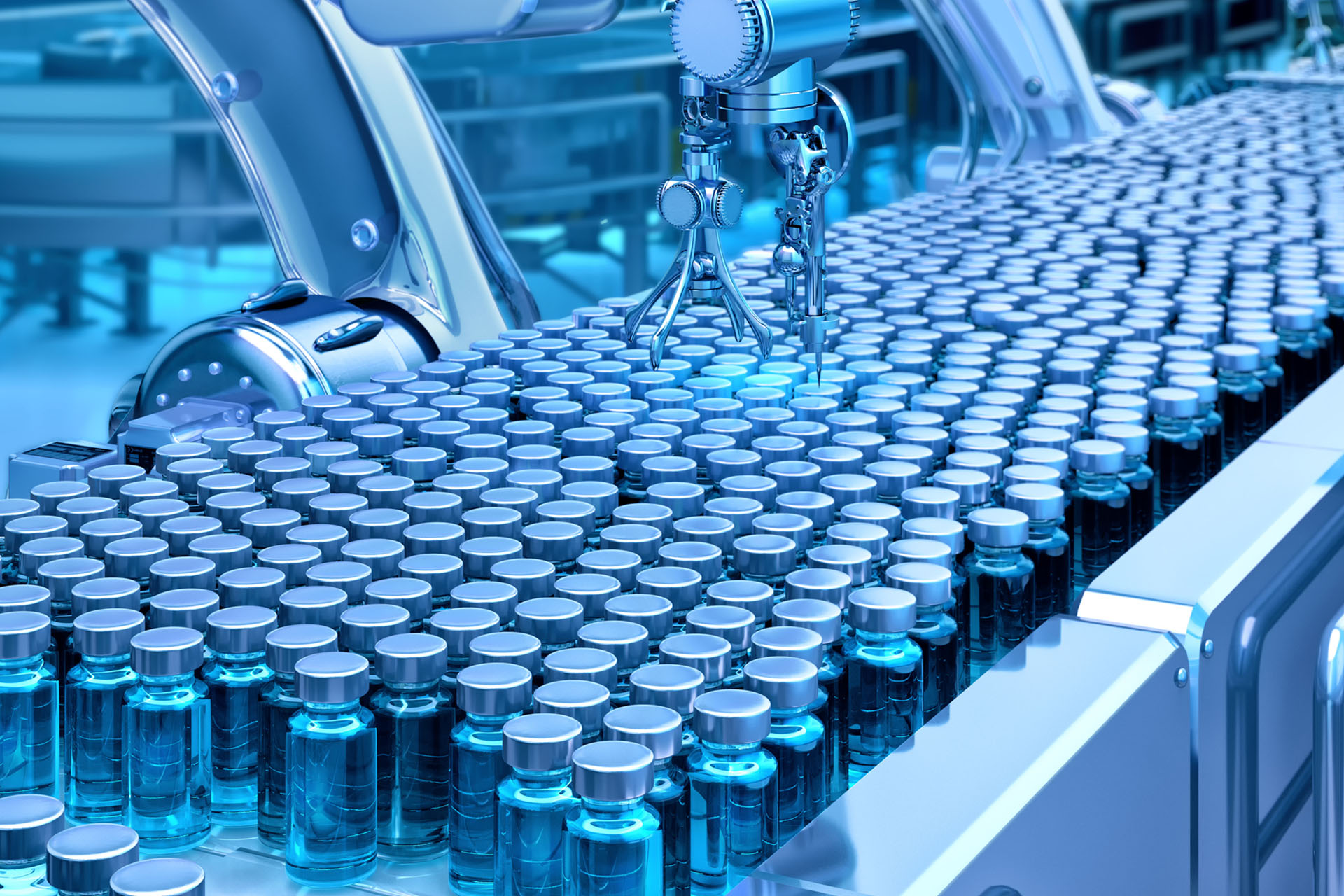
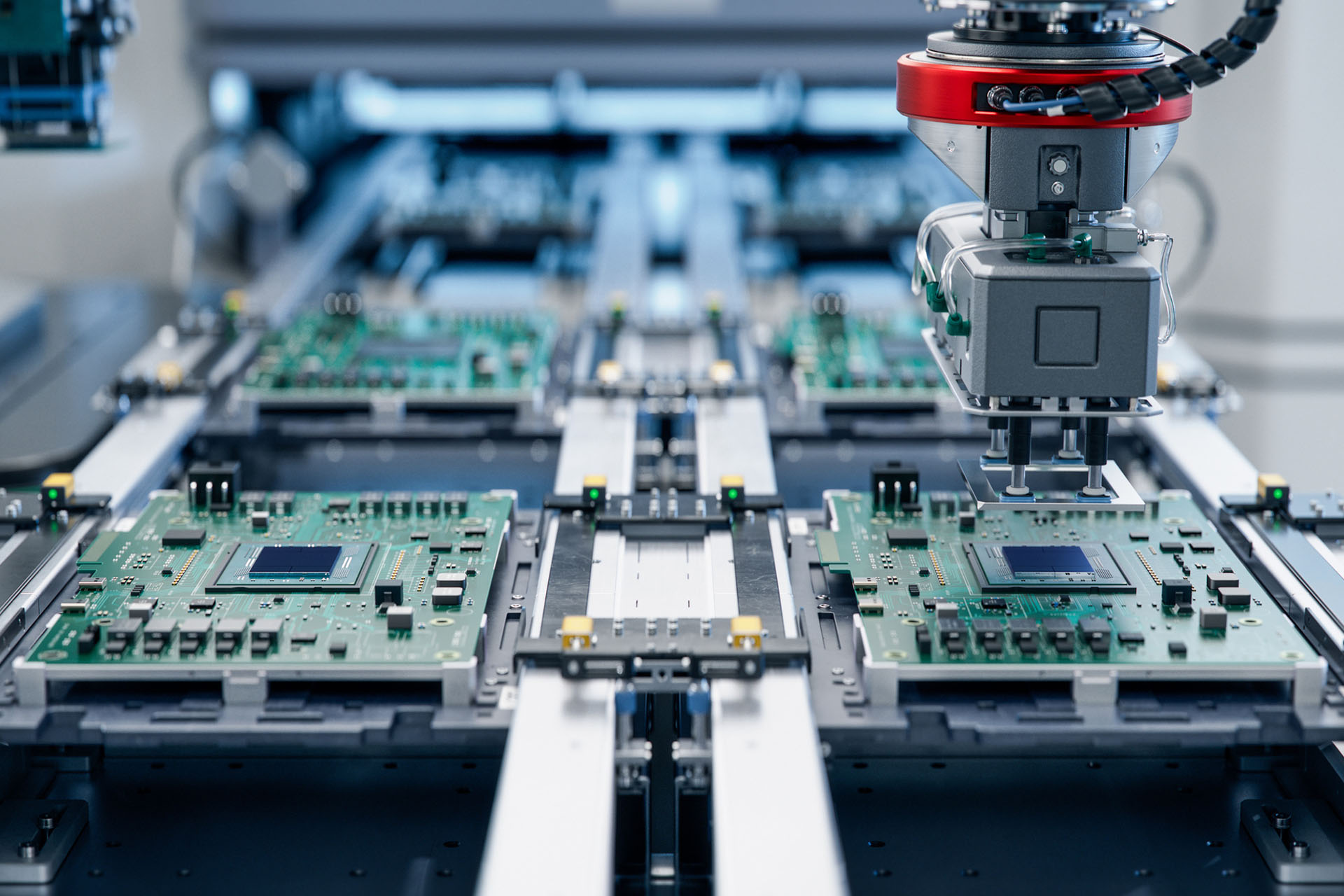
Energy resilience is critical for medical manufacturing facilities where continuous operation under stable conditions is essential for product quality and regulatory compliance. Even short interruptions to power or heating systems can impact sterile environments, disrupt precision processes, or cause costly downtime.
CHP systems deliver a secure and efficient onsite energy source that safeguards manufacturing operations from power fluctuations or outages. When integrated within a microgrid, CHP plants can operate independently (island mode) or dynamically balance energy flows between onsite generation, renewable inputs, and grid supply. This ensures uninterrupted operation, reduced energy costs, and greater control over energy strategy.
Discover More
Combined Heat and Power (CHP)
Microgrids and Hybrid Energy Systems
Combined Heat and Power (CHP)
CHP systems generate electricity and recover waste heat for use in process heating, sterilisation, and temperature control across precision manufacturing environments. For medical equipment producers, CHP delivers highly reliable power for cleanrooms, moulding, and assembly operations, where energy stability is essential for quality assurance and regulatory compliance. Achieving efficiencies of up to 90%, CHP systems reduce fuel use and emissions while supporting business continuity. Their dependable performance makes them ideal for facilities requiring constant production and controlled environments to meet stringent healthcare manufacturing standards.
Microgrids and Hybrid Energy Systems
Microgrids combine CHP with renewable energy and battery storage to create efficient, flexible onsite power systems. For medical equipment manufacturing, these hybrid configurations deliver resilience against grid interruptions while optimising energy performance. Intelligent controls balance onsite generation with demand, ensuring continuous operation of sensitive processes, laboratory testing, and climate-controlled production spaces. Microgrids also enable integration of renewable and low-carbon fuels, supporting long-term sustainability and cost efficiency. By improving reliability and operational control, they help medical manufacturers meet both environmental targets and the strict uptime demands of the healthcare supply chain.
Why Clarke Energy for Medical Equipment Projects?
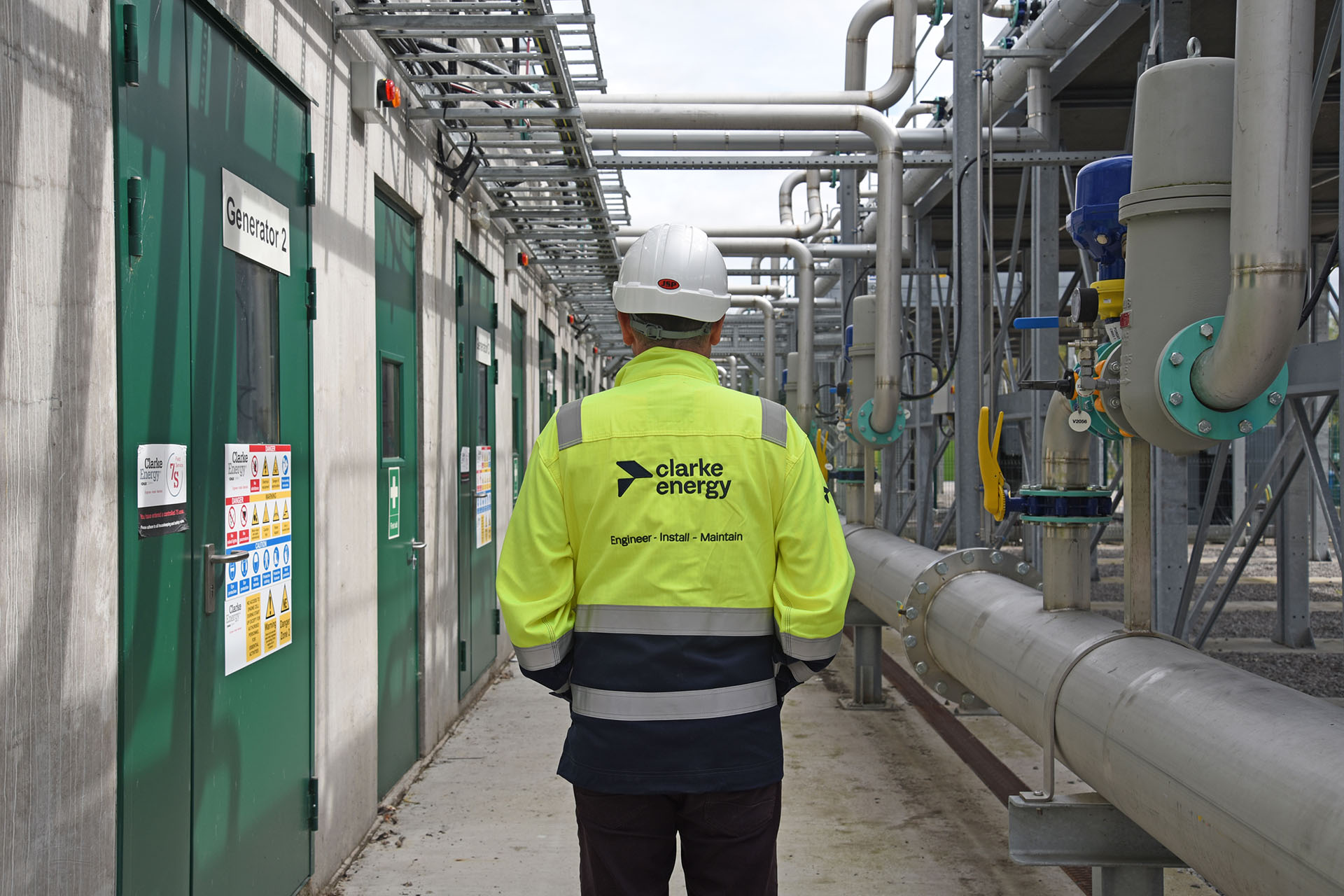
Clarke Energy provides advanced energy solutions designed for reliability, efficiency, and precision. Our CHP and microgrid systems are engineered to meet the unique needs of medical manufacturing environments, ensuring power quality, sustainability, and compliance.
Our key advantages include:
• Proven expertise in energy solutions for cleanroom and precision manufacturing environments.
• Turnkey delivery — from design and engineering through to commissioning and maintenance.
• Integration experience with microgrids and intelligent energy management systems.
• High-efficiency CHP technology with low emissions and hydrogen-ready options.
• Comprehensive long-term service agreements and 24/7 monitoring support.
Frequently Asked Questions about Medical Equipment and Device Manufacturing
Technical and Engineering
How does CHP support medical equipment manufacturing?
CHP systems deliver reliable power and heat, supporting stable cleanroom environments, sterilisation, and HVAC systems essential for regulated manufacturing operations.
Can CHP systems be integrated with existing facilities?
Yes. Modular CHP systems can be installed with minimal disruption and connected to existing heating, ventilation, and electrical infrastructure.
Can CHP operate in a microgrid environment?
Yes. CHP can operate within a microgrid alongside renewables and storage, ensuring continuous power during grid disturbances or outages.
Financial and Commercial
How can CHP reduce energy costs for manufacturers?
CHP improves efficiency by producing electricity and heat from a single fuel source, cutting energy bills and providing predictable long-term costs.
Are there financial incentives for installing CHP?
Yes. Many regions provide grants, tax incentives, or carbon reduction funding for high-efficiency, low-emission energy technologies.
What is the typical ROI for a CHP system?
Return on investment typically occurs within five to eight years, depending on operating hours, fuel type, and site energy demand.
Environmental and Sustainability
How does CHP help manufacturers meet environmental goals?
CHP reduces greenhouse gas emissions through higher fuel efficiency and lower waste heat losses, supporting corporate net-zero strategies.
Can CHP systems be hydrogen-ready?
Yes. Clarke Energy’s CHP systems can be configured to operate on natural gas, hydrogen blends, or renewable gases to support future decarbonisation pathways.
How does integrating a microgrid improve sustainability?
Microgrids allow the combination of renewable generation and CHP to maximise efficiency and reduce carbon intensity across production operations.
Operational and Implementation
Can CHP operate during power outages?
Yes. CHP systems configured for island mode operation can continue supplying power independently during grid failures, protecting critical operations.
What maintenance support does Clarke Energy provide?
Clarke Energy offers long-term service agreements, predictive maintenance, and 24/7 monitoring to ensure reliability and uptime.
Can CHP systems be scaled for future expansion?
Yes. CHP installations are modular and scalable, allowing capacity to grow alongside facility expansion or process changes.
Looking for a Reliable, Efficient, and Low-Carbon Energy Solution?
Our experts can provide the insight and support you need to evaluate options and achieve the right energy solution for your business.