

Distilleries
Reliable, low-carbon energy solutions turning production waste into renewable power and heat for sustainable distilling.
About the Distilling Industry
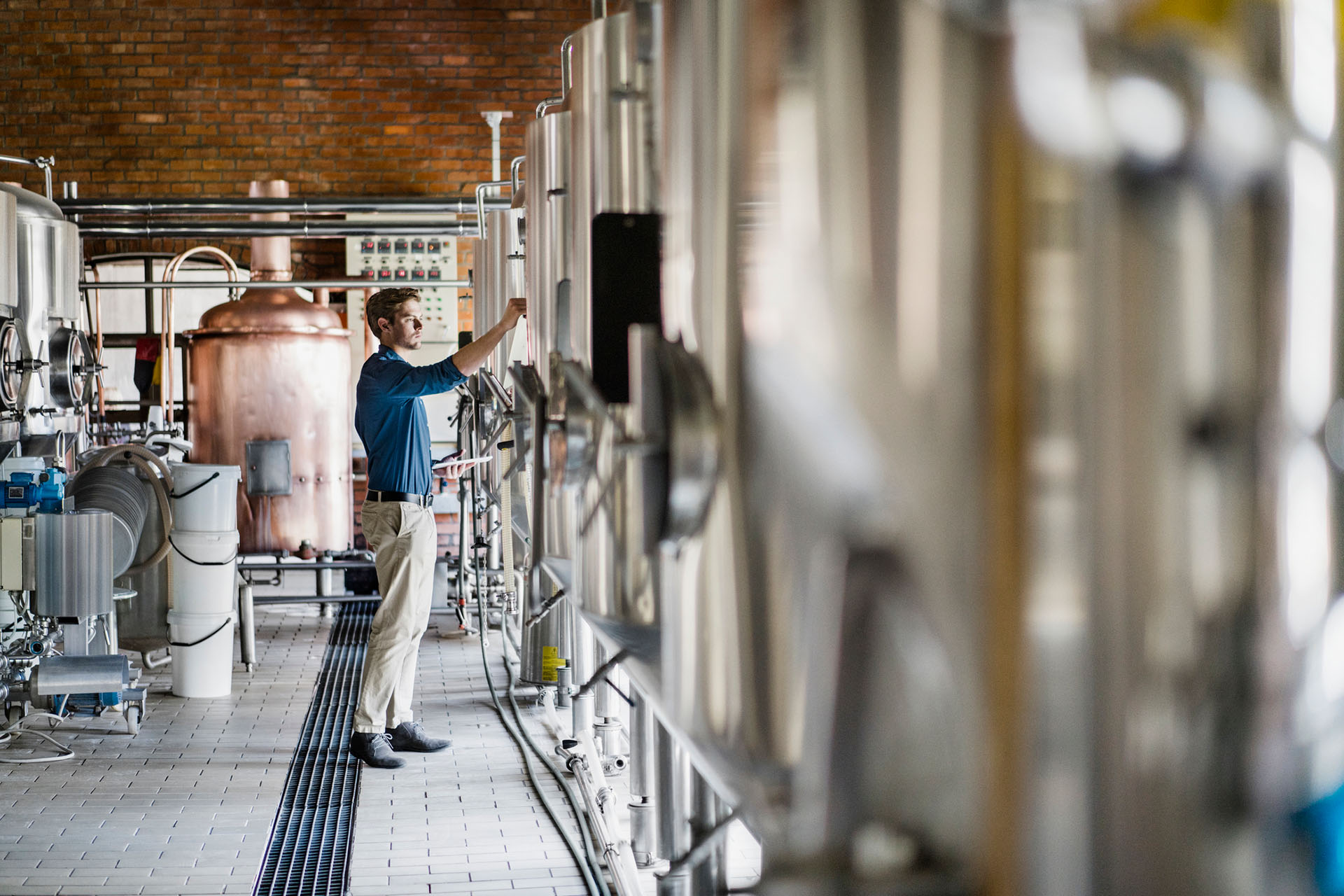
Distilleries are energy-intensive facilities that rely heavily on heat and electricity for fermentation, distillation, evaporation, and packaging. The process generates high-strength wastewater and organic by-products that, without treatment, contribute to greenhouse gas emissions and environmental impact.
In modern distilling, sustainability and carbon reduction have become strategic priorities. Rising energy prices, tightening emissions regulations, and corporate net-zero commitments are driving investment in efficient onsite energy solutions.
Combined Heat and Power (CHP) enables distilleries to generate electricity and useful heat simultaneously from a single fuel source, maximising efficiency and reducing energy costs. When fuelled by renewable biogas produced from waste streams, CHP supports both decarbonisation and circular economy principles.
Complementary technologies such as trigeneration (CCHP), flexible generation, CO₂ capture, and microgrid integration further enhance energy resilience and sustainability across production sites.
Benefits of Flexible Energy Systems for Distilleries
• Converts distillery by-products into renewable energy.
• Reduces operational costs and carbon emissions.
• Improves energy efficiency with onsite generation.
• Enables flexible power export or grid support.
• Supports CO₂ recovery and reuse within production.
• Integrates with hybrid or microgrid systems for resilience.
• Contributes to sustainability and circular economy goals.
Energy Resilience in the Distilling Industry
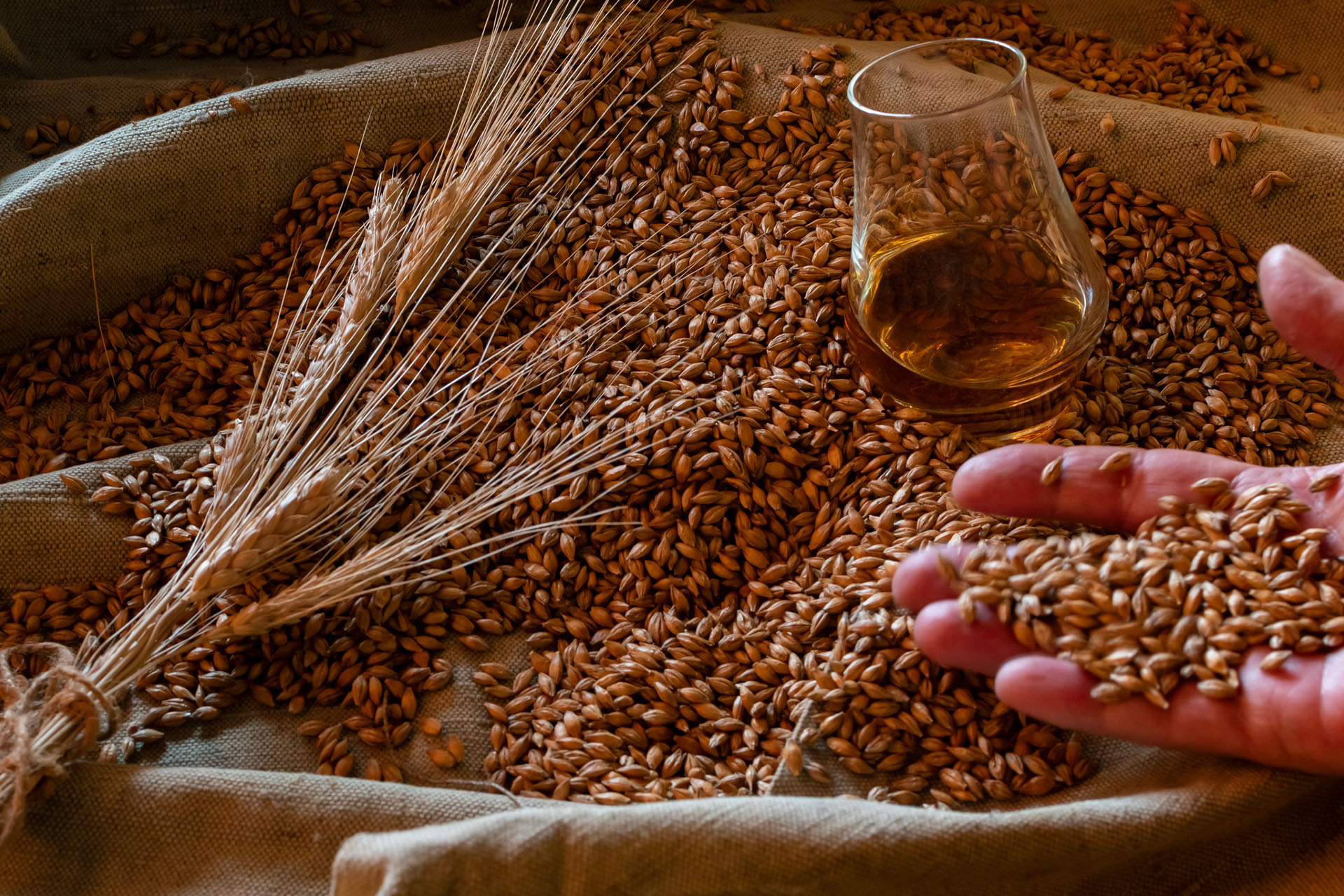
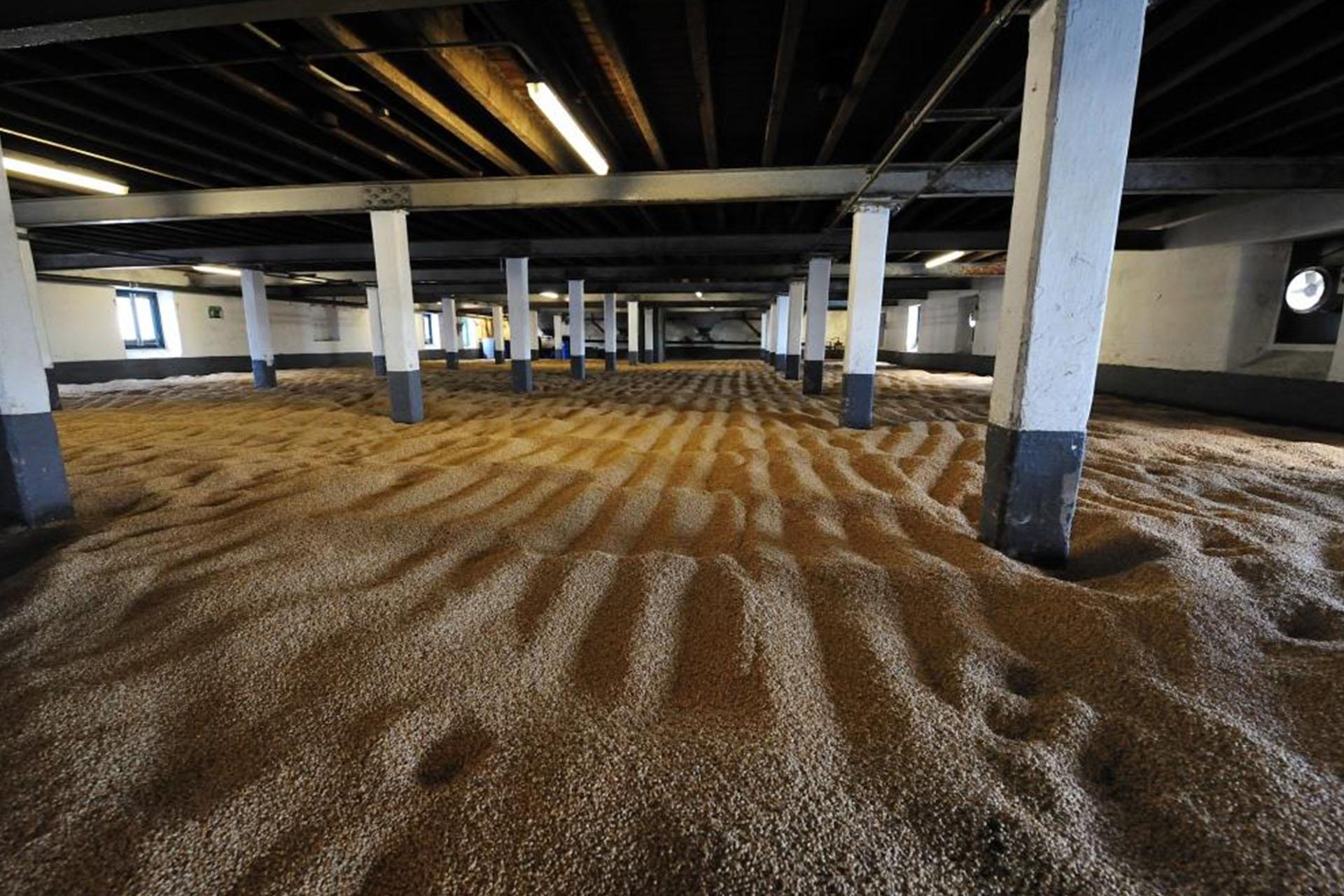
Distilleries rely on stable energy for heating, distillation, and fermentation — any disruption can impact product quality and operational safety. Energy resilience plays a vital role in ensuring continuous operation, particularly during grid instability or high energy demand periods.
CHP and CCHP systems enable distilleries to generate reliable onsite power and heat, maintaining consistent process conditions even when the external grid is compromised. These systems can operate in island mode or adjust to fluctuating demand, ensuring that distillation, fermentation, and packaging lines remain fully operational while supporting long-term sustainability goals.
Discover More
Combined Heat and Power (CHP)
Trigeneration (CCHP)
Biogas Production and Utilisation
CO₂ Capture and Reuse
Combined Heat and Power (CHP)
CHP systems generate onsite electricity and recover heat for distillation and process water. Overall system efficiencies can reach up to 90% when both outputs are fully utilised. Heat recovery supports mashing, evaporation, and drying while lowering fuel consumption and emissions.
Trigeneration (CCHP)
In trigeneration mode, waste heat from CHP engines powers absorption chillers, producing cooling for fermentation or product storage. This integrated approach helps distilleries balance heating and cooling loads efficiently throughout the year.
Biogas Production and Utilisation
Distillery effluent and by-products can be processed through anaerobic digestion to produce biogas — a renewable fuel for CHP systems. Typical biogas composition is 55–70% methane, providing a clean and sustainable energy source derived directly from the production cycle.
CO₂ Capture and Reuse
Exhaust gases from CHP systems can be treated for CO₂ recovery, allowing captured carbon to be reused for beverage carbonation or other industrial applications. This reduces waste and supports circular carbon use within the distillery.
Microgrids and Hybrid Energy
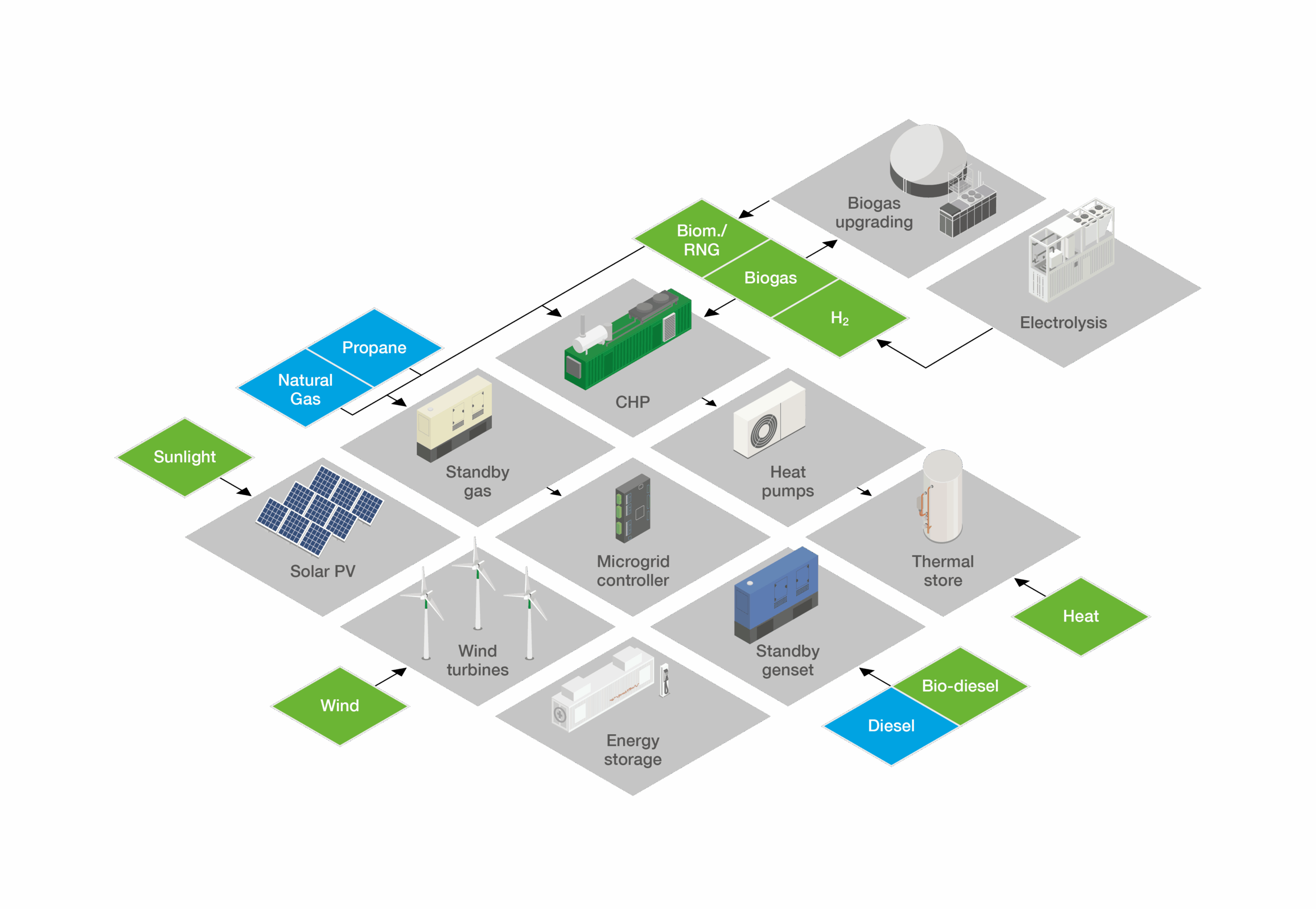
CHP plants can be integrated into microgrid configurations alongside solar PV and battery storage systems. This hybrid setup enhances energy independence and provides resilience against grid outages or energy price fluctuations.
Why Clarke Energy for Distillery Energy Projects?
Clarke Energy designs, installs, and maintains reliable energy systems for distilleries worldwide. Our solutions maximise efficiency, reduce emissions, and recover value from production waste streams through biogas-fuelled power generation.
Our key advantages include:
• End-to-end project capability – design, engineering, installation, and service.
• Extensive experience with CHP and hybrid energy systems for distilleries.
• Expertise in gas cleaning, CO₂ recovery, and flexible generation systems.
• Hydrogen-ready and biogas-compatible engine platforms.
• Long-term maintenance contracts and 24/7 monitoring for reliability.
Frequently Asked Questions about About Distilleries
Technical and Engineering
How does CHP work in a distillery?
CHP systems convert biogas or natural gas into electricity and heat, which can be used for distillation, mashing, and other process loads, improving efficiency and reducing costs.
Can distilleries operate hybrid or microgrid systems?
Yes. CHP can form part of integrated microgrids that include renewables and storage, offering secure, flexible energy supply.
Can CO₂ be recovered from CHP systems?
Yes. Exhaust gases can be processed to capture CO₂ for reuse within the beverage production process, helping reduce overall emissions.
Financial and Commercial
How do CHP systems reduce energy costs?
By generating power and heat onsite, distilleries reduce dependence on grid electricity and fossil fuels, improving long-term cost stability.
Are incentives available for renewable energy projects?
Many regions offer grants, tax relief, or feed-in tariffs for renewable and efficiency projects that reduce carbon emissions.
What is the typical return on investment for CHP in distilleries?
Payback periods typically range from five to eight years, depending on plant size, energy usage, and tariff conditions.
Environmental and Sustainability
How does CHP support sustainability in distilling?
CHP enables efficient use of renewable fuels and heat recovery while reducing methane emissions and supporting net-zero objectives.
Can biogas engines use hydrogen blends?
Yes. Modern CHP systems can operate on biogas, natural gas, or hydrogen-enriched fuel, providing long-term flexibility and lower emissions.
What environmental benefits come from CO₂ recovery?
Capturing CO₂ from CHP exhaust prevents it from entering the atmosphere and allows it to be reused in production, supporting circular carbon practices.
Operational and Implementation
Can CHP be retrofitted into existing distilleries?
Yes. Modular CHP systems can be installed in existing facilities with minimal disruption and rapid commissioning.
What maintenance support is available for CHP systems?
Clarke Energy provides long-term maintenance agreements, predictive monitoring, and responsive service to ensure uptime and system efficiency.
Can CHP systems operate alongside other renewable technologies?
Yes. CHP integrates seamlessly with solar PV and battery storage, enabling a balanced and resilient hybrid energy system.
Looking for a Reliable, Efficient, and Low-Carbon Energy Solution?
Our experts can provide the insight and support you need to evaluate options and achieve the right energy solution for your business.