

Hospitals
Reliable onsite energy delivering critical power, heat, and cooling — saving on energy for better patient care.

About the Healthcare Industry
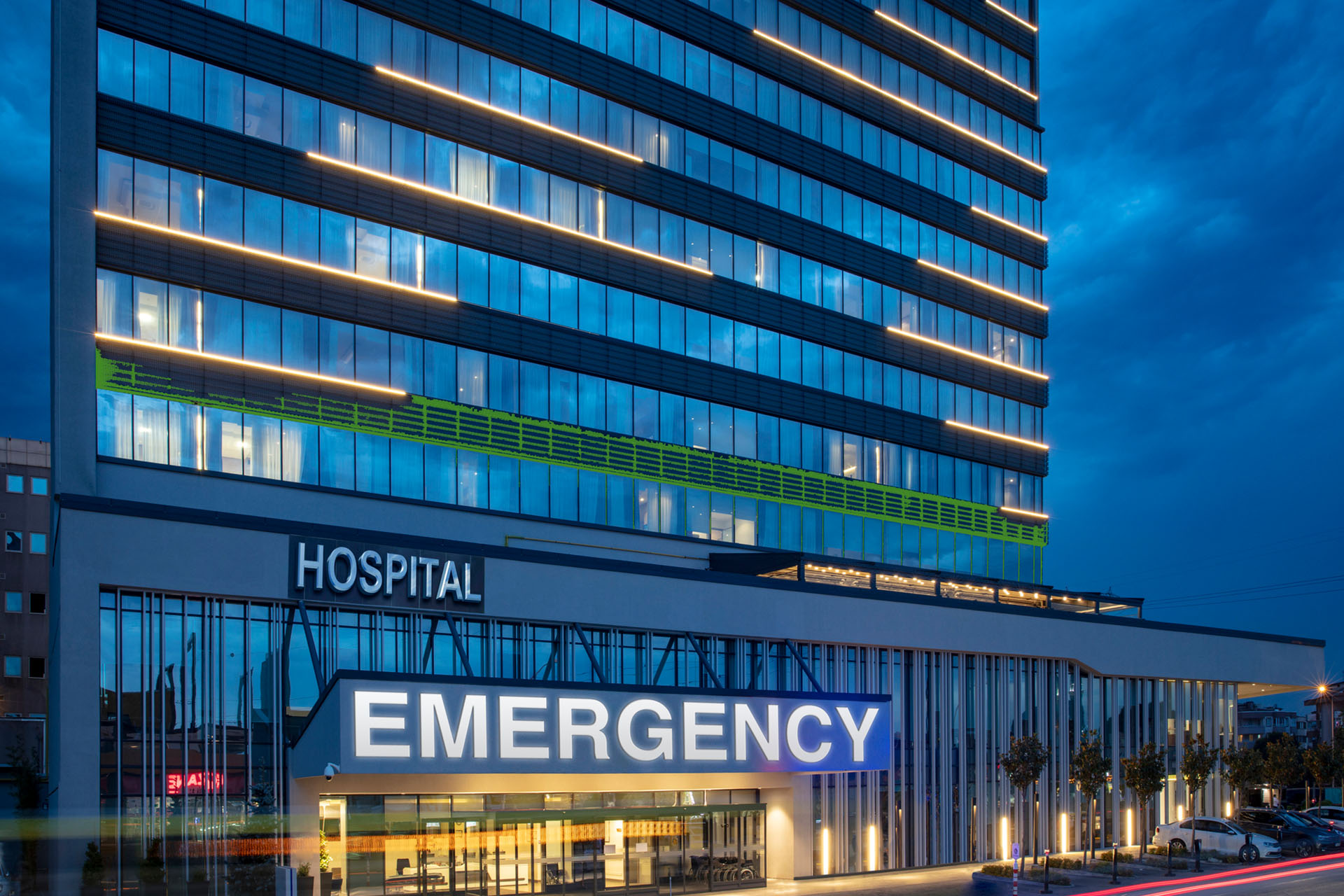
Hospitals and healthcare facilities operate around the clock, demanding uninterrupted power and heat for critical services such as patient care, operating theatres, ventilation, sterilisation, and climate control. These facilities also require cooling for medical equipment, laboratories, and temperature-sensitive areas.
Given their continuous operation, hospitals have some of the highest energy demands of any building type. Energy reliability, efficiency, and sustainability are essential — not only for patient safety but also for cost management and environmental compliance.
Combined heat and power (CHP) systems are a proven solution for hospitals, providing onsite electricity and heat from a single, efficient process. When configured as trigeneration (CCHP) systems, they can also produce cooling energy, offering a complete, reliable energy solution for modern healthcare facilities.
CHP delivers significant cost savings, reduces reliance on the grid, and provides resilient power during outages — ensuring continuous, efficient operation of vital hospital systems.
Historically the grid has been viewed by hospital operators as the reliable source of electricity. Now in many regions, the power network is strained with lack of capacity and increasing levels of energy variability. Self-generation and onsite power may prove to be the most reliable source of energy for hospitals and critical infrastructure.
Benefits of Flexible Energy Systems for Hospitals
• Delivers continuous, reliable power for critical operations.
• Reduces operational energy costs and carbon emissions.
• Provides heat and cooling through CHP and CCHP integration.
• Enhances resilience during grid interruptions.
• Improves overall energy efficiency and sustainability.
• Supports long-term cost stability and compliance with environmental targets.
Energy Resilience in Healthcare
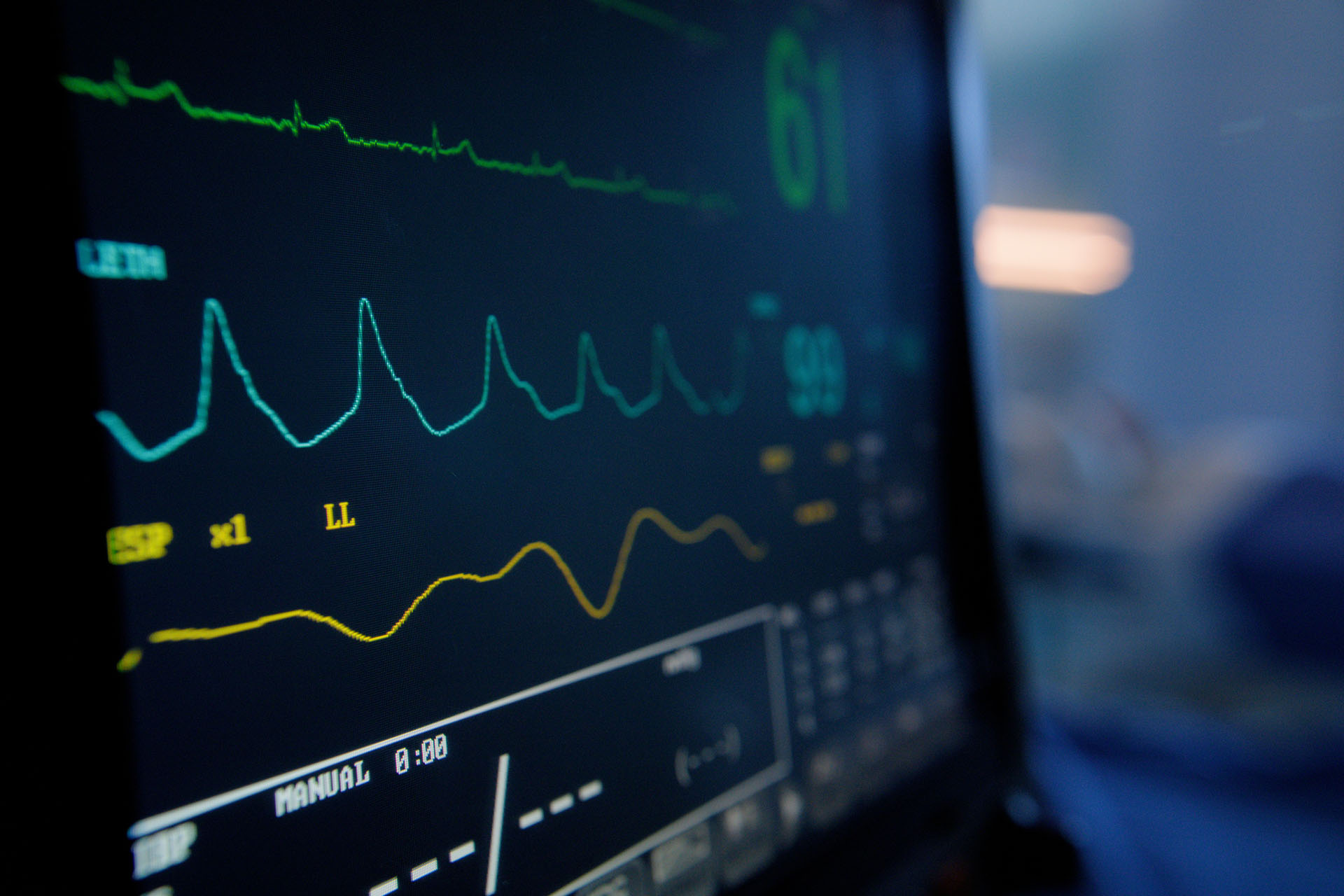
Hospitals require guaranteed power and heat supply at all times. Any interruption can negatively impact patient safety, critical care equipment, and essential systems such as lighting, ventilation, and sterilisation. Energy resilience therefore plays a vital role in healthcare infrastructure, ensuring continuous operation during power grid failures or emergencies.
CHP systems provide hospitals with a dependable, onsite energy source that supports resilience and continuity of care. When combined with trigeneration, they supply integrated heating and cooling to maintain controlled conditions for theatres, wards, and laboratories. CHP plants can also operate in island mode, maintaining critical services during grid outages and enhancing the hospital’s ability to deliver safe, uninterrupted care.
Discover More
Combined Heat and Power (CHP)
Trigeneration (CCHP)
Combined Heat and Power (CHP)
CHP systems generate electricity and recover waste heat from engine exhaust and cooling systems. This recovered heat can be used for space heating, sterilisation, hot water, and laundry services within hospital facilities. By generating energy onsite, hospitals reduce transmission losses and avoid dependency on external grid supply, improving both efficiency and energy security. Overall system efficiencies can reach up to 90% when both power and heat are fully utilised.
Trigeneration (CCHP)
Trigeneration extends CHP capability by using recovered heat to drive absorption chillers, producing cooling for medical equipment, operating theatres, and controlled environments. This process enables hospitals to manage heating and cooling demand simultaneously from a single fuel source, reducing electricity use from chillers and supporting year-round energy efficiency.
Why Clarke Energy for Hospital Energy Projects?
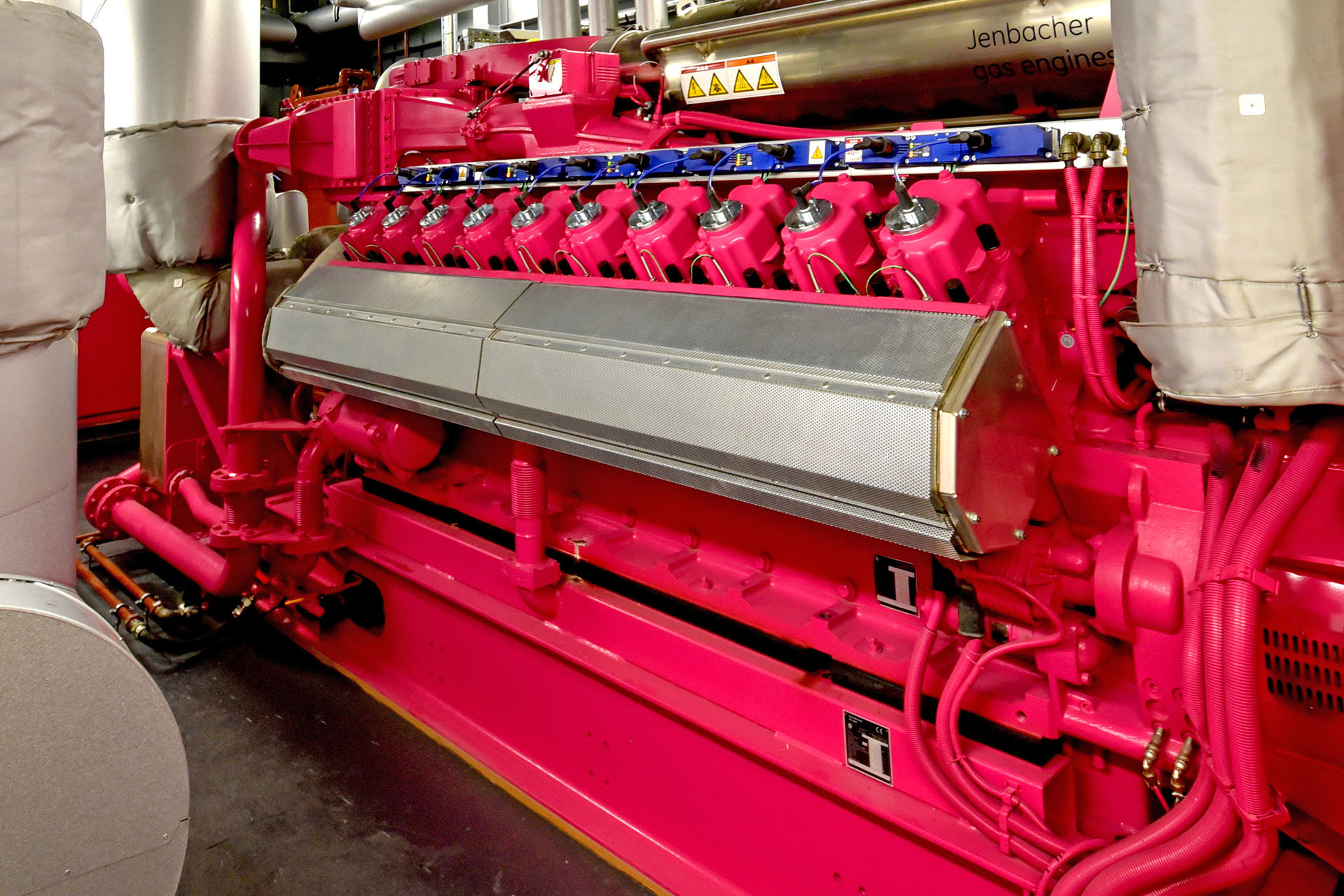
Clarke Energy has extensive experience designing and delivering complex energy solutions for hospitals and healthcare facilities worldwide. Our systems provide the reliability and performance required for critical operations while reducing emissions and energy costs.
Our key advantages include:
• End-to-end project delivery – from design and engineering to installation and commissioning.
• Proven CHP and CCHP systems engineered for healthcare applications.
• Robust and efficient technology with rapid start-up and stable operation.
• Compliance with stringent healthcare energy and emissions standards.
• Long-term service agreements and 24/7 monitoring for reliability.
Frequently Asked Questions about Hospitals
Technical and Engineering
How does CHP support hospital operations?
CHP systems provide onsite generation of power and heat, ensuring a reliable supply for lighting, heating, sterilisation, and ventilation systems.
Can CHP systems also provide cooling?
Yes. When configured for trigeneration (CCHP), CHP plants can deliver cooling for medical equipment, laboratories, and operating theatres.
What efficiency can hospitals expect from CHP?
Overall system efficiencies can reach 85–90% when both electrical and thermal energy are fully utilised.
Financial and Commercial
How can CHP reduce hospital energy costs?
By producing power and heat onsite, CHP reduces reliance on grid electricity and improves cost predictability through higher overall efficiency.
Are there financial incentives for CHP projects in healthcare?
Many regions offer grants, low-interest loans, or carbon reduction funding for energy-efficient technologies such as CHP.
What is the expected payback period for CHP installations?
Typical payback periods range from five to eight years depending on system size, operating hours, and energy tariffs.
Environmental and Sustainability
How does CHP support hospital sustainability goals?
CHP reduces carbon emissions through higher efficiency and by displacing less-efficient grid or boiler-based systems.
Can hospitals use renewable gases with CHP?
Yes. Clarke Energy’s CHP systems can operate on renewable gases such as biogas or biomethane, supporting long-term decarbonisation strategies.
What environmental benefits does CCHP provide?
Trigeneration reduces electricity consumption from conventional chillers and optimises the use of recovered heat, lowering total carbon output.
Operational and Implementation
Can CHP be integrated into existing hospital infrastructure?
Yes. Modular CHP systems can be installed and connected to existing heating and cooling networks with minimal disruption.
How does Clarke Energy ensure reliability in healthcare facilities?
Through robust engineering, redundancy design, and long-term service contracts that guarantee continuous performance and uptime.
What maintenance support is available?
Clarke Energy provides scheduled maintenance, predictive monitoring, and 24/7 response capability to ensure system reliability.
Looking for a Reliable, Efficient, and Low-Carbon Energy Solution?
Our experts can provide the insight and support you need to evaluate options and achieve the right energy solution for your business.