


Renewable Energy Enablement
Technologies that allow more wind and solar on the grid without compromising reliability.
Overview
Wind and solar power are essential to the energy transition, but their intermittent nature can create challenges for grid stability. Clarke Energy delivers enabling technologies that make it possible to integrate higher shares of renewable energy without risking supply security.
Through battery energy storage systems (BESS), hydrogen- and biomethane-ready gas peaking plants, and hybrid microgrids, we help network operators, utilities, and large energy users maximise renewable deployment while maintaining resilience, flexibility, and efficiency.
Battery Energy Storage Systems (BESS)
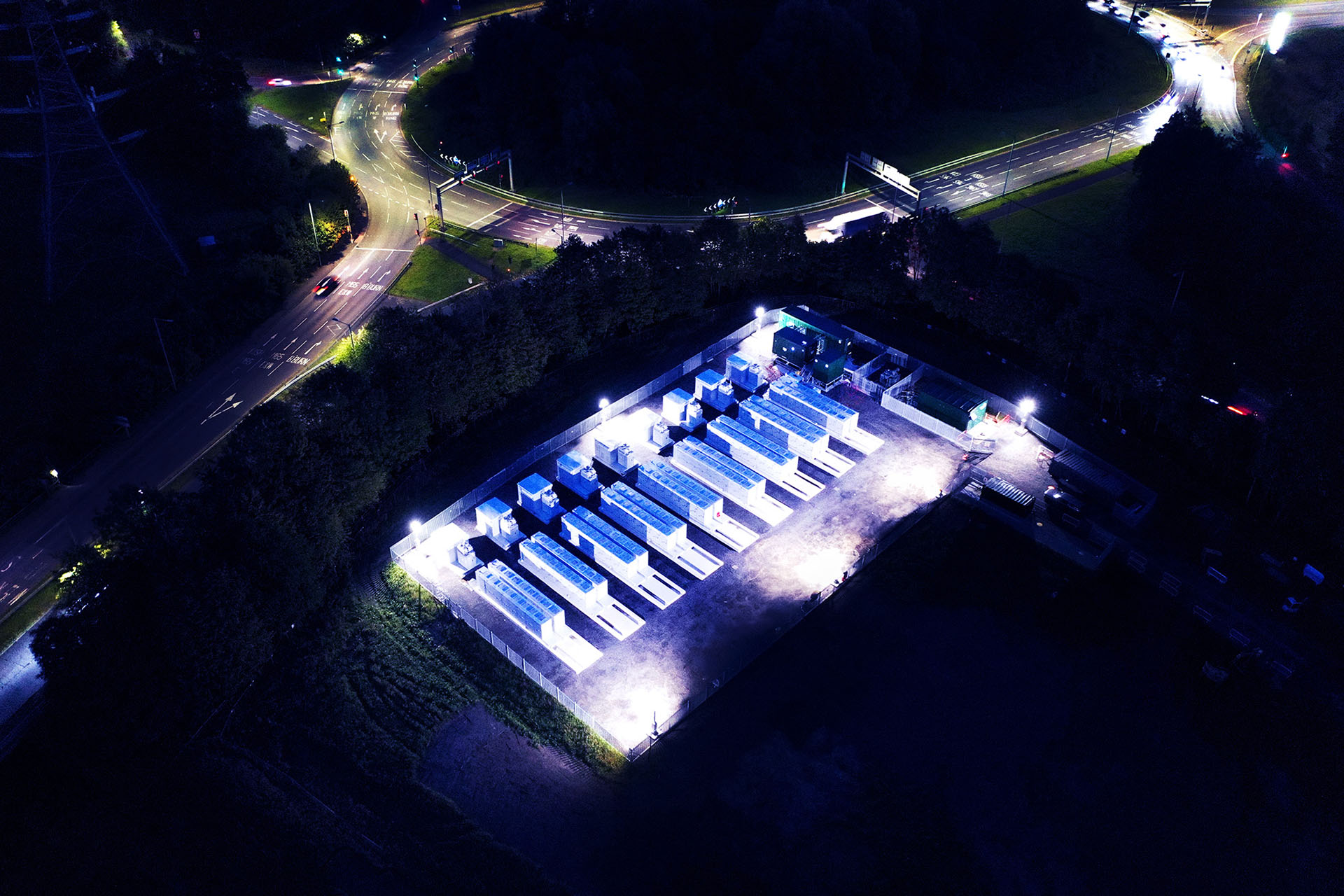
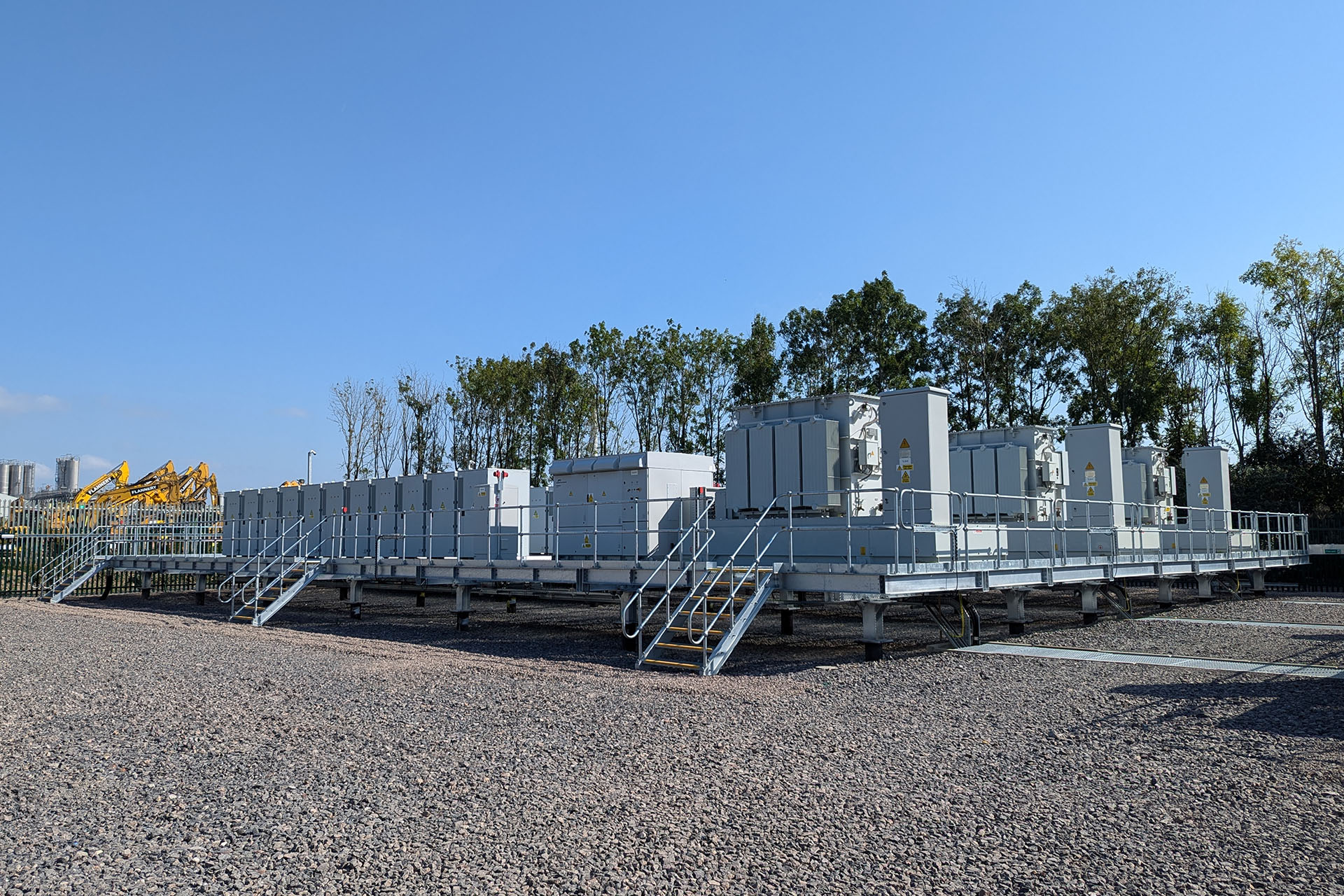
Clarke Energy’s BESS installations capture surplus renewable electricity and release it during low generation or peak demand periods.
• Grid benefits: Smooth renewable fluctuations, provide frequency regulation, reduce curtailment.
• Commercial benefits: Enable participation in capacity markets and energy arbitrage.
• Scalability: From behind-the-meter installations to multi MW grid-scale storage.
• Delivery: Full EPC capability including controls integration, grid connection, and optimisation software.

Alignment with the UN Sustainable Development Goals (SDGs)
Clarke Energy’s renewable gas production projects contribute to:
• SDG 7 – Affordable and Clean Energy: Expanding access to clean, renewable fuels
• SDG 9 – Industry, Innovation and Infrastructure: Building sustainable fuel production infrastructure
• SDG 12 – Responsible Consumption and Production: Using waste and renewable resources efficiently
• SDG 13 – Climate Action: Reducing emissions in energy, heat, and transport sectors
Renewable-Ready Gas Peaking Plants
Microgrids and Hybrid Energy Systems
Grid Services & Flexibility Markets
Renewable-Ready Gas Peaking Plants
When renewable generation dips and storage is depleted, fast ramping peaking plants generate electricity to maintain grid stability.
• Fuel flexibility: Operate on natural gas, renewable natural gas (RNG/biomethane), or hydrogen blends up to 100% hydrogen.
• Performance: Rapid dispatch for capacity and frequency support.
• Applications: Firming renewable output, replacing ageing fossil peakers with low carbon alternatives.
Clarke Energy’s gas engine solutions deliver reliable, flexible capacity while meeting long-term decarbonisation objectives.
Microgrids and Hybrid Energy Systems
Our microgrid solutions combine renewable generation, BESS, and dispatchable power to create self‑balancing energy systems.
• Hybrid operation: Seamlessly switch between grid‑connected and island mode.
• Energy independence: Maintain power during grid outages.
• Renewable maximisation: Prioritise solar and wind use before dispatching stored or thermal generation.
These systems can also deliver grid services, reduce demand charges, and support energy‑intensive industries in meeting carbon reduction targets.
Grid Services & Flexibility Markets
High renewable penetration requires not just storage and backup, but flexibility services that stabilise the grid in real time. Clarke Energy’s hybrid energy solutions provide:
• Frequency regulation – Rapid response to stabilise grid frequency when renewable output changes suddenly.
• Voltage support – Maintaining power quality in networks with high renewable penetration.
• Spinning reserve – Fast-acting capacity available on demand to avoid blackouts.
• Demand response participation – Shifting or reducing load to balance grid supply and demand.
Our BESS, hydrogen- and RNG-ready gas engines, and advanced microgrid controls can all be configured to participate in these services, generating additional revenue while supporting a reliable, decarbonised electricity network.
Frequently Asked Questions about Renewable Energy Enablement
What is renewable energy enablement?
The use of storage, flexible generation, and microgrids to allow higher levels of renewable energy to be integrated reliably into the grid.
Why is storage important for renewables?
It stores surplus energy during high generation and releases it when solar or wind output drops, reducing curtailment and improving grid stability.
How does Clarke Energy support renewable integration?
With BESS, hydrogen- and biomethane-ready peaking plants, and hybrid microgrids that balance variable generation.
Can your peaking plants run on zero-carbon fuels?
Yes, our engines are hydrogen-ready and can also operate on renewable natural gas.
What role do microgrids play in renewable enablement?
They integrate renewables, storage, and dispatchable power to maintain reliability both on- and off-grid.
Power Your Sustainability Journey with Renewable Energy Enablement
Clarke Energy can help you assess how enabling technologies support renewable integration and ESG outcomes.