

Remote Power Generation
Delivering reliable, independent power for off-grid operations and remote industrial sites worldwide.
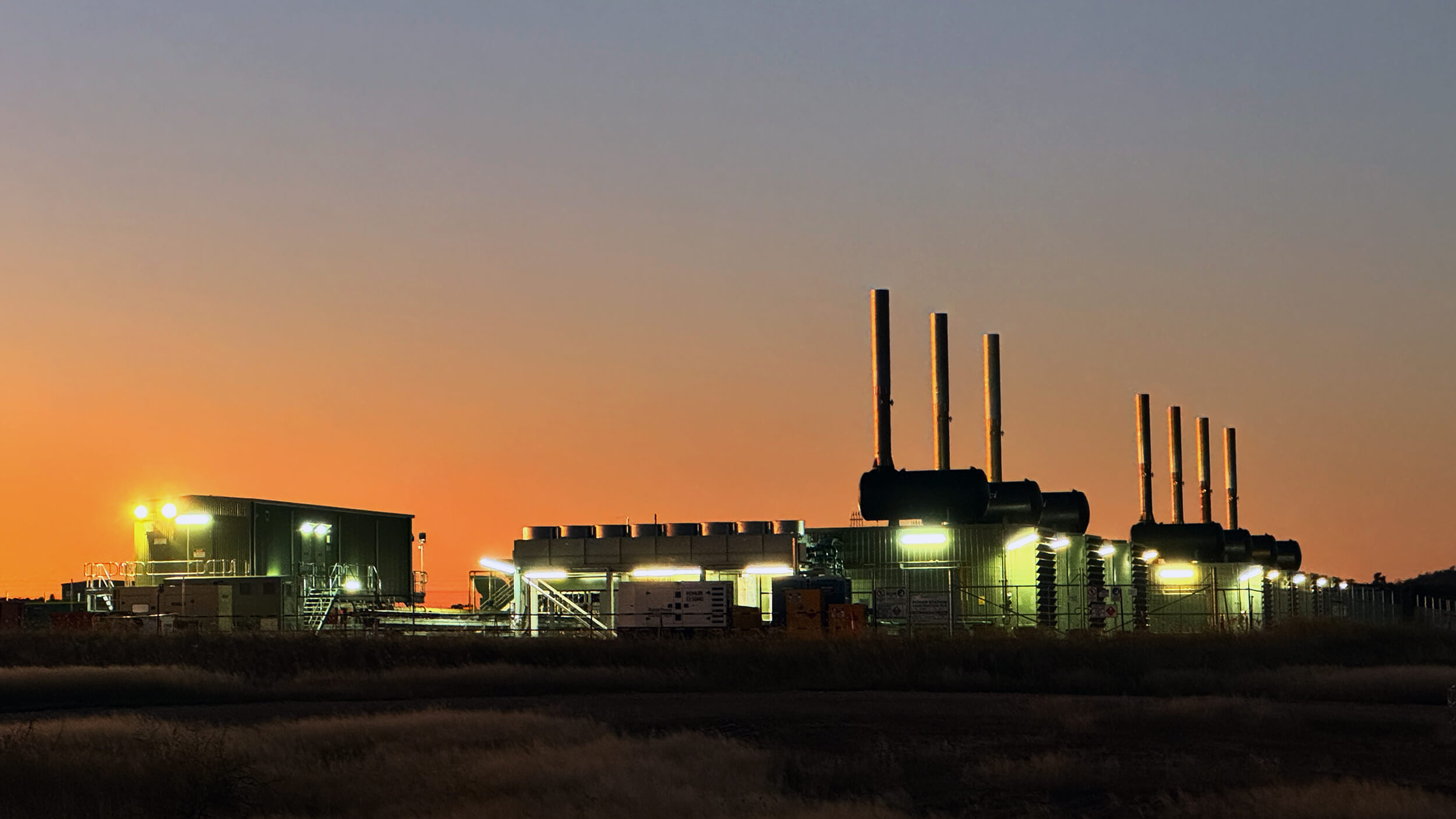
About Remote Power Generation
Independent power generation plants provide dependable energy supply where access to a centralised grid is limited, unreliable or non-existent. These autonomous power plants are critical for industries operating in isolated environments, such as mining, oil and gas, telecommunications, and remote communities.
Clarke Energy’s gas engine-based solutions offer efficient, dispatchable power in locations where logistics, fuel availability and environmental conditions present unique challenges. Systems can be configured as stand-alone installations or integrated with renewable sources to form hybrid microgrids, ensuring continuous operation even in extreme conditions.
Benefits of Remote Power Generation
Locally generated electricity enables energy independence, helping operators maintain production without the risk of grid outages or transmission limitations. They are designed for high reliability, rapid installation, and straightforward maintenance which are essential attributes for remote environments.
By using natural gas, associated gas or renewable biogas, these systems can significantly reduce diesel consumption and greenhouse gas emissions. Where renewable integration is viable, solar and wind inputs can further lower lifecycle costs and enhance sustainability performance.
Discover More
System Design and Configuration
Fuel Flexibility and Efficiency
Applications and Deployment
System Design and Configuration
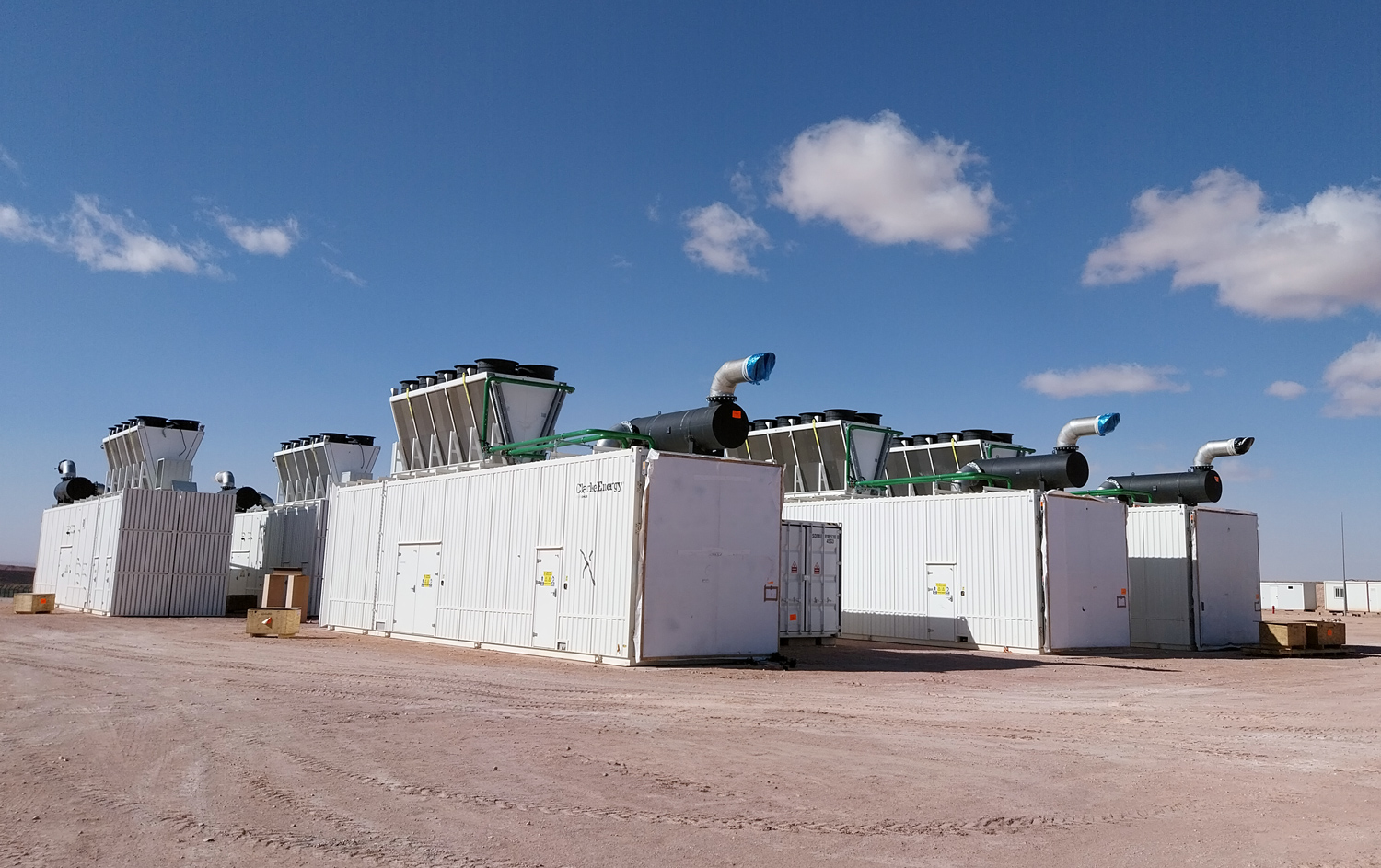
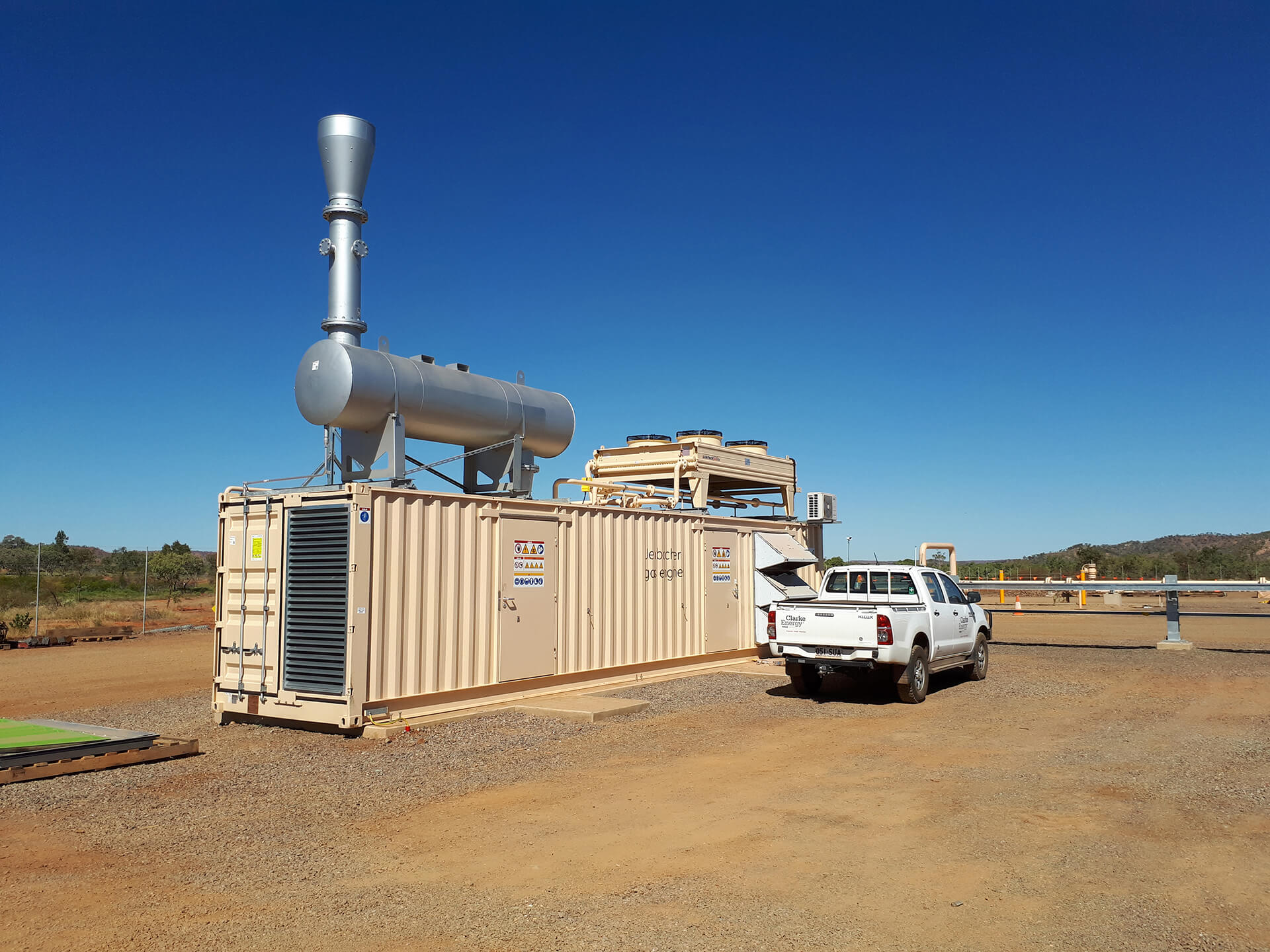
Remote power plants are typically modular, using containerised gas engines that can be rapidly deployed and scaled to meet evolving site demand. Each module includes integrated cooling, controls and electrical systems, allowing flexible configuration for isolated operation or networked connection within microgrids.
Advanced control systems allow plants to operate in island mode or in synchronisation with renewables and storage. Engine load management maintains efficiency across variable operating conditions, while remote monitoring and diagnostics ensure continued performance without the need for constant onsite oversight.
Fuel Flexibility and Efficiency
Applications and Deployment
Why Clarke Energy for Remote Power Generation Projects
Clarke Energy has extensive experience delivering turnkey power projects in remote and off-grid locations around the world. Our expertise covers design, engineering, procurement, construction, commissioning and ongoing maintenance, ensuring dependable operation from day one.
We act as Principal Contractor under CDM regulations, managing all disciplines for safe, compliant project execution. Through digital monitoring and long-term service agreements, we ensure reliability, availability and optimised performance for remote installations across diverse industries and geographies.
Frequently Asked Questions about Remote Power Generation
Technical and Engineering
How does a remote power generation system operate without grid access?
The plant operates in island mode, generating and managing power autonomously through internal control systems that maintain frequency and voltage stability.
What engine sizes are suitable for remote installations?
Systems range from small, containerised modules of a few hundred kilowatts to multi-megawatt plants. Modular design allows scalable capacity and phased development.
Can renewable energy sources be integrated?
Yes. Remote sites often combine gas engines with solar, wind or battery storage to reduce fuel use and improve efficiency.
Financial and Commercial
Is remote generation cost-effective compared with diesel generators?
Yes. Gas-fuelled engines typically offer lower lifecycle costs due to higher efficiency, lower fuel prices and reduced maintenance requirements.
How long does installation take?
Pre-engineered modules allow rapid deployment — often within weeks — depending on logistics, site preparation and fuel supply arrangements.
What support is available after installation?
Comprehensive service agreements include remote monitoring, scheduled maintenance, and access to Clarke Energy’s global network of service technicians.
Environmental and Sustainability
How does remote generation support decarbonisation?
By replacing diesel or heavy fuel oil with natural gas or renewable gases, CO₂ and particulate emissions are significantly reduced. Integration with renewables provides further sustainability gains.
Can waste heat be used for heating or process needs?
Yes. In combined heat and power (CHP) configurations, waste heat from the engines can be recovered for water heating, drying or process applications, improving total efficiency.
Is hydrogen a viable fuel for remote power systems?
Jenbacher engines are hydrogen-ready, capable of operating on blends with natural gas, enabling future transition to low-carbon fuels as infrastructure develops.
Operational and Implementation
What maintenance is required for remote operation?
Engines are designed for extended service intervals, with remote condition monitoring enabling predictive maintenance to reduce site visits and downtime.
Can systems be operated and controlled remotely?
Yes. Plants feature digital control and monitoring systems that allow offsite operation, data collection and performance optimisation.
What are typical project lifetimes?
With proper maintenance, gas engine power plants can operate reliably for over 20 years, with mid-life overhauls extending operational life.
Looking for a Reliable Power Solution for Remote Locations?
Our experts can provide the insight and support you need to evaluate options and achieve the right energy solution for your business.