

Food Waste to Energy
Turning food waste into renewable power, biomethane, and carbon recovery.
About Food Waste to Energy
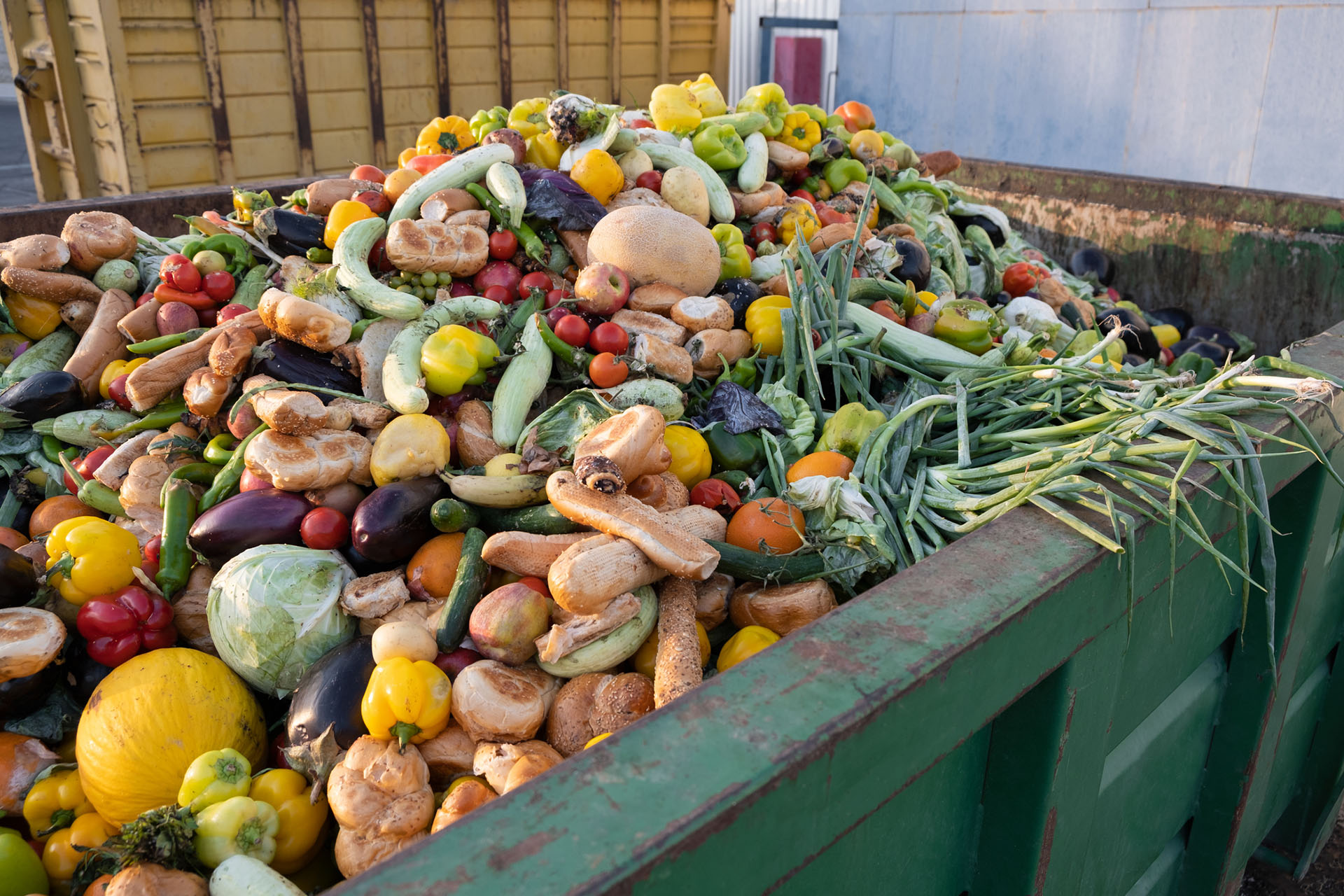
Food waste from households, supermarkets, restaurants, and food manufacturing presents both an environmental challenge and an opportunity for renewable energy generation. When sent to landfill, it decomposes to release methane — a greenhouse gas over 25 times more potent than carbon dioxide. By diverting this waste to anaerobic digestion (AD), operators can transform it into biogas and nutrient-rich digestate, creating clean energy while supporting a circular economy.
Anaerobic digestion uses naturally occurring microorganisms to break down organic material in oxygen-free conditions, producing a gas composed mainly of methane (CH₄) and carbon dioxide (CO₂). The resulting biogas can be used directly in combined Heat and power (CHP) systems to produce onsite electricity and heat, or it can be upgraded into biomethane — a renewable substitute for natural gas suitable for grid injection, transport fuel, or off-grid use.
Each route offers distinct benefits: CHP provides reliable, decentralised energy generation for local use, while biogas upgrading enables broader decarbonisation through renewable gas distribution. In both cases, CO₂ recovery can be added to capture and reuse carbon that would otherwise be emitted, completing a sustainable, low-carbon energy cycle.
Benefits of Biogas and CHP for Food Waste to Energy
• Renewable Energy from Waste: Converts organic and food waste into biogas for clean power generation and renewable gas production.
• Landfill Diversion: Reduces methane emissions and environmental impact by diverting biodegradable waste from landfill.
• Flexible Energy Options: Biogas can be used in CHP for onsite energy or upgraded to biomethane for grid injection and transport fuel.
• Lower Operating Costs: Produces electricity and heat onsite, reducing reliance on fossil fuels and external energy suppliers.
• Carbon Reduction: Captures and reuses CO₂ from upgrading or CHP processes, supporting circular carbon management.
• Nutrient Recovery: Generates digestate that can replace chemical fertilisers and return nutrients to agriculture.
• Scalable and Reliable: Proven technology adaptable for municipal, industrial, and commercial food waste facilities.
Discover More
Biogas Production and Utilisation
Combined Heat and Power (CHP)
Biogas Upgrading and Biomethane
CO₂ Capture and Reuse
Biogas Production and Utilisation
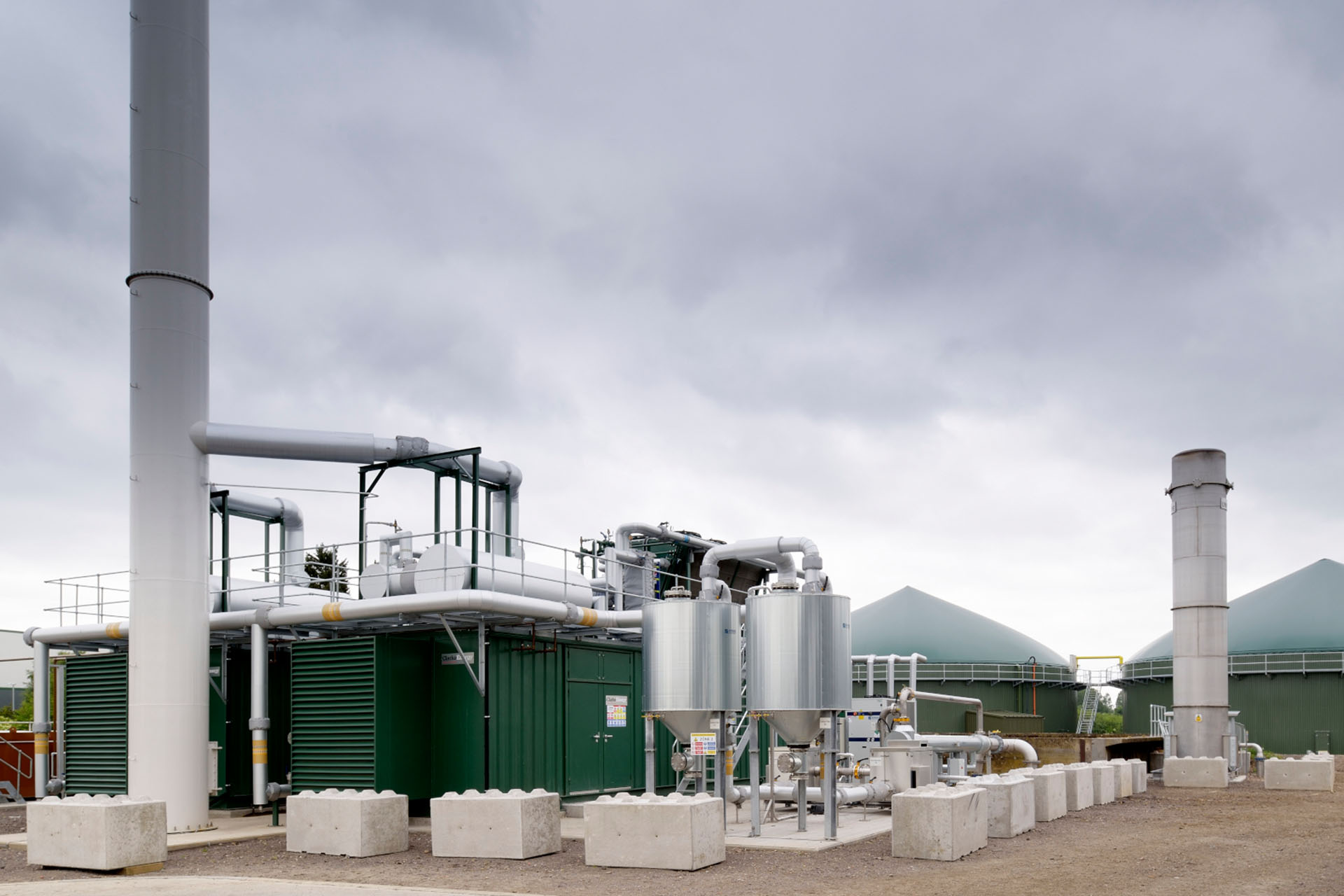
Anaerobic digestion converts food waste, green waste, and industrial residues into biogas through controlled microbial processes. The digestion process occurs in sealed, oxygen-free tanks under mesophilic (35–45°C) or thermophilic (45–55°C) conditions to optimise methane yield. The biogas — typically around 60% methane and 40% carbon dioxide — can be used directly in CHP engines to generate heat and power or purified through upgrading to create high-quality biomethane. Digestate, a nutrient-rich by-product, can be applied as fertiliser, supporting agricultural productivity. This process transforms waste into renewable energy and materials, closing the loop on organic resource use.
Combined Heat and Power (CHP)
CHP systems use biogas generated from anaerobic digestion to produce renewable electricity and recover heat for use in digesters, buildings, or local heating networks. With total system efficiencies exceeding 80%, CHP maximises fuel utilisation and reduces greenhouse gas emissions compared with separate heat and power production. The stable, controllable energy output helps operators offset grid electricity purchases and maintain energy independence. CHP forms the foundation of many food waste-to-energy facilities, delivering reliable, low-carbon power directly from waste streams.
Biogas Upgrading and Biomethane
Biogas upgrading systems purify raw biogas by removing CO₂, hydrogen sulphide, and moisture to produce biomethane — a renewable gas suitable for grid injection, transport fuel, or virtual pipeline distribution. The upgraded gas matches the composition and energy content of natural gas, allowing it to be used in existing infrastructure. Operators may choose to use biogas directly in CHP systems for local energy generation or upgrade it for wider decarbonisation benefits. Both approaches support renewable energy goals, and some facilities integrate both technologies to maximise flexibility and return on investment.
CO₂ Capture and Reuse
The CO₂ separated during biogas upgrading or produced in CHP exhaust can be recovered and purified for reuse in commercial or agricultural applications.. By capturing and repurposing this carbon stream, facilities reduce emissions while creating an additional circular value chain. CO₂ recovery strengthens the sustainability profile of food waste-to-energy operations, supporting broader carbon reduction and resource recovery targets.
Why Clarke Energy for Food Waste to Energy Projects?
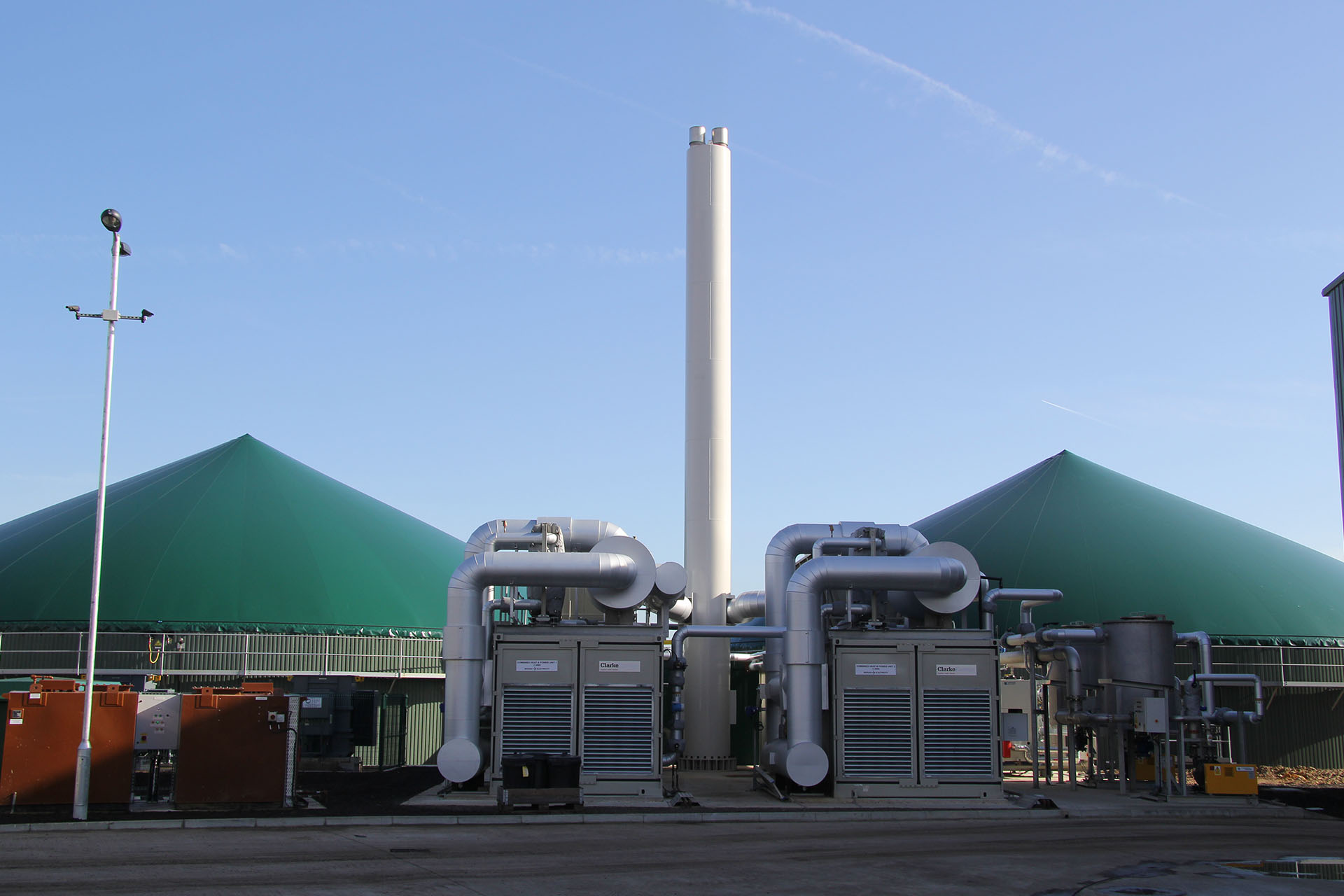
Clarke Energy delivers integrated solutions for converting organic waste into renewable energy. With expertise across CHP, biogas upgrading, and CO₂ recovery, we design and maintain systems that maximise efficiency, resilience, and environmental performance.
Our key advantages include:
• Turnkey project delivery – covering feasibility, engineering, installation, and long-term support.
• Biogas and biomethane expertise – proven success in food waste, municipal, and industrial digestion projects.
• Comprehensive integration – combining CHP, biogas upgrading, and carbon recovery for optimal results.
• Sustainable operation – systems that reduce emissions, improve energy efficiency, and support circular resource use.
• Full lifecycle support – predictive maintenance, remote monitoring, and dedicated service teams for maximum reliability combining both CHP and biogas upgrading system maintenance into one reliable service
Frequently Asked Questions about About Food Waste to Energy Systems
Technical and Engineering
What types of waste can be processed to produce biogas?
Food waste, green waste, agricultural residues, and industrial by-products are all suitable feedstocks for anaerobic digestion.
Can CHP and biogas upgrading be used together?
Yes. Operators can use a portion of biogas for onsite CHP generation while upgrading the remainder into biomethane for export.
What efficiency can CHP achieve with biogas fuel?
CHP systems typically reach 40–45% electrical and over 80% total efficiency when heat is recovered effectively.
Can CO₂ be recovered during upgrading or CHP operation?
Yes. CO₂ can be purified for industrial or agricultural reuse, supporting circular carbon management.
Financial and Commercial
How can food waste energy projects generate revenue?
Through power export, biomethane sales, renewable gas certificates, and carbon credits.
Are funding incentives available?
Yes. Many regions offer grants, tariffs, or tax incentives for renewable gas and waste-to-energy projects.
What is the typical payback period?
Usually between five and eight years, depending on project size, feedstock supply, and energy market conditions.
Can these systems reduce long-term energy costs?
Yes. By producing renewable energy onsite, operators reduce grid dependency and stabilise operating expenses.
Environmental and Sustainability
How does food waste-to-energy help reduce emissions?
It prevents methane emissions from landfill, displaces fossil fuels, and promotes circular energy use.
Is biomethane considered a renewable gas?
Yes. Biomethane is derived from organic material and is recognised as a carbon-neutral fuel.
Does this process support net-zero targets?
Yes. CHP, biogas upgrading, and CO₂ reuse together contribute directly to decarbonisation objectives.
Can digestate from AD be reused?
Yes. It can be applied as organic fertiliser, closing the nutrient loop in agriculture.
Operational and Implementation
Can CHP or upgrading systems be retrofitted to existing facilities?
Yes. Modular systems can be installed alongside existing digesters or waste processing infrastructure.
What maintenance is required for CHP systems?
Regular servicing, predictive maintenance, and remote monitoring maintain high performance and reliability.
How long do CHP systems typically last?
With proper care, CHP plants can operate efficiently for 15–20 years.
What support does Clarke Energy provide?
We offer complete lifecycle support, including 24/7 monitoring and service agreements tailored to site needs.
Want to Transform Food Waste Into Sustainable Power?
Our experts can provide the insight and support you need to evaluate options and achieve the right energy solution for your business.