
Separating Hype from Reality

by Bob Beckwith, Group Applications Manager – BESS, Clarke Energy
We’ve recently seen new sodium-ion energy storage systems officially launched in Europe. Just like lithium iron phosphate (LFP), sodium is scalable and can easily achieve deployed capacities up to 1 GWh. Also, similar to LFP, it can support a range of storage durations from 1 hour through to 8 hours.
The Rise of Sodium-Ion Energy Storage
Lithium-ion batteries, particularly lithium iron phosphate (LFP), have become the dominant technology for Battery Energy Storage Systems (BESS). Their applications range from frequency response and renewable integration to energy arbitrage and grid stabilisation. Its combination of strong safety credentials, long cycle life and declining costs has made LFP the preferred chemistry for most stationary storage projects.
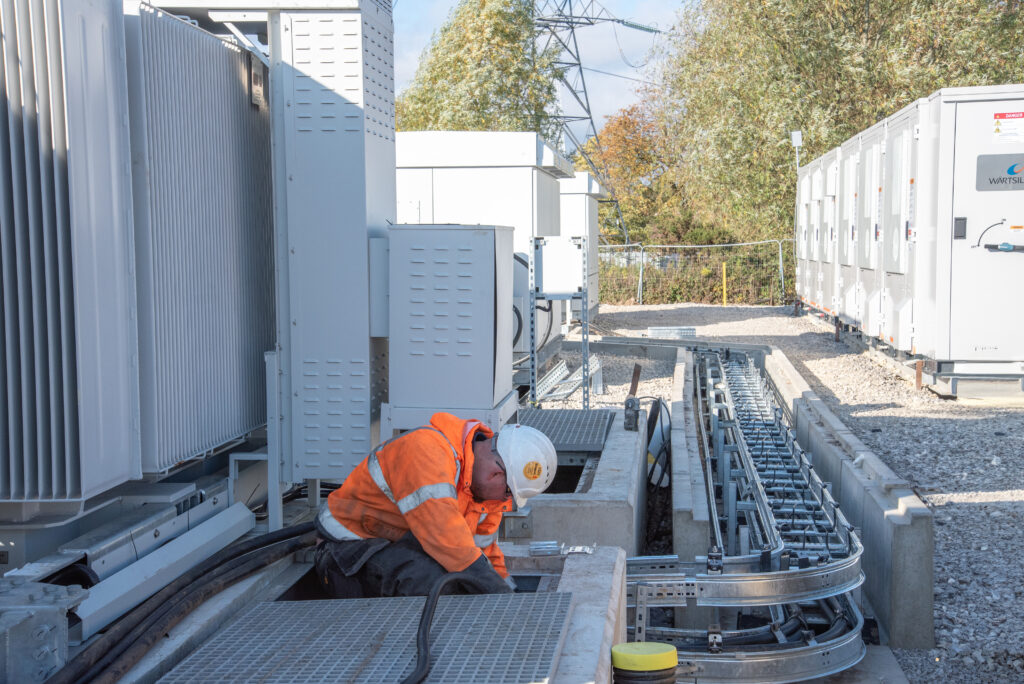
However, growing interest in sodium-ion batteries suggests the energy storage market may be entering a new phase of diversification. Recent sodium-ion energy storage systems launched in Europe have demonstrated capabilities similar to LFP, including scalability to gigawatt-hour deployments and support for storage durations ranging from one to eight hours.
The technology is reported to offer up to 15,000 cycles and an operational lifespan of 25 to 30 years, while a series of multi-gigawatt-hour deployment agreements announced across Europe highlights increasing industry confidence.
Is anyone betting against sodium-ion technology hitting the mark?
What is a Sodium-Ion Battery?
At a fundamental level, sodium-ion batteries operate in much the same way as lithium-ion batteries. Energy is stored and released through the movement of ions between the anode and cathode during charging and discharging.
The primary difference is that sodium ions replace lithium ions as the charge carrier. This seemingly simple change has significant implications for cost, supply chains, performance characteristics and long-term scalability.
One of the reasons sodium-ion technology has attracted so much interest is that many manufacturing processes resemble those already used for lithium-ion production.
This means existing battery manufacturing expertise and infrastructure can potentially be adapted rather than built entirely from scratch.
For an industry seeking rapid growth, this compatibility could prove highly valuable.
What is the Reality?
Momentum behind sodium-ion technology continues to build, with automotive manufacturers, energy storage developers and technology companies investing heavily in the chemistry. As the industry seeks alternatives to traditional lithium-based batteries, sodium-ion is increasingly being positioned as a credible option for selected stationary energy storage applications.
So, is sodium-ion poised to transform the energy storage sector, or will it remain a niche technology?
As with many emerging innovations, the reality is likely to sit somewhere between these extremes.
The key question is not whether sodium-ion batteries will replace lithium-ion batteries. Rather, it is whether they can offer meaningful advantages for specific applications and help address some of the challenges associated with the rapid expansion of global energy storage.
The Appeal of Sodium
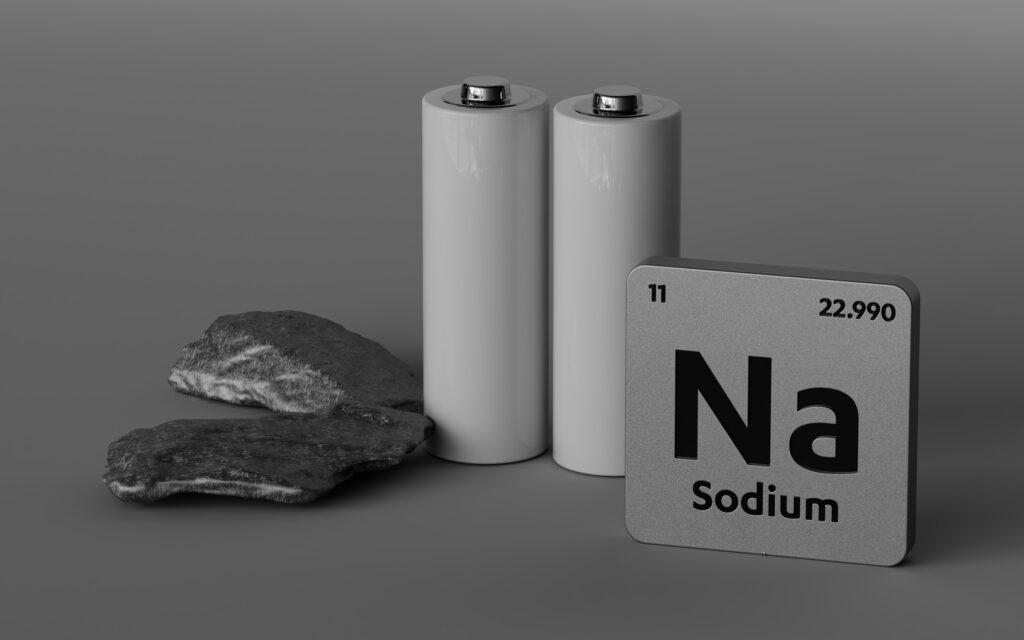
The greatest advantage of sodium-ion technology lies in its raw materials.
Lithium has become one of the world’s most sought-after commodities, driven largely by demand from electric vehicles and energy storage systems. While concerns about long-term lithium availability are often overstated, increasing demand inevitably creates supply chain pressures, market volatility and geopolitical considerations.
Sodium, by contrast, is one of the most abundant elements on Earth. It is widely available, geographically diverse, and can be sourced from common materials such as salt.
This abundance offers several potential benefits:
- Reduced dependence on critical minerals
- Greater supply chain resilience
- Lower exposure to commodity price fluctuations
- Improved sustainability credentials
- Potential cost reductions at scale.
As utilities and developers begin planning storage deployments measured in gigawatt-hours rather than megawatt-hours, these factors become increasingly important.
Energy Density: The Trade-Off
If sodium-ion batteries offer so many advantages, why haven’t they already replaced lithium-ion?
The answer lies largely in energy density. Compared with modern LFP batteries, sodium-ion cells generally store less energy per kilogram and per litre. This means achieving the same energy capacity requires larger and heavier battery systems.
For electric vehicles, where space and weight are critical, this presents a significant challenge. Vehicle manufacturers continually seek longer driving ranges, and lower energy density can be a major disadvantage.
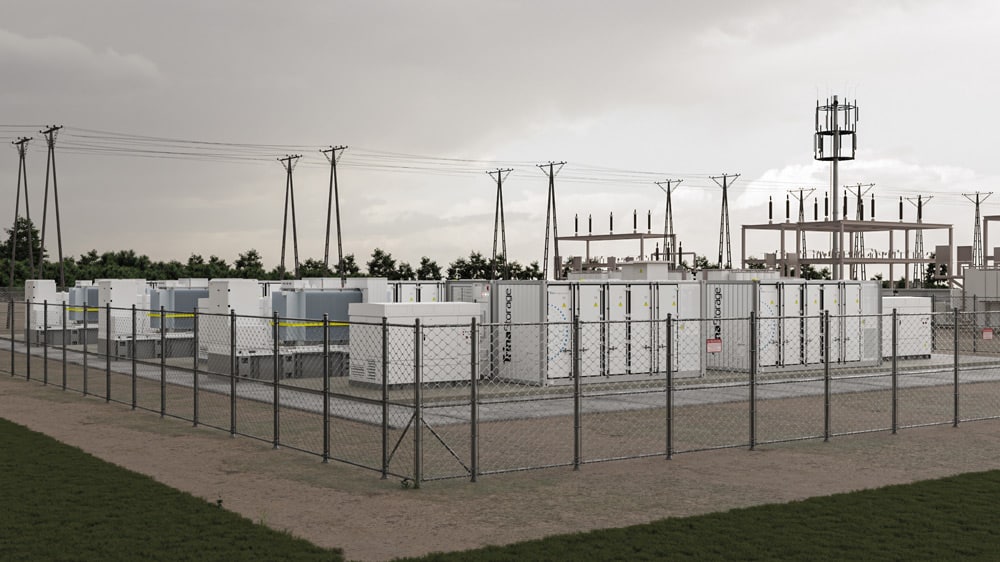
However, utility-scale BESS projects operate under different constraints. In many cases, the cost of land is relatively small compared with the overall project investment. If a battery system occupies six acres instead of five but delivers lower capital costs or a more resilient supply chain, many developers may view this as an acceptable trade-off.
This distinction is important because it highlights where sodium-ion may find its strongest market opportunity.
A Better Fit for Stationary Storage?
The stationary energy storage sector does not necessarily require the highest energy density available.
Instead, project developers are often focused on metrics such as:
- Installed cost
- Project economics
- Safety
- Cycle life
- Availability
- Supply chain security
- Warranty performance.
In this environment, sodium-ion batteries may prove increasingly attractive.
As renewable penetration increases, grid operators require larger volumes of energy storage to manage intermittency and maintain network stability. The industry’s challenge is not simply finding the highest-performing battery but finding technologies that can be deployed economically at enormous scale.
If sodium-ion batteries can achieve meaningful cost advantages while maintaining acceptable performance and reliability, they could become a compelling option for many stationary applications.
Safety and Operating Performance
Another area generating interest is the safety profile of sodium-ion technology.
While all battery technologies require careful engineering, thermal management and protection systems, sodium-ion batteries may offer certain advantages in thermal stability compared with some lithium-ion chemistries.
Sodium-ion performs well at lower temperatures, which could make the technology attractive in regions where cold-weather performance is a significant consideration.
For developers and asset owners, these characteristics could translate into reduced operational complexity and potentially lower auxiliary energy requirements for heating and cooling systems.
However, it is important to remember that commercial deployment experience remains relatively limited compared with the vast operational track record now established by lithium-ion technologies.
The Maturity Challenge
Perhaps the biggest hurdle facing sodium-ion is not technology performance but market maturity.
LFP batteries benefit from decades of development, global manufacturing capacity, established supply chains and extensive field experience. Investors, insurers, lenders and developers have become increasingly comfortable with the technology.
Sodium-ion is still in the earlier stages of commercial deployment.
Questions still remain around:
- Long-term degradation behaviour
- Warranty structures
- Manufacturing scale-up
- Operational performance over many years
- Bankability.
The industry has learned repeatedly that laboratory performance does not always translate directly into field performance. Wide-scale adoption will require confidence not only in the chemistry itself but also in the ecosystem that supports it.
Will Sodium-Ion Replace LFP?
The more interesting question may be whether sodium-ion needs to replace LFP at all.
Energy storage is not a winner-takes-all market.
Just as different generation technologies coexist on today’s electricity networks, different battery chemistries are likely to serve different applications. LFP, sodium-ion, flow batteries and other emerging technologies may each occupy distinct positions based on their respective strengths.
For the foreseeable future, LFP is likely to remain the dominant chemistry for many energy storage applications. It has earned that position through years of operational success.
However, sodium-ion should not be dismissed as simply the latest industry trend. Its combination of abundant materials, potential cost advantages and suitability for stationary applications makes it one of the most credible emerging technologies in the storage sector today.
Conclusion
The excitement surrounding sodium-ion batteries is understandable, but so is the caution.
Like many emerging technologies, sodium-ion sits somewhere between revolutionary and overhyped. It is unlikely to render lithium-ion obsolete overnight, but it may become an increasingly important part of the energy storage landscape.
As the world continues its transition towards renewable energy and electrification, the need for scalable, affordable and resilient energy storage solutions will only grow.
In that future, sodium-ion batteries may not replace lithium-ion batteries – but they could prove to be one of the industry’s most valuable additions to the toolbox.
Find out more:
If you’d like to learn more about flexible, scalable BESS solutions, contact Clarke Energy for more information.
Author’s Note: The most successful battery technologies of the next decade may not be those with the highest performance specifications, but those that best balance cost, safety, scalability and real-world operational requirements. Sodium-ion is certainly a chemistry worth watching.