

Universities and Campuses
Reliable, efficient, and low-carbon energy for education and research facilities, helping institutions save on energy and spend on learning.
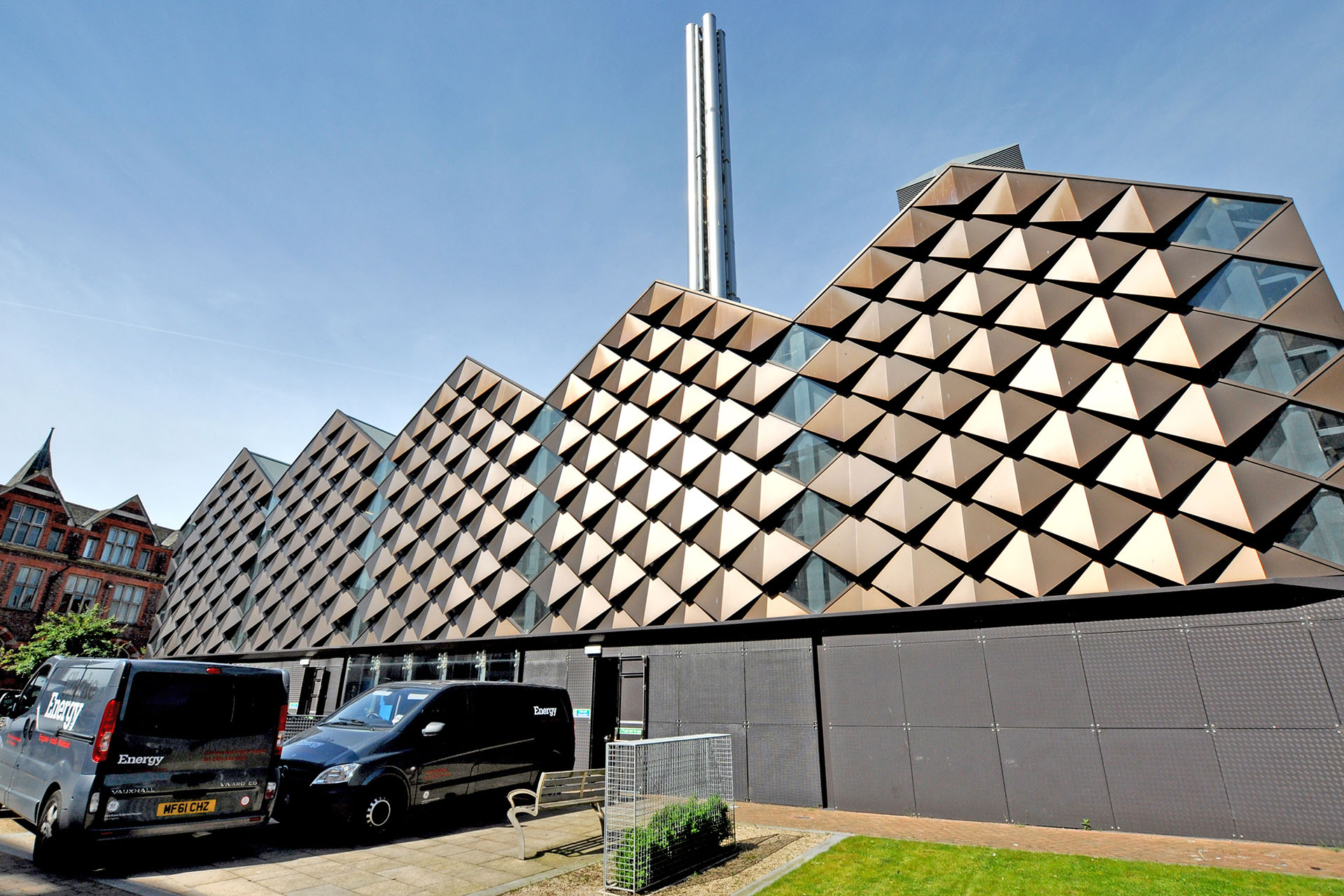
About Universities and Campuses
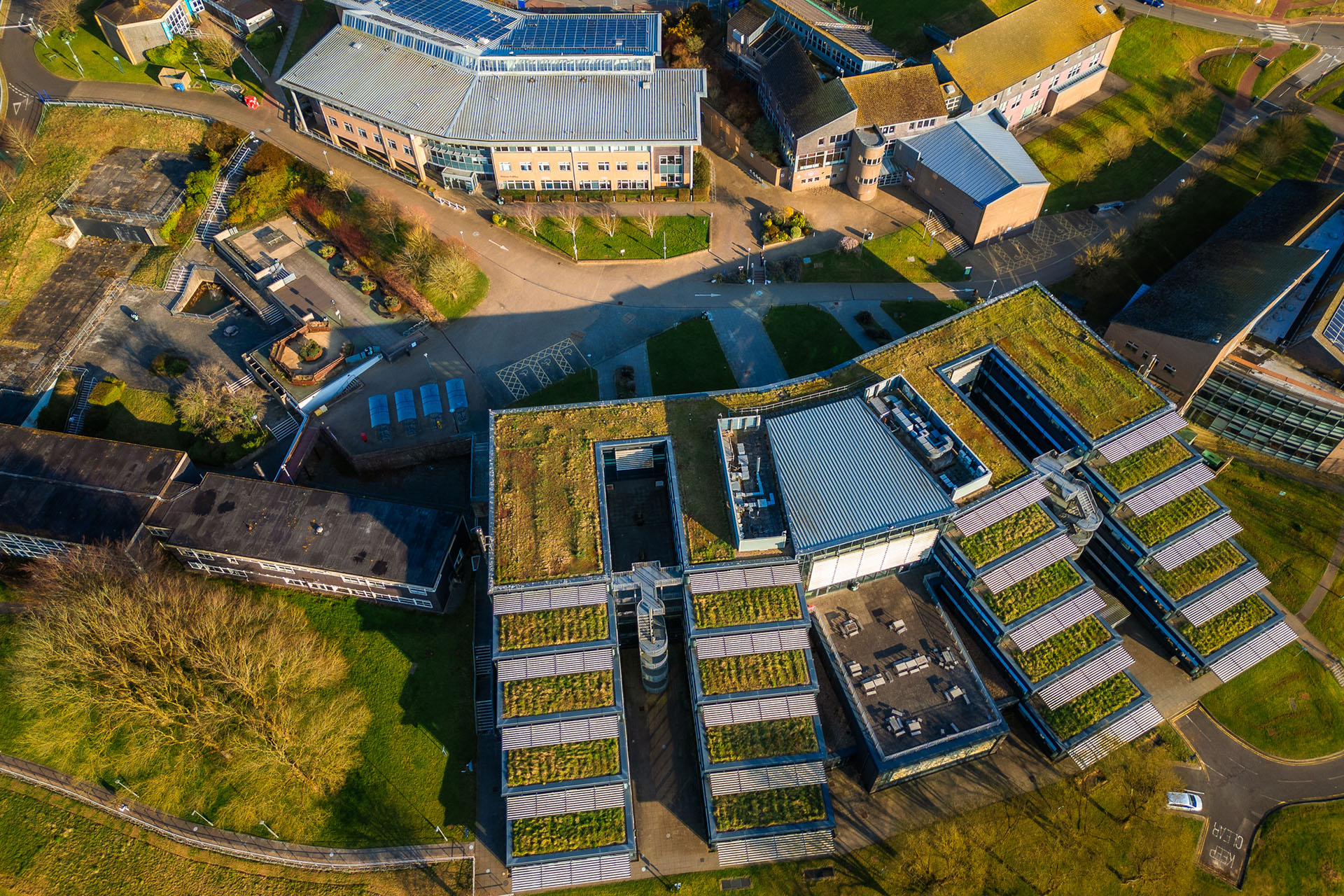
Universities and educational campuses operate like small cities, requiring continuous power and heat to support teaching, research, accommodation, and leisure facilities. Energy is critical for lecture theatres, laboratories, libraries, student residences, catering services, and sports centres — all demanding stable, efficient supply.
As institutions progress towards net-zero and carbon reduction goals, improving energy efficiency and security has become a central focus. Many campuses face rising energy costs, ageing infrastructure, and complex, variable demand profiles across large estates.
Combined heat and power (CHP) provides an efficient way for universities to generate electricity and useful heat from a single fuel source. When configured as trigeneration (CCHP), CHP systems can also supply cooling for laboratories, data centres, or student accommodation. Together, these technologies deliver cost effective, reliable, efficient, and sustainable power and thermal energy to support a wide range of academic, residential, and operational needs.
Benefits of Flexible Energy Systems for Universities and Campuses
• Generates reliable onsite power, heat, and cooling for diverse campus buildings.
• Reduces carbon emissions and supports net-zero and sustainability targets.
• Improves long-term operational cost stability and efficiency.
• Provides dependable energy for critical teaching, research, and accommodation facilities.
• Enhances energy performance with flexible load-matching capability.
• Energy facility can be integrated into the syllabus and form an educational centre
Discover More
Combined Heat and Power (CHP)
Trigeneration (CCHP)
Energy Resilience in Education Facilities
Combined Heat and Power (CHP)
CHP systems generate electricity and recover waste heat from the engine’s exhaust and cooling circuits for onsite use in hospitals and healthcare facilities. The recovered energy provides heating and hot water for wards, operating theatres, sterilisation units, and domestic use. With overall efficiencies exceeding 80%, CHP reduces energy costs, improves reliability, and lowers emissions compared with separate heat and power generation. By delivering consistent, controllable energy, CHP systems help hospitals maintain essential services and environmental comfort while supporting long-term sustainability and operational resilience in critical healthcare environments.
Trigeneration (CCHP)
Trigeneration expands CHP capability by converting recovered heat into chilled water using absorption chillers. This process provides efficient cooling for operating theatres, MRI suites, laboratories, and patient accommodation where temperature control is crucial. By producing power, heating, and cooling from a single fuel source, CCHP achieves outstanding energy efficiency and cost savings. It also reduces reliance on electric chillers, cutting peak electricity demand and associated emissions. Trigeneration offers a dependable and sustainable energy solution that supports healthcare facilities in meeting both operational requirements and decarbonisation targets.
Energy Resilience in Education Facilities
Reliable energy is vital for maintaining research integrity, laboratory operations, and campus safety. Power interruptions can disrupt teaching, damage equipment, and interrupt student accommodation and welfare services.
Gas engine-based CHP systems provide dependable onsite generation that ensures continuity of power and heat even during grid disturbances. With advanced control and monitoring, output can be adjusted in real time to match energy demand across multiple buildings.
By maintaining essential energy services and reducing dependence on grid supply, CHP and CCHP systems support both operational resilience and long-term sustainability in higher education environments.

Why Clarke Energy for University and Campus Projects?
Clarke Energy delivers tailored CHP and CCHP solutions that provide universities with efficient, reliable, and sustainable energy systems. Our experience in designing and maintaining large-scale energy infrastructure for complex estates ensures dependable performance and long-term value.
Our key advantages include:
• Complete turnkey capability – from initial feasibility and system design through to installation and commissioning.
• Sector experience – delivering CHP and CCHP systems for higher education and research facilities.
• Optimised performance – integration of heat recovery, cooling, and control systems for maximum efficiency.
• Future-ready technology – INNIO Jenbacher gas engines compatible with hydrogen and renewable fuels.
• Comprehensive service support – long-term maintenance, remote monitoring, and performance optimisation.
Frequently Asked Questions about University and Campus Energy
Technical and Engineering
How does CHP improve efficiency for university campuses?
CHP systems generate both electricity and heat on-site, improving efficiency, reducing energy waste, and delivering reliable power and heating to campus buildings.
What is the advantage of trigeneration for universities?
Trigeneration (CCHP) extends CHP capability to also provide cooling. This is particularly valuable for laboratories, data centres, or accommodation blocks requiring year-round temperature control.
Can CHP systems operate on renewable fuels?
Yes. Clarke Energy’s Jenbacher engines can use renewable gases such as biogas or biomethane, enabling universities to reduce carbon emissions and support sustainability goals.
How is the heat from CHP systems used on campus?
Recovered heat can be distributed through district heating networks to provide hot water, space heating, or absorption cooling across multiple buildings.
Financial and Commercial
What cost savings can universities achieve from CHP?
Savings vary by energy usage and site size, but overall efficiencies above 80% typically reduce fuel consumption and energy costs significantly compared with grid power and conventional boilers.
Are there funding or support schemes for CHP in higher education?
In some regions, universities can benefit from government incentives or grants that encourage low-carbon and energy-efficient technology adoption.
How long is the payback period for CHP or CCHP systems?
Typical payback ranges from five to eight years, depending on site demand, fuel prices, and system configuration.
Does CHP protect against rising energy costs?
Yes. Generating electricity and heat onsite allows universities to reduce exposure to grid price fluctuations and improve long-term cost stability.
Environmental and Sustainability
How does CHP help universities meet net-zero goals?
CHP reduces emissions by capturing and reusing waste heat, increasing efficiency, and enabling the use of renewable or low-carbon fuels.
Can CHP systems be upgraded to use hydrogen in the future?
Yes. Jenbacher gas engines are hydrogen-ready, allowing future conversion as the hydrogen economy develops.
What role does trigeneration play in sustainability?
By providing cooling from recovered heat, trigeneration further reduces fuel consumption and supports environmentally responsible operation.
Does CHP support wider campus sustainability reporting?
Yes. CHP performance data can be integrated into energy management systems to track emissions reduction and efficiency improvements.
Operational and Implementation
Can CHP systems be retrofitted into existing campus infrastructure?
Yes. Modular CHP units can be integrated into existing plant rooms or district heating systems with minimal disruption.
How does Clarke Energy ensure long-term system reliability?
Through high-quality engineering, predictive maintenance, and remote monitoring, Clarke Energy ensures consistent performance and uptime.
What service and maintenance options are available?
We offer tailored service agreements, spare parts support, and remote diagnostics to maintain reliability and efficiency throughout the asset life.
What is the typical lifespan of a CHP system in a university application?
With proper maintenance, CHP systems can operate efficiently for more than 15 years, offering a robust and proven long-term investment.
Looking for a Reliable, Efficient, and Low-Carbon Energy Solution?
Our experts can provide the insight and support you need to evaluate options and achieve the right energy solution for your business.