

Textiles
Reliable, efficient, and low-carbon power and heat for textile manufacturing and finishing processes.
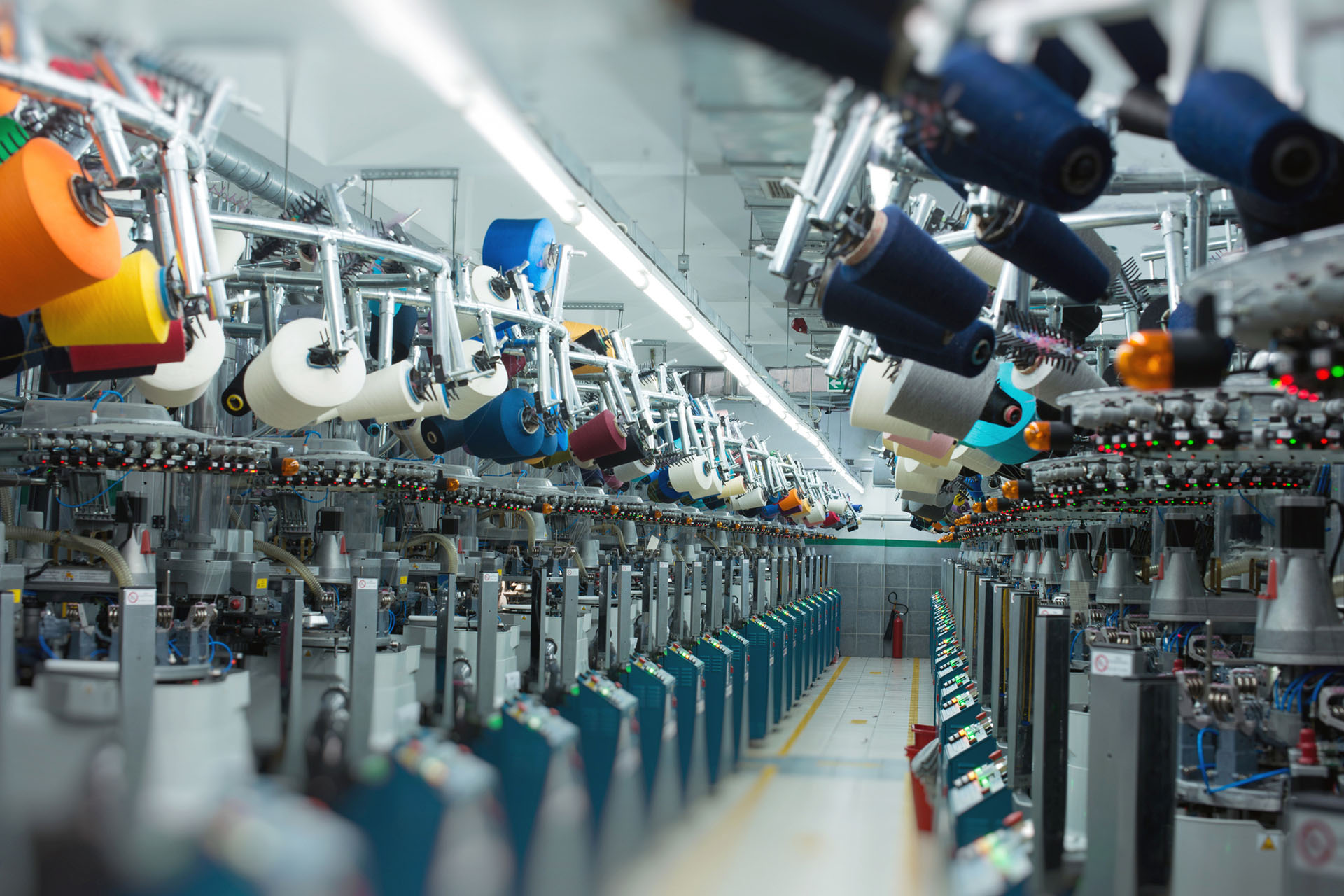
About the Textile Industry
The textile industry is one of the most energy-intensive sectors within global manufacturing, producing essential fabrics for clothing, upholstery, and industrial applications. Energy demand is continuous and diverse, covering electricity for spinning and weaving and thermal energy for dyeing, drying, and finishing. Maintaining stable energy supply is critical for product quality, colour consistency, and production throughput.
Any interruption in heat or power can lead to material losses, downtime, and quality deviations — outcomes that are both costly and environmentally wasteful. With rising energy prices and growing regulatory pressure to decarbonise, manufacturers are adopting efficient, flexible energy solutions that reduce operating costs and emissions.
Combined heat and power (CHP) systems allow textile plants to produce electricity and process heat simultaneously from a single fuel source, significantly increasing overall efficiency. When integrated with microgrid control systems, CHP provides flexible, reliable, and low-carbon power, ensuring continuous operation while meeting sustainability objectives across the global textile supply chain.
Energy Resilience in Textile Manufacturing
Energy reliability underpins consistent output and product quality in textile manufacturing. Gas engine-based CHP systems provide dependable onsite generation, reducing exposure to grid instability and ensuring continuous operation of dyeing, drying, and finishing processes.
When integrated with microgrid control, these systems can balance generation with varying production loads, operate independently during outages, and optimise energy use in real time. This approach enhances operational resilience, supports long-term cost stability, and helps textile manufacturers maintain energy security while achieving sustainability and carbon reduction targets.
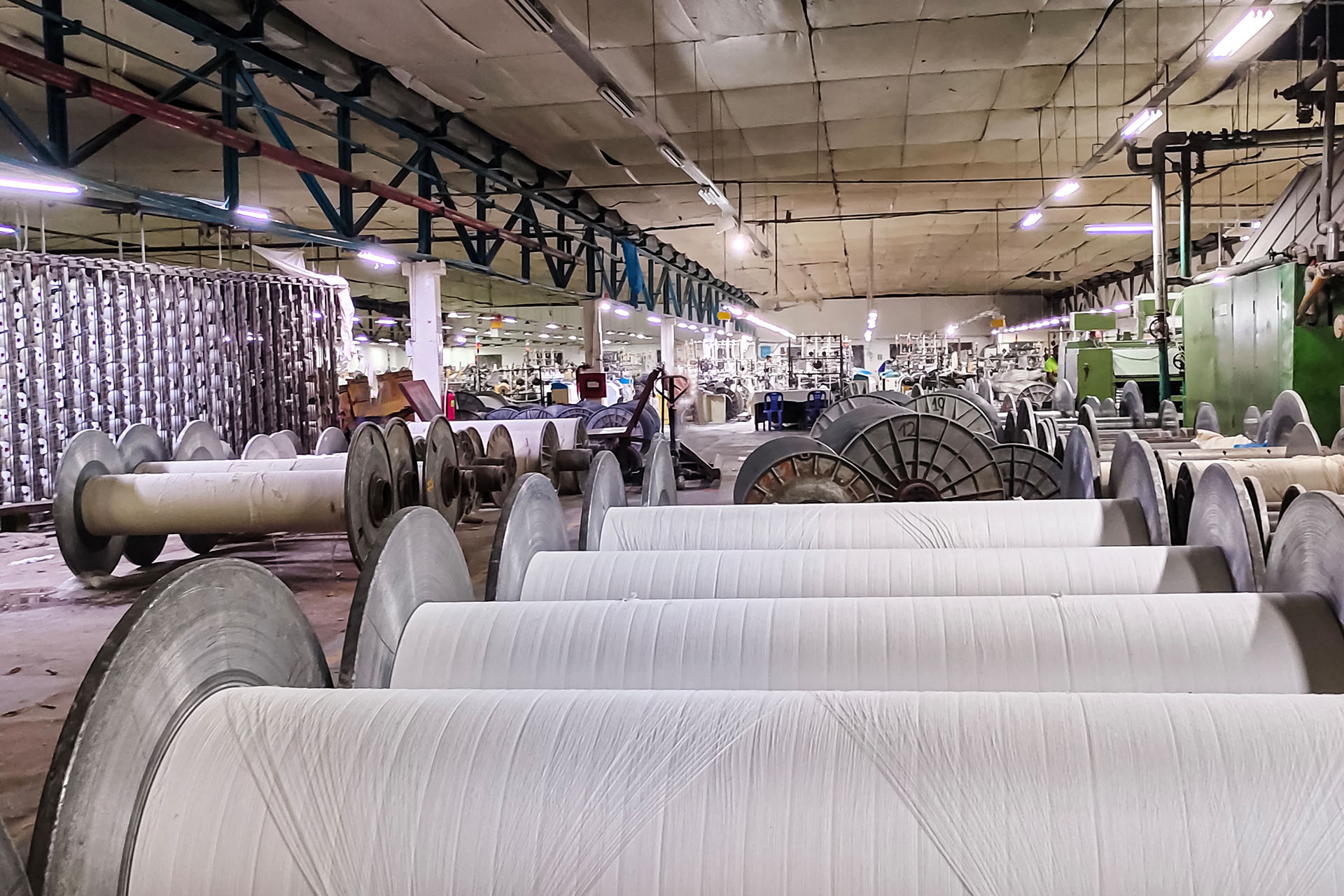
Discover More
Combined Heat and Power (CHP)
Microgrids and Hybrid Energy Systems
Combined Heat and Power (CHP)
CHP systems generate electricity and recover waste heat from the engine’s exhaust and cooling systems for use in onsite applications. In textile production, recovered heat can provide steam or hot water for dyeing, bleaching, drying, and washing. This dual energy output can achieve total efficiencies above 80%, significantly reducing fuel consumption and CO₂ emissions compared to conventional boiler and grid power. CHP delivers a reliable, cost-stable supply of energy that supports continuous production while helping manufacturers meet their carbon reduction goals.
Microgrids and Hybrid Energy Systems
Microgrids integrate CHP with renewable energy generation and battery storage to form an intelligent, self-sufficient power system. These configurations ensure stable power quality and continuous energy supply for sensitive production lines and equipment. Microgrids can operate in parallel with the grid or in island mode, providing resilience during external disruptions. This flexibility enhances energy efficiency, allows integration of renewable energy sources, and supports ongoing progress toward net-zero targets in the textile manufacturing sector.
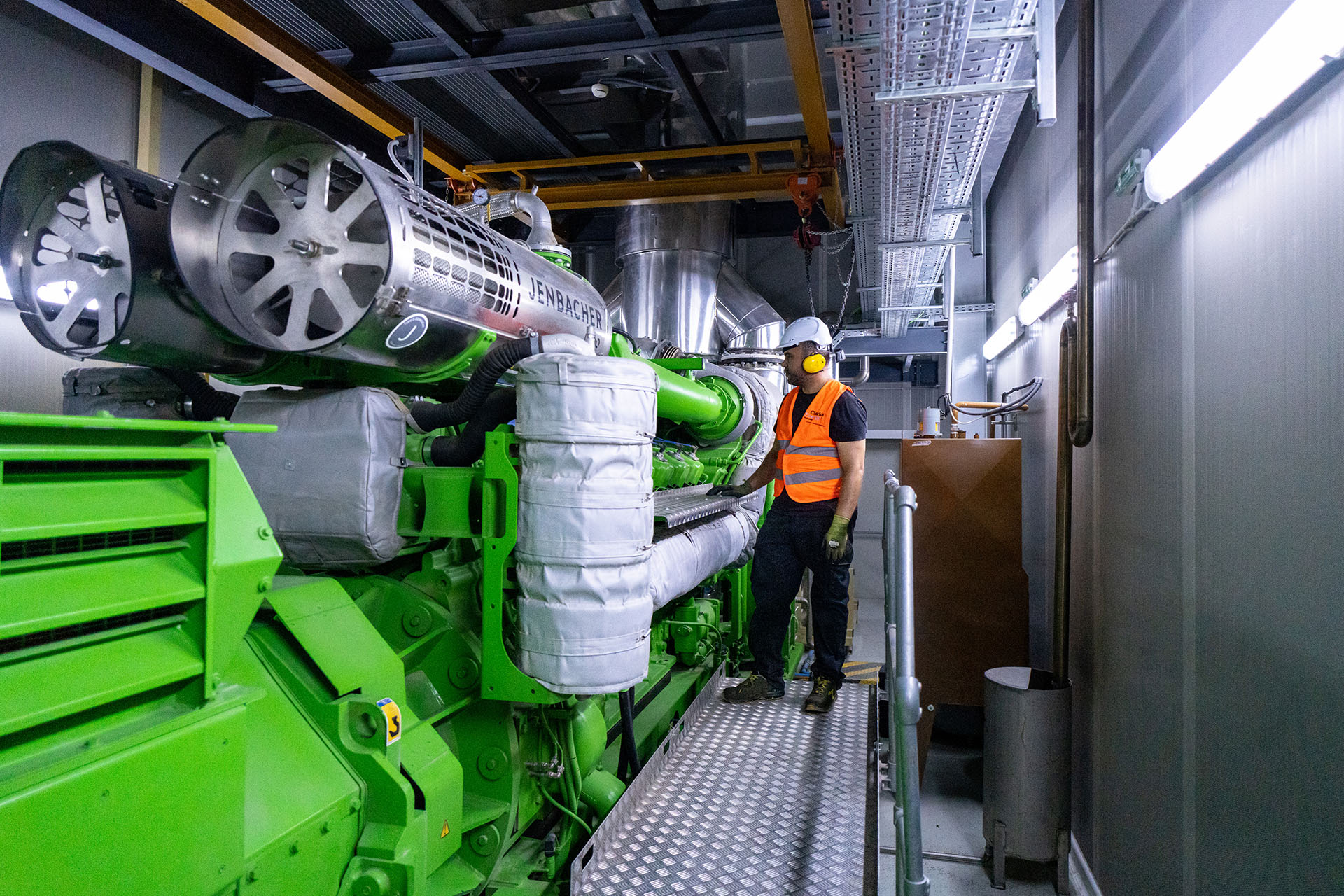
Why Clarke Energy for Textile Industry Projects?
Clarke Energy provides efficient, low-carbon energy solutions designed to meet the operational and sustainability needs of the textile industry. Our experience in CHP and microgrid technologies ensures reliable, optimised energy systems for continuous manufacturing environments.
Our key advantages include:
• End-to-end delivery – from project feasibility and design through to installation and commissioning.
• Industrial expertise – extensive experience supporting energy-intensive sectors including over 650MW in the textiles sector along with food, and materials processing.
• Integrated solutions – combining CHP with microgrid control, renewable fuel capability, and steam recovery systems.
• Future-ready technology – INNIO Jenbacher gas engines compatible with hydrogen and renewable gases.
• Comprehensive service support – long-term maintenance, remote monitoring, and predictive analytics to ensure high availability and performance.
Frequently Asked Questions about Textile Industry Energy Systems
Technical and Engineering
How does CHP improve efficiency in textile production?
CHP systems produce both power and heat onsite, improving efficiency and reducing fuel consumption compared to separate generation systems.
Can CHP systems provide heat for dyeing and finishing processes?
Yes. Recovered heat from CHP engines can be used for process steam or hot water in dyeing, bleaching, and drying operations.
How do microgrids improve energy resilience?
Microgrids allow onsite generation to operate independently during grid failures, maintaining power quality and production continuity.
Are CHP systems suitable for variable production schedules?
Yes. Modular systems can adapt output to match changing energy demand or production cycles.
Financial and Commercial
What energy cost savings can CHP deliver?
By generating electricity and heat simultaneously, CHP can reduce energy costs by 15–30% depending on utilisation and energy tariffs.
Are there funding incentives for CHP and low-carbon systems?
In many regions, industrial users can access incentives for efficiency improvements and carbon reduction projects.
What is the payback period for CHP installations?
Typical payback periods range between five and eight years depending on energy demand and operating hours.
Does onsite generation improve budget control?
Yes. CHP provides stable, predictable energy costs and reduces reliance on volatile grid pricing.
Environmental and Sustainability
How does CHP support sustainability in textiles?
CHP reduces carbon emissions through efficient fuel use and supports renewable gas integration for cleaner production.
Can CHP run on renewable or low-carbon fuels?
Yes. Systems can operate on biogas, biomethane, or hydrogen blends to reduce carbon intensity.
Do microgrids help achieve sustainability targets?
Yes. By integrating renewables and managing load efficiently, microgrids lower emissions and improve energy use efficiency.
What certifications can CHP support?
High-efficiency CHP contributes to ISO 50001 and sustainability reporting under industry ESG frameworks.
Operational and Implementation
Can CHP be retrofitted into existing textile plants?
Yes. Modular CHP systems can be installed with minimal disruption to ongoing production.
What level of maintenance is required?
Clarke Energy provides predictive, scheduled maintenance and remote monitoring for high reliability.
How long does a CHP system typically last?
With regular servicing, CHP systems can operate efficiently for 15–20 years.
What ongoing support does Clarke Energy provide?
Clarke Energy offers full lifecycle support including monitoring, maintenance, and performance optimisation.
Looking for a Reliable, Efficient, and Low-Carbon Energy Solution?
Our experts can provide the insight and support you need to evaluate options and achieve the right energy solution for your business.