


Renewable Gas Production
Unlocking energy from organic and low-carbon fuels with advanced biogas, biomethane, and hydrogen technologies. Producing sustainable fuels including biomethane (renewable natural gas) and hydrogen to support the energy transition and a circular economy.
Overview
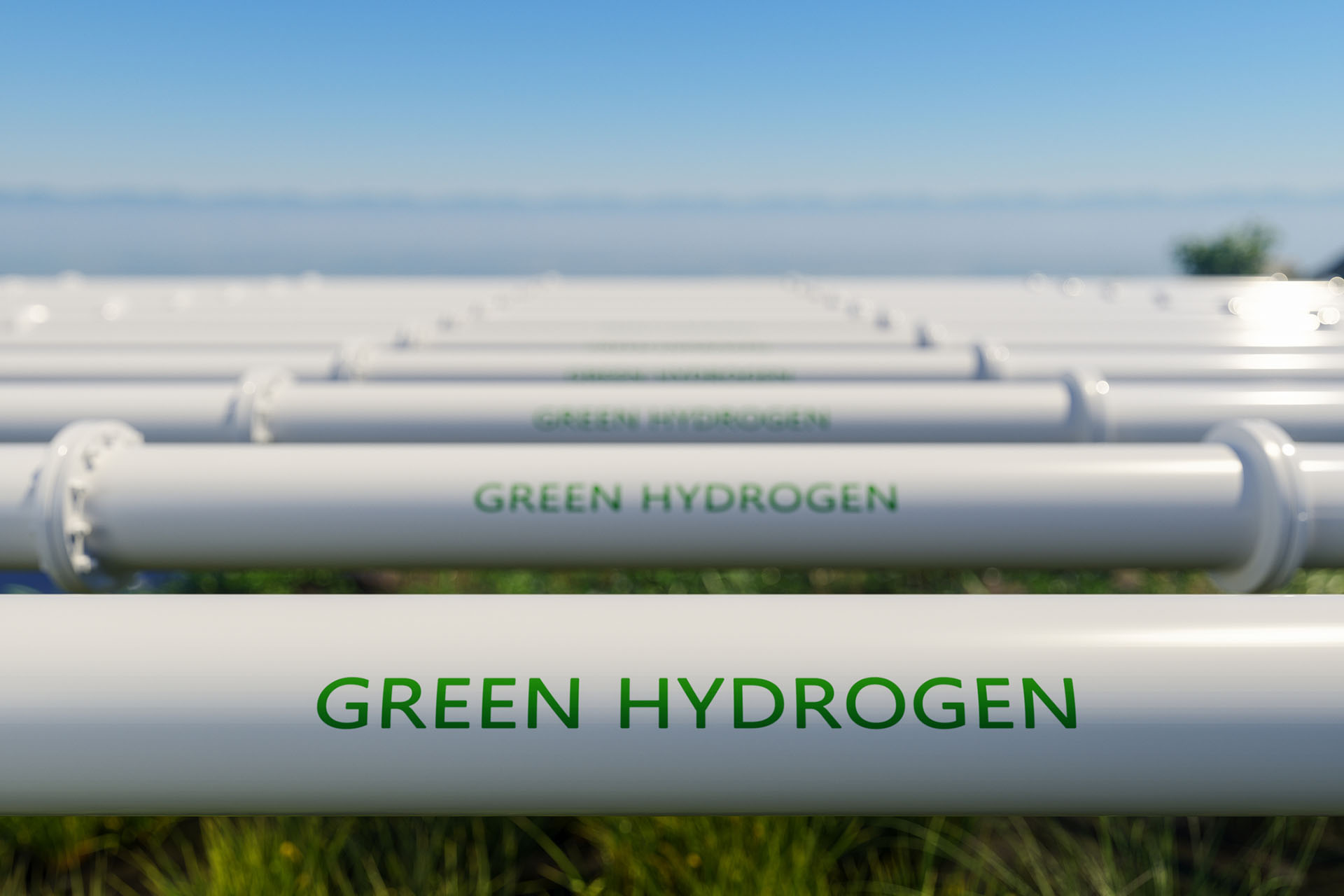
Renewable gases such as biomethane or RNG and green hydrogen play a vital role in decarbonising power, heat, and transport. Clarke Energy delivers turnkey solutions for renewable gas production, enabling businesses, utilities, and municipalities to convert waste and renewable electricity into clean, dispatchable energy sources.
Our technologies support the circular economy by turning organic waste streams into pipeline-quality renewable gas, and by using renewable electricity to produce hydrogen with zero greenhouse gas emissions at the point of use.
Biomethane (RNG) from Biogas
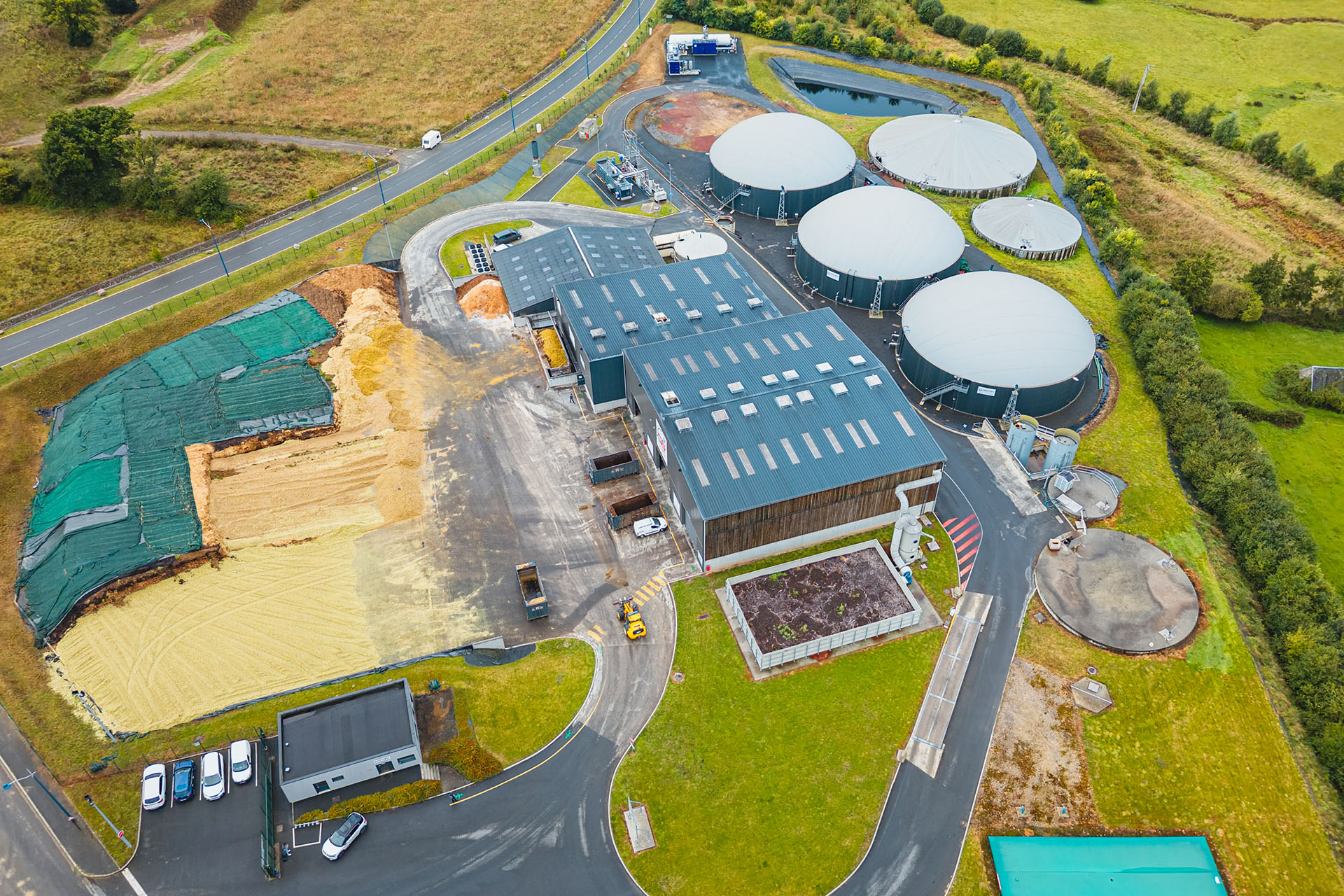
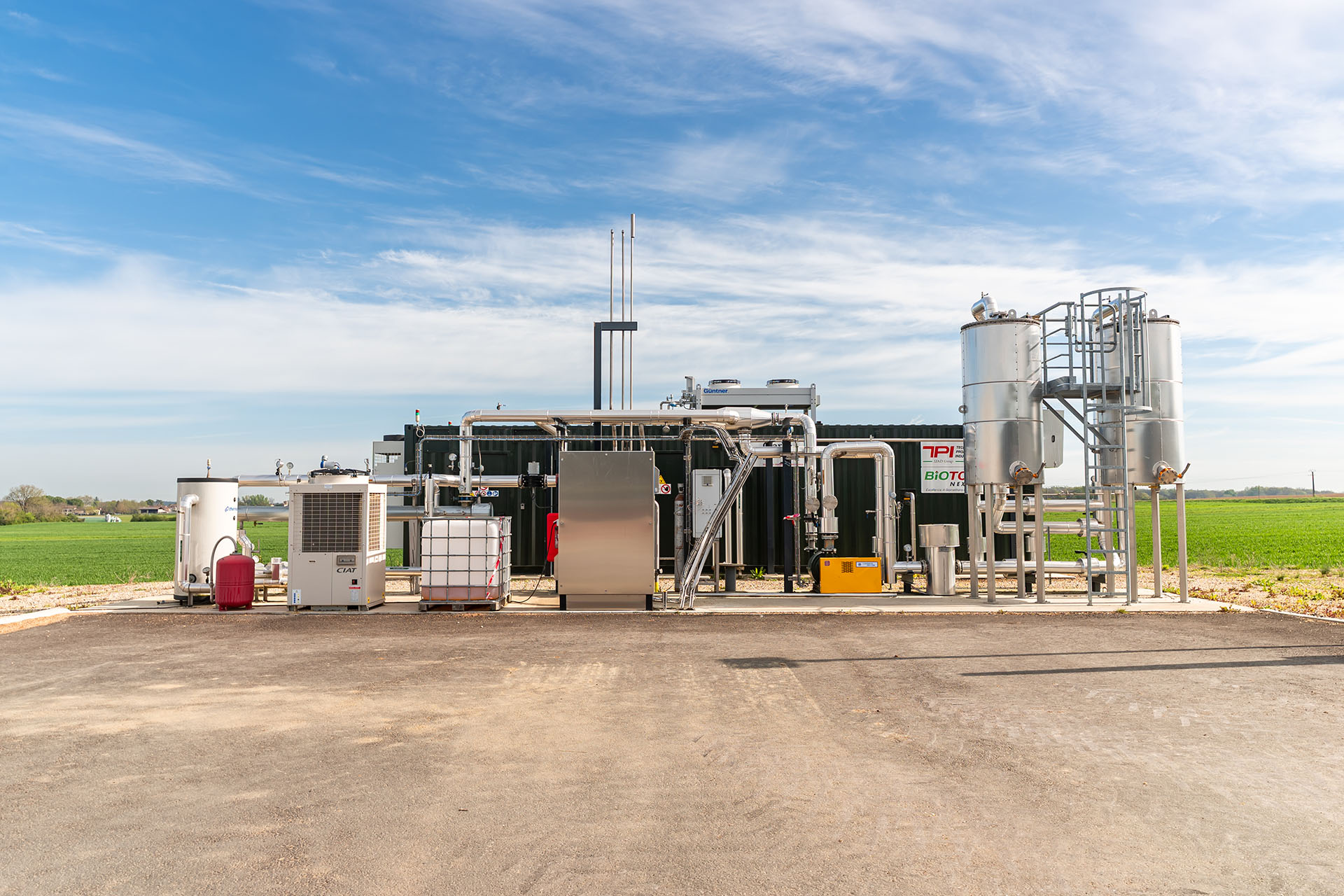
Clarke Energy supplies biogas upgrading systems that refine raw biogas—produced from anaerobic digestion of organic materials—into biomethane suitable for injection into the gas grid or use as a vehicle fuel.
• Feedstocks: Agricultural residues, food waste, wastewater sludge, landfill gas
• Process: Removal of CO₂, water vapour, and trace contaminants to produce high-purity methane
• Applications: Renewable fuel for CHP plants, industrial heating, domestic heating, and compressed natural gas (CNG) for vehicles
• Sustainability benefits: Displaces fossil gas, reduces methane emissions from waste, and supports local energy security
Biomethane offers an immediate pathway to reduce carbon intensity in the gas network and transport sector while creating new revenue streams for waste processors and renewable energy producers.
Contribution to the Circular Economy and Net Zero
• Waste to energy: Converts organic waste into high-value renewable gas
• Carbon reduction: Displaces fossil fuels in power, heat, and transport
• Sector coupling: Links renewable electricity production with renewable gas production for greater system flexibility
• Energy security: Supports decentralised, locally produced fuels
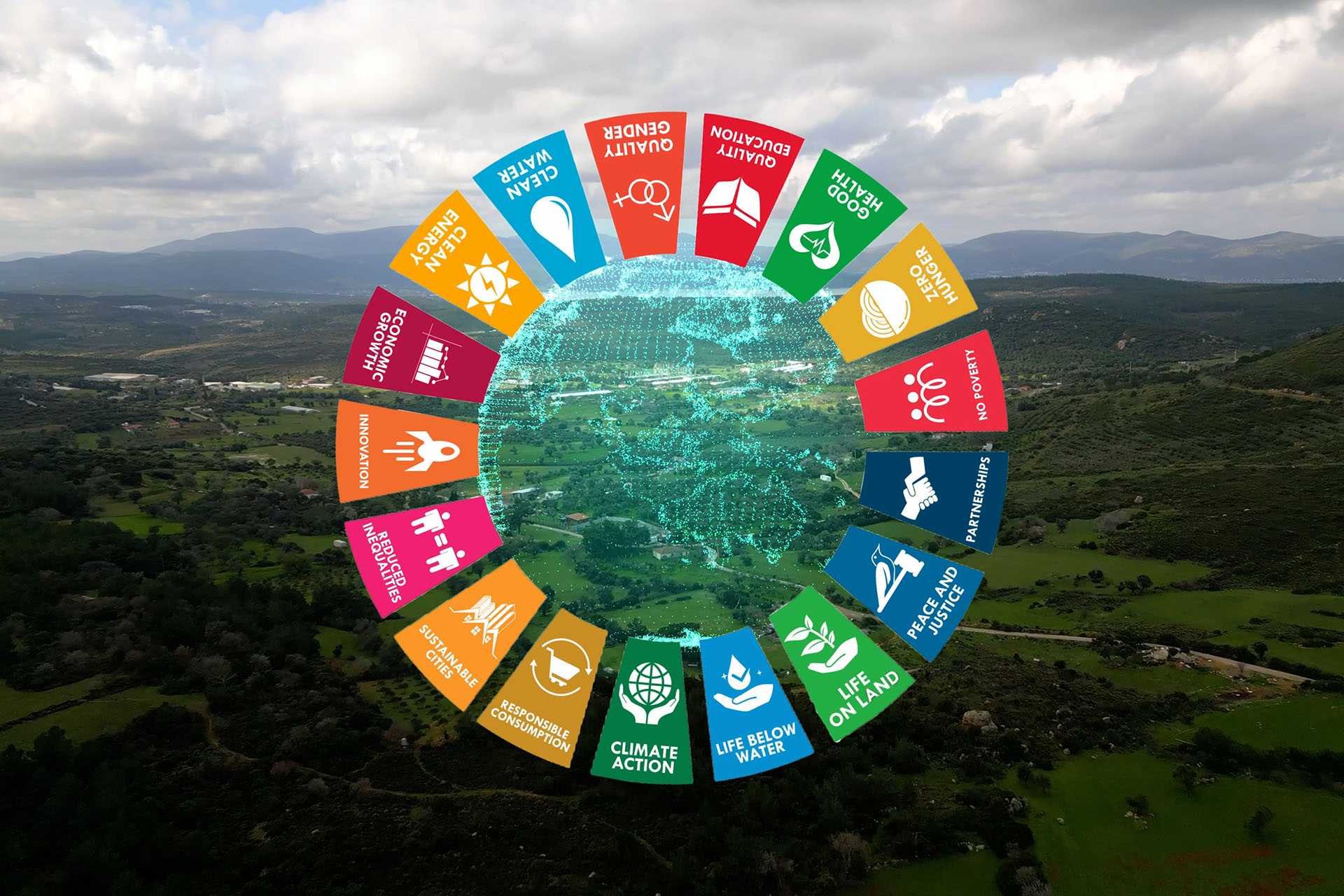
Alignment with the UN Sustainable Development Goals (SDGs)
Clarke Energy’s renewable gas production projects contribute to:
• SDG 7 – Affordable and Clean Energy: Expanding access to clean, renewable fuels
• SDG 9 – Industry, Innovation and Infrastructure: Building sustainable fuel production infrastructure
• SDG 12 – Responsible Consumption and Production: Using waste and renewable resources efficiently
• SDG 13 – Climate Action: Reducing emissions in energy, heat, and transport sectors
Frequently Asked Questions about Renewable Gas
What is renewable gas?
Renewable gas includes biogas and biomethane derived from organic waste, used as a clean energy source.
What is renewable gas production?
Renewable gas production involves generating low carbon fuels such as biomethane and green hydrogen from waste materials or renewable electricity, reducing emissions and supporting the circular economy.
How does Clarke Energy produce biomethane (RNG)?
We upgrade raw biogas from anaerobic digestion into grid quality biomethane by removing CO₂, water vapour, and impurities, creating a renewable alternative to natural gas.
What is green hydrogen and how is it produced?
Green hydrogen is made by splitting water into hydrogen and oxygen using electrolysers powered by renewable electricity, resulting in zero carbon emissions at the point of use.
What can renewable gases be used for?
Biomethane can replace fossil natural gas for power, heating, and transport. Green hydrogen can fuel CHP plants, peaking stations, industrial processes, and hydrogen vehicles.
What are the environmental benefits of renewable gas production?
Renewable gases displace fossil fuels, reduce methane emissions from waste, and enable deep decarbonisation of energy, heat, and transport systems.
Power Your Sustainability Journey with Renewable Energy
Clarke Energy’s experts can help you explore how renewable energy can advance your organisation’s ESG and decarbonisation objectives.